Last updated: April 22, 2026
Key Takeaways
- Muscle growth usually requires 0.73-1.0g of protein per pound of body weight daily, which far exceeds the older 0.36g/lb RDA.
- Spread protein evenly with 20-40g per meal, and aim for 2.5-3g leucine each time to drive muscle protein synthesis.
- Whey protein isolate supports post-workout recovery with rapid absorption in about 1-2 hours, high leucine, and a complete amino acid profile.1
- GLP-1 users, including those on semaglutide, face a higher risk of lean mass loss and benefit from higher protein targets and liquid sources.
- Bucked Up Protein Soda helps you hit protein goals with 25g whey isolate in a refreshing, zero-sugar carbonated format, which can fit busy schedules and GLP-1 protocols.1
The Real Protein Gap Holding Back Your Muscle Gains
The outdated Recommended Dietary Allowance (RDA) of 0.36g per pound of body weight covers the minimum to avoid deficiency in sedentary adults. It does not support meaningful muscle growth. Research shows this baseline is inadequate for maximizing muscle hypertrophy in resistance-trained individuals. Many people also spread protein unevenly across the day and miss the per-meal threshold that drives muscle building.
Most adults need 20-40 grams of quality protein per meal to trigger muscle protein synthesis. Older adults over 60 often require at least about 30 grams with roughly 2.8g leucine, while younger adults under 30 respond more directly to total protein content per meal.
GLP-1 medications like Ozempic or Zepbound add another layer of complexity. Some studies of GLP-1 receptor agonists report that 25-40% of total weight loss comes from reductions in lean mass, though this proportion varies across studies with ranges of 40-60% or 15% or less of total weight lost, which can include valuable muscle tissue. Without enough protein, users risk losing muscle along with fat.
| Body Weight (lbs) | Minimum Daily Protein (g) | Optimal Range (g) | Per Meal Target (g) |
|---|---|---|---|
| 140 | 102 | 102-140 | 25-35 |
| 160 | 116 | 116-160 | 29-40 |
| 180 | 131 | 131-180 | 33-45 |
| 200 | 145 | 145-200 | 36-50 |
Solution 1—Dialing In Your Daily Protein for Muscle Growth
The newly revised U.S. federal dietary guidelines now recommend 0.54 to 0.73 grams of protein per pound of body weight daily for adults. This update reflects higher needs than older guidance, especially for active people.
For building muscle, research supports going even higher. A 2018 meta-analysis found that 0.73 to 1.0 grams of protein per pound of body weight per day maximizes muscle hypertrophy when paired with resistance training. For a 175-pound person, that equals roughly 127-175 grams of protein per day.
How you distribute that protein matters. Intakes of 20-25 grams of high-quality protein per meal can increase post-meal muscle protein synthesis by up to 40%. Hitting the leucine threshold of 2.5 to 3.0 grams per meal helps fully activate this process.
Solution 2—Choosing Protein Types That Support Muscle Growth
Protein sources differ in how well they support muscle building. Whey protein isolate can stand out because it absorbs quickly, offers a complete amino acid profile, and delivers high leucine.1 Whey protein isolate contains about 10% to 11% leucine in its amino acid profile, which ranks among the highest of common food sources.
Whey protein has an absorption rate of roughly 10 grams per hour, which allows a typical serving to digest within 1-2 hours.1 This pace is much faster than casein and quicker than many plant-based proteins. That rapid digestion increases amino acid availability for recovery soon after training, which supports post-workout muscle repair.1
| Protein Type | Absorption Speed | Leucine per 25g | Best Use |
|---|---|---|---|
| Whey Isolate | 1-2 hours | 2.5-2.8g | Post-workout |
| Whey Concentrate | 2-3 hours | 2.2-2.5g | General use |
| Casein | Several hours | 2.3g | Before bed |
| Plant Blend | 3-4 hours | 1.5-2.0g | Vegan option |
Solution 3—Whole Food Protein vs Supplements for Busy Schedules
Whole food protein sources deliver strong nutrition but can be hard to eat in the amounts required for muscle growth. Chicken breast offers about 31g of protein per 100g serving, eggs provide around 6g per large egg, and a 1-cup (240g) serving of Greek yogurt typically contains 15 to 23 grams of protein. Hitting higher daily targets with only whole foods can feel demanding, especially with a full schedule.
High-quality protein supplements help close that gap.1 They deliver concentrated protein with less prep time and less volume than many meals. For people dealing with appetite suppression from medications or anyone who needs quick post-workout nutrition, liquid protein sources often provide a practical, efficient option.
Solution 4—Why Bucked Up Protein Soda Fits Modern Protein Needs
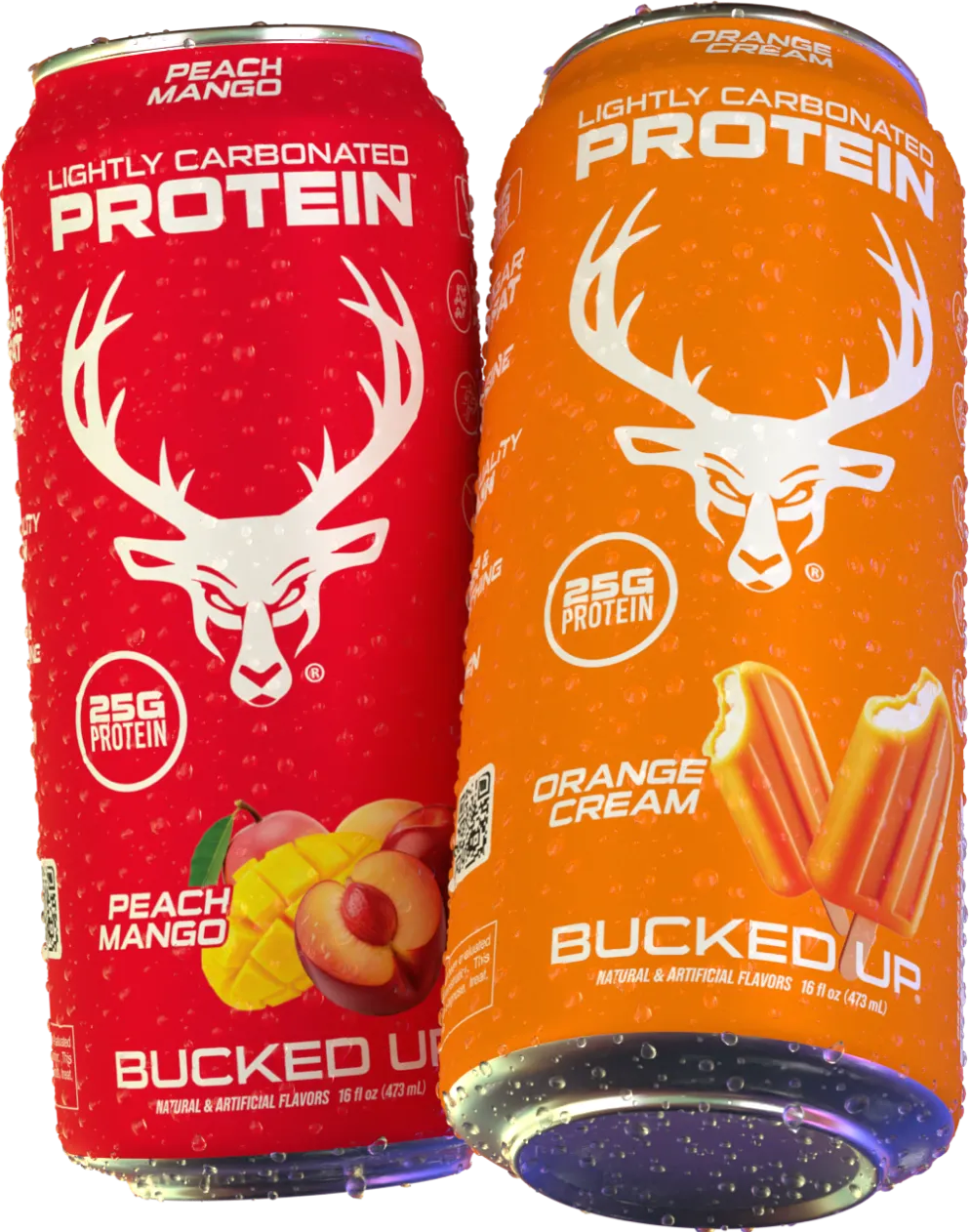
Many traditional protein shakes feel heavy, taste chalky, and require mixing or blending. Bucked Up Protein Soda offers a different experience by delivering 25g of whey isolate in a refreshing, lightly carbonated drink with 100 calories, zero sugar, and zero carbs.
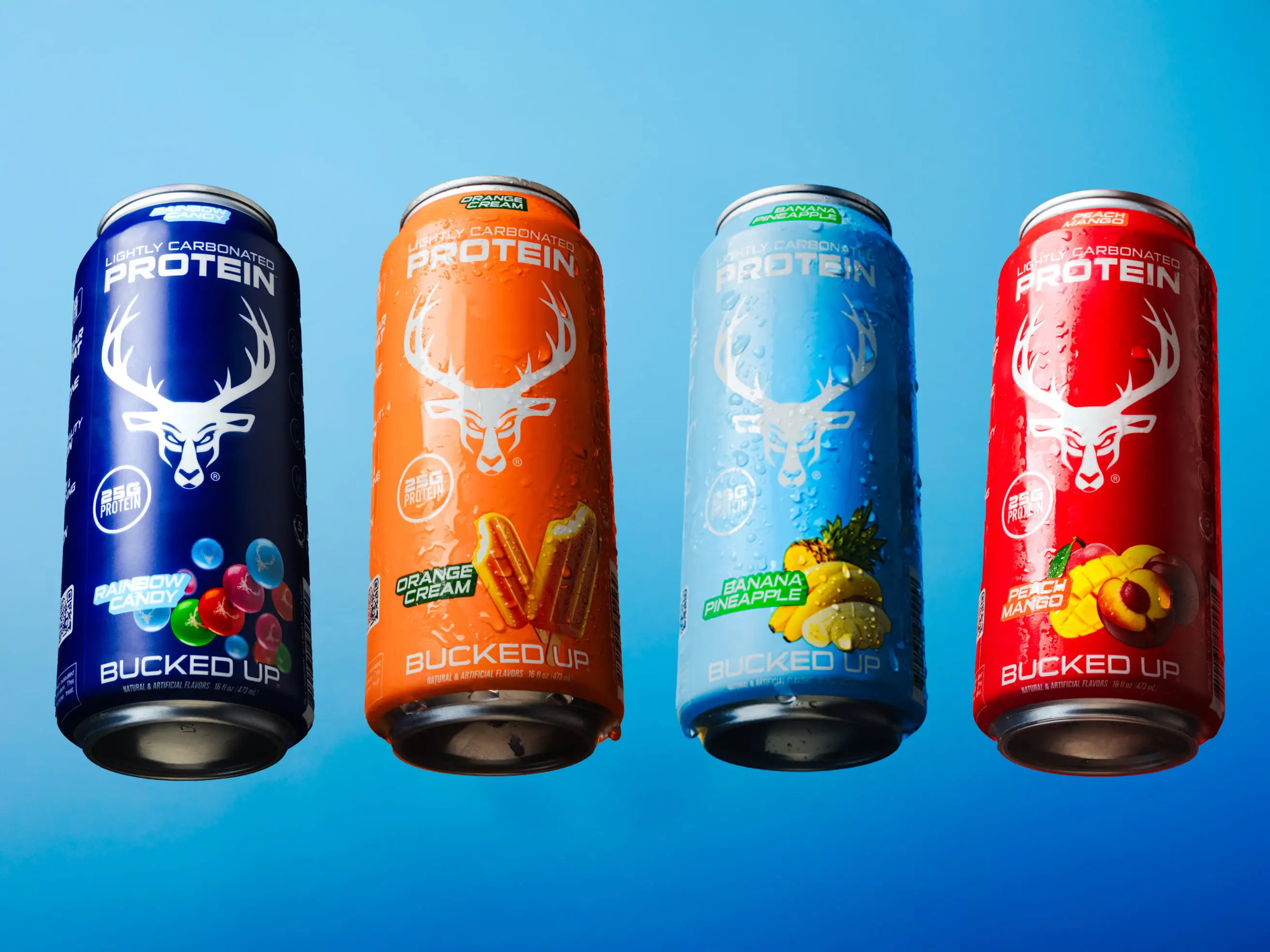
The carbonated format creates a light, effervescent texture that feels closer to an energy drink than a thick shake. This texture, combined with flavor profiles similar to popular beverages, helps avoid the chalky aftertaste that often comes with protein powders. You can enjoy it straight from the can, which simplifies consistent protein intake.
To see how Bucked Up Protein Soda compares with other ready-to-drink protein options, review the table below. It highlights differences in protein type, calories, carbs, and format so you can match each product to your goals and preferences.
| Product | Protein Type/Amount | Calories/Carbs | Format |
|---|---|---|---|
| Bucked Up Protein Soda | Isolate/25g | 100/0g | Carbonated RTD |
| Premier Protein | Blend/30g | 160/4g | Thick shake |
| Muscle Milk | Concentrate/25g | Varies by flavor | Creamy shake |
| Core Power | Isolate/26g | 170/6g | Milk-based |
Customer feedback reflects these differences. One user shared, “These are seriously delicious! I had low expectations on flavor and was pleasantly surprised. They taste like an energy drink, but healthier and with no caffeine.” Another noted, “I need to consume 130g of protein daily, and honestly, I’ve never found a product that made that goal feel this easy.”
Solution 5—Timing Protein and Supporting Muscle on GLP-1s
Total daily protein intake drives most of your results, yet timing can fine-tune progress. Consuming 20-25 grams of high-quality protein after a workout supports muscle protein synthesis during recovery.1 The anabolic window extends well beyond 30-60 minutes and can last up to 24 hours, so meeting your daily target and spreading intake across meals matters most.
For GLP-1 users, liquid protein sources become especially helpful given the lean mass loss risk mentioned earlier. Adults taking GLP-1 medications often benefit from 1.2-1.6 grams of protein per kilogram of body weight per day, along with 30–40 grams of protein per meal from high-quality sources. This approach supports muscle preservation while weight comes down.
Bucked Up Protein Soda offers a light, easily digestible option for people dealing with reduced appetite.1 It supplies essential amino acids without a heavy, filling texture. You can use it as a convenient way to reach your protein target while focusing on muscle maintenance.
Frequently Asked Questions
What is the best protein type for muscle growth?
Whey protein isolate often works well for muscle growth because it provides a complete amino acid profile, absorbs within about 1-2 hours, and delivers roughly 2.5-2.8 grams of leucine per 25-gram serving.1 This combination supports muscle protein synthesis and makes amino acids available to muscles soon after training.1
How much protein should I eat daily to build muscle on tirzepatide?
People using GLP-1 medications like tirzepatide generally benefit from 1.2-1.6 grams of protein per kilogram of body weight per day, with 30–40 grams of protein per meal from high-quality sources. This higher intake helps counter the lean mass loss risk associated with GLP-1 therapy. Liquid protein options often feel easier to consume when appetite is reduced.1
How does Bucked Up Protein Soda compare to traditional protein shakes?
Bucked Up Protein Soda provides a lighter, more refreshing alternative to thick shakes. It delivers 25g of whey isolate in a carbonated drink with 100 calories and zero sugar, which avoids the heavy mouthfeel and chalky texture many shakes have.1 The flavor profile feels closer to an energy drink, which can make daily protein intake more enjoyable.
Is Bucked Up Protein Soda suitable for keto and GLP-1 users?
Bucked Up Protein Soda contains zero carbs and zero sugar, so it fits ketogenic diets. It can also work well for GLP-1 users because the light, carbonated format is easier to drink with a reduced appetite. The caffeine-free formula allows flexible use throughout the day without affecting sleep or adding stimulant effects.
When should I consume protein for muscle growth?
Hitting your total daily protein target matters most for muscle growth. Consuming 20-25 grams of high-quality protein within a few hours after training can support recovery, and the anabolic window can extend up to 24 hours. Spreading protein evenly across meals throughout the day helps keep muscle protein synthesis elevated.
Building muscle effectively requires protein targets that go beyond older RDA numbers and a plan that fits real life. Bucked Up Protein Soda addresses common sticking points by providing 25g of rapidly absorbed whey isolate in a convenient, carbonated format.1 Whether you are a busy professional, a dedicated lifter, or using GLP-1 medications for weight management, this approach can make consistent protein intake more realistic and more enjoyable.1
1 The content provided in this article is for informational purposes only and is not medical advice. Consult with a medical professional before implementing any changes to your diet, health, or exercise routines.
Individual results will vary and are based on a combination of each individual’s diet, exercise, age, and health circumstances.
These statements have not been evaluated by the Food and Drug Administration. This product is not intended to diagnose, treat, cure or prevent any disease.
This article was written by Ryan Gardner, CEO of Bucked Up. As the maker of Bucked Up Protein Soda, we have a financial interest in this information. The views expressed are our own and should be read with that context in mind.