Last updated: April 22, 2026
Key Takeaways
- The 30-30-30 rule means 30g protein within 30 minutes of waking, then 30 minutes of low-intensity cardio under 135bpm to support fat loss and metabolism.
- Morning protein boosts satiety hormones like GLP-1 and PYY, which curb appetite, while fasted cardio can increase fat oxidation by up to 73%.
- Fast-absorbing options like whey isolate in Bucked Up Protein Soda make morning protein easier to tolerate, especially for GLP-1 users who struggle with heavy shakes.1
- Post-workout protein timing is more flexible than the old 30-minute “anabolic window” myth; total daily intake of 0.73-1g per lb body weight matters more.
- You can start the 30-30-30 rule today with Bucked Up Protein Soda, which provides 25g whey isolate in a refreshing, zero-sugar format that supports sustainable weight loss habits.1
How the 30-30-30 Rule Works for Morning Fat Loss
The 30-30-30 rule means consuming 30g protein within 30 minutes of waking, followed by 30 minutes of low-intensity cardio under 135bpm. Gary Brecka popularized this structure for its potential impact on metabolism and fat loss. UCLA Health explains that this protocol targets morning metabolism when glycogen stores are naturally depleted from overnight fasting.
The science centers on two key mechanisms: protein-induced thermogenesis and fasted fat oxidation. Recent research shows that morning protein intake enhances satiety hormones like GLP-1 and PYY. These hormones signal fullness to the brain and help suppress appetite throughout the day. The low-intensity cardio component then uses those depleted glycogen stores to favor fat as the primary fuel source.
This approach works best when you already hit a solid daily protein target, typically 0.73-1g per lb of body weight for active individuals. Building on that baseline, the 30-30-30 rule can support fat loss, muscle preservation during weight management, and overall metabolic health. It can be especially helpful for individuals using GLP-1 medications who struggle with solid food intake, because the liquid protein format can feel easier on the stomach.
How to Do the 30-30-30 Rule Exercise Step-by-Step
Now that you understand the basic science behind the protocol, you can put it into practice with these steps.
Step 1: Consume 30g Protein Within 30 Minutes of Waking
Start your day with a fast-absorbing protein source such as eggs, Greek yogurt, or Bucked Up Protein Soda’s 25g whey isolate.1 The carbonated format provides 100 calories without the heavy, milky texture that can trigger nausea in sensitive individuals or those on GLP-1 medications.1
Step 2: Complete 30 Minutes of Low-Intensity Cardio
Keep your heart rate under 135bpm with walking, light cycling, or easy swimming. Research shows that morning exercise before breakfast can increase total daily fat oxidation by roughly 260 calories compared to exercising at other times. Depleted glycogen stores in the morning encourage a metabolic shift toward using fat for fuel.
Step 3: Track Your Response
Pay attention to energy levels, hunger patterns, and weight changes over 2-4 weeks. The fasted cardio component can increase fat oxidation by up to 73% compared to fed-state exercise, which supports body composition goals when paired with consistent protein intake.
This protocol fits into busy schedules because protein soda needs no prep time, and a 30-minute walk can replace part of your commute or morning routine.
Easy 30g Breakfast Protein: Bucked Up Protein Soda
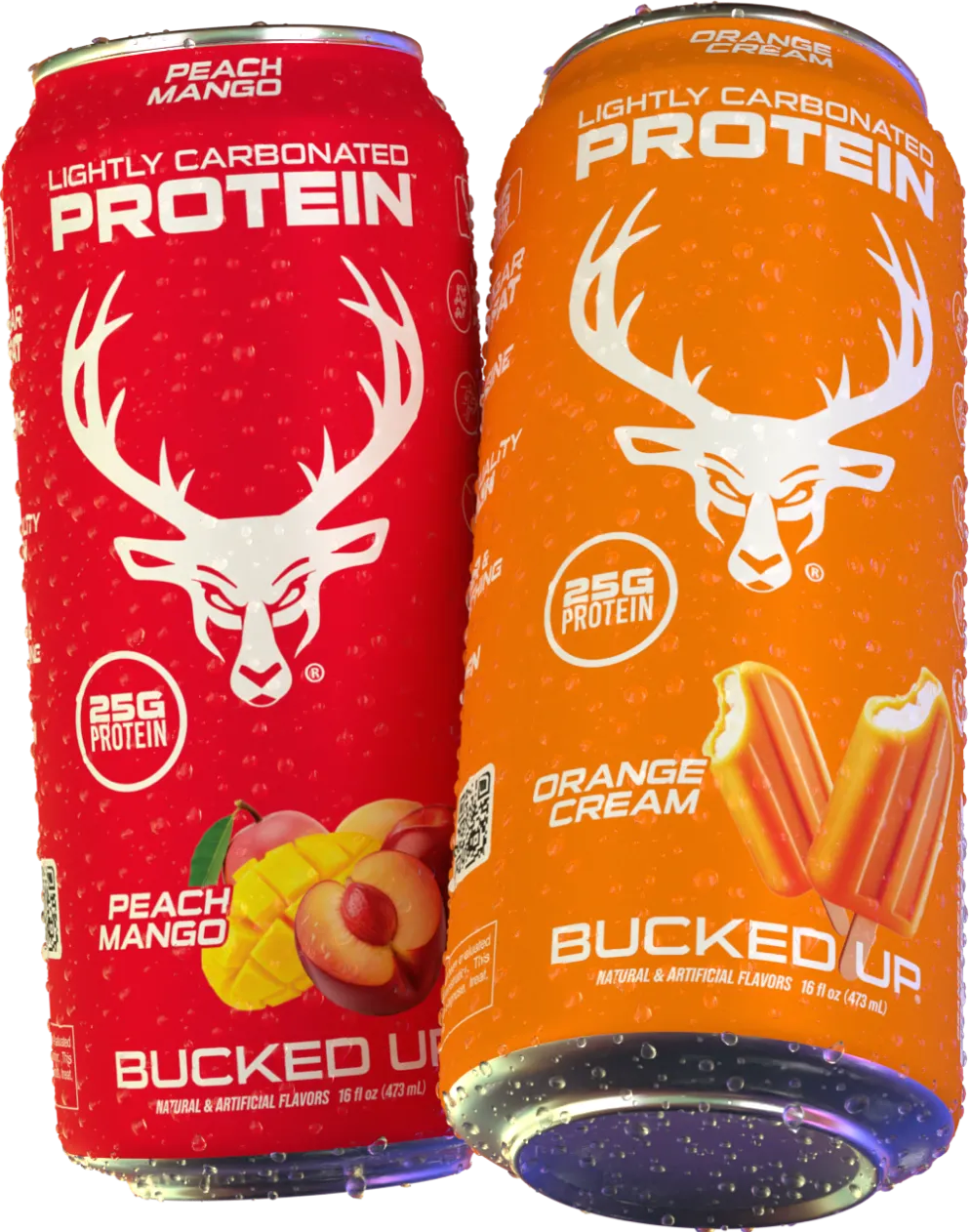
Bucked Up Protein Soda can stand out as a convenient, ready-to-drink option for the 30-30-30 rule. Each can delivers 25g of whey protein isolate, a more purified form that absorbs faster than whey concentrate.1 The isolate goes through additional filtration to remove most lactose and fat, which supports rapid absorption and can reduce digestive discomfort.1
The caffeine-free formulation suits morning use without affecting sleep later that night.1 The zero sugar and zero carb profile also aligns with weight management and low-carb goals.1 Unlike traditional protein shakes that can feel heavy and chalky, the lightly carbonated format delivers a refreshing experience similar to an energy drink.
Compared to Premier Protein or Muscle Milk, Bucked Up can reduce the milky heaviness that often triggers nausea.1 This difference matters for many GLP-1 users who already struggle with solid foods. The clear, carbonated delivery system offers a crisp, light sensory experience. Try the carbonated protein format to refresh your morning protein routine.

Protein After Workout: What Timing Really Matters
The old idea of a strict 30-minute anabolic window for post-workout protein has been largely debunked by modern research. The International Society of Sports Nutrition (ISSN) 2017 position stand reports that exercise sensitizes muscles to protein for at least 24 hours after training. The response is highest in the first several hours, not just the first few minutes.
Total daily protein intake and steady distribution every 3-4 hours matter more for recovery and muscle gain than hitting a narrow post-workout window. A 2013 meta-analysis by Schoenfeld concluded that the anabolic window extends roughly 4-6 hours on either side of training. This range is much wider than the 30-minute period often promoted by supplement marketing.
Bucked Up Protein Soda’s fast-absorbing whey isolate works well at any point in that broader window.1 You can use it with the 30-30-30 morning protocol or as a convenient option for post-workout recovery within the realistic timeframe research supports.
Common 30-30-30 Challenges and Simple Fixes
The 30-30-30 rule can create challenges such as increased hunger from morning cardio, fatigue from poor recovery, and difficulty sticking with daily sessions. Excessive cardio volume can drive up appetite faster than the calorie burn it provides, which makes weight loss harder without enough protein and planning.
Helpful adjustments include starting with 15-20 minute cardio sessions and slowly increasing duration, drinking water before and during exercise, and prioritizing the protein portion for better satiety. Bucked Up Protein Soda’s 25g whey isolate can help you feel fuller through the morning, which lowers the chance of overeating later in the day.1
Real 30-30-30 Results and User Experiences
Research supports the impact of high-protein mornings on weight management. A randomized trial published in the British Journal of Nutrition found that a high-protein big breakfast diet led to an average weight loss of 3.87 kg over 28 days in overweight adults.
Many users also describe noticeable improvements in energy and appetite control. One customer shared: “I need to consume 130g of protein daily, and honestly, I’ve never found a product that made that goal feel this easy. I could knock back multiple cans a day and actually enjoy doing it. I’ve probably just replaced all my sodas for good.”
The combination of morning protein and fasted cardio can create a metabolic advantage that lasts throughout the day. This pairing supports both weight management and muscle preservation goals. Get your first case of protein soda to experience how this routine feels in your own schedule.
Frequently Asked Questions
What is the 30 30 30 protein method?
The 30-30-30 protein method means consuming 30 grams of protein within 30 minutes of waking, then doing 30 minutes of low-intensity cardio at a heart rate under 135 beats per minute. This protocol uses morning metabolism when glycogen stores are lower from overnight fasting, which encourages fat oxidation. The protein portion boosts satiety and supports muscle preservation across the day.
Protein after workout: how soon?
Research shows that total daily protein intake matters more than exact post-workout timing. Muscles remain sensitive to protein for 24-48 hours after exercise, and the practical window extends 4-6 hours on either side of training rather than a strict 30-minute period. Focus on consuming 20-40 grams of high-quality protein within a few hours of training while maintaining the daily intake targets discussed earlier.
What are the cons of the 30-30-30 rule?
Potential drawbacks include increased hunger from morning cardio, fatigue from limited recovery between sessions, and difficulty maintaining the routine every day. Some people may notice digestive discomfort from early morning protein or struggle with motivation for consistent morning exercise. You can ease these issues by starting gradually, staying hydrated, choosing easily digestible protein sources like whey isolate, and scheduling rest days when needed.
Is Bucked Up Protein Soda keto-friendly?
Yes, Bucked Up Protein Soda is keto-compatible with zero carbohydrates and zero sugar. Each can provides the same 25 grams of pure whey protein isolate mentioned earlier with only 100 calories. This profile suits ketogenic dieters who need to maintain protein intake while staying within strict carbohydrate limits. The clean formulation supports ketosis while supplying essential amino acids for muscle preservation.1
How does Bucked Up compare to traditional protein shakes?
Bucked Up Protein Soda offers a different experience from traditional shakes through its lightly carbonated, clear liquid format that tastes more like an energy drink than a milky protein beverage. The whey isolate absorbs faster than the whey concentrate used in many shake products.1 The carbonation and refreshing taste also avoid the chalky texture and heavy mouthfeel that many people dislike in conventional protein drinks.
Advanced Tips and Next Steps for the 30-30-30 Rule
You can scale your protein intake to 20-30 grams every 3-4 hours throughout the day to support muscle protein synthesis. Adding progressive resistance training 2-3 times per week pairs well with the 30-30-30 cardio protocol and can enhance body composition changes. Track your response over 4-6 weeks, and adjust cardio intensity and duration based on recovery, sleep, and energy levels. Stock up on protein soda to keep the 30-30-30 rule practical and enjoyable.
1 The content provided in this article is for informational purposes only and is not medical advice. Consult with a medical professional before implementing any changes to your diet, health, or exercise routines.
Individual results will vary and are based on a combination of each individual’s diet, exercise, age, and health circumstances.
These statements have not been evaluated by the Food and Drug Administration. This product is not intended to diagnose, treat, cure or prevent any disease.
This article was written by Ryan Gardner, CEO of Bucked Up. As the maker of Bucked Up Protein Soda, we have a financial interest in this information. The views expressed are our own and should be read with that context in mind.