Last updated: April 22, 2026
Key Takeaways
- The 3-3-3 rule supports steady weight loss with three high-protein meals, three liters of water, and three hours of light movement.
- Post-workout protein in the 25–30 gram range within about 30 minutes helps support muscle protein synthesis and protect lean mass.1
- Compared to the rigid 30-30-30 rule, 3-3-3 offers flexible habits that can fit busy schedules and GLP-1 users.
- GLP-1 users often need higher daily protein, and lighter drink formats can make those targets easier to hit with a reduced appetite.
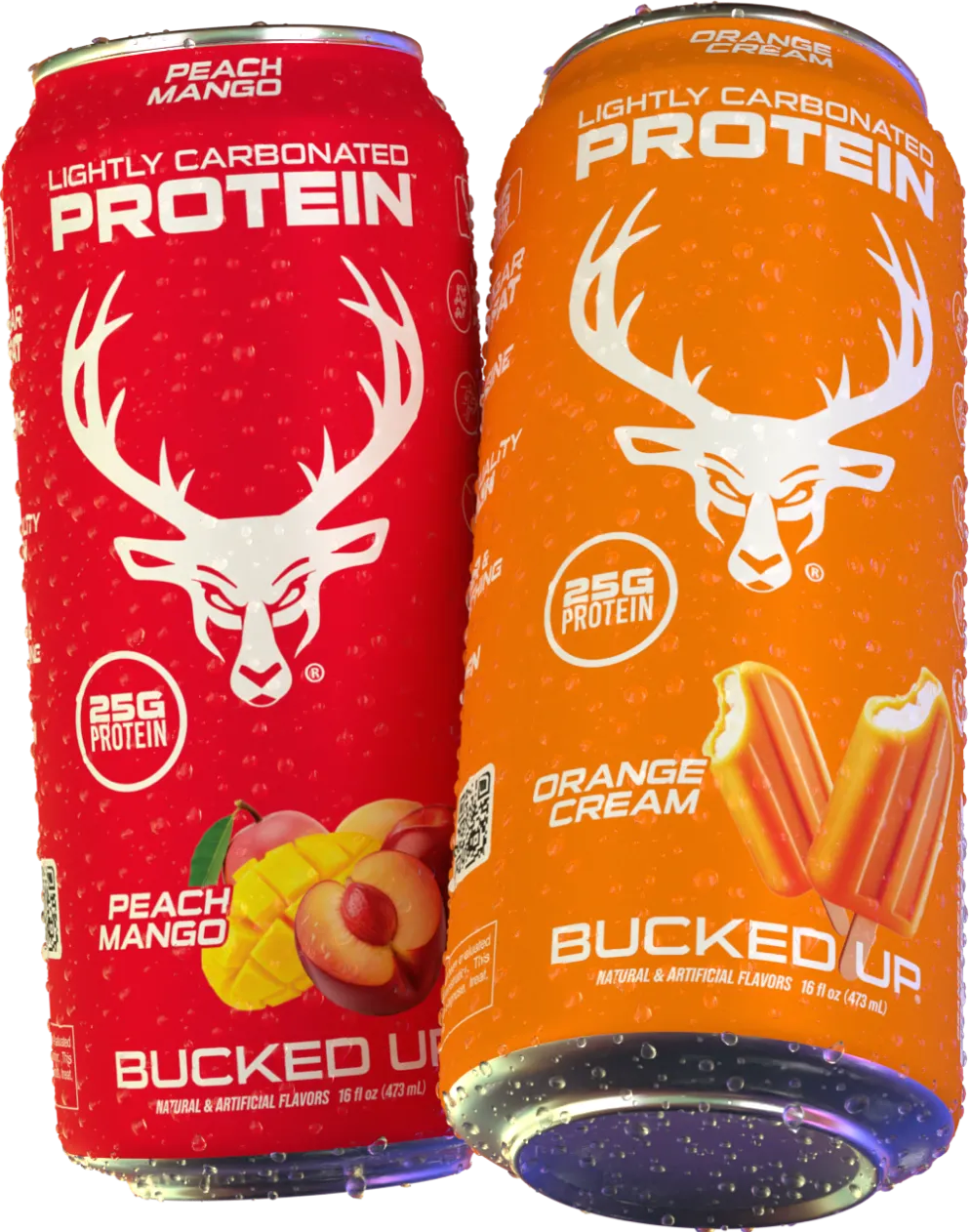
- Grab Bucked Up Protein Soda for a convenient 25 gram whey isolate option that fits smoothly into a 3-3-3 routine.
How the 3-3-3 Rule Works for Weight Loss
The 3-3-3 rule breaks into three core habits that work together for sustainable weight management.
1. Three Balanced, High-Protein Meals
Each meal includes solid protein in the 25–30 gram range, healthy fats, and complex carbohydrates. This structure supports fullness throughout the day and helps reduce the metabolic slowdown often seen with restrictive dieting. Stanford research on habit stacking shows that consistent meal timing can improve long-term adherence to weight loss plans.
2. Three Liters of Water Daily
Proper hydration supports metabolic function, helps control appetite, and can increase energy expenditure through thermogenesis. One practical way to apply this target is drinking water before meals, which can enhance satiety signals and help you feel fuller with less food.
3. Three Hours of Movement
This target focuses on light activity instead of intense workouts. UCLA movement studies show that non-exercise activity thermogenesis (NEAT) from walking, household tasks, and other light activities can meaningfully increase daily calorie burn.
The protein habit becomes especially important for preserving muscle while you lose fat. Post-workout protein timing in the window mentioned above supports muscle protein synthesis and strengthens the overall 3-3-3 framework.1
Get convenient post-workout protein for your 3-3-3 routine.
Before exploring more details, it helps to see how 3-3-3 compares with the popular 30-30-30 rule you may have seen elsewhere.
3-3-3 Rule vs. 30-30-30 Rule: Key Differences
This comparison highlights how each approach structures protein, movement, and timing so you can choose what fits your lifestyle.
| Aspect | 3-3-3 Rule | 30-30-30 Rule |
|---|---|---|
| Simplicity | Flexible daily habits spread across the day | Structured morning protocol (30g protein, 30 minutes after waking, 30 minutes exercise) |
| Sustainability | Adaptable to different schedules and lifestyles | Relies on strict morning routine adherence |
| Protein Distribution | Integrated across three meals plus post-workout | Front-loaded in the morning |
| Movement Requirements | Three hours of light activity spread throughout the day | Thirty minutes of structured exercise |
The 3-3-3 approach often feels more realistic for busy professionals, parents, and people using GLP-1 medications who may notice appetite and energy shifts during the day.
Why Post-Workout Protein Matters in a 3-3-3 Plan
Post-exercise protein supports muscle protein synthesis when you hit the right dose and timing window.1 Recent research indicates that this per-meal protein range provides the leucine threshold of about 2.5–3 grams needed to maximize MPS. Whey protein isolate absorbs more quickly than many concentrate forms, which makes it a strong fit for post-workout recovery.1
Bucked Up Protein Soda delivers exactly 25 grams of fast-absorbing whey isolate in a lighter drink that is easier to finish right after training than many thick shakes. The carbonated format can also support faster gastric emptying and nutrient delivery.1
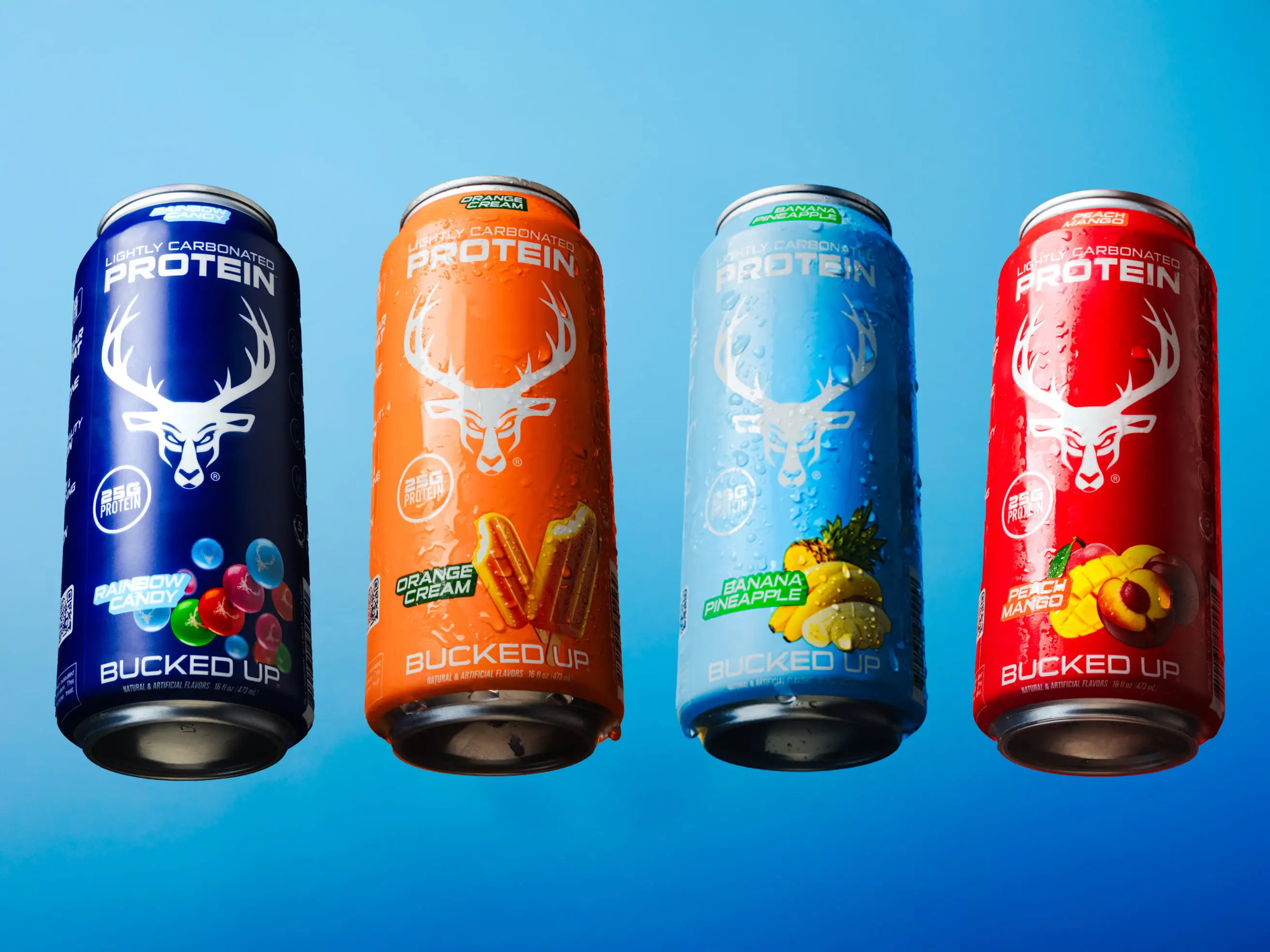
Here is how it compares with other popular ready-to-drink options for protein type, calories, and format:
| Product | Protein Type/Amount | Calories | Format |
|---|---|---|---|
| Bucked Up Protein Soda | Whey Isolate/25g | 100 | Carbonated Beverage |
| Premier Protein Shake | Blend of milk protein concentrate and calcium caseinate with 30g protein per shake | 160 | Ready-to-Drink Shake |
| Muscle Milk Genuine Protein Shake | Whey + Casein/25g | 158 calories per 330g serving | Ready-to-Drink Shake |
Find a post-workout drink that fits your 3-3-3 plan.
3-3-3 Protein Targets for GLP-1 Users
People using GLP-1 receptor agonists like tirzepatide or semaglutide often struggle to eat enough protein because of reduced appetite and possible food aversions. Recent research suggests that GLP-1 users require 1.6–2.2 grams of protein per kilogram of body weight to help protect muscle during rapid weight reduction.
For a 150 pound individual, this equals roughly 109–150 grams of protein per day. The light, carbonated format of Bucked Up Protein Soda can help address common issues GLP-1 users report with heavier protein sources:
- No thick, creamy texture that may trigger nausea
- Refreshing taste that feels manageable with a smaller appetite
- Quick to drink, so you do not need long eating sessions
- Caffeine-free formula that can suit sensitive stomachs.1
This lighter style can support more consistent protein intake when appetite stays low.1
7-Day 3-3-3 Sample Plan with Post-Workout Protein
This sample week shows how to structure meals, hydration, movement, and post-workout protein to hit all three parts of the 3-3-3 rule. Day 1 is fully mapped so you can see the pattern, and days 2–7 follow the same structure with different protein sources.
| Day/Meal | Meals (High-Protein ~400 cal) | Water/Movement Log | Post-Workout Bucked Up |
|---|---|---|---|
| Day 1 Breakfast | 3 eggs with spinach and avocado | 1L water, 1hr morning walk | Chilled over ice in the post-workout window |
| Day 1 Lunch | Grilled chicken salad with olive oil | 1L water, 1hr light activity | – |
| Day 1 Dinner | Salmon with roasted vegetables | 1L water, 1hr evening movement | – |
| Day 2-7 | Rotate lean proteins, vegetables, healthy fats | Maintain 3L water, 3hr movement | Use after workouts as needed |
This structure supports fat loss while helping preserve muscle through steady protein intake and consistent movement.
Common Protein Pitfalls and How Bucked Up Helps
1. Bloating from Heavy Protein Shakes
Traditional whey concentrates and thick shakes can cause digestive discomfort. Bucked Up’s isolate-based carbonated format, described earlier, can feel lighter and easier on digestion.1
2. Inconsistent Protein Timing
Even when you find a protein source that sits well, convenience becomes the next hurdle. Powder prep and cleanup add friction and often delay post-workout nutrition. Ready-to-drink Bucked Up removes those steps and can be finished right after training.
3. Caffeine Sensitivity Issues
Many protein beverages include stimulants that may disrupt sleep or cause jitters. Bucked Up’s caffeine-free formula supports anytime use, including evening workouts.1
4. Taste Fatigue
The energy drink-style flavor profile offers a change from classic shake flavors, which can make it easier to stick with long-term protein goals.
Frequently Asked Questions
How much protein after a workout?
The optimal post-workout protein intake matches the per-meal range noted earlier, taken in the same timing window. This amount supports the leucine threshold needed to drive muscle protein synthesis. Bucked Up Protein Soda delivers exactly 25 grams of whey isolate, which fits that target without adding many extra calories.1
Can I get a 3-3-3 diet plan PDF?
The 7-day framework above functions as your core guide. Focus on three balanced meals with the protein range discussed, keep daily water at three liters, and build three hours of light movement through walking, chores, or gentle exercise. Post-workout protein in the same timing window strengthens results when training is part of your movement.
How much protein should I consume on tirzepatide?
Individuals using tirzepatide or other GLP-1 medications can follow the higher protein targets outlined in the GLP-1 section above. For a 150 pound person, that equals roughly 109–150 grams of protein per day. Bucked Up’s light, carbonated format can make those targets easier to reach when appetite is low.1
What is the difference between the 30-30-30 rule and 3-3-3?
The 30-30-30 rule centers on 30 grams of protein within 30 minutes of waking followed by 30 minutes of exercise, which creates a strict morning routine. The 3-3-3 rule spreads habits across the day with three meals, three liters of water, and three hours of movement, so it can fit a wider range of schedules.
Is the 3-3-3 rule suitable for everyone?
The 3-3-3 framework adapts to many fitness levels and dietary needs. People with medical conditions, those taking medications such as GLP-1 agonists, or anyone with specific nutritional needs should talk with a healthcare provider before starting a new eating or exercise plan. The flexible nature of 3-3-3 allows for adjustments based on individual guidance.
The 3-3-3 rule for weight loss offers a practical, flexible structure that avoids extreme restriction and complicated rules. When you combine three balanced meals, steady hydration, and consistent movement with smart post-workout protein timing, you support gradual fat loss while protecting muscle. Bucked Up Protein Soda helps remove common protein barriers with a convenient, refreshing format that fits into busy days.
Final CTA: Get Bucked Up Protein Soda for your 3-3-3 routine for convenient post-workout protein that tastes like a familiar energy drink.
Disclaimer: Consult your healthcare provider before beginning any new diet or exercise program, especially if you are taking medications such as GLP-1 receptor agonists. These statements have not been evaluated by the FDA and are not intended to diagnose, treat, cure, or prevent any disease.
1 The content provided in this article is for informational purposes only and is not medical advice. Consult with a medical professional before implementing any changes to your diet, health, or exercise routines.
Individual results will vary and are based on a combination of each individual’s diet, exercise, age, and health circumstances.
These statements have not been evaluated by the Food and Drug Administration. This product is not intended to diagnose, treat, cure or prevent any disease.
This article was written by Ryan Gardner, CEO of Bucked Up. As the maker of Bucked Up Protein Soda, we have a financial interest in this information. The views expressed are our own and should be read with that context in mind.