Last updated: April 22, 2026
Key Takeaways
- About 88% of GLP-1 users, including those on Ozempic, fall short on protein, averaging 53g daily versus higher expert recommendations for weight loss.
- Leading caffeine-free high-protein drinks provide 20–42g protein per serving, with whey isolate often preferred for faster absorption and easier digestion than concentrates.1
- Carbonated options like Bucked Up Protein Soda offer a refreshing, zero-sugar alternative to heavy milk-based shakes, which can feel better after workouts and during weight loss.1
- GLP-1 users benefit from light, high-quality protein drinks to help protect muscle while losing weight, especially when appetite is low.1
- Choose Bucked Up Protein Soda for a light, 100-calorie carbonated drink with whey isolate, and boost your protein intake effortlessly in a soda-style format.
12 Caffeine-Free High Protein Drinks for 2026
The comparison below shows how popular caffeine-free protein drinks differ in protein content, calories, and protein type so you can match options to your goals.
| Product | Protein (g) | Calories | Protein Type | Key Features |
|---|---|---|---|---|
| Bucked Up Protein Soda | 25g | 100 | Whey Isolate | Carbonated, Zero Sugar, Energy Drink Taste |
| Fairlife Core Power | 42g | 170 | Milk Protein | High Protein, Lactose-Free |
| Premier Protein | 30g | 160 | Whey Concentrate | Wide Availability, Multiple Flavors |
| OWYN | 20g | 180 | Plant-Based | Vegan, Allergen-Free |
| Muscle Milk | 25g | 160 | Milk Protein | Creamy Texture, Sports Focus |
| Isopure Clear | 20g | 100 | Whey Isolate | Clear Formula, Fruit Flavors |
| Protein2o | 20g | 60-90 | Whey Isolate | Water-Based, Low Calorie |
| Labrada Lean Body | 40g | 270 | Whey Blend | High Protein, Meal Replacement |
| Koia | 18g | 190 | Plant Protein | Coconut Base, Clean Label |
| Rebel | 16g | 270 | Milk Protein | Keto-Friendly, Low Carb |
| Slate Milk | 20g | 100 | Milk Protein | Lactose-Free, No Sugar |
| Core Power Elite | 42g | 230 | Milk Protein | Post-Workout Focus |
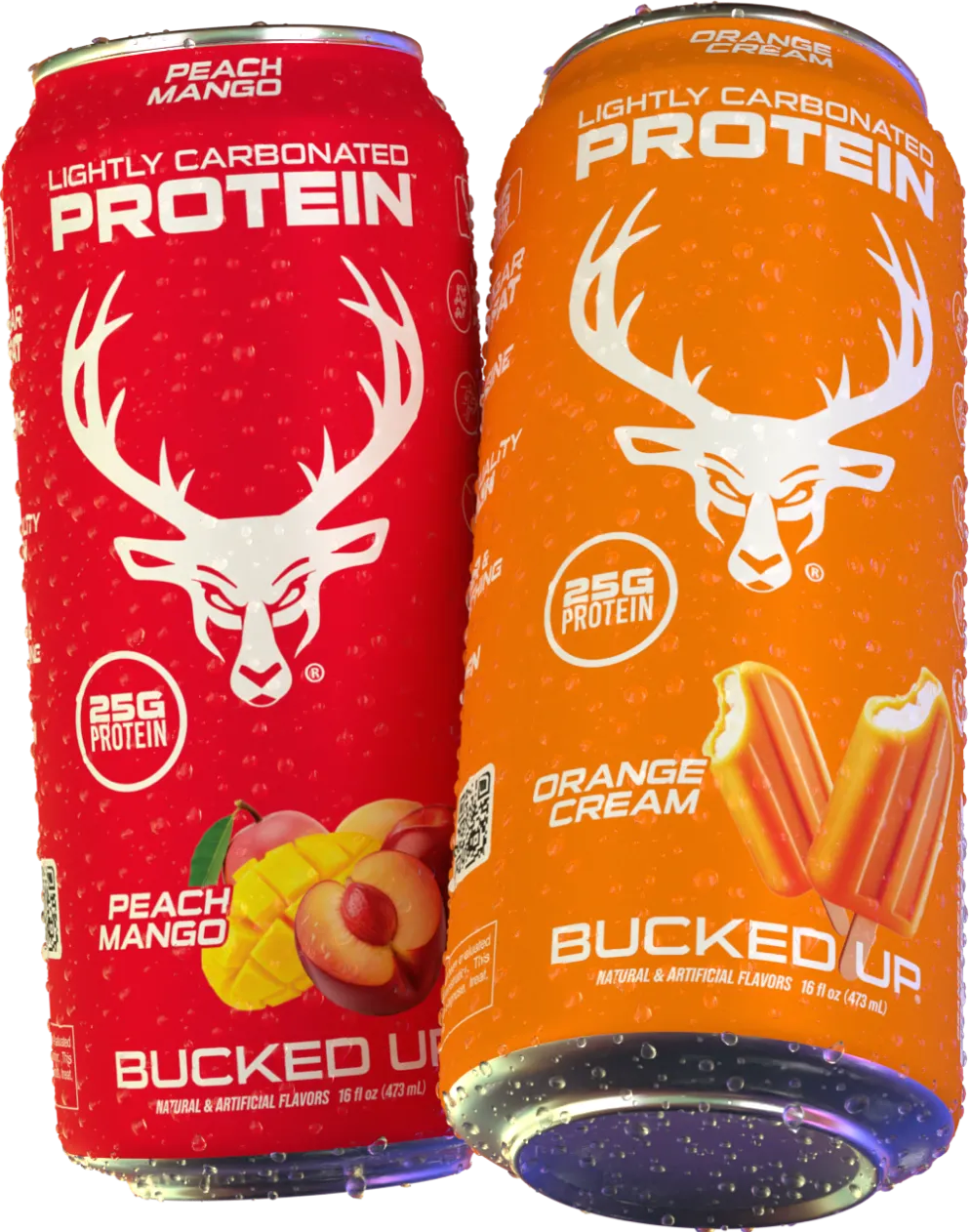
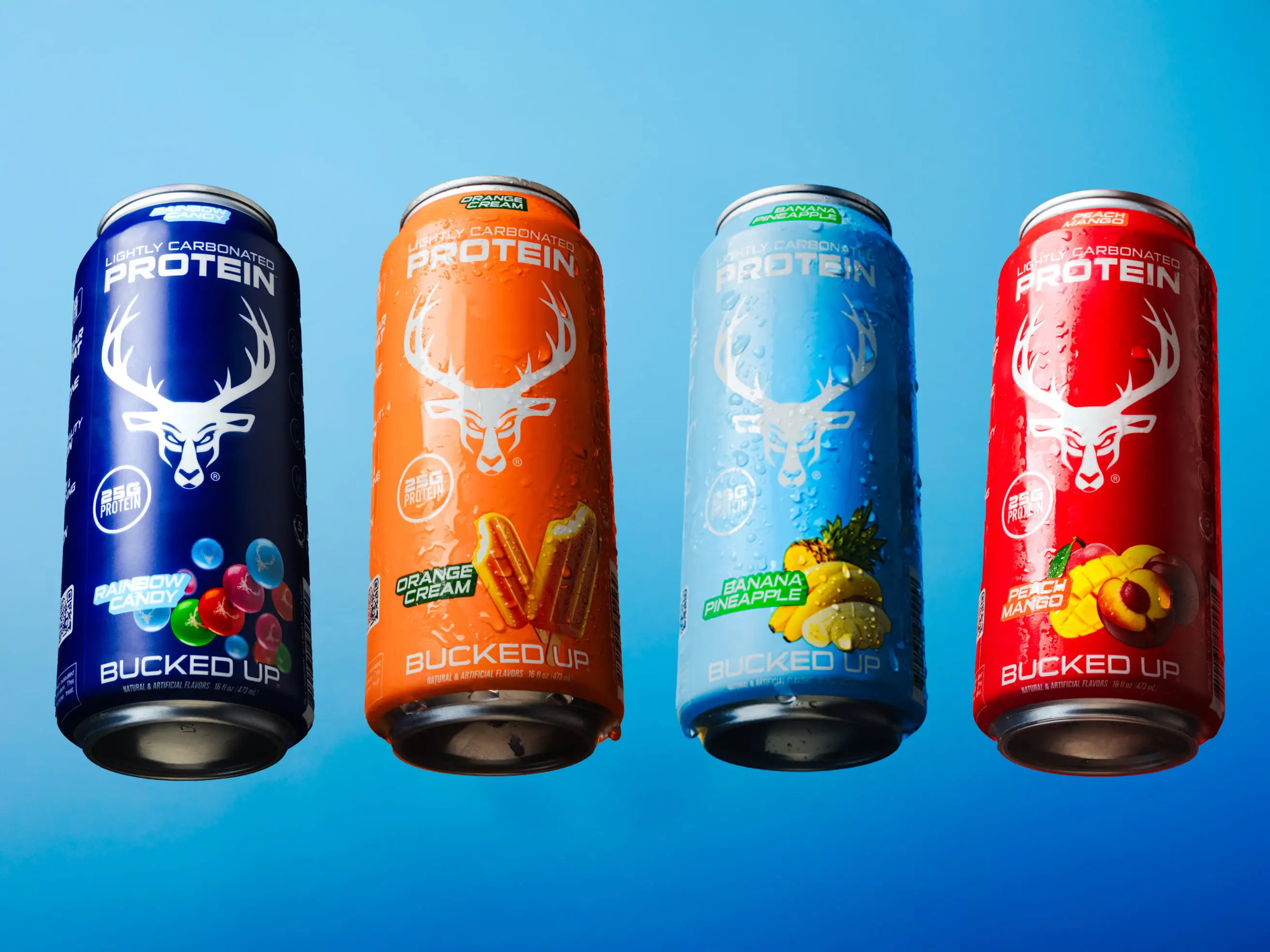
Bucked Up Protein Soda offers a lightly carbonated format with 25g of whey protein isolate in just 100 calories. This drink delivers an energy drink-like taste profile while keeping sugar and carbs at zero. The carbonation creates a refreshing experience that can address common complaints about chalky textures and heavy, milk-based formulas. Try this carbonated protein option to see how it fits your routine.
Fairlife Core Power delivers 42g of milk protein with 170 calories and a richer, milk-based consistency. This profile can work well for those wanting a creamier shake, though it may feel heavy for people seeking lighter options or GLP-1 users with sensitive stomachs.
Premier Protein offers 30g of whey concentrate protein per serving. Premier Protein uses whey protein concentrate, which digests more slowly than isolate and can cause issues for some lactose-sensitive individuals.
OWYN Dark Chocolate Protein Shake has 20g protein per serving in an allergen-free, vegan formula. One serving (355 grams) contains 180 calories, which suits some users as a snack or light meal replacement.
Muscle Milk provides 25g of milk protein with a creamy texture that many athletes enjoy. The Muscle Milk Light Vanilla Latte Ready-To-Drink Protein Nutrition Shake has 160 calories, and the thicker consistency can feel more filling than clear or carbonated options.
Isopure Clear has 20g protein per serving in a clear, fruit-flavored format that suits users who prefer juice-like drinks instead of dairy-style shakes.
These products can work for general fitness and recovery, yet some groups face extra challenges with protein.1 GLP-1 medication users often struggle with low appetite and nausea, so drink format, flavor, and heaviness matter even more for them.
GLP-1 Users & Weight Loss: Protecting Muscle on Ozempic, Wegovy, and Mounjaro
People using GLP-1 medications often find it hard to eat enough protein while losing weight quickly. Adults on GLP-1 medications consume an average of 53 grams of protein per day, which sits well below levels associated with better muscle preservation during weight loss.1
Bucked Up Protein Soda can stand out for GLP-1 users because of its light, carbonated format. The whey isolate content supplies a concentrated source of complete protein in a small, 100-calorie serving.1 Stanford nutrition director Oppezzo recommends 1.6 grams of protein per kilogram of adjusted body weight for clients actively losing weight on medications, to help reduce muscle loss risk.
The carbonated format offers several advantages over traditional shakes for GLP-1 users. The effervescence can feel soothing for mild stomach discomfort, and the lighter texture avoids the heaviness that may trigger nausea. The energy drink-like taste profile can also make protein intake more appealing when appetite is low.1
GLP-1 users often do well drinking protein between meals or using it as a meal replacement when solid food feels difficult. Support your weight loss while preserving muscle with this light, high-protein option.1
Choosing the right protein type also matters for GLP-1 users, vegans, and anyone focused on recovery.1 Different protein sources digest at different speeds and offer different textures, so matching the source to your needs can improve both comfort and results.
Dairy, Vegan, and Carbonated Protein: How They Compare
Whey Protein Isolate: Offers very fast digestion speed and rapid amino acid delivery to muscles, which supports post-workout recovery.1 It contains all essential amino acids and typically provides 90% or more protein content.
Whey Protein Concentrate: Contains more carbohydrates and fats than isolate and digests more slowly. It may cause digestive issues for lactose-sensitive individuals and usually provides less protein per serving.1
Plant-Based Proteins: High-quality plant-based blends like pea and rice can provide a complete amino acid profile comparable to whey. They often require larger serving sizes to match whey’s leucine content, which is key for muscle protein synthesis.1
Collagen Proteins: Are incomplete proteins that lack all nine essential amino acids and should not be used as the only protein source.
Carbonated Formats: Carbonated protein drinks provide a refreshing alternative to heavy, milk-based formulas. Clear proteins offer high solubility and stability at low pH levels, which suits transparent, fruity beverages including sparkling protein drinks.
How to Choose a Caffeine-Free High-Protein Drink
Start with taste and texture, because you will only stick with a drink you enjoy. Try products cold to reduce any aftertaste and get a realistic sense of flavor. Once you find options you like, look for whey isolate over concentrate for faster absorption and better digestibility, especially if you are lactose sensitive or focused on post-workout recovery.1
Next, match the drink to your calorie needs and daily protein target. Federal guidelines recommend 1.2 to 1.6 grams of protein per kilogram of body weight daily for adults, with the higher end often used for active people and those managing weight loss, including GLP-1 users discussed above.
Then consider convenience. Ready-to-drink cans or bottles work well for busy schedules or for anyone dealing with appetite suppression from medications. These RTD options remove mixing steps and can improve consistency compared with powders.
Finally, address specific concerns. Keto-friendly choices should contain zero carbs like Bucked Up Protein Soda. Daily use generally stays safe when you remain within recommended protein ranges, and many people find carbonated formats feel lighter and less filling than traditional milk-based shakes.
Buying Guide: Price, Access, and Where to Find These Drinks
Caffeine-free high-protein drinks usually cost between $2 and $4 per can or bottle, with bulk purchases often lowering the price per serving. Most options appear on major retail platforms such as Amazon and Target, as well as specialty nutrition stores, and many brands also sell through direct-to-consumer subscriptions.
For a carbonated, zero-sugar option with whey isolate, consider starting with Bucked Up Protein Soda. Explore this carbonated protein soda to see how a lighter format compares to your usual shake.
FAQ Section
What protein drinks have no caffeine?
Most traditional protein shakes and ready-to-drink protein beverages are naturally caffeine-free. That list includes Bucked Up Protein Soda, Premier Protein, Fairlife Core Power, and Muscle Milk. These products focus on protein delivery instead of stimulation, so you can drink them any time of day, including evenings.
What are good protein drinks for preventing muscle loss on GLP-1 medications?
Whey protein isolate-based drinks like Bucked Up Protein Soda can work well for GLP-1 users because they absorb quickly and feel light.1 The key is consistent intake of roughly 20–25g protein servings throughout the day so your total daily protein aligns with higher targets recommended for people losing weight on these medications.
What is the difference between whey isolate and whey concentrate?
Whey protein isolate goes through more processing to remove lactose, fats, and carbohydrates, which results in 90% or higher protein content and faster absorption.1 Whey concentrate contains more carbohydrates and fats, and the most common commercial versions are WPC34 with 34–36% protein and WPC80 with 80–82% protein on a dry basis. Isolate is often better tolerated by lactose-sensitive individuals and is frequently chosen for post-workout recovery.1
Is it safe to drink high-protein beverages daily?
Daily high-protein beverages are generally safe for healthy adults when they fit into a balanced diet. Many adults can safely consume 1.2–1.6 grams of protein per kilogram of body weight each day, with active individuals sometimes needing more. People with kidney concerns or specific medical conditions should consult a healthcare provider.
Does carbonation affect protein absorption?
Carbonation does not reduce protein absorption. The acidic environment from carbonation can improve protein solubility, which may support digestibility.1 The light, effervescent format can also reduce feelings of heaviness compared with thick, milk-based shakes, making it easier for some people to reach their protein goals.
Conclusion
Bucked Up Protein Soda can stand out in the caffeine-free high-protein drink space with its carbonated format, whey isolate content, and soda-like taste. It addresses common complaints about heavy, chalky shakes while still supporting athletes, busy professionals, and GLP-1 users.1 Experience this carbonated protein drink and see how it fits your daily protein plan.
1 The content provided in this article is for informational purposes only and is not medical advice. Consult with a medical professional before implementing any changes to your diet, health, or exercise routines.
Individual results will vary and are based on a combination of each individual’s diet, exercise, age, and health circumstances.
These statements have not been evaluated by the Food and Drug Administration. This product is not intended to diagnose, treat, cure or prevent any disease.
This article was written by Ryan Gardner, CEO of Bucked Up. As the maker of Bucked Up Protein Soda, we have a financial interest in this information. The views expressed are our own and should be read with that context in mind.