Last updated: April 22, 2026
Key Takeaways
- Whey protein isolate absorbs in about 1 hour, while concentrate can take 1 to 3 hours, which supports post-workout muscle protein synthesis.1
- Athletes often target 1.6 to 2.2g of protein per pound of body weight daily and aim for 20 to 40g within 30 minutes after exercise.
- Caffeine-free ready-to-drink (RTD) proteins work well for evening workouts, stimulant-sensitive users, and GLP-1 medication users who want to preserve muscle during calorie deficits.1
- Bucked Up Protein Soda provides 25g of whey isolate, zero sugar, low calories, and a carbonated, refreshing texture instead of a heavy shake.
- Bucked Up Protein Soda can support convenient, digestible recovery, so you can explore the flavors and align your intake with your protein goals.1
Why Caffeine-Free RTD Protein Supports Muscle Recovery
Whey protein isolate shows faster absorption than concentrate forms, with isolate absorbing within about 1 hour and concentrate requiring 1 to 3 hours.1 This rapid absorption advantage, highlighted earlier, supports post-workout muscle protein synthesis.1 Whey protein isolate can spike blood amino acid levels within 15 to 60 minutes, which aligns well with the post-exercise anabolic response window.1
Caffeine-free formulations serve several groups with specific needs. Evening workout enthusiasts can take in protein close to bedtime without risking sleep disruption from stimulants. This same flexibility helps people who are sensitive to caffeine, since they can drink protein throughout the day without jitters or anxiety. For GLP-1 users managing appetite suppression, higher protein intakes, such as more than 2.0g per pound daily, can help preserve lean body mass during caloric deficits.1 Ready-to-drink options also remove preparation steps when chewing and digesting solid food feels difficult.
These benefits set the stage for caffeine-free RTD proteins that combine fast-absorbing isolates, manageable calories, and easy textures. The following nine products reflect these priorities and show how different formulations can fit specific recovery goals.
The 9 Best Caffeine-Free Protein Drinks for Muscle Recovery 2026
These nine caffeine-free protein drinks were selected based on protein type, absorption speed, calorie and sugar content, and overall drinking experience. Together, they cover a range of formats, from traditional creamy shakes to lighter, carbonated options, so you can match your choice to your training schedule and digestion preferences.
1. Bucked Up Protein Soda
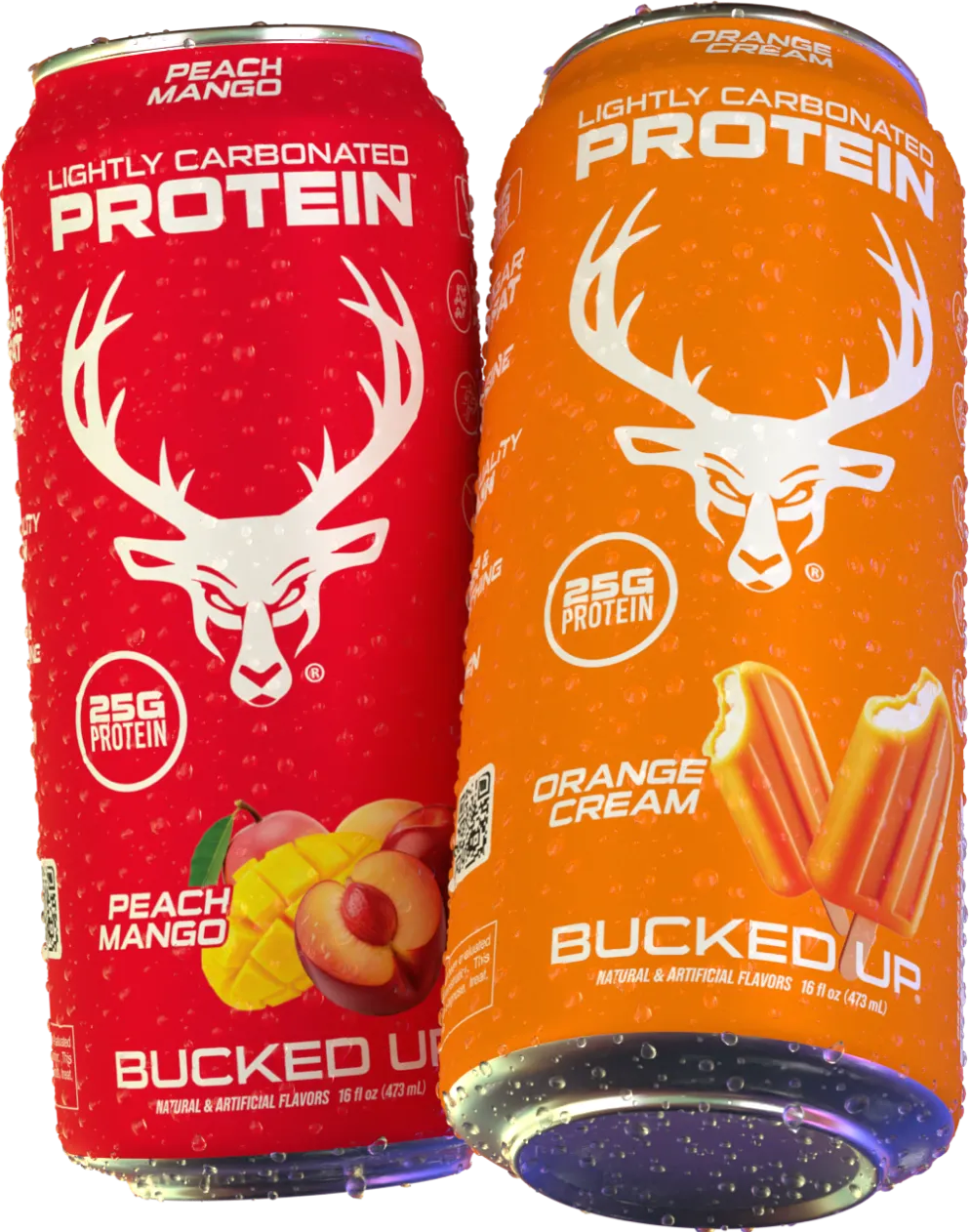
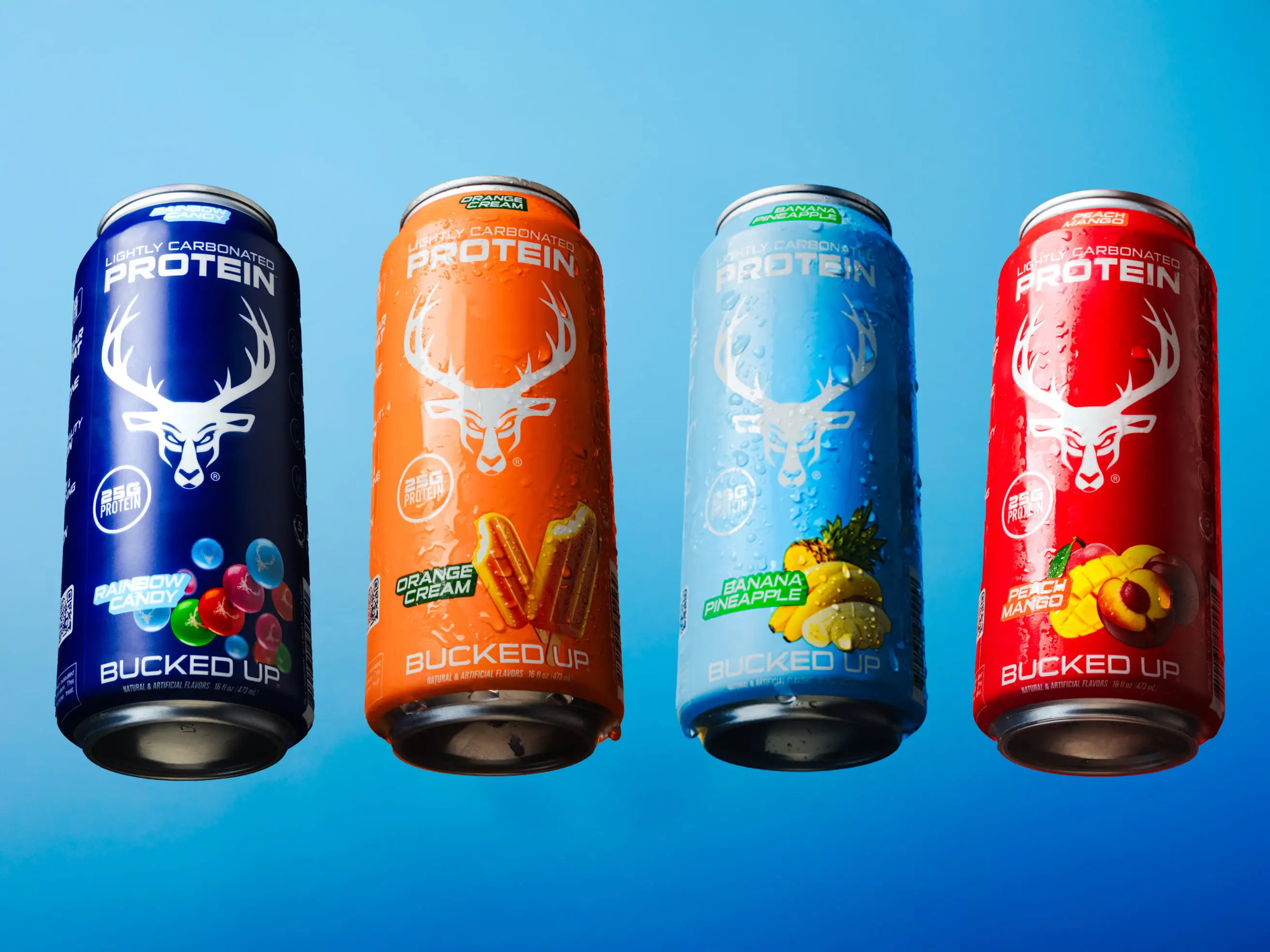
Bucked Up Protein Soda delivers 25g of whey protein isolate in a carbonated format with 100 calories, zero sugar, and zero carbohydrates according to the product label. The lightly effervescent texture can reduce the heavy, milky mouthfeel that some traditional protein drinks create. This caffeine-free drink uses 100% whey protein isolate as listed on the product label, which may support faster digestion than concentrate blends.1 The energy drink-style flavor profile can make regular protein intake feel more like a soft drink than a shake. Try this carbonated protein option, or pick it up on Amazon.
2. Fairlife Core Power
Fairlife Core Power provides 26 to 42g of protein in a 14-ounce bottle with 140 to 230 calories, depending on the variant (product label). Milk protein concentrate can digest more slowly than whey isolate forms (source).1 The creamy texture feels similar to traditional milk-based shakes.
3. Premier Protein
Premier Protein offers 30g of protein from a whey blend in an 11-ounce bottle that contains 160 calories (product label). The wide flavor range and broad retail availability make it easy to find. The blend formulation can take longer to digest than pure isolates (source).1
4. OWYN (Only What You Need)
OWYN provides 20g of plant-based protein from pea, pumpkin seed, and flax in a 12-ounce bottle with 180 calories. The vegan formulation supports plant-focused athletes who avoid dairy. However, plant proteins often require about 10% higher intake to match animal protein effectiveness because of their amino acid profiles.1
5. Muscle Milk
Muscle Milk Intense Vanilla Non Dairy Protein Shake provides 25g of protein per 11 OZA (330g) serving with 158 calories (nutrition facts). The thick, creamy consistency suits people who enjoy a shake-like experience. The casein component can slow overall absorption compared with whey isolate options (source).1
6. Orgain Organic Protein
Orgain Organic Protein™ Protein Powder offers 21g of organic plant protein from pea, brown rice, and chia, with 150 calories per 2-scoop (46g) serving (nutrition facts). The ingredient list focuses on organic, plant-based sources, which appeals to health-conscious users. The lower protein per serving means larger athletes may need more than one serving to reach post-workout targets.
7. Garden of Life Sport
Garden of Life SPORT Certified Grass Fed Whey contains 24g of grass-fed whey protein per serving. Garden of Life Sport powders come in sizes such as 15.3 oz (432g), 8.1 oz (231g), and 15.7 oz (446g) (product page). The organic and grass-fed positioning appeals to users who prioritize sourcing and quality certifications.
8. Core Power Elite
Core Power Elite provides 42g of protein per 14-ounce bottle with 230 calories (product label). The higher protein content suits athletes with elevated daily requirements. The higher calorie count may not fit every weight management plan, so portion timing matters.
9. Iconic Protein
Iconic Protein provides 20g of grass-fed milk protein isolate per bottle (product information). The formulation offers solid absorption characteristics and a straightforward ingredient profile.
With these options in mind, the next section outlines key criteria that can help you match a caffeine-free protein drink to your training, digestion, and body composition goals.
Buyer Guide: Choosing a Caffeine-Free Protein for Recovery
Start by prioritizing whey protein isolate over concentrate when fast absorption matters. Isolate supports faster digestion because of its higher protein purity and lower fat and carbohydrate content.1 Aim for products that provide at least 20g of protein per serving to support post-workout muscle protein synthesis.1 This protein level becomes more effective when the drink stays under about 150 calories per serving, which supports body composition and weight management goals while still delivering meaningful protein.1
Zero sugar formulations can help people following ketogenic approaches or managing blood glucose levels.1 Light, refreshing textures often encourage consistent use, especially for those who dislike thick, milky shakes. Time your protein intake within about 30 minutes after exercise, and consider pairing it with carbohydrates if you are an endurance athlete who needs to replenish glycogen along with muscle repair.
GLP-1 Users and Other Special Recovery Needs
GLP-1 medication users often face appetite suppression that makes it harder to eat enough protein from solid food. As people eat less food, especially those on GLP-1s, protein becomes critically important for maintaining muscle mass.1 Liquid protein sources can feel easier to consume and digest when large meals are no longer appealing.
Bucked Up Protein Soda can support these needs with a low-calorie, highly drinkable format that tends to avoid a heavy, creamy feel.1 The whey protein isolate base supports efficient absorption, which can help when digestive capacity feels limited.1 Meeting the elevated protein targets discussed earlier becomes more manageable when a single can delivers 25g of protein in a light, soda-like drink.1 Try the protein soda that fits into a GLP-1-focused routine and supports modern dietary challenges.
Frequently Asked Questions
Are there protein shakes without caffeine?
Many protein shakes and powders come without caffeine. The nine products above highlight caffeine-free RTD options for 2026, ranging from traditional milk-based shakes to newer carbonated formats. Caffeine-free formulations allow flexible timing throughout the day, including evenings, without concerns about sleep disruption.
What is a good caffeine-free protein drink for post-workout recovery?
Whey protein isolate drinks such as Bucked Up Protein Soda can support post-workout recovery because of their rapid absorption characteristics (source) and lighter, carbonated format.1 Zero sugar and low calorie profiles can align with a range of dietary approaches while still delivering 25g of protein per can (product label). A light texture can also reduce the chance of post-exercise digestive discomfort.
How does whey protein isolate compare to concentrate for recovery?
Whey protein isolate generally absorbs faster than concentrate, with isolate often requiring about 1 hour and concentrate taking 1 to 3 hours for digestion.1 Isolate usually contains 90% or more protein with minimal fats and carbohydrates, while concentrate often contains 70 to 80% protein with more fat and lactose. This profile makes isolate a strong option when you want to support immediate post-workout muscle protein synthesis.1
Is daily protein drink consumption safe for GLP-1 users?
Daily protein drink consumption is generally considered safe and can be helpful for GLP-1 users who struggle to meet protein needs with solid food. These users often eat less overall, so liquid protein sources can play a role in muscle preservation.1 Healthcare providers should still guide individual intake and timing when GLP-1 medications are part of the plan.
Does Bucked Up Protein Soda taste like traditional protein shakes?
Bucked Up Protein Soda offers a different experience than many traditional protein shakes (product label). The carbonated format creates a light, refreshing taste that feels closer to an energy drink, while avoiding the thick, milky mouthfeel that some conventional protein beverages have.
1 The content provided in this article is for informational purposes only and is not medical advice. Consult with a medical professional before implementing any changes to your diet, health, or exercise routines.
Individual results will vary and are based on a combination of each individual’s diet, exercise, age, and health circumstances.
These statements have not been evaluated by the Food and Drug Administration. This product is not intended to diagnose, treat, cure or prevent any disease.
This article was written by Ryan Gardner, CEO of Bucked Up. As the maker of Bucked Up Protein Soda, we have a financial interest in this information. The views expressed are our own and should be read with that context in mind.