Last updated: April 22, 2026
Key Takeaways for Post-Workout Drinks
- Post-workout recovery drinks with 20-30g fast-absorbing protein within 30 minutes support muscle repair and glycogen replenishment.1
- Whey protein isolate absorbs faster than concentrate, which makes it useful during the early recovery window and easier on digestion for many people.1
- Chocolate milk offers a 3:1-4:1 carb-to-protein ratio that supports glycogen restoration, though it comes with more calories.1
- Options like tart cherry juice and beetroot juice may reduce inflammation but lack enough protein for complete recovery on their own.1
- Bucked Up Protein Soda provides 25g whey isolate in a refreshing, zero-sugar format that can make recovery feel more enjoyable.1
7 Drinks for Faster Muscle Recovery After Workouts
1. Bucked Up Protein Soda: Light, Carbonated Protein After Training
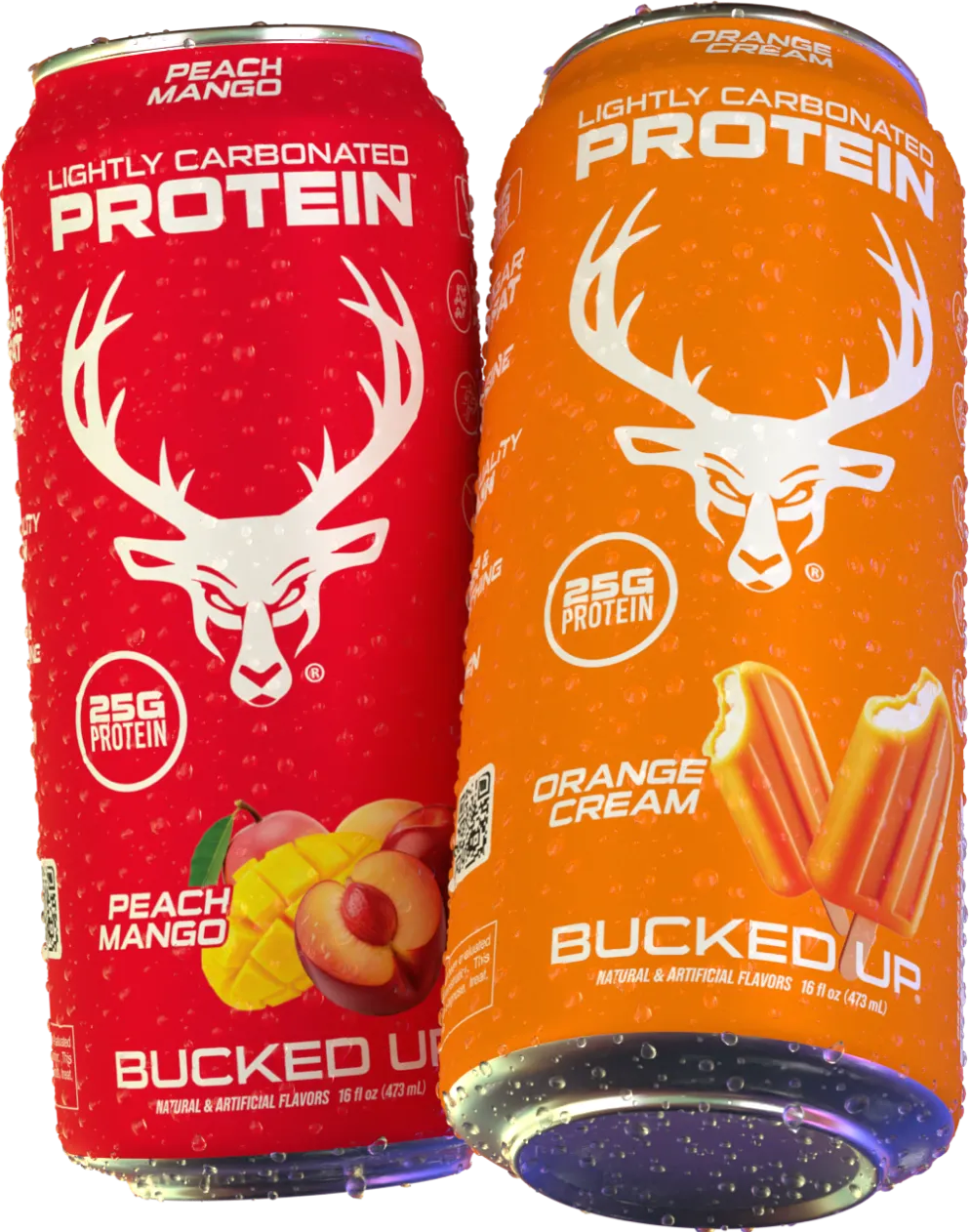
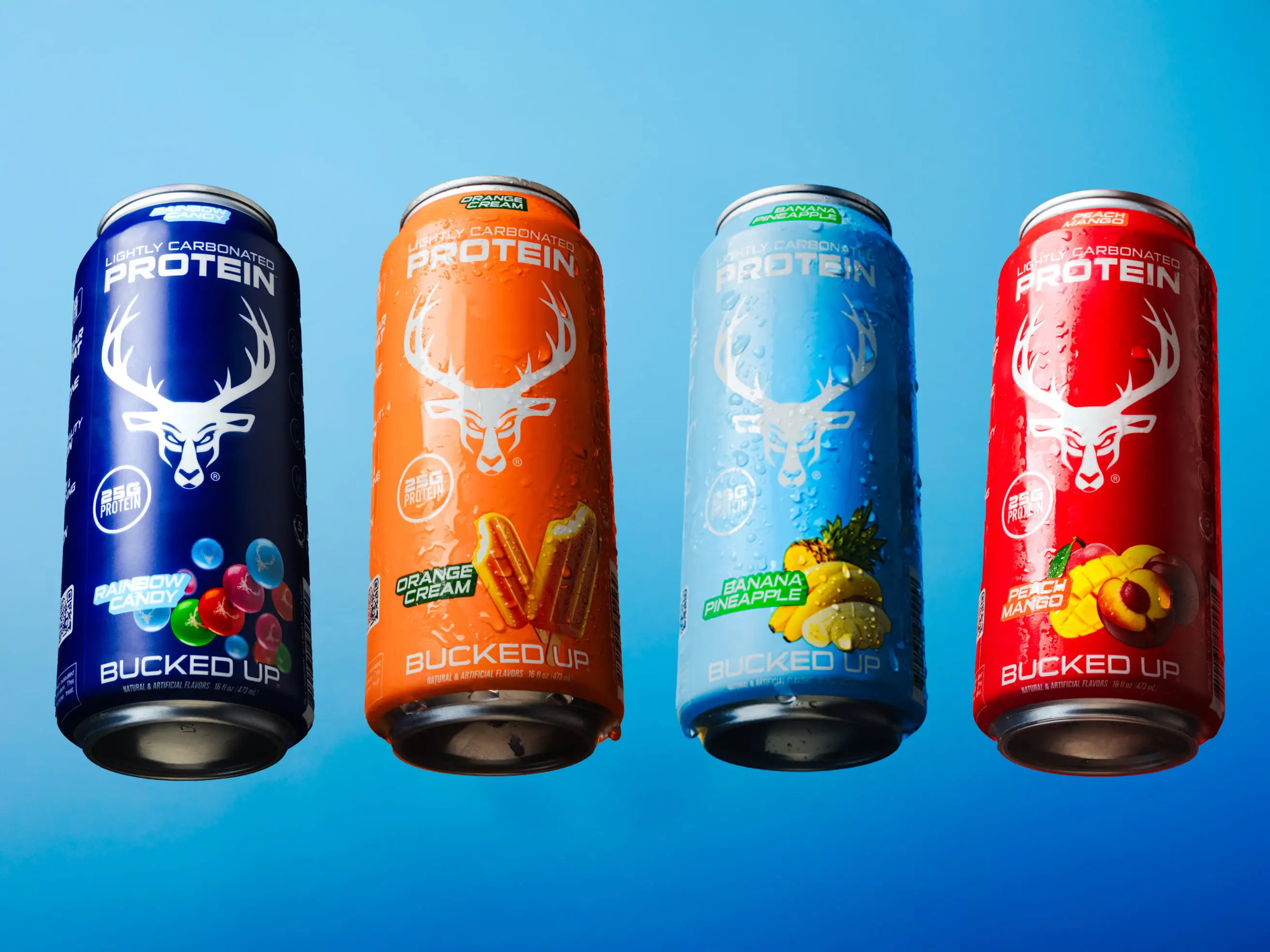
Bucked Up Protein Soda delivers 25 grams of 100% whey protein isolate in a lightly carbonated, caffeine-free drink that tastes similar to an energy drink without the chalky residue of traditional protein shakes. Whey protein isolate can typically pass through the digestive system within about one and a half hours (or 8-10 grams per hour), compared to up to two to three hours for whey concentrate, which supports muscle recovery soon after your workout.1
Each can contains only 100 calories with zero sugar and zero carbs, so it fits many weight-management and ketogenic approaches. Whey protein isolate contains 90% or more pure protein by weight, so this lean profile still delivers a high concentration of protein that your body can absorb quickly after training.1
Customer feedback reflects this experience: “The protein sodas far exceeded my expectations. They taste similar to an energy drink and don’t have any weird aftertaste like some other clear whey protein drinks do.” Another user shared, “I was shocked at how clean and refreshing it tasted while still packing a serious 25g of protein.”
Try Bucked Up Protein Soda and see how a carbonated protein drink can fit into your recovery routine.
2. Chocolate Milk for Carbs and Protein Together
Chocolate milk offers a convenient mix of carbohydrates and protein for post-workout recovery. An 8-ounce serving contains an ideal 3:1 to 4:1 carbohydrate-to-protein ratio, which supports muscle repair and replenishes glycogen stores after workouts.1
The International Society of Sports Nutrition recommends this 3:1 to 4:1 ratio within 30 minutes after an endurance workout to efficiently replenish glycogen stores. The combination of fast-absorbing whey and slow-digesting casein proteins in milk also provides more sustained support for muscle repair.1
Chocolate milk does come with a higher calorie load and a dairy base, which may not work well for every digestive system or nutrition plan, especially for people who want lower-calorie or lower-sugar options.
3. Tart Cherry Juice for Soreness and Inflammation
Tart cherry juice supplies anthocyanins and polyphenols that may help reduce exercise-induced muscle damage and inflammation.1 In a 2011 study by Bowtell et al., 10 well-trained male athletes consumed 30 mL of Montmorency tart cherry juice concentrate daily for 7 days before intensive exercise and showed significantly faster recovery of maximum voluntary isometric contractions.
A 2010 study by Howatson et al. found that 10 marathon runners consuming tart cherry juice daily experienced faster recovery of muscle function, reduced inflammation, and decreased oxidative stress compared to placebo.
More recent research shows mixed outcomes. A 2026 randomized, double-blind, placebo-controlled study by Hagele et al. reported that powdered tart cherry supplementation did not significantly reduce post-exercise muscle soreness or improve performance metrics compared to placebo in 40 recreationally active young adults. Tart cherry juice can still play a role in a recovery plan, but it does not supply meaningful protein.
4. Whey Protein Shakes for Classic Recovery Support
Traditional whey protein shakes remain a common choice for post-workout recovery and usually provide 20-30 grams of protein per serving. This amount supports muscle repair and growth when you drink it soon after exercise.1
Many commercial shakes rely on whey concentrate rather than isolate, which can slow absorption and may cause digestive issues for people sensitive to lactose. Whey protein concentrate contains 25% to 89.9% protein along with lactose, fats, and carbohydrates, which contributes to slower digestion compared to whey isolate.
The thick, creamy texture and chalky aftertaste of some shakes can make daily use difficult, especially for people who prefer lighter, more refreshing post-workout drinks.
5. Coconut Water for Hydration and Electrolytes
Coconut water helps restore fluid balance after exercise by providing natural electrolytes such as potassium, sodium, and magnesium. Its relatively low sugar content and simple ingredient list make it a lighter option than many traditional sports drinks.
Coconut water focuses on rehydration and electrolyte replacement rather than muscle repair. Most varieties contain less than 2 grams of protein per serving, so you still need a separate protein source to cover post-workout protein needs.
For more complete recovery, coconut water works well alongside a protein drink or protein-rich snack as part of your overall post-workout plan.
6. Beetroot Juice for Nitrates and Endurance
Beetroot juice supplies dietary nitrates that may support exercise performance and recovery.1 A review by Jones (2014) found that dietary nitrate supplementation from beet juice improves exercise endurance in athletes.
A typical 250 mL serving provides these nitrates, though the earthy flavor and possible digestive effects can limit how often some people want to drink it. Similar to coconut water, beetroot juice does not provide enough protein for full post-workout recovery, so it works better as a performance or circulation support drink alongside a protein source.
7. Electrolyte Drinks for Fluid and Mineral Balance
Electrolyte drinks help replace minerals lost through sweat during exercise. Products like Nuun tablets or Liquid IV provide sodium, potassium, and other key minerals without large amounts of calories or sugar.
These drinks support hydration and proper muscle function but usually contain little or no protein. For muscle recovery, electrolyte drinks pair best with a protein-rich option such as whey isolate, protein soda, or a protein-focused snack.
The convenient formats and wide range of flavors make electrolyte drinks easy to use during and after workouts, though they cover only the hydration side of a complete recovery strategy.
Protein Timing and What to Prioritize in a Recovery Drink
Effective post-workout recovery usually includes 20-30 grams of high-quality protein within about 30 minutes after exercise. Whey protein isolate contains about 90% protein compared to roughly 75-80% in regular whey concentrate, which means more protein per serving and fewer extra carbs and fats.1
When you choose a recovery drink, look for a complete amino acid profile, straightforward ingredients, and a taste and texture you will actually enjoy often. Find your favorite Bucked Up Protein Soda flavor and make that early post-workout window something you look forward to instead of a chore.
Frequently Asked Questions
What should you drink after a workout for muscle recovery?
Post-workout drinks that combine fast-absorbing protein with supportive nutrients tend to work well. Bucked Up Protein Soda delivers 25 grams of whey protein isolate in a refreshing, carbonated format that many people find easier to drink than heavy shakes. Chocolate milk, tart cherry juice, and electrolyte drinks can also support different parts of recovery, such as glycogen replenishment, inflammation, and hydration.
What is a good recovery drink after a workout?
A good recovery drink matches your goals and preferences. For straightforward protein intake, whey protein isolate products provide fast absorption and a high protein percentage. For glycogen replenishment, chocolate milk offers a helpful carbohydrate-to-protein ratio. Bucked Up Protein Soda combines rapid protein delivery with a light, soda-like experience that can encourage consistent use after training.
What helps muscles recover faster?
Faster muscle recovery depends on enough protein intake, usually 20-30 grams per serving, along with proper hydration, electrolyte replacement, and anti-inflammatory support from foods or drinks. Timing also plays a role, since protein consumed within about 30 minutes after exercise can support muscle protein synthesis. Quality sleep, active recovery, and steady nutrition habits across the week further improve recovery.
How do whey isolate and concentrate compare for recovery?
Whey protein isolate supports post-workout recovery with a higher protein concentration, often around 85-90%, and a faster absorption rate than concentrate.1 It goes through additional filtration that removes more fats and carbohydrates and reduces lactose content, which can mean easier digestion for people who are sensitive to dairy components.
Is Bucked Up Protein Soda keto-friendly?
Yes, Bucked Up Protein Soda is keto-friendly with zero carbohydrates and zero sugar per serving. Each can provides 25 grams of protein in just 100 calories, which fits ketogenic diets, low-carb approaches, and any plan that prioritizes protein while keeping carbs low.
Your Top Pick for Effortless Recovery
Many drinks can support post-workout recovery, and Bucked Up Protein Soda offers a distinct mix of rapid protein absorption, light taste, and grab-and-go convenience that can make consistent recovery easier. Its whey protein isolate content in a carbonated format helps you cover your protein needs without the heaviness or chalky texture of many traditional shakes.1
Get your first case of Bucked Up Protein Soda and turn post-workout recovery into a part of training you actually enjoy.
1 The content provided in this article is for informational purposes only and is not medical advice. Consult with a medical professional before implementing any changes to your diet, health, or exercise routines.
Individual results will vary and are based on a combination of each individual’s diet, exercise, age, and health circumstances.
These statements have not been evaluated by the Food and Drug Administration. This product is not intended to diagnose, treat, cure or prevent any disease.
This article was written by Ryan Gardner, CEO of Bucked Up. As the maker of Bucked Up Protein Soda, we have a financial interest in this information. The views expressed are our own and should be read with that context in mind.