Last updated: April 22, 2026
Key Takeaways for Protecting Muscle as You Age
- Sarcopenia affects 18.8% of adults over 60 and accelerates muscle loss without roughly 1.2-1.5g protein per lb of body weight daily.
- Seniors benefit from 25-30g of high-quality protein per meal to reach the 2.5-3g leucine threshold that turns on muscle protein synthesis.
- Whey protein isolate digests easily for many people, with helpful options like soft eggs, Greek yogurt, and canned fish rounding out daily intake.
- Liquid, carbonated proteins such as whey isolate can support absorption for seniors and GLP-1 users who struggle with appetite.1
- Try this carbonated protein solution for 25g whey isolate in a refreshing, zero-sugar format that helps you push back against sarcopenia.1
How Much Protein Seniors Need to Help Prevent Sarcopenia
Adults over 70 require significantly more protein than younger individuals because of anabolic resistance, which is the body’s reduced ability to build muscle from dietary protein. Research indicates seniors need 1.2-1.5g of protein per lb of body weight daily, compared to 0.8g/lb for younger adults. For a 150-pound adult, this equals about 82-102g of protein per day.
The main goal is reaching the leucine threshold of 2.5-3g per meal to trigger muscle protein synthesis. Hitting that target usually takes 25-30g of high-quality protein at each meal. Spreading this amount across the day works better than trying to eat one very large serving.
Fast-digesting proteins like whey isolate can help many seniors because they are absorbed quickly and contain minimal lactose.1 Whey protein isolate provides high leucine content while being easier to digest than several other protein sources, which can help people with sensitive stomachs or low appetite.1
Protein preservation becomes even more critical for individuals using GLP-1 medications. Research shows 25-40% of weight loss from GLP-1 medications comes from lean muscle mass. Adequate protein intake helps support strength and function while weight comes down.1
Top 5 Protein Sources That Are Gentle on Digestion
Given these higher protein needs and the importance of reaching the leucine threshold at each meal, the following sources are chosen for digestibility, absorption speed, and leucine content. These factors matter for seniors working to slow muscle loss.
1. Whey Protein Isolate
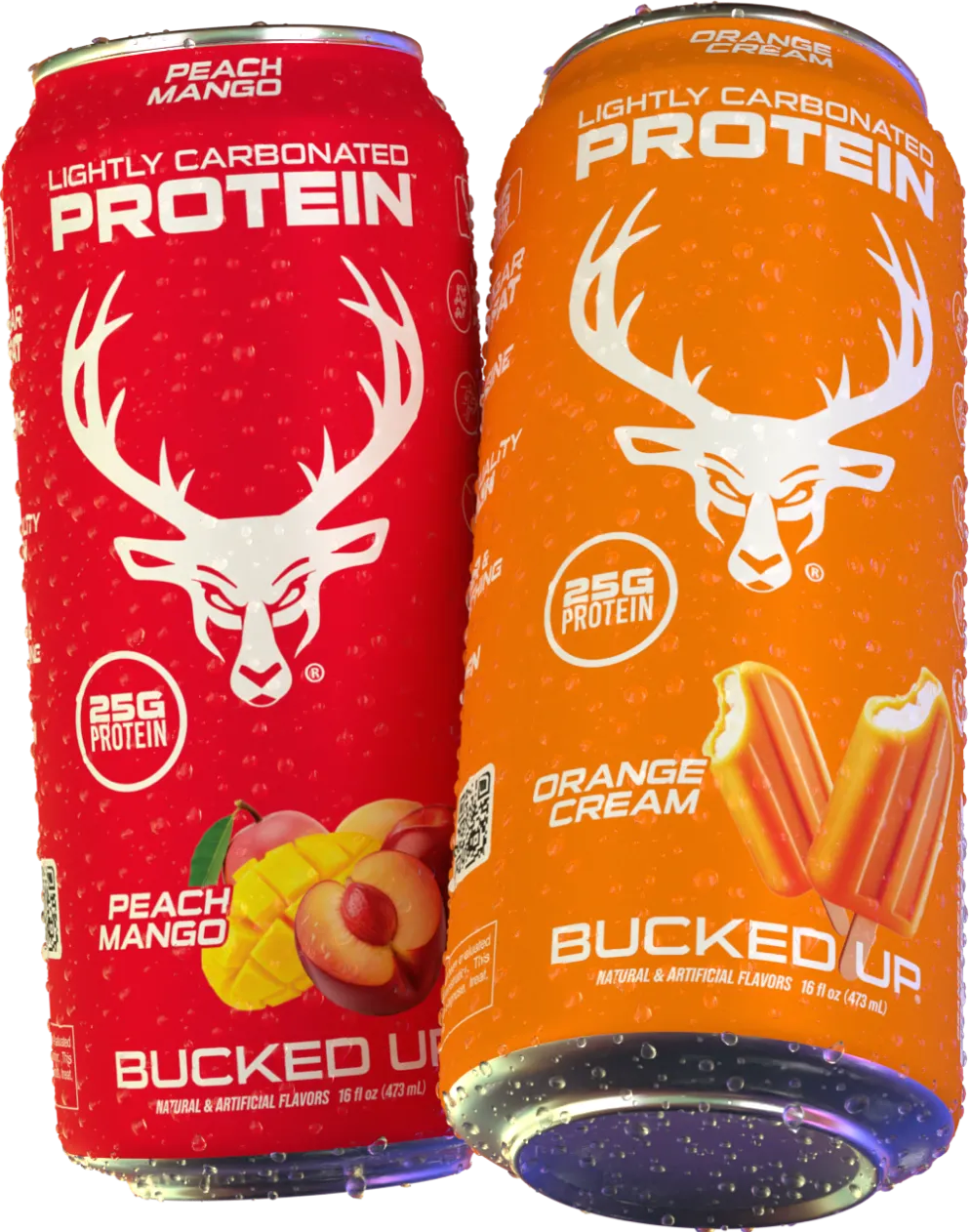
Whey isolate typically delivers about 25g of protein per serving with high leucine content and absorbs within 30-60 minutes.1 Unlike whey concentrate, isolate goes through extra processing that removes most lactose and fat, which can feel easier on sensitive digestive systems. Bucked Up Protein Soda supplies a full 25g serving of whey isolate in a refreshing, carbonated format that is simple to sip throughout the day.

2. Soft-Cooked Eggs
Three large eggs provide approximately 18.9g of complete protein with excellent digestibility. Soft-boiled or scrambled eggs slide down easily and are often comfortable to digest, which helps seniors who have chewing challenges or low appetite.
3. Greek Yogurt (Strained)
One cup of plain Greek yogurt offers about 20g of protein along with probiotics that support digestive health. The straining process removes extra whey and concentrates the protein while keeping a smooth, creamy texture that many people tolerate well.
4. Canned Fish
Canned tuna or salmon provides roughly 25g of protein per 3.5-ounce serving. The soft texture needs minimal chewing, and the omega-3 fatty acids support overall health. Choosing varieties packed in water helps keep sodium and added fats lower.
5. Hydrolyzed Collagen Blends
Collagen peptides dissolve quickly in liquids and can support joint health, but they are incomplete proteins with lower leucine content than whey. They work best as a supportive add-on rather than the main protein source for muscle building.
| Protein Source | Protein per Serving | Digestion Time | Leucine Content |
|---|---|---|---|
| Whey Isolate (Bucked Up) | 25g per bottle | 30-60 minutes | High |
| Eggs (3 large) | 18.9g | 1-2 hours | 1.6g |
| Greek Yogurt (1 cup) | 20g | 1-2 hours | 1.8g |
| Canned Tuna (3.5 oz) | 25g | 2-3 hours | 2.0g |
| Collagen Peptides | 10-20g | 30 minutes | 0.6g |
Making Protein Easier to Digest for Older Adults
Digestive efficiency naturally declines with age, so protein selection and preparation strongly influence how much your body can absorb. This decline means large protein servings can overwhelm the system. Smaller, more frequent meals often feel better and support steadier absorption.
Within those smaller meals, liquid proteins can outperform solid sources for many seniors. Whey protein isolate is easier for seniors to digest and absorb than several other protein sources, especially when taken in liquid form.1 Carbonated formats may further support digestion by gently stimulating gastric motility.1
When choosing a liquid protein, select isolate over concentrate whenever possible. Whey isolate passes through additional filtration that removes more lactose, fat, and other compounds that can trigger digestive discomfort. This process creates a purer protein that many sensitive stomachs tolerate better while still offering high biological value.
Timing also affects absorption. Protein supplements appear most effective for older adults when taken with a meal rather than between meals. Pairing protein with food supports digestion and helps the body use those amino acids more efficiently.
| Protein Type | Lactose Content | Processing Level | Digestive Comfort |
|---|---|---|---|
| Whey Isolate | 0.5-1.0% (minimal) | Highly processed | Excellent |
| Whey Concentrate | Moderate | Lightly processed | Good |
| Collagen Peptides | None | Hydrolyzed | Excellent |
How Bucked Up Protein Soda Fits Senior Protein Needs
Bucked Up Protein Soda is designed to address several common challenges seniors face with traditional protein supplements. Thick, milky shakes can feel heavy and may cause bloating for some people. In contrast, this carbonated beverage delivers 25g of whey protein isolate per serving in just 100 calories with zero sugar and zero carbs.
The carbonated format offers specific advantages for seniors and GLP-1 users. The light, fizzy texture makes it easy to sip slowly across the day instead of finishing a heavy shake at once. Many users describe an energy drink-like taste without a chalky aftertaste, which can make daily protein intake feel more enjoyable and sustainable.
For individuals dealing with reduced appetite from GLP-1 medications, Bucked Up can be a practical option. Choosing easy-to-digest foods like smoothies and liquid proteins is often gentler on the stomach during GLP-1 side effects. The rapid absorption of whey isolate helps muscle-building amino acids reach the bloodstream quickly, which supports muscle preservation while weight comes down.1
The caffeine-free formula suits any time of day, including evening servings for those spreading protein across multiple meals. Production in GMP-certified facilities in the USA supports consistent quality and safety standards.
Experience carbonated protein delivery and see how it can fit into your daily routine.
3-Day Sample Meal Plan to Reach Senior Protein Targets
This sample plan shows one way to reach about 82g of daily protein, which suits a 150-pound adult at the lower end of the recommended range. It relies on easily digested sources and places Bucked Up Protein Soda where it adds convenience and supports absorption.
| Day/Meal | Food Combination | Total Protein | Timing Notes |
|---|---|---|---|
| Day 1 Breakfast | 2 scrambled eggs + Bucked Up Protein Soda | 38g | Within 1 hour of waking |
| Day 1 Lunch | 1 cup Greek yogurt + berries | 20g | Mid-day |
| Day 1 Dinner | 3.5 oz canned salmon + vegetables | 25g | Early evening |
| Day 2 Breakfast | Bucked Up Protein Soda + 1 slice toast | 25g | Post-exercise if applicable |
| Day 2 Lunch | 3-egg omelet with cheese | 24g | Mid-day |
| Day 2 Dinner | 1 cup cottage cheese + fruit | 28g | Light evening meal |
| Day 3 Breakfast | Greek yogurt parfait | 20g | Within 1 hour of waking |
| Day 3 Lunch | Bucked Up Protein Soda + small salad | 25g | Convenient midday option |
| Day 3 Dinner | 4 oz grilled chicken breast | 32g | Early evening |
This flexible structure allows easy swaps based on appetite, taste, and schedule. The varied placement of Bucked Up Protein Soda across meals highlights its versatility as both a standalone protein source and a complement to food.
Frequently Asked Questions About Protein, Aging, and Soda
What protein type works well for sarcopenia?
Whey protein isolate can be a strong option for sarcopenia prevention because it offers a complete amino acid profile, high leucine content, and rapid absorption.1 Products like Bucked Up Protein Soda provide this complete protein dose in an easily digestible drink that suits many seniors with reduced appetite or digestive sensitivities. The quick uptake helps amino acids reach muscles fast enough to support protein synthesis.1
How much protein do I need daily for sarcopenia prevention?
As noted earlier, adults over 70 often benefit from 1.2-1.5g of protein per lb of body weight daily, which is that 82-102g range for a 150-pound adult. Aim to spread this across three meals of about 25-30g each. Each meal should contain enough protein to reach the 2.5-3g leucine threshold that helps trigger muscle protein synthesis and slow age-related muscle loss.
Can protein soda help with sarcopenia?
Protein soda can support sarcopenia management when it contains high-quality whey protein isolate.1 The carbonated, liquid format often digests more comfortably than solid proteins, which can help seniors with low appetite or chewing difficulties. Rapid absorption of whey isolate supports efficient delivery of muscle-building amino acids, while the refreshing taste can encourage steady daily use.1
Is protein soda safe for people using GLP-1 medications?
Protein soda can suit many individuals using GLP-1 medications like Ozempic or Wegovy. These medications often cause nausea and reduced appetite, so liquid proteins are sometimes easier to tolerate than solid foods. A light, carbonated format can feel gentle on the stomach while still supplying essential amino acids that help limit muscle loss during GLP-1-related weight loss.1
How does whey isolate differ from whey concentrate for seniors?
Whey isolate goes through extra processing that removes more lactose, fat, and other compounds, which creates a purer protein that many seniors digest more easily.1 Whey protein isolate typically contains 90.0-92.0% protein on a dry basis compared to whey protein concentrate, which usually contains 34-80% protein. The lower lactose content can reduce digestive discomfort, and the faster absorption rate makes isolate a practical choice for supporting muscle protein synthesis in older adults with anabolic resistance.1
Conclusion: Turning Daily Protein Into a Muscle-Saving Habit
Preventing sarcopenia depends on consistent intake of high-quality, easily digested protein, with 25-30g at each meal to reach the leucine threshold for muscle protein synthesis. Whey protein isolate can stand out for seniors by offering rapid absorption and relatively low digestive stress.1 Bucked Up Protein Soda delivers that same 25g serving of whey isolate in a carbonated, refreshing format with just 100 calories.
Maintaining muscle helps protect strength, balance, and independence as you age. Start protecting your muscle mass today and see how straightforward meeting your protein goals can feel with Bucked Up Protein Soda.
1 The content provided in this article is for informational purposes only and is not medical advice. Consult with a medical professional before implementing any changes to your diet, health, or exercise routines.
Individual results will vary and are based on a combination of each individual’s diet, exercise, age, and health circumstances.
These statements have not been evaluated by the Food and Drug Administration. This product is not intended to diagnose, treat, cure or prevent any disease.
This article was written by Ryan Gardner, CEO of Bucked Up. As the maker of Bucked Up Protein Soda, we have a financial interest in this information. The views expressed are our own and should be read with that context in mind.