Last updated: April 22, 2026
Key Takeaways for GLP-1 Protein Support
- GLP-1 medications like semaglutide often cause 25-40% of weight loss to come from lean muscle because average protein intake drops to just 53.8g daily.
- RTD protein shakes and sodas deliver 20-30g of whey protein isolate in a convenient format that helps offset appetite suppression and meal skipping in 31-40% of GLP-1 users.1
- Whey protein isolate digests faster and is often easier on the stomach than concentrates or milk-based formulas, which supports nausea management.1
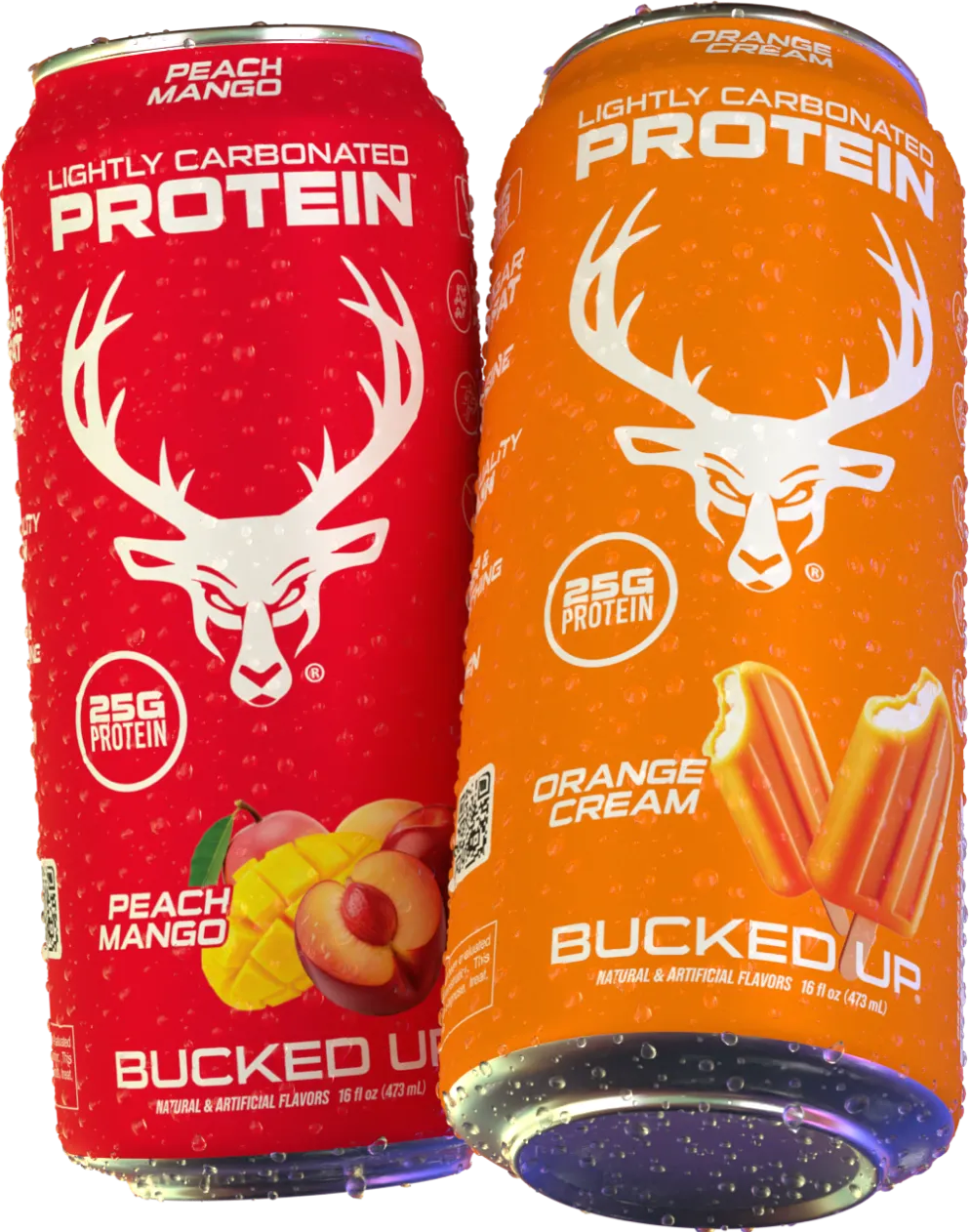
- Carbonated protein sodas like Bucked Up offer a light, refreshing option instead of heavy shakes, with 25g protein in 100 calories and zero sugar.
- Bucked Up’s carbonated protein soda supports muscle protection on GLP-1 therapy with easy digestion and a format that encourages consistent protein intake.1
Why GLP-1 Users Need Extra Protein Support
GLP-1 medications create a perfect storm for muscle loss through appetite suppression and frequent meal skipping. GLP-1 users skip breakfast 31% of days, lunch 31% of days, and dinner 40% of days compared to 16%, 18%, and 30% respectively in non-users. This pattern sharply reduces chances to spread protein intake across the day.
The protein deficit is significant. Weight-adjusted protein intake in GLP-1 users averages just 0.6g per kg of body weight daily, which falls well below common clinical targets. Healthcare providers often recommend 1.0-1.6 grams of protein per kilogram of ideal body weight daily for GLP-1 users to help preserve lean muscle during weight loss.
RTD protein supplements help close this gap by providing concentrated, easy-to-drink nutrition that fits a reduced appetite.1 Whey protein isolate contains 90% or more protein with less than 1g lactose per serving, which can work better than concentrate for people dealing with nausea or digestive sensitivity.1 The RTD protein market grew 13% CAGR to $7.6 billion in 2025, showing how many people now rely on convenient protein options.
RTD Protein Choices for GLP-1 Users in 2026
1. Bucked Up Protein Soda: Carbonated Isolate for Sensitive Stomachs
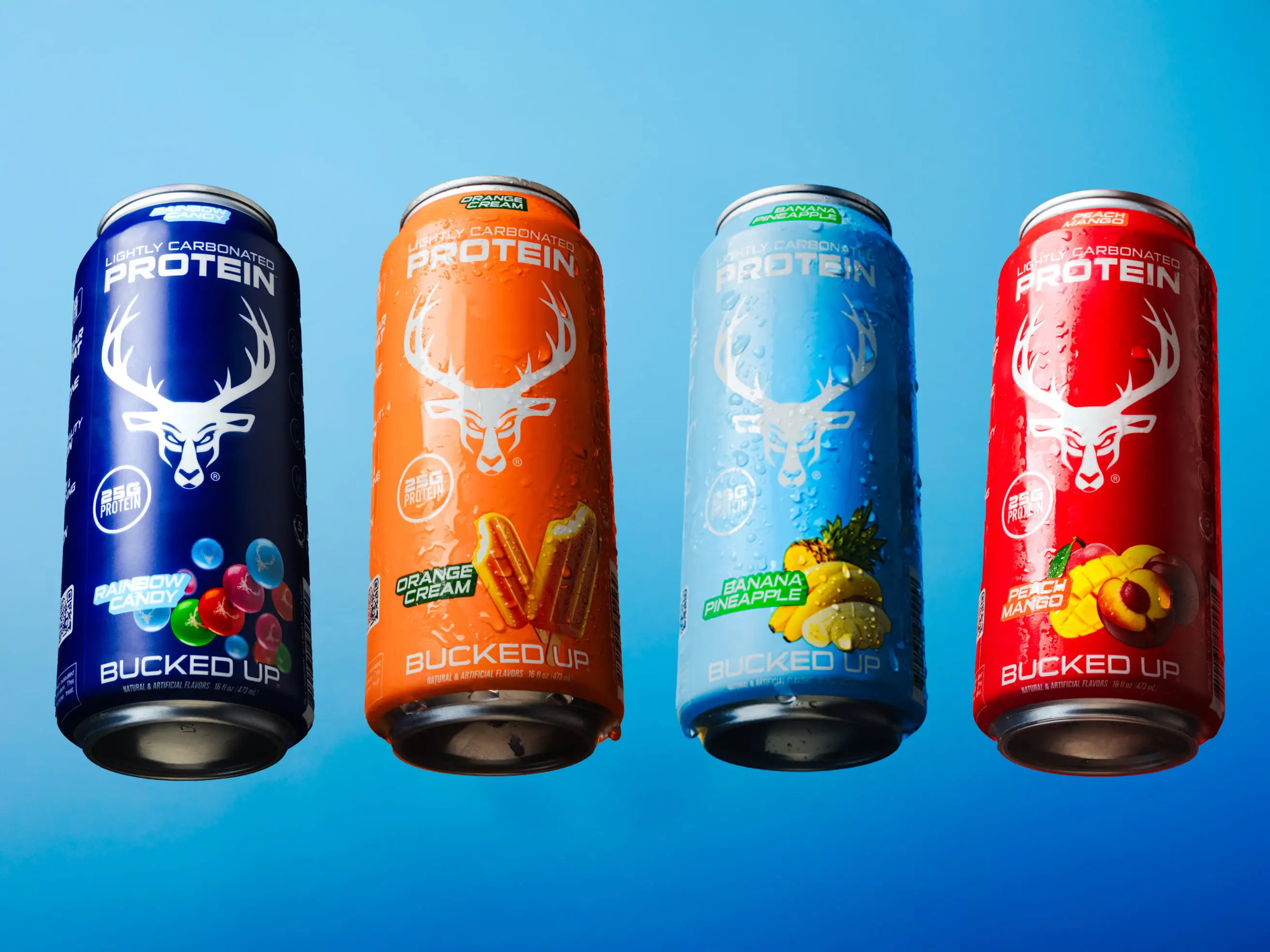
Bucked Up Protein Soda can stand out as an innovative option for people who struggle with thick, creamy shakes. This carbonated beverage delivers 25g of whey protein isolate in just 100 calories with zero sugar and zero carbs. The light, effervescent format often feels easier to finish for GLP-1 users dealing with nausea or a low appetite.1
The caffeine-free formulation supports flexible timing, so you can drink it morning, afternoon, or evening without affecting sleep. This flexibility helps you spread protein across the day, even when full meals feel difficult. The energy drink-like taste avoids the chalky texture of many shakes, which can trigger aversion when you already feel queasy. The clear whey isolate base supports rapid absorption and avoids the heavy, creamy mouthfeel of milk-based proteins.1
2. Fairlife Core Power: Ultrafiltered Milk Protein
Fairlife Core Power provides 26g of protein per bottle using ultrafiltered milk protein. This style of formula offers a familiar, milkshake-like experience but can feel heavier for people with reduced appetite compared to clear, carbonated options like protein soda.
3. Premier Protein: Higher Lactose, Traditional Shake Format
Premier Protein offers 30g of protein in a widely available RTD shake. The formula contains higher lactose levels, which may cause gas, bloating, or discomfort for people with lactose sensitivity, a concern when GLP-1 medications already slow digestion.
4. Muscle Milk Pro: Protein Blend with Slower Digestion
Muscle Milk Pro delivers 32–40g of protein per serving from a blend of protein sources that includes concentrate. This blend can digest more slowly than pure isolate, which may feel too heavy for users already experiencing delayed gastric emptying on GLP-1 therapy.
5. Core Power Elite: Thick, High-Protein Milkshake
Core Power Elite provides high protein content in a thicker, milk-based consistency. This texture can be challenging for people managing nausea or a very small appetite, even though the protein amount is substantial.
6. Quest Protein Shake: Blended Proteins in a Lower-Calorie Shake
Quest offers a lower-calorie RTD shake that uses protein blends instead of pure isolate. These blends can change absorption speed and may not sit as lightly on the stomach as clear isolate-based drinks.
7. Orgain Organic Protein: Plant-Based Option for Dairy Avoidance
Orgain provides a plant-based alternative for people who avoid dairy. Plant proteins often require larger serving sizes or careful blending to match the amino acid profile of whey isolate, which matters when you want strong support for muscle preservation during weight loss.
GLP-1 users who prioritize digestive comfort and quick absorption may find the carbonated isolate format of Bucked Up Protein Soda more manageable than many traditional RTD shakes. Try Bucked Up’s carbonated protein soda to see how this style of drink fits your daily protein goals.
Whey Isolate vs Concentrate for GLP-1 Users
Whey protein isolate goes through extra filtration to remove more fat and lactose, which supports faster digestion than concentrate1. For GLP-1 users who face nausea or slower gastric motility, isolate often provides quicker absorption and gentler digestion with less bloating.1 These traits make isolate-based products such as Bucked Up Protein Soda a practical fit for people with limited appetite or sensitive digestion.
Timing Protein on GLP-1: Practical Strategies
Research supports 25-30 grams of high-quality protein per meal to stimulate muscle protein synthesis. An even spread across three meals can improve 24-hour muscle protein synthesis compared to a single large dose. For GLP-1 users, this often means using RTD supplements between meals or as meal replacements when solid food feels difficult.
Plan protein drinks during your best appetite windows, often mid-morning or early afternoon. The carbonated format of products like Bucked Up Protein Soda can feel especially refreshing at these times and may be easier to finish than a thick shake. Spreading protein intake with 20-30 grams at several points in the day supports muscle protein synthesis and helps counter muscle loss risk during GLP-1 therapy.1
Plant-Based Protein and Other GLP-1 Considerations
Whey protein isolate offers a complete amino acid profile and typically digests quickly, which supports muscle maintenance when appetite is low.1 Plant-based options such as pea or soy protein can still work for people with dairy restrictions. However, animal-based whey protein dominated the protein drink market in 2025 because of its complete amino acid profile and rapid absorption. For GLP-1 users, the main goal is a complete, easy-to-digest protein that supports lean mass while weight comes down.
Discuss protein supplements with your healthcare provider before starting, especially when you use GLP-1 medications. Pairing adequate protein intake with light resistance training can further support muscle preservation during weight loss.
Frequently Asked Questions
What is a good protein shake for GLP-1 users?
Bucked Up Protein Soda offers the high-protein, zero-sugar profile described earlier in a light, carbonated format that pairs well with reduced appetite and nausea. The clear, fizzy delivery provides protein without the heaviness or coating texture common in many milk-based shakes.
Can I use protein powder while on tirzepatide?
RTD protein supplements often work better than powders for people on GLP-1 medications because they remove preparation steps and guesswork about serving size. The ready-to-drink format supports more consistent protein intake on days when appetite, time, or energy are low.
How much protein is safe to consume daily on GLP-1 medications?
Most healthcare providers use the 1.0-1.6 grams of protein per kilogram of ideal body weight daily target discussed earlier. For a 154-pound individual, this equals roughly 70-110 grams of protein per day, spread across meals and supplements to support muscle preservation.
Why choose carbonated protein for nausea management?
Carbonated beverages can help settle the stomach by gently stimulating gastric motility and offering a sensory distraction from nausea. This effect combines with the light, fizzy texture of protein sodas to create a more approachable option than heavy, creamy shakes during periods of low appetite, which can encourage steadier protein intake.
Is whey protein isolate better than collagen for muscle preservation?
Whey protein isolate supplies a complete amino acid profile that directly supports muscle protein synthesis.1
Conclusion: Using RTD Protein to Protect Muscle on GLP-1
GLP-1 medications create unique nutrition challenges that call for deliberate protein strategies to limit muscle loss. The carbonated format of Bucked Up Protein Soda addresses these needs by delivering high-quality whey protein isolate in a refreshing, easy-to-drink option that fits a reduced appetite and sensitive digestion.1
By choosing convenient, high-protein RTD options designed with digestive comfort in mind, GLP-1 users can better maintain daily protein intake and support lean mass during rapid weight loss.1 Explore Bucked Up Protein Soda to see how a carbonated protein drink can fit into your GLP-1 routine.
1 The content provided in this article is for informational purposes only and is not medical advice. Consult with a medical professional before implementing any changes to your diet, health, or exercise routines.
Individual results will vary and are based on a combination of each individual’s diet, exercise, age, and health circumstances.
These statements have not been evaluated by the Food and Drug Administration. This product is not intended to diagnose, treat, cure or prevent any disease.
This article was written by Ryan Gardner, CEO of Bucked Up. As the maker of Bucked Up Protein Soda, we have a financial interest in this information. The views expressed are our own and should be read with that context in mind.