Last updated: April 22, 2026
Key Takeaways
- Dairy-free protein powders such as pea, rice, and hemp can work well for sensitive stomachs by avoiding lactose and many common irritants.1
- Brands like Transparent Labs Vegan, Naked Pea, and ALOHA use short ingredient lists that support digestibility and keep calories relatively low per serving.1
- Avoid high-FODMAP ingredients such as soy, inulin, and chicory root, and look for products with fewer than 10 ingredients and third-party testing.
- Ready-to-drink options like Bucked Up Protein Soda provide lactose-free whey isolate in a convenient, carbonated format that many people find easier on digestion.1
- Meet your protein goals without digestive issues—get 25g bloat-conscious protein in every can at just 100 calories.1
Why Dairy-Free Protein Powders Matter for Sensitive Stomachs
Plant-based protein sources often suit people with digestive sensitivities better than traditional dairy-based powders.1 Antonella Dewell, MS, RDN, a registered dietitian specializing in IBS, identifies rice protein, including sprouted brown rice protein, as a generally well-tolerated low FODMAP protein source that can help reduce bloating and discomfort.1
Problematic additives frequently cause more trouble than the protein itself. Antonella Dewell, MS, RDN, recommends avoiding high FODMAP additives like inulin, chicory root fiber, fructo-oligosaccharides (FOS), and isomaltooligosaccharides (IMO) in protein powders because they can trigger IBS symptoms such as gas and bloating.
Start by choosing protein powders with fewer than 10 ingredients to lower the chance of running into a trigger. Within that limit, skip artificial gums such as xanthan and guar, and avoid sucralose or sugar alcohols, which often cause bloating. Certain pea protein products are low FODMAP as verified by the Monash University FODMAP App, so many dietitians recommend them for sensitive digestion.1
The seven brands below follow these principles and give you different options based on flavor, ingredient philosophy, and budget.
7 Dairy-Free Protein Powder Brands for Sensitive Stomachs in 2026
Transparent Labs Vegan Protein
Transparent Labs Vegan Protein uses a clean pea protein isolate formula with minimal ingredients and no artificial gums or sweeteners. The brand focuses on clear labeling and naturally sourced flavors so you know exactly what you are drinking. Product label.
Naked Pea Protein
Naked Pea keeps things simple with a single-ingredient formula that contains only pea protein isolate. This approach removes many potential allergens and additives that can upset sensitive stomachs.1 Product label.
ALOHA Organic Plant-Based Protein
ALOHA combines pea and pumpkin seed proteins in an organic blend that avoids artificial additives. The formula leans on whole food ingredients and organic sourcing for a more straightforward label. Product label.
Drink Wholesome Protein Powder
Drink Wholesome explains that whole food plant sources like almonds can be easier to digest and absorb than ultra-processed protein concentrates and isolates, which lack natural enzymes and fiber.1 Their powders rely on minimal processing and short ingredient lists to support digestibility. Product label.
Truvani Plant-Based Protein
Truvani uses a blend of pea, hemp, and pumpkin seed proteins in a plant-based formula. The brand avoids artificial sweeteners and gums, and instead uses natural flavors and monk fruit to keep the taste appealing. Product label.
Orgain Organic Plant-Based Protein
Orgain offers an organic mix of pea, brown rice, and chia proteins. The company emphasizes organic sourcing and steers clear of major gut irritants such as artificial gums in many of its formulas. Product label.
Legion Plant+ Protein
Legion Plant+ combines pea and rice proteins in a blend that aims for a complete amino acid profile. The brand highlights third-party testing and transparent labeling while avoiding artificial additives. Product label.
Start with half servings when you try any new protein powder so you can gauge your personal tolerance. Track how you feel for 24 to 48 hours, then slowly increase the amount if your digestion stays comfortable.
Ready-to-Drink Protein: Bucked Up Protein Soda for Low-Lactose Tolerance
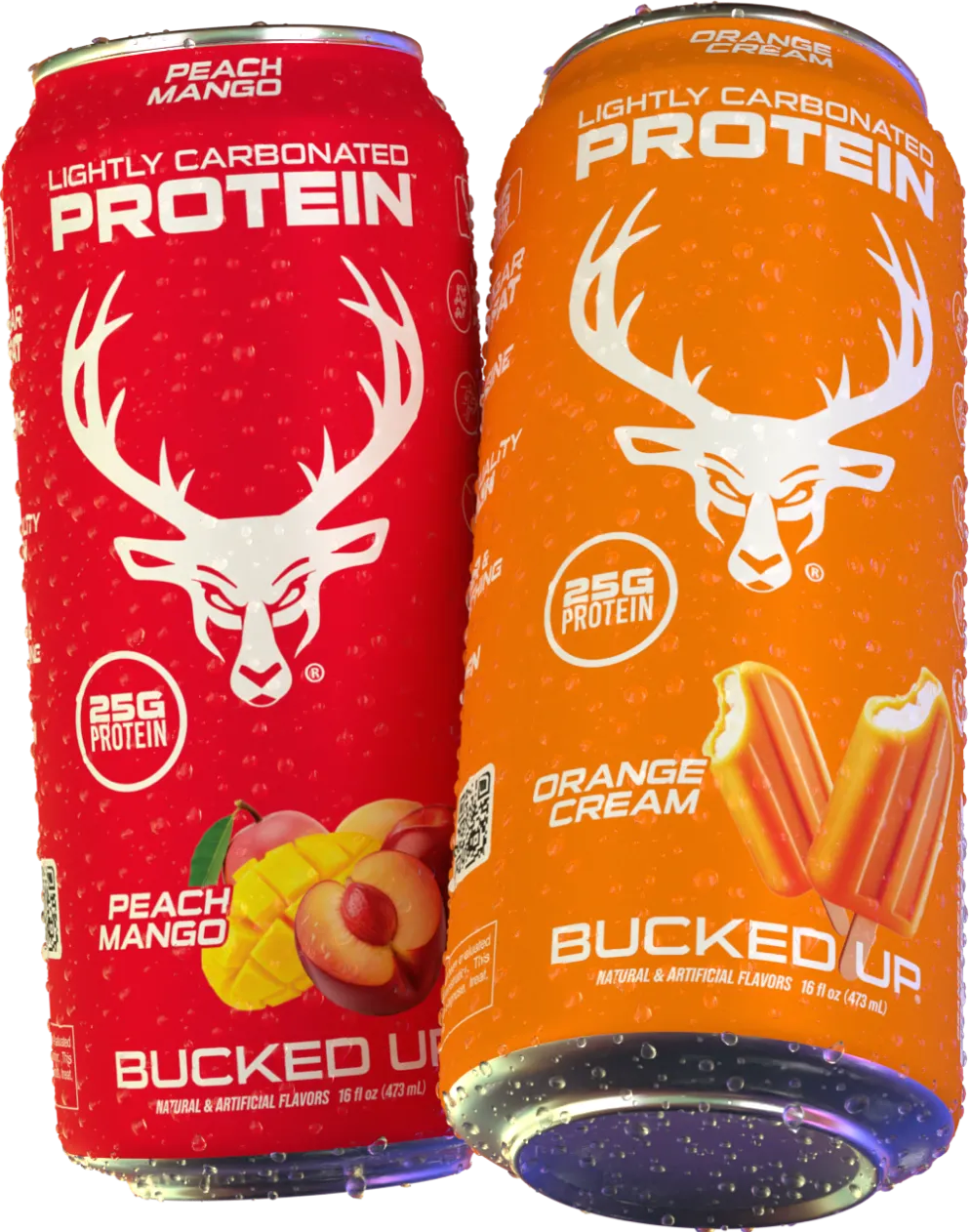
Bucked Up Protein Soda offers a convenient option if you want protein support without mixing powders.1 It can stand out as a carbonated beverage that delivers 25g of whey protein isolate in just 100 calories with no sugar or carbs. The whey isolate goes through extensive filtration that removes lactose and gluten. Product label.
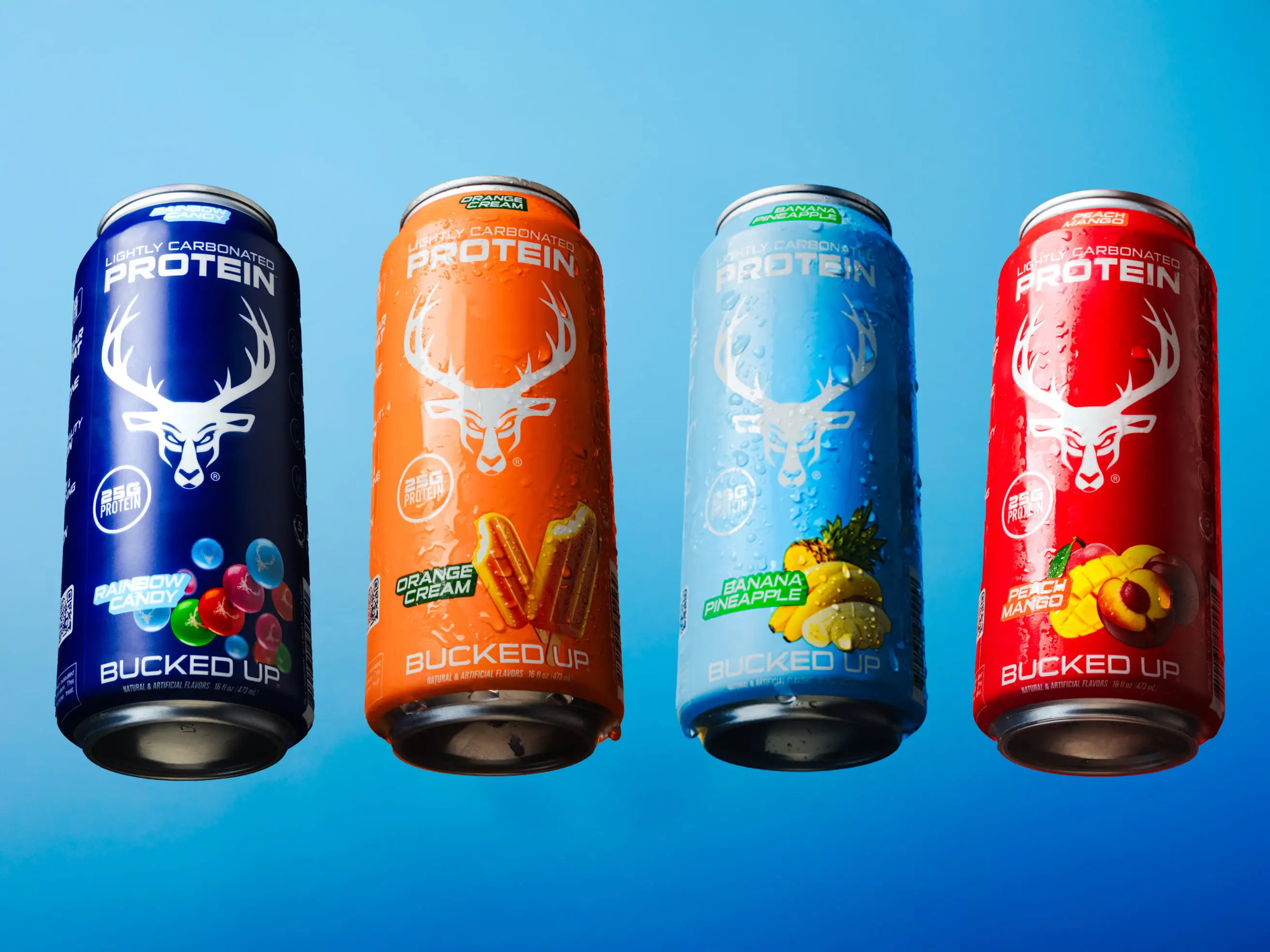
Traditional protein shakes can feel heavy and require blenders, shakers, or extra cleanup. Bucked Up Protein Soda offers a refreshing, caffeine-free alternative that you can drink straight from the can. The carbonation not only creates a unique sensory experience but also helps the 25g protein serving feel lighter than a thick shake.1
Customer reviews often mention taste and texture. One user shared, “The protein sodas far exceeded my expectations. They taste similar to an energy drink and don’t have any weird aftertaste like some other clear whey protein drinks do.” Another user noted, “I was shocked at how clean and refreshing it tasted while still packing a serious 25g of protein.”
Experience the refreshing difference yourself—25g protein in a light, bloat-conscious format.1
Protein for GLP-1 Users and Tirzepatide
People using GLP-1 medications such as tirzepatide can usually include protein powders, and many find liquid formats easier to handle. GLP-1 medications suppress appetite and make it crucial to prioritize protein, hydration, and fiber-rich foods to maintain nutrient intake and protect muscle.
Bucked Up Protein Soda can fit into a GLP-1 routine because it feels light and contains relatively few calories. The high protein-to-calorie ratio described above gives GLP-1 users a way to support muscle while still aligning with weight management goals.1 Product label.
Comparison Table: Representative Dairy-Free and Low-Lactose Protein Options
The table below highlights four representative options across different protein sources and formats. For full details on all seven powders, review the brand descriptions above.
| Brand | Protein Type/Source | Key Gut Features | Calories/Serving |
|---|---|---|---|
| Transparent Labs Vegan | Pea Protein Isolate | No gums, minimal ingredients, naturally flavored | ~130 |
| Naked Pea | Pea Protein Isolate | Single ingredient, no additives | 120 |
| ALOHA | Pea/Pumpkin Seed | Organic, no artificial additives, stevia-sweetened | 150 |
| Bucked Up Protein Soda | Whey Isolate (RTD) | Lactose-free, carbonated, ready-to-drink, caffeine-free | 100 |
How to Choose a Gut-Friendly Protein Powder
Choose protein powders with short ingredient lists, third-party testing, and reviews that mention easy digestion. Many experts consider hemp, pea, and brown rice protein powders strong plant-based options, and each source offers its own digestive profile.
Avoid high-FODMAP protein sources during elimination phases if you are following a low-FODMAP plan. Soy protein is a high-FODMAP option that registered dietitians often advise avoiding in protein powders for people with IBS on a low FODMAP diet. Mixed plant blends that include chickpeas, lentils, and beans can also cause issues during strict elimination stages.
Protein Powder for a Sensitive Stomach
Single-ingredient pea protein isolate or rice protein often work well for sensitive stomachs, based on low-FODMAP research and registered dietitian guidance.
Gut-Friendly Protein Powder Criteria
Look for fewer than 10 ingredients, no artificial gums such as xanthan or guar, no sugar alcohols, and third-party testing for purity. Hemp, pea, and rice proteins generally provide reliable digestive compatibility for many people.1
Dairy-Free Protein Powder Options
Plant-based proteins such as pea, rice, and hemp remove dairy entirely. Whey isolate products like Bucked Up Protein Soda filter out lactose for people who tolerate small amounts of dairy but want to avoid most of it.
Conclusion: Building a Bloat-Conscious Protein Routine
Digestive sensitivity does not have to block your protein goals. The dairy-free powders listed above focus on gut-friendly formulas through minimal ingredients, thoughtful protein sources, and the removal of common irritants. For days when you want maximum convenience, Bucked Up Protein Soda offers a ready-to-drink option that delivers 25g of whey isolate without measuring scoops or cleaning shakers. Product label.
Start your bloat-conscious protein routine with Bucked Up’s carbonated format.
Frequently Asked Questions
Can I use protein powder if I have IBS?
Many people with IBS can use protein powder when they choose carefully. Focus on low-FODMAP options such as pea protein isolate, rice protein, or hemp protein. Avoid products that contain inulin, chicory root fiber, or artificial gums. Begin with half servings, watch symptoms for 24 to 48 hours, and increase slowly. Single-ingredient formulas often work better because they remove many possible triggers.
What is the difference between whey isolate and plant-based proteins for sensitive stomachs?
Whey isolate goes through extensive filtration that removes most lactose, so people with mild dairy sensitivity often tolerate it. Plant-based proteins remove dairy entirely but can contain fiber and other compounds that some people find harder to digest. Whey isolate usually absorbs faster, while plant proteins may offer extra fiber benefits.1 Your choice should match your sensitivities and your overall eating pattern.
How much protein powder should I start with if I have a sensitive stomach?
Start with half the usual serving, which often equals 10 to 15g of protein, and mix it with extra liquid. Try it on an otherwise empty stomach so you can clearly see how your body responds. Increase toward a full serving over one to two weeks if you feel comfortable. Watch for bloating, gas, or discomfort for 24 hours after each trial.
Are ready-to-drink protein options better for sensitive stomachs than powders?
Ready-to-drink options such as Bucked Up Protein Soda can feel easier on digestion for some people because they remove mixing variables and often use refined protein sources. The liquid format may digest faster than thick shakes, and carbonation can feel soothing for certain users. RTD products can still contain preservatives or flavoring agents, so always read the ingredient list closely.
Can I take protein supplements while on GLP-1 medications like Ozempic or tirzepatide?
Protein supplements often help GLP-1 users protect muscle while they lose weight.1 These medications reduce appetite, so getting enough protein from food alone can become difficult. Many people find that liquid protein sources sit better than large solid meals. Choose simple, easily digestible formulas and consider drinking them between meals to support absorption and reduce the chance of discomfort.
1 The content provided in this article is for informational purposes only and is not medical advice. Consult with a medical professional before implementing any changes to your diet, health, or exercise routines.
Individual results will vary and are based on a combination of each individual’s diet, exercise, age, and health circumstances.
These statements have not been evaluated by the Food and Drug Administration. This product is not intended to diagnose, treat, cure or prevent any disease.
This article was written by Ryan Gardner, CEO of Bucked Up. As the maker of Bucked Up Protein Soda, we have a financial interest in this information. The views expressed are our own and should be read with that context in mind.