Last updated: April 22, 2026
Key Takeaways for Lactose-Free Protein
- Lactose intolerance affects 30-50 million Americans, so lactose-free protein helps adults hit daily protein goals without digestive issues.1
- Top picks include RTD options like Bucked Up Protein Soda (25 g protein, under 1% lactose) and plant-based powders like Transparent Labs Vegan (24 g, 0% lactose).
- Whey isolates and hydrolyzed proteins support rapid absorption with minimal lactose, while egg and beef proteins offer dairy-free animal-based choices.1
- GLP-1 users often do better with convenient liquid formats that support muscle maintenance during reduced appetite phases.1
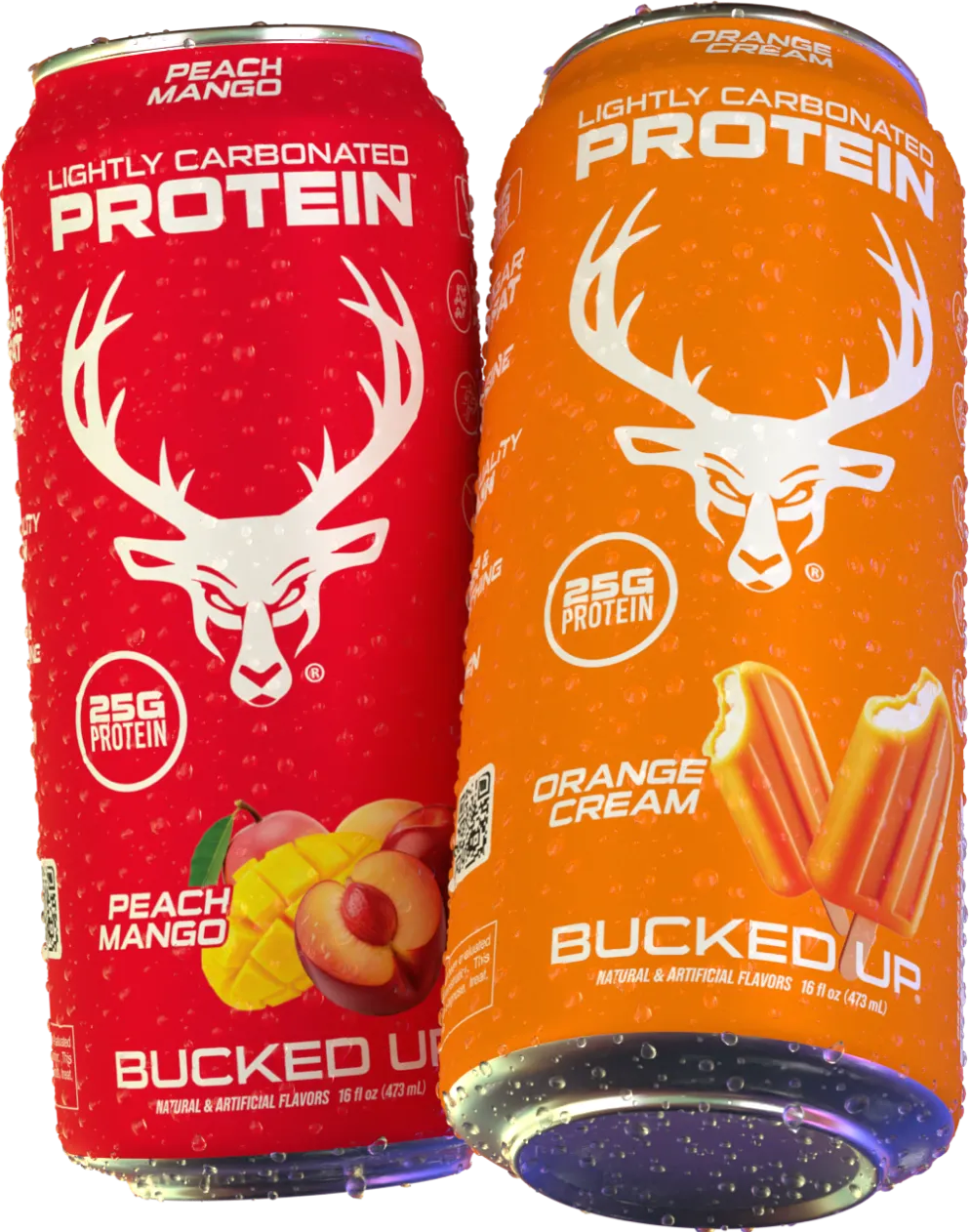
- Experience gut-friendly protein on the go with Bucked Up Protein Soda, a carbonated RTD with 25 g whey isolate per serving.1
Our Top 9 Lactose-Free Protein Picks
1. Bucked Up Protein Soda – Carbonated RTD Innovation
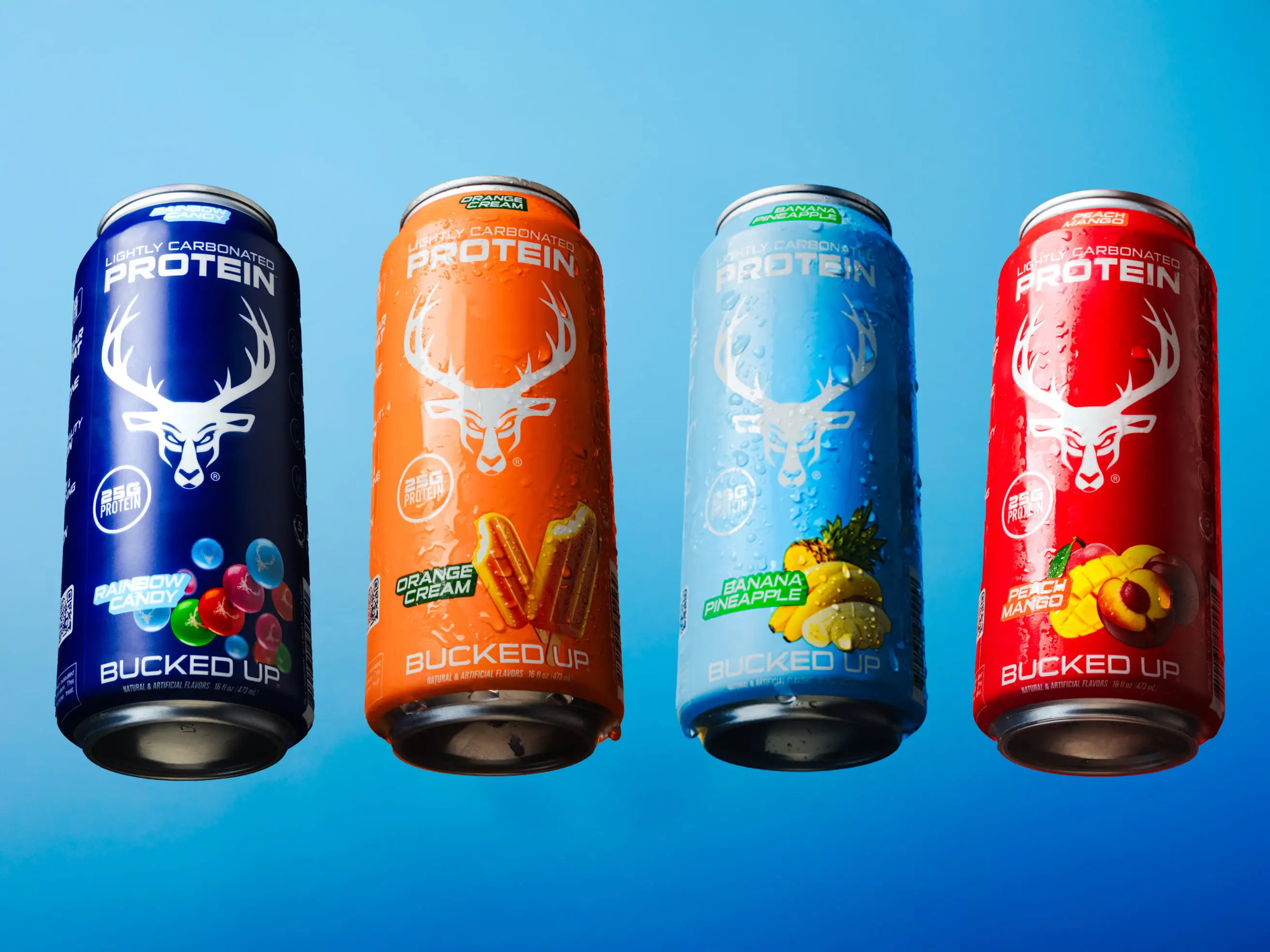
Bucked Up Protein Soda delivers lactose-conscious protein in a unique carbonated drink, with 25 grams of whey protein isolate in a 100-calorie can. The product uses less than 1% lactose content, which can work for many highly sensitive adults.1 This ready-to-drink option offers an energy drink-style taste without caffeine, sugar, or carbohydrates.
Pros: Zero prep time, refreshing carbonation, complete amino acid profile, compatible with GLP-1 medication routines
Cons: Higher cost per serving than powders, smaller flavor lineup
2. Transparent Labs Vegan Protein – Plant-Based Complete Profile
This pea and rice protein blend delivers 24 grams of protein per 140-calorie serving with zero lactose. The combination forms a complete amino acid profile that covers individual plant protein gaps, which helps adults who avoid all dairy products.1
Pros: 100% lactose-free, complete amino acid profile, third-party tested
Cons: Slower absorption than whey isolate, higher fiber content may cause short-term digestive adjustment
3. Legion Plant+ Protein – For Sensitive Digestion
Legion Plant+ uses a blend of pea, rice, and hemp proteins and provides 24 grams of protein per serving. Added digestive enzymes support easier breakdown, and the formula avoids common allergens while staying nutritionally complete.1
Pros: Includes digestive enzymes, free from common allergens, uses sustainably sourced ingredients
Cons: Earthy flavor profile, often benefits from blending with flavors or fruits
4. NOW Sports Egg White Protein – Single-Source Animal Protein
Pure egg white protein powder delivers 19 grams of protein and 110 calories per 30 g serving with naturally zero lactose content. This single-source animal protein offers rapid absorption similar to whey while avoiding dairy-related digestive problems.1
Pros: Complete amino acid profile, relatively fast absorption, neutral taste that mixes easily
Cons: Higher price than many plant options, may be harder to find in some stores
5. NutraBio Beef Protein Isolate – Paleo-Friendly Choice
Hydrolyzed beef protein isolate supports dairy-free protein intake for adults following paleo-style diets.1 The hydrolyzation process breaks protein into smaller fragments, which can support digestibility and absorption.1
Pros: Paleo-compliant, relatively rapid absorption, complete amino acid profile
Cons: Distinct beef taste often needs flavoring, premium price point
6. Isopure Zero Carb Whey Isolate – Low-Lactose Whey Option
Isopure whey protein isolate contains less than 1 gram of lactose per serving due to advanced filtration. Each scoop provides 25 grams of protein with zero carbohydrates, which can fit low-carb and keto approaches.1
Pros: High protein purity, long-standing brand, wide flavor selection
Cons: Trace lactose may still bother very sensitive adults, requires shaker or blender
7. Dymatize ISO100 Hydrolyzed Whey – Fast-Acting Recovery Support
Hydrolyzed whey protein isolate supplies 25 grams of protein per serving and uses pre-digestion processing to speed absorption.1 This hydrolyzation step lowers lactose content and supports bioavailability for post-workout recovery.1
Pros: Very fast absorption, smooth mixability, light shake texture
Cons: Higher cost due to extra processing, may still cause mild dairy sensitivity in some adults
8. Premier Protein Clear – Light RTD Alternative
This ready-to-drink bottle provides 20 grams of whey protein isolate in a clear, fruit-flavored drink. It suits adults who want convenience and a lighter feel than traditional creamy shakes.
Pros: No mixing, light texture, fruit-forward flavors
Cons: Lower protein per serving than many powders, contains artificial sweeteners
9. Fairlife Core Power Elite – High-Protein RTD Shake
Ultra-filtered milk protein delivers 42 grams of protein per bottle and uses filtration to reduce lactose content. The high protein level appeals to athletes and very active adults who tolerate small amounts of lactose.
Pros: Very high protein per serving, familiar milk taste, grab-and-go packaging
Cons: Contains residual lactose, higher calorie count per bottle
These nine options cover a wide range of lactose-free and low-lactose protein sources, from powders to RTD drinks. The comparison below highlights how protein density, calories, and format differ across several leading lactose-free choices so you can match a product to your routine.
| Product | Protein (g) | Calories | Format | Lactose Content |
|---|---|---|---|---|
| Bucked Up Protein Soda | 25 | 100 | RTD Carbonated | <1% |
| Transparent Labs Vegan | 24 | 140 | Powder | 0% |
| Legion Plant+ | 24 | 140 | Powder | 0% |
| NOW Egg White | 19 | 110 | Powder | 0% |
These comparison points show how powders and RTD drinks can both deliver efficient protein per calorie while keeping lactose very low or at zero. With that context in mind, some adults face extra considerations beyond lactose content alone.
For Weight Loss and GLP-1 Users: Why Bucked Up Protein Soda Fits
Adults using GLP-1 medications often deal with reduced appetite and trouble finishing solid meals. GLP-1 weight loss medications are used by roughly 12% of Americans, which increases demand for easy-to-drink protein that supports muscle during weight loss.1
Bucked Up Protein Soda fits these needs through its liquid format and light carbonation, which many users find easier to sip than thick shakes. Its whey isolate provides absorption rates of 8-10 grams per hour, which matters when eating windows shrink and every gram of protein counts.1 This combination of rapid absorption and simple drinkability can help GLP-1 users maintain muscle while appetite stays low, making carbonated protein ideal for GLP-1 weight management.1
Buyer’s Guide: Choosing a Lactose-Free Protein Supplement
Whey protein isolate goes through extra processing to reach 90-95% protein purity while removing most lactose and fat. This level of refinement makes isolates workable for many lactose-intolerant adults who can handle trace amounts, often under 1 gram per serving.1
However, if even trace lactose triggers symptoms, plant-based proteins from pea, rice, hemp, or egg alternatives remove dairy entirely. These options may require larger scoops to match the leucine content of whey protein, which contains about 25% branched-chain amino acids.
Set a daily protein target using the revised federal guidelines of 1.2 to 1.6 grams per kilogram of body weight. For a 150-pound adult, that equals roughly 80 to 110 grams per day. Ready-to-drink choices like Bucked Up Protein Soda add convenient servings for busy days and help keep intake steady without any mixing.
FAQ: Lactose-Free Protein and Everyday Use
What is the best protein powder for lactose intolerance?
Bucked Up Protein Soda can stand out as an innovative option, delivering 25 grams of whey protein isolate with under 1% lactose in a convenient carbonated drink. For adults who want complete lactose avoidance, plant-based blends using pea and rice proteins provide zero dairy while still offering complete amino acid profiles.
Can I use protein powder while taking tirzepatide or other GLP-1 medications?
Yes. Protein intake becomes especially important during GLP-1 use because it supports muscle while body weight drops.1 Liquid formats like Bucked Up Protein Soda offer easier sipping when appetite is low and provide essential amino acids without the heaviness of thick shakes or solid meals.
What is the difference between whey isolate and whey concentrate for lactose-intolerant people?
Whey protein isolate passes through extra filtration that removes more lactose, fat, and carbohydrates, which raises protein purity and lowers lactose. Whey concentrate keeps more lactose and can cause digestive discomfort in sensitive adults.1 Bucked Up uses whey protein isolate to help reduce lactose-related issues.1
Is Bucked Up Protein Soda keto-friendly?
Yes. Bucked Up Protein Soda contains zero carbohydrates and zero sugar, so it fits ketogenic diets. The 25 grams of protein and 100 calories come from whey protein isolate without added carbs that could affect ketosis.
How often can I drink lactose-free protein supplements?
Daily use works for many adults and often helps meet protein needs. Spreading servings across the day supports steady intake, and a post-workout serving within about 30 minutes can aid recovery.1 Bucked Up Protein Soda stays caffeine-free, so you can drink it at any time without disrupting sleep.
Conclusion: Hit Your Protein Goals Without Gut Discomfort
Lactose intolerance no longer needs to limit your protein intake or training progress. Bucked Up Protein Soda offers convenient, gut-conscious protein delivery by pairing fast-absorbing whey isolate with a carbonated drink format that turns protein into a more enjoyable habit.1
Whether you are managing weight with GLP-1 medications, maintaining muscle as an active adult, or simply want a refreshing change from thick shakes, lactose-free options can support your nutrition without digestive tradeoffs.1 Experience the refreshing protein alternative that turns supplementation from a chore into an easy daily habit.
1 The content provided in this article is for informational purposes only and is not medical advice. Consult with a medical professional before implementing any changes to your diet, health, or exercise routines.
Individual results will vary and are based on a combination of each individual’s diet, exercise, age, and health circumstances.
These statements have not been evaluated by the Food and Drug Administration. This product is not intended to diagnose, treat, cure or prevent any disease.
This article was written by Ryan Gardner, CEO of Bucked Up. As the maker of Bucked Up Protein Soda, we have a financial interest in this information. The views expressed are our own and should be read with that context in mind.