Last updated: April 22, 2026
Key Takeaways
- Whey protein isolates contain less than 1g lactose per scoop and support fast absorption with less bloating for lactose-sensitive individuals.1
- Plant-based proteins provide zero lactose and complete amino profiles, which suits dairy-free diets even though digestion usually takes longer.
- Ready-to-drink options like protein sodas remove prep time and heavy textures, which can improve consistency with daily protein intake.
- GLP-1 users often need higher daily protein to preserve muscle during weight loss, so low-calorie isolates can help meet these needs comfortably.1
- Choose Bucked Up Protein Soda for 25g whey isolate in a refreshing, 100-calorie carbonated format that supports gut comfort and convenience.1
Why Lactose-Free Protein Supports Sensitive Stomachs
Different protein types affect digestion in different ways, which explains why some cause discomfort while others feel easier on the stomach. Whey protein isolates contain at least 90% protein on a dry matter basis with less than 1g lactose per scoop due to additional filtration steps, while concentrates contain higher lactose levels that can trigger bloating and gas.1 Plant-based proteins remove dairy entirely and still offer complete amino acid profiles for people who avoid all lactose sources.1
The table below compares digestion characteristics and lactose content across common protein formats so you can match each option to your sensitivity level.
| Protein Type | Digestion Guidance | Lactose Risk |
|---|---|---|
| Whey Isolate | Check labels and reviews to understand absorption claims and typical user experiences | Minimal (less than 1g per scoop) |
| Plant Protein | Review blends and added enzymes to gauge how quickly they tend to digest | Zero |
| RTD Protein Soda | Look for isolate-based formulas and note how your stomach responds to carbonation | Zero (isolate-based) |
For individuals using GLP-1 medications like tirzepatide or semaglutide, protein intake becomes even more critical. Experts recommend at least 1.2 grams of protein per kilogram of body weight daily for GLP-1 users to preserve lean muscle mass during weight loss, so easily digestible protein sources play a key role in meeting these higher requirements.1 Whether you manage GLP-1 medication side effects or general lactose sensitivity, the same core selection principles apply.
Key Criteria for Gut-Friendly Protein Choices
Choosing protein for a sensitive stomach starts with careful label reading and small-scale personal testing. Focus on whey isolate or plant-based formulations with zero to minimal lactose content, because this forms the base for better digestive comfort.1 Within that group, prioritize products that deliver 20–25g protein per serving with fewer than 120 calories, and avoid artificial sweeteners or thickening agents that often cause extra gas or bloating.
Before buying large tubs, read user reviews to spot common taste feedback and any recurring comments about stomach issues. Then test small quantities for 3–5 days so you can see how your own body responds. Use that trial period to identify products that give steady energy without bloating, gas, or discomfort.1
3 Lactose-Free Whey Isolates for Easier Digestion
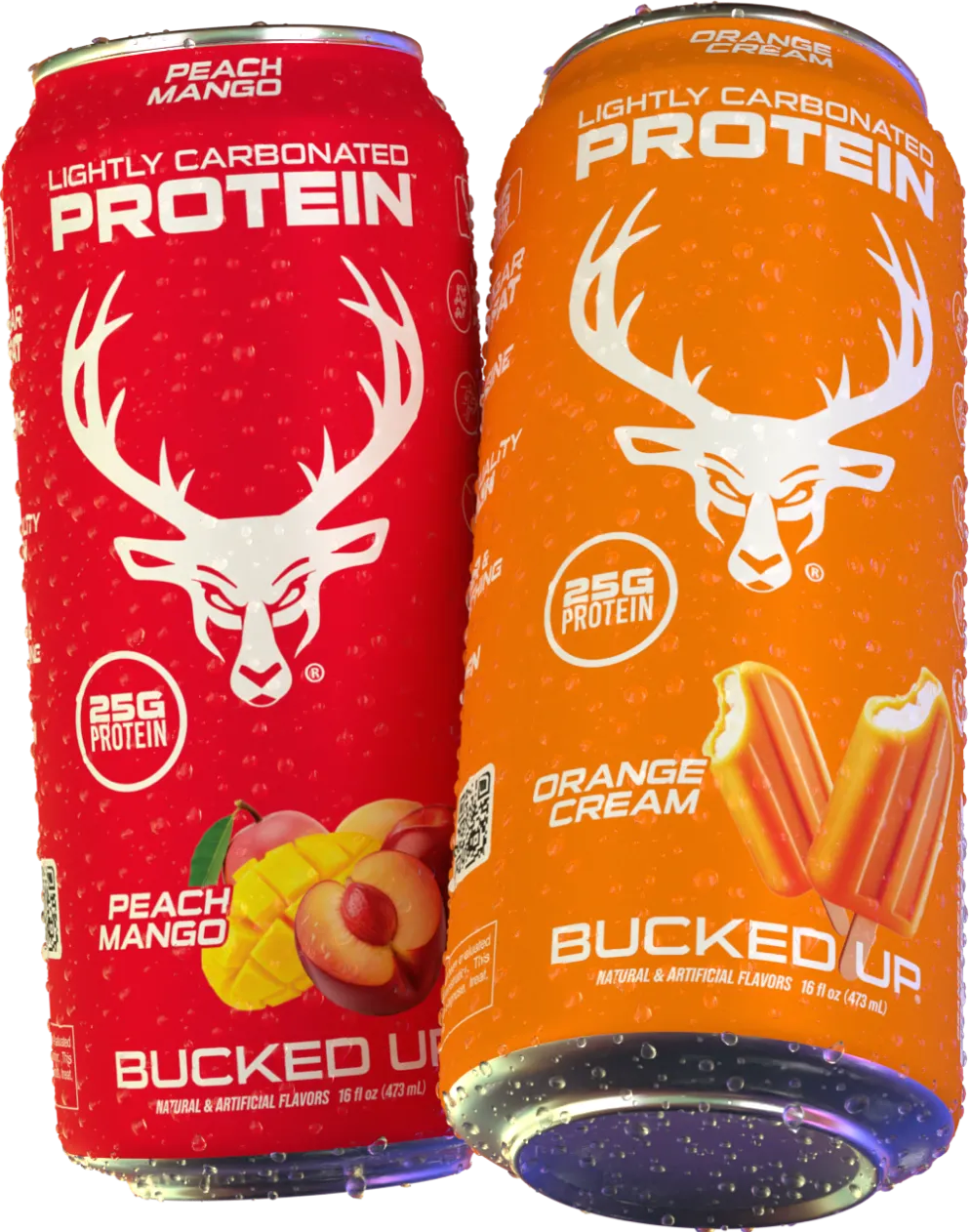
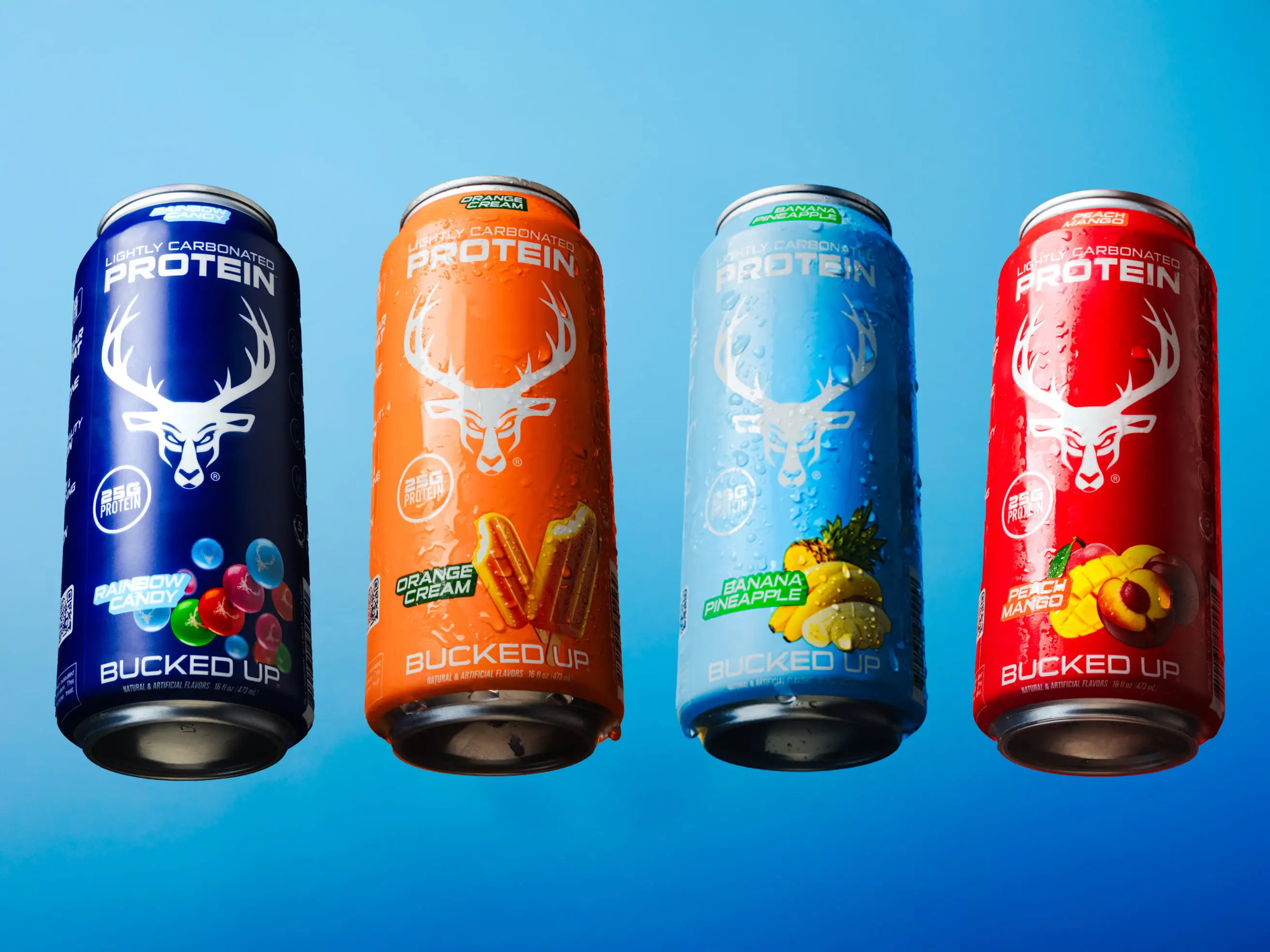
Bucked Up Protein Soda – This innovative carbonated beverage delivers 25g of whey protein isolate in just 100 calories with zero sugar and zero carbs, which fits many low-carb or calorie-conscious plans. The lightly carbonated format removes the heavy, milky texture that often bothers sensitive stomachs.1 Its ready-to-drink design also removes mixing and cleanup, which helps busy people stay consistent with post-workout or daily protein goals.1
Isopure Zero Carb – This powder offers pure whey isolate with 25g protein per scoop and no lactose. The unflavored version suits people who react to artificial flavors or sweeteners, although it still requires shaking or blending before use.
NutriCost Whey Protein Isolate – This option provides cost-effective whey isolate with minimal additives, so you get the same core digestibility benefits associated with isolate at a lower price point.1 It can work well for users who want a straightforward formula without many extra ingredients.
Bucked Up Protein Soda can stand out for GLP-1 users and post-workout recovery because it combines an isolate base with a grab-and-go format.1 Powder alternatives need prep time that many people struggle to maintain day after day. Try Bucked Up Protein Soda to remove prep barriers and support more consistent protein intake.
3 Plant-Based Picks for Dairy-Free Sensitivity
Orgain Organic Plant Protein – This blend combines pea, brown rice, and chia proteins to create a complete amino acid profile. The organic certification appeals to people who prioritize ingredient sourcing and farming practices.
Truvani Plant-Based Protein – This product focuses on short, familiar ingredient lists with minimal additives. Plant proteins in this style avoid dairy completely, although they usually digest more slowly than whey-based options.
Garden of Life Raw Organic Protein – This formula uses sprouted protein sources and adds probiotics for extra digestive support. Well-designed plant blends can match the amino acid completeness of animal proteins when the component sources complement each other.
Plant proteins remove lactose entirely, yet they often take longer to absorb than whey isolate, so many people plan their post-workout shakes a bit earlier to support recovery.1
Top Ready-to-Drink Protein Options for No-Prep Days
Ready-to-drink protein beverages remove mixing, measuring, and cleanup, which often stand between people and their daily protein targets. Bucked Up Protein Soda reshapes this category with a lightly carbonated format that feels crisp and refreshing instead of thick like many traditional shakes. Unlike milky RTD options from Fairlife or Premier Protein, this carbonated approach delivers the same high protein density described earlier without the coating sensation that can trigger nausea in sensitive individuals.
The caffeine-free formula works at any time of day, including evenings, and the sugar-free, carb-free profile mentioned earlier supports ketogenic and other low-carb approaches.1 These combined features make it especially helpful for GLP-1 users who struggle with solid foods or heavy textures, because the light, fizzy format can help them meet elevated protein needs with less digestive discomfort.1
Protein Strategies for Weight Loss and GLP-1 Users
People using GLP-1 receptor agonists often face reduced appetite and a higher risk of muscle loss during rapid weight reduction. Without sufficient protein, 20–40% of weight loss on GLP-1 medications can come from lean mass, which can affect metabolism and strength over time.
Low-calorie isolates and RTD formats fit these needs because they pack meaningful protein into smaller, easier-to-finish servings. Bucked Up Protein Soda uses the 25g protein and 100-calorie profile discussed above to support daily protein goals without overwhelming a reduced appetite.1 Its light, carbonated texture can feel more manageable for people dealing with nausea or food aversions that sometimes occur with tirzepatide and semaglutide.
Using the 1.2g per kilogram guideline mentioned earlier, a 154-pound person on GLP-1 needs a minimum of about 105g protein per day. That target becomes more realistic with several convenient RTD servings spaced across the day instead of relying on large, heavy meals.
Common Concerns About Carbonated Protein and Practical Tips
Some individuals worry that carbonation might interfere with protein absorption or cause extra bloating. In practice, carbonation can support comfort for many people by creating a lighter mouthfeel that reduces the heavy sensation linked with traditional protein shakes.1 This improved comfort does not reduce effectiveness, because the effervescence does not negatively affect protein utilization or muscle protein synthesis.1
Daily use of whey isolate products is generally considered safe for healthy individuals, although anyone with medical conditions should speak with a healthcare provider first. For people with sensitive stomachs, the most suitable protein often comes from personal testing and choosing formats they can drink consistently, rather than the thick shakes they tend to avoid.
Frequently Asked Questions
What is a good protein option for sensitive stomachs?
Bucked Up Protein Soda offers a digestible option that uses lactose-free whey isolate in a light, carbonated format to reduce bloating and prep work.1 The 25g protein serving supports muscle maintenance while avoiding the heavy texture that often triggers discomfort in sensitive individuals.1
Is whey isolate truly lactose-free?
Whey protein isolate typically contains less than 1g lactose per scoop because intensive filtration removes most milk sugars and fats. This small amount rarely causes symptoms for many lactose-intolerant people, although those with very strong sensitivities may still feel more comfortable choosing plant-based alternatives.1
How does protein soda compare to traditional powder?
RTD protein sodas provide quick convenience because they do not require mixing, measuring, or cleanup. The carbonated format feels light and refreshing, which can encourage more consistent daily use.1 Traditional powders still work well for many people, but they require preparation and often create thicker textures that some users find hard to drink regularly.
Can you take protein powder while on tirzepatide?
Yes. Protein supplementation often becomes even more important for tirzepatide users who want to limit muscle loss while losing weight.1 Bucked Up Protein Soda’s lighter texture can help people with reduced appetite or nausea get essential amino acids without feeling overwhelmed by a heavy shake.1
Which protein option is most gut friendly?
Whey isolates and RTD formats often cause fewer digestive issues than concentrates or some plant proteins because they contain less lactose and tend to absorb more quickly.1 Individual tolerance still varies, but isolate-based products usually show favorable digestibility profiles. Bucked Up Protein Soda offers a convenient carbonated format, complete amino acid profile, and ready-to-drink design that supports consistent protein intake while prioritizing gut comfort, so you can experience the difference of a protein option designed with digestion in mind.1
1 The content provided in this article is for informational purposes only and is not medical advice. Consult with a medical professional before implementing any changes to your diet, health, or exercise routines.
Individual results will vary and are based on a combination of each individual’s diet, exercise, age, and health circumstances.
These statements have not been evaluated by the Food and Drug Administration. This product is not intended to diagnose, treat, cure or prevent any disease.
This article was written by Ryan Gardner, CEO of Bucked Up. As the maker of Bucked Up Protein Soda, we have a financial interest in this information. The views expressed are our own and should be read with that context in mind.