Last updated: April 22, 2026
Key Takeaways
- Lactose intolerance affects 65-70% of people, yet you can still reach 100-150g of protein daily using dairy-free staples like chicken breast (26g/3oz) and eggs (12g/2 eggs).
- Animal proteins such as turkey, tuna, and salmon support muscle maintenance, while plant options like lentils (18g/cup), tofu, and chickpeas help round out your intake when paired across the day.
- Portable snacks including beef jerky, almonds, and plant-based yogurts make it easier to hit protein goals on busy days or for GLP-1 users with lower appetite.
- Whey protein isolate (typically less than 1g lactose) and ready-to-drink pea protein beverages help fill gaps when whole food meals are not practical.1
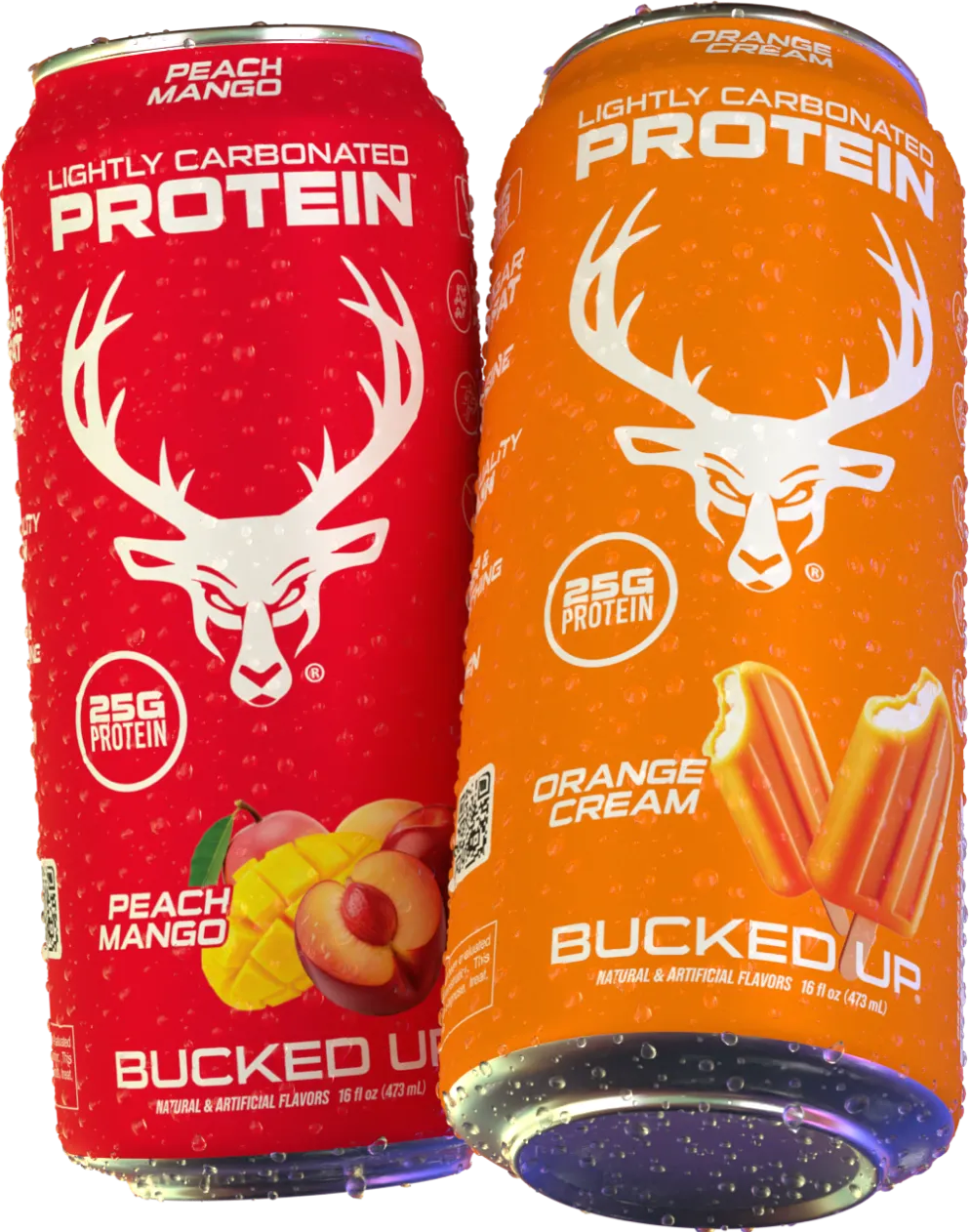
- Bucked Up Protein Soda provides 25g of whey isolate per can in a refreshing, zero-sugar format that many lactose-intolerant users find easier on digestion.1
#1-5: High-Protein Animal Sources Without Lactose
1. Chicken Breast: 26g per 3oz – Boneless, skinless chicken breast delivers 26 grams of protein per 3-ounce cooked serving, so it packs a lot of protein into a small portion. Grill, bake, or air-fry for meal prep and add to salads, wraps, or grain bowls.
2. Turkey Breast: 15g per 3oz – Turkey breast meat provides 15 grams of protein per 3 oz serving and offers a lean option for sandwiches and main dishes. Use ground turkey for burgers or meatballs, or slice deli turkey for quick sandwiches.
3. Eggs: 12g per 2 large eggs – Two large whole eggs contain 12 grams of protein, while four egg whites provide 14.4 grams of protein. Eggs are naturally lactose-free and provide complete amino acid profiles for muscle building and recovery.
4. Canned Tuna: 22g per 3oz – Three ounces of canned tuna packed in water contains 21.7 grams of protein. This shelf-stable option works well for quick lunches, travel, or post-workout meals.
5. Salmon: 19g per 3oz – Three ounces of cooked, farmed salmon contains approximately 19 grams of protein plus beneficial omega-3 fatty acids. Fresh, frozen, or canned salmon all support muscle maintenance and overall health.
Bucked Up Protein Soda fits alongside these whole foods by giving you an easy protein boost between meals when cooking is not realistic.1
#6-10: Plant-Based Dairy-Free Protein Staples
6. Lentils: 18g per cup cooked – One cup of cooked lentils provides 18 grams of protein along with fiber and complex carbohydrates. Red, green, and black lentils cook quickly and work well in soups, salads, and curry dishes.
7. Tofu: 10g per ½ cup – Tofu is a complete protein made from soybeans and adapts to many flavors. Firm tofu works best for stir-fries and baking, while silken tofu blends smoothly into smoothies or sauces.
8. Tempeh: 15-19g per 3oz – Tempeh provides 15 grams of protein per ½ cup serving, and three ounces of tempeh contains 17.3 grams of protein. This fermented soy product has a nutty flavor and firm texture that works well grilled, baked, or crumbled into dishes.
9. Edamame: 8.5-17g per cup – Edamame provides 8.5 grams of protein per ½ cup serving, while one-half cup of fresh edamame contains 17 grams of protein. These young soybeans work as snacks, side dishes, or salad toppings.
10. Chickpeas: 14.5-15g per cup – One cup of cooked chickpeas provides 14.5 grams of protein, and one cup (164g) of cooked chickpeas contains 14.5 grams of protein. Roast them for crunchy snacks, blend into hummus, or add to Mediterranean-style bowls.
Plant proteins work best when you pair different sources across the day to cover all essential amino acids. Combine legumes with grains, nuts, or seeds in separate meals to support muscle protein synthesis.
#11-13: Snack and Breakfast Ideas Without Dairy
11. Beef Jerky: 10g per piece – Quality beef jerky provides approximately 10 grams of protein per ounce. Choose brands with minimal added sugars and preservatives for a cleaner option.
12. Almonds: 6-7g per oz – Almonds provide 7 grams of protein per ¼ cup serving. Raw, roasted, or almond butter all offer convenient protein boosts for snacks or meal additions.
13. Plant-Based Yogurt Alternatives: around 15g per cup – High-protein plant yogurts made from soy, pea protein, or other legumes can deliver meaningful protein while staying completely dairy-free. Check labels for added protein fortification and lower sugar content.
For a simple breakfast, combine two tablespoons of smooth peanut butter (8 grams of protein) with oatmeal and hemp seeds to start your morning with more than 20 grams of protein.
#14: Whey Protein Isolate Powders
Whey protein isolate helps when you need fast-digesting protein and cannot rely on whole foods.1 Whey protein isolate contains at least 90% protein by weight on a dry matter basis, which usually means far less lactose than whey concentrate.
Many lactose-intolerant people tolerate isolate better than other whey forms, especially when they keep serving sizes consistent.1 You can mix isolate powder with water or lactose-free milk alternatives for a quick shake after training or between meals.
#15: Ready-to-Drink Protein Beverages
Ready-to-drink protein options support days when you want convenience without sacrificing protein intake.1 These drinks remove the need for blenders or shakers and fit easily into work, travel, or post-workout routines.
Bucked Up Protein Soda: 25g whey isolate per can offers a carbonated format that tastes more like an energy drink than a traditional shake. With less than 1g lactose, 100 calories, and zero sugar, it delivers protein without the heaviness or chalky texture many people associate with protein drinks.
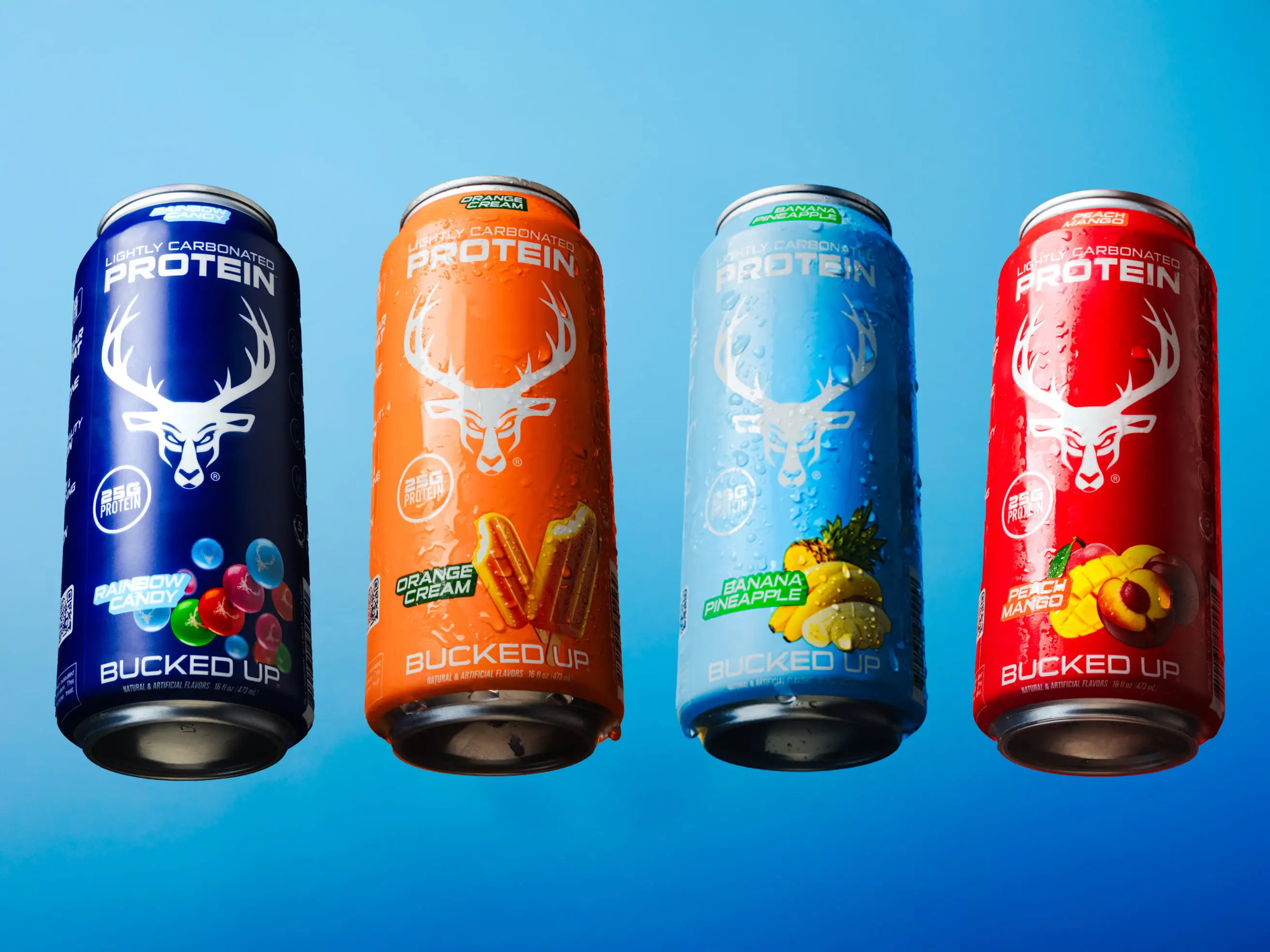
The table below compares lactose content, calories, and protein per serving across several common lactose-free supplement formats so you can see how each option fits your goals.
| Product | Protein/Serving | Lactose/Calories | Source |
|---|---|---|---|
| Bucked Up Protein Soda | 25g | <1g/100 | Company |
| Whey Isolate Powder | 25g | <1g/110 | Skout Organic |
| Pea Protein RTD | 20g | 0g lactose | Mordor Intelligence |
Customer testimonial: “The protein sodas far exceeded my expectations. They taste similar to an energy drink and don’t have any weird aftertaste like some other clear whey protein drinks do.”
Whey protein isolate delivers amino acids directly and efficiently to the small intestine without lactose interference, which supports muscle protein synthesis while reducing the chance of bloating or discomfort for many lactose-intolerant individuals.1
Bonus #16: Sample Meal Plans for 100g and 150g Without Dairy
Beginner 100g Daily Plan:
- Breakfast: 2 eggs + 1 slice Ezekiel bread = 17g
- Lunch: 3oz turkey breast + mixed greens = 26g
- Snack: 1 Bucked Up Protein Soda = 25g
- Dinner: 1 cup cooked lentils + vegetables = 18g
- Evening: ¼ cup almonds = 7g
- Total: 93g protein
Advanced 150g Daily Plan:
- Breakfast: 4 egg whites + ½ cup oatmeal + 2 tbsp peanut butter = 27g
- Mid-morning: 1 Bucked Up Protein Soda = 25g
- Lunch: 4oz chicken breast + 1 cup quinoa = 35g
- Afternoon: 3oz canned tuna + crackers = 20g
- Pre-workout: 1 Bucked Up Protein Soda
- Dinner: 3oz salmon + 1 cup chickpeas = 34g
- Total: 166g protein
Timing your intake across the day supports better results. Spreading protein intake every three to four hours into moderate doses versus a lot at once is associated with more optimal muscle repair.
Pro Tips to Maximize Success
Tracking your intake with a nutrition app helps you see whether you consistently reach your protein target. This overview becomes even more useful when you rely on plant proteins, because you can confirm that you pair different sources across the day for complete amino acid coverage.
Post-workout timing deserves special attention, since your body absorbs amino acids efficiently after training. Easily digestible options like Bucked Up Protein Soda fit well in this window and can support recovery when you do not feel like eating a full meal.1
Frequently Asked Questions
What is the best whey protein type for lactose-intolerant individuals?
Whey protein isolate can be a suitable choice for many lactose-intolerant individuals because it undergoes additional filtration that removes most lactose, often leaving less than 1g per serving. Bucked Up Protein Soda uses whey isolate in a light, carbonated format that some people find easier to drink than thick shakes.
How can I get 150g of protein daily without dairy?
You can combine high-protein animal sources like chicken breast and eggs with plant-based options such as lentils and chickpeas. Including two servings of Bucked Up Protein Soda alongside these whole foods can make reaching 150g per day more manageable while still supporting digestive comfort.1
Are protein sodas suitable for people on GLP-1 medications?
Protein sodas like Bucked Up can work well for GLP-1 users who experience reduced appetite or difficulty consuming solid foods. The light, carbonated format supplies protein for muscle preservation without the heaviness that might trigger nausea or digestive discomfort for some people.1
Do protein sodas taste like traditional protein shakes?
Protein sodas provide a different experience than thick shakes. Bucked Up Protein Soda tastes crisp and refreshing, more like an energy drink, and avoids the milky mouthfeel or chalky residue that many people dislike.
Can I drink protein soda every day?
Protein sodas can be used daily as part of a balanced diet when they help you meet your protein goals. The whey isolate formula in Bucked Up supports muscle maintenance and recovery for active individuals and for anyone managing their protein intake.1
Lactose intolerance does not have to limit your protein goals or muscle-building potential. With these 16 dairy-free strategies, thoughtful meal planning, and options like carbonated protein drinks, reaching 100-150g of protein per day can feel realistic and sustainable. Shop Bucked Up Protein Soda if you want a convenient, flavored protein option that fits into a lactose-conscious routine.
1 The content provided in this article is for informational purposes only and is not medical advice. Consult with a medical professional before implementing any changes to your diet, health, or exercise routines.
Individual results will vary and are based on a combination of each individual’s diet, exercise, age, and health circumstances.
These statements have not been evaluated by the Food and Drug Administration. This product is not intended to diagnose, treat, cure or prevent any disease.
This article was written by Ryan Gardner, CEO of Bucked Up. As the maker of Bucked Up Protein Soda, we have a financial interest in this information. The views expressed are our own and should be read with that context in mind.