Last updated: April 22, 2026
Key Takeaways
- Sarcopenia affects up to 50% of adults over 80 and often requires higher daily protein intake to slow muscle loss. Many clinicians recommend 1.2–1.6 grams of protein per 1 lb of body weight, delivered in 25–30 gram, leucine-rich servings spread through the day.
- Protein drinks that support seniors with sarcopenia typically provide at least 25 grams of whey isolate, fewer than 150 calories, less than 5 grams of sugar, and textures that feel easy to drink.1
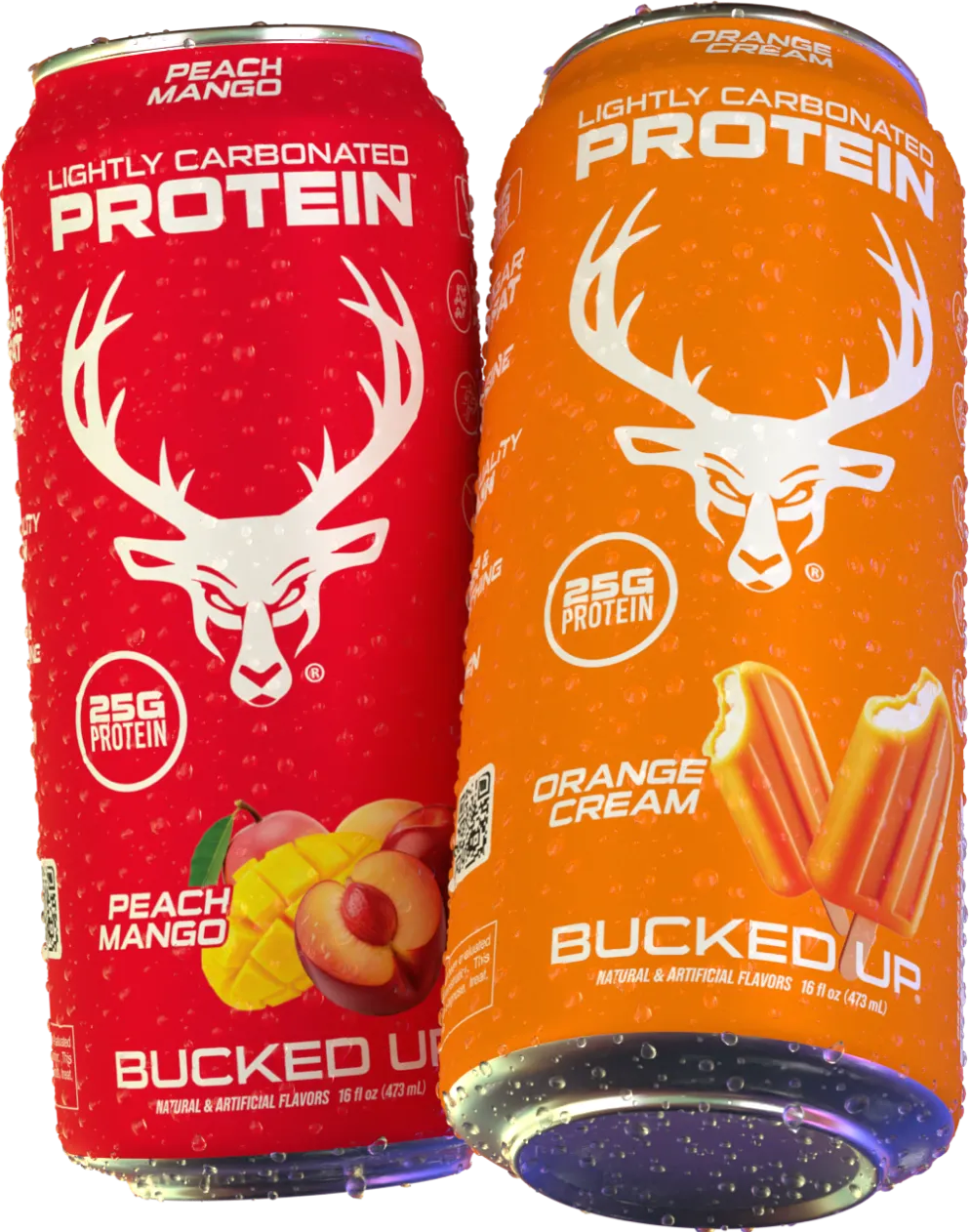
- Carbonated options like Bucked Up Protein Soda offer a clear, refreshing alternative to thick shakes, which can help elderly parents stay consistent with daily protein.
- Evidence shows that 20–30 gram servings of leucine-rich protein can improve or reverse sarcopenia in many seniors over 70 when paired with light exercise.1
- Daily use of a drink such as Bucked Up Protein Soda can help seniors reach 25 grams of whey isolate per day in a format they often enjoy, which supports muscle health and independence.1
Key Nutrition Features in Protein Drinks for Seniors with Sarcopenia
Effective liquid protein drinks for elderly individuals with sarcopenia need to meet clear nutritional standards. Many experts favor products where whey protein isolate may provide faster absorption compared to concentrate forms, because this delivers complete amino acids more rapidly to aging muscles.1 This rapid delivery becomes more useful when each serving contains at least 25 grams of high-quality protein and more than 2.5 grams of leucine, since these levels help overcome age-related resistance to muscle building.1 Beyond protein content, drinks that stay under 150 calories and below 5 grams of sugar can support healthy weight and blood sugar control in older adults.1
The comparison table below shows how several leading protein drinks align with these criteria, so you can quickly see which options balance protein content with calorie and sugar control for seniors managing sarcopenia.
| Product | Protein (g/type) | Calories | Sugar (g) | Key Features |
|---|---|---|---|---|
| Bucked Up Protein Soda | 25g whey isolate* | 100 | 0 | Carbonated, caffeine-free |
| Ensure Max Protein | 30g whey blend* | 150 | 1 | Ready-to-drink shake |
| Premier Protein | 30g protein* | 160 | 1 | Multiple flavors |
| Boost High Protein | 20g protein* | 250 | 11 | Added vitamins |
*Product labels or official sites; verify current nutrition facts before purchase.
7 Liquid Protein Drinks for Elderly Adults with Sarcopenia
1. Bucked Up Protein Soda
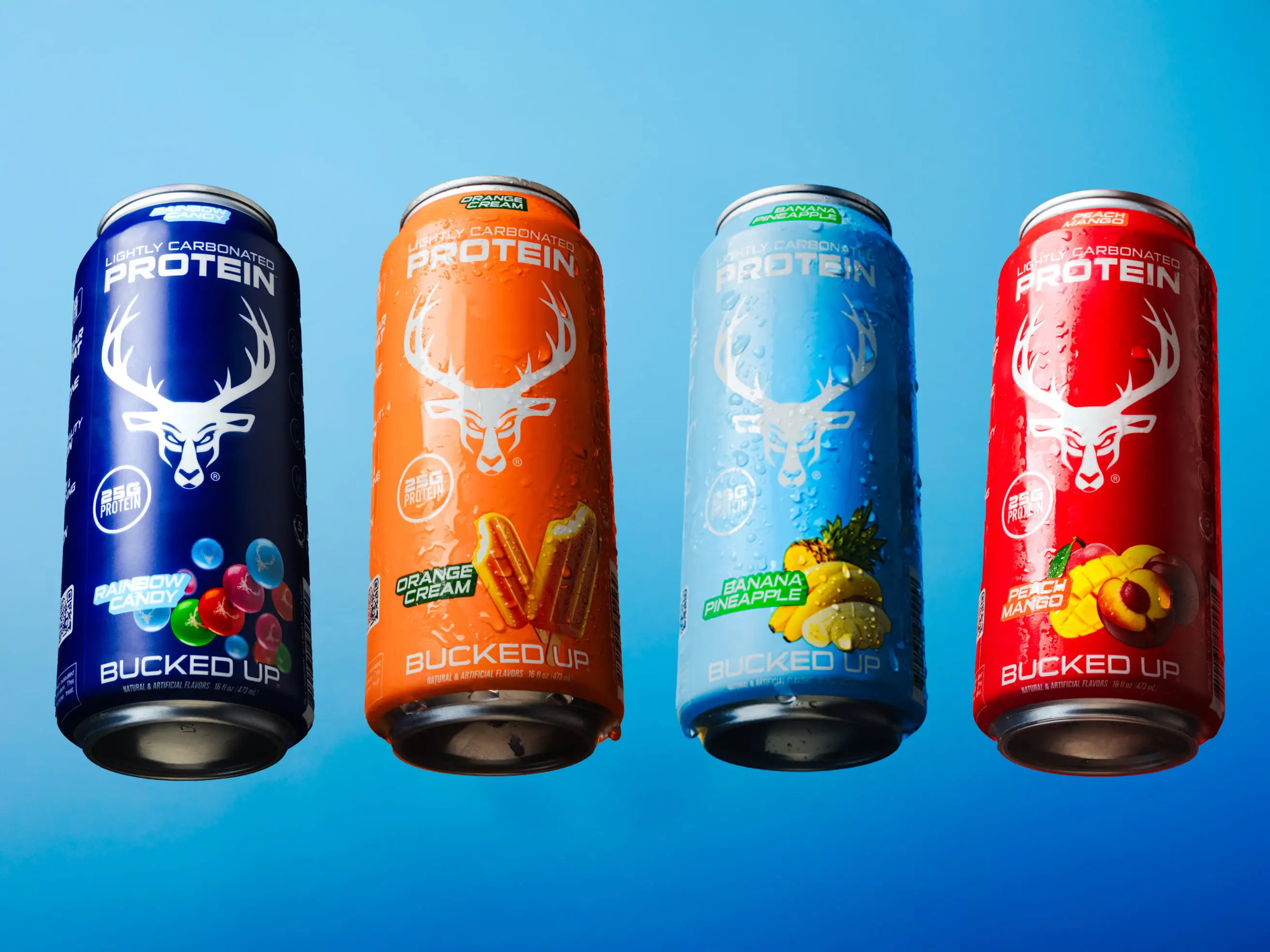
Bucked Up Protein Soda directly addresses a common barrier to protein use in elderly patients: dislike of thick, milky textures. This carbonated beverage delivers 25 grams of 100% whey protein isolate in a clear, refreshing format that tastes similar to an energy drink but contains no caffeine or sugar. The isolate form supports faster absorption than many concentrate blends, and the carbonation can feel easier to drink for seniors who struggle with traditional shakes.1 At only 100 calories with zero carbohydrates, it can fit into weight management plans that are common in older adults. The complete amino acid profile includes enough leucine to help trigger muscle protein synthesis in aging muscles.1 Try Bucked Up Protein Soda if your elderly parent needs a protein drink they are more likely to enjoy every day.
2. Ensure Max Protein
Ensure Max Protein provides 30 grams of whey protein blend in a ready-to-drink shake. This option includes added vitamins and minerals that target common nutrient gaps in older adults. Each 150-calorie serving contains only 1 gram of sugar, which can work well for many diabetic seniors. The thick, milky consistency may still feel difficult for elderly individuals with texture sensitivities or swallowing challenges, so caregivers may need to test tolerance.
3. Premier Protein
Premier Protein delivers 30 grams of protein from milk protein concentrate and calcium caseinate per 11 fl oz serving and comes in several flavors. This variety helps caregivers match taste preferences, which can support consistent use. The 160-calorie shake contains 1 gram of sugar and offers solid nutritional value for many seniors. The creamy texture resembles other traditional shakes, which may pose problems for those with swallowing issues or who prefer lighter, clearer drinks.
4. Boost High Protein
Boost High Protein contains 20 grams of protein along with added vitamins and minerals. While it offers broad nutritional support, the 250-calorie serving includes 11 grams of total sugars (all added sugars), which may conflict with dietary plans for seniors managing diabetes or weight. Because the protein content is lower than some alternatives, older adults may need larger or more frequent servings to meet daily protein goals.
5. Fairlife Core Power
Fairlife Core Power offers 26 grams of ultra-filtered milk protein in a drink that feels lighter than many standard shakes. The 170-calorie beverage contains 5 grams of sugar and relies on milk as its primary protein source. Some seniors may find the thinner texture easier to tolerate, although it still maintains a dairy-based mouthfeel that may not suit everyone.
6. Muscle Milk
Muscle Milk provides 25 grams of protein from a blend of whey and casein, which can support both quick and slower protein release. Many versions contain higher calories and more sugar than senior-focused products, which may not match the needs of elderly adults who monitor weight or blood sugar. The thicker consistency and calorie density can feel heavy for seniors with low appetite or early fullness.
7. Orgain Organic Protein
Orgain Organic Protein offers a plant-based option with 21 grams of protein from pea, brown rice, and chia. This drink can work well for seniors who avoid dairy or follow plant-focused diets. Plant proteins usually contain less leucine than whey isolate, so older adults may need larger servings or additional protein sources to reach similar muscle-building signals.
Can Protein Shakes Support Sarcopenia Treatment?
Evidence supports a role for protein supplementation in sarcopenia management.1 Research demonstrates that 20–30 gram servings of leucine-rich protein can reverse muscle loss in adults over 70, with benefits seen in roughly 70% of participants.1 These findings build on the earlier point that serving size and leucine content matter more than total daily protein alone. Whey protein isolate can provide the complete amino acid profile and absorption rate needed to support muscle protein synthesis in older adults.1 Consistent daily intake, paired with light resistance exercise or walking as tolerated, gives seniors the best chance to slow or reverse sarcopenia.
Practical Tips for Choosing and Using Protein Drinks with Your Parent
Caregivers should start by talking with a healthcare provider before adding any protein supplement, especially when kidney issues or multiple medications are present. Begin with one serving per day and watch for tolerance, then increase to 1–2 servings only if your parent and their clinician agree it is appropriate. Selecting whey isolate instead of concentrate can reduce digestive discomfort and improve absorption, which becomes more important as digestion changes with age.1 Taste and texture matter as much as nutrition, because seniors will only benefit if they drink the product regularly; carbonated options like Bucked Up can help parents who dislike thick, creamy shakes. Pairing protein intake with gentle resistance exercises or physical therapy, when approved by medical professionals, can further support muscle strength and function.
Frequently Asked Questions
What is a good protein drink for elderly women with sarcopenia?
Elderly women with sarcopenia often do well with easily digested drinks that provide 25–30 grams of complete protein per serving. Whey protein isolate tends to absorb faster than concentrate, which can suit aging digestive systems.1 Carbonated protein beverages like Bucked Up Protein Soda can reduce texture-related aversion while still delivering the leucine needed to stimulate muscle protein synthesis.1 The light, refreshing format can encourage daily use, which is essential for rebuilding or maintaining muscle in older women.
Are protein drinks safe for seniors over 70 to consume every day?
Protein drinks are generally safe for daily use in seniors over 70 when chosen carefully and used under medical guidance. Low-calorie, low-sugar options that rely on whey protein isolate can support nutrition without adding many extra calories. Caffeine-free products also fit better with evening routines and complex medication schedules. Seniors should still consult their healthcare providers first, particularly if they live with kidney disease, diabetes, or take several medications that might interact with higher protein intake.
How do protein drinks for seniors over 70 differ from regular protein shakes?
Protein drinks designed for seniors over 70 usually focus on easier digestion, lower calorie counts, and reduced sugar compared to many standard shakes. Formulations often use whey protein isolate instead of concentrate to improve absorption and limit digestive upset. Some senior-focused products add vitamins and minerals that address common deficiencies in older adults. Many also adjust texture and flavor to match changing taste preferences and to support those with chewing or swallowing difficulties.
Is whey isolate a better choice than concentrate for sarcopenia?
Many clinicians consider whey protein isolate a strong option for sarcopenia compared to whey concentrate. Isolate goes through extra processing that removes most lactose, fat, and carbohydrates, which results in a higher percentage of protein per serving and can support faster absorption.1 This quicker delivery of amino acids can help older adults who experience anabolic resistance and need a stronger protein signal to build muscle.1 Isolate also tends to cause fewer digestive issues in seniors with lactose sensitivity, which supports consistent daily use.1 *
Can Bucked Up Protein Soda be used safely by elderly parents every day?
Bucked Up Protein Soda is formulated for regular use and can fit into many seniors’ daily routines. The caffeine-free formula reduces concerns about sleep disruption, which often matters for older adults. The sugar-free, carb-free profile can support diabetes management and weight control goals that are common in this age group.1 Production in GMP-certified facilities helps maintain consistent quality, although it does not guarantee the absence of side effects. Elderly individuals should still review this product with their healthcare providers before daily use, especially if they have kidney conditions or complex medication regimens.
Conclusion: Matching Protein Drinks to Your Parent’s Needs
Choosing the right liquid protein drink can strongly influence your elderly parent’s ability to maintain muscle mass and independence. Traditional shakes can work well nutritionally, but many seniors struggle with their heavy texture and sweetness, which reduces long-term use. Innovative carbonated options like Bucked Up Protein Soda can address these barriers by offering a clear, refreshing drink that still delivers high-quality whey isolate and a sugar-free formula. Explore Bucked Up Protein Soda if your goal is to give your parent a protein drink they are more likely to enjoy every day, supporting muscle health and overall quality of life.
1 The content provided in this article is for informational purposes only and is not medical advice. Consult with a medical professional before implementing any changes to your diet, health, or exercise routines.
Individual results will vary and are based on a combination of each individual’s diet, exercise, age, and health circumstances.
These statements have not been evaluated by the Food and Drug Administration. This product is not intended to diagnose, treat, cure or prevent any disease.
This article was written by Ryan Gardner, CEO of Bucked Up. As the maker of Bucked Up Protein Soda, we have a financial interest in this information. The views expressed are our own and should be read with that context in mind.