Last updated: April 22, 2026
Key takeaways for low calorie, high protein drinks
- The 2025-2030 Dietary Guidelines recommend 1.2-1.6g protein per kg of body weight per day. For a 150lb person, that equals roughly 80-110g daily to support weight loss and muscle maintenance.
- Low calorie, high protein drinks work well when the protein-to-calorie ratio stays above 0.20. Whey isolate often supports faster absorption and lower lactose content than whey concentrate.1
- Clear, carbonated protein sodas can feel lighter than traditional milky shakes. Many people find the refreshing texture and easier digestibility especially helpful when using GLP-1 medications.1
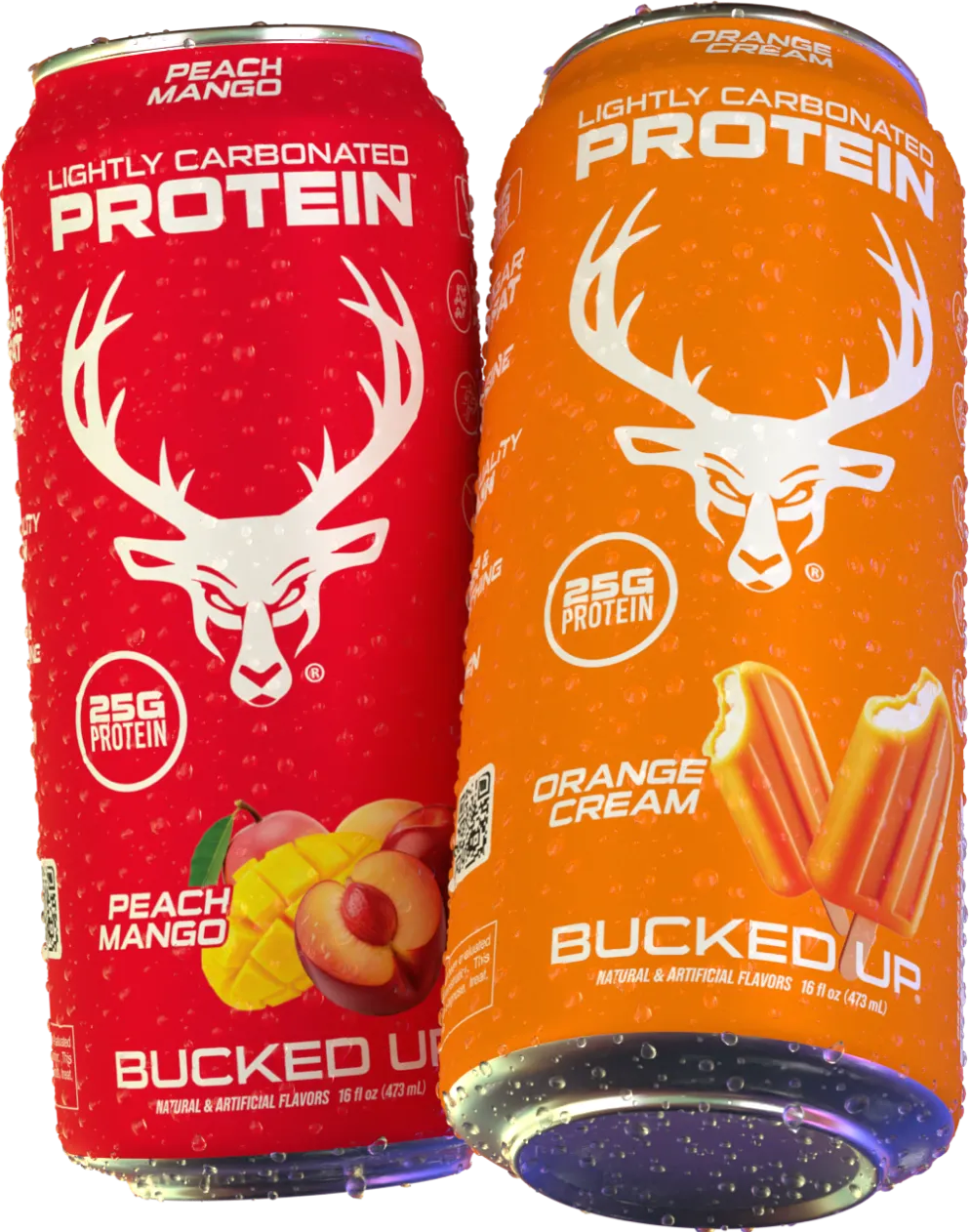
- Bucked Up Protein Soda provides 25g whey isolate at 100 calories, with zero sugar and zero carbs. This density supports efficient protein intake without a heavy shake texture.1
- Bucked Up Protein Soda can offer a practical balance of protein density, taste, and convenience for muscle support and weight management.1
Quick comparison table: protein density at a glance
The table below compares protein drinks by protein-to-calorie ratio, protein type, and texture. Use it to see how efficiently each option delivers protein for every 100 calories.
| Brand/Product | Protein (g)/Calories | Protein-to-Calorie Ratio | Protein Type/Texture |
|---|---|---|---|
| Bucked Up Protein Soda | 25g/100 calories | 0.25 | Whey isolate/Carbonated clear |
| Pure Protein Vanilla Cream | 25g/160 calories | 0.16 | Whey concentrate/Milky shake |
| Fairlife Core Power Salted Caramel | 30g/150 calories | 0.20 | Milk protein/Milky shake |
All High Protein Snacks database tracks many protein drinks across brands. Most options provide less protein per 100 calories than the drinks listed above. These featured products offer relatively strong protein density. Whey protein isolate can also absorb more quickly than some whey concentrate formulations.1
What defines an effective low calorie, high protein drink
Strong low calorie protein drinks follow a few clear rules that support weight management and muscle preservation.
- Protein-to-calorie ratio above 0.20: This ratio delivers meaningful protein while keeping calories in check.
- Preference for whey protein isolate: Faster absorption and lower lactose content can reduce digestive discomfort for many people.1
- Clear, carbonated texture: A light, soda-like feel can be easier to drink consistently than thick, milky shakes.
- Zero sugar and minimal carbohydrates: This profile supports ketogenic and other low-carb approaches.
- GLP-1 medication compatibility: A light texture can feel more manageable when appetite is reduced.
- Complete amino acid profile: Whey isolate supplies all essential amino acids, unlike collagen-only proteins.
Bucked Up Protein Soda aligns with these criteria through its caffeine-free formulation and clear whey isolate base. Try Bucked Up Protein Soda if you want a drink that focuses calories on protein instead of sugars or fillers.
The following product breakdowns show how these criteria appear in real drinks, including trade-offs in texture, calories, and protein type.
Top low calorie, high protein drink options
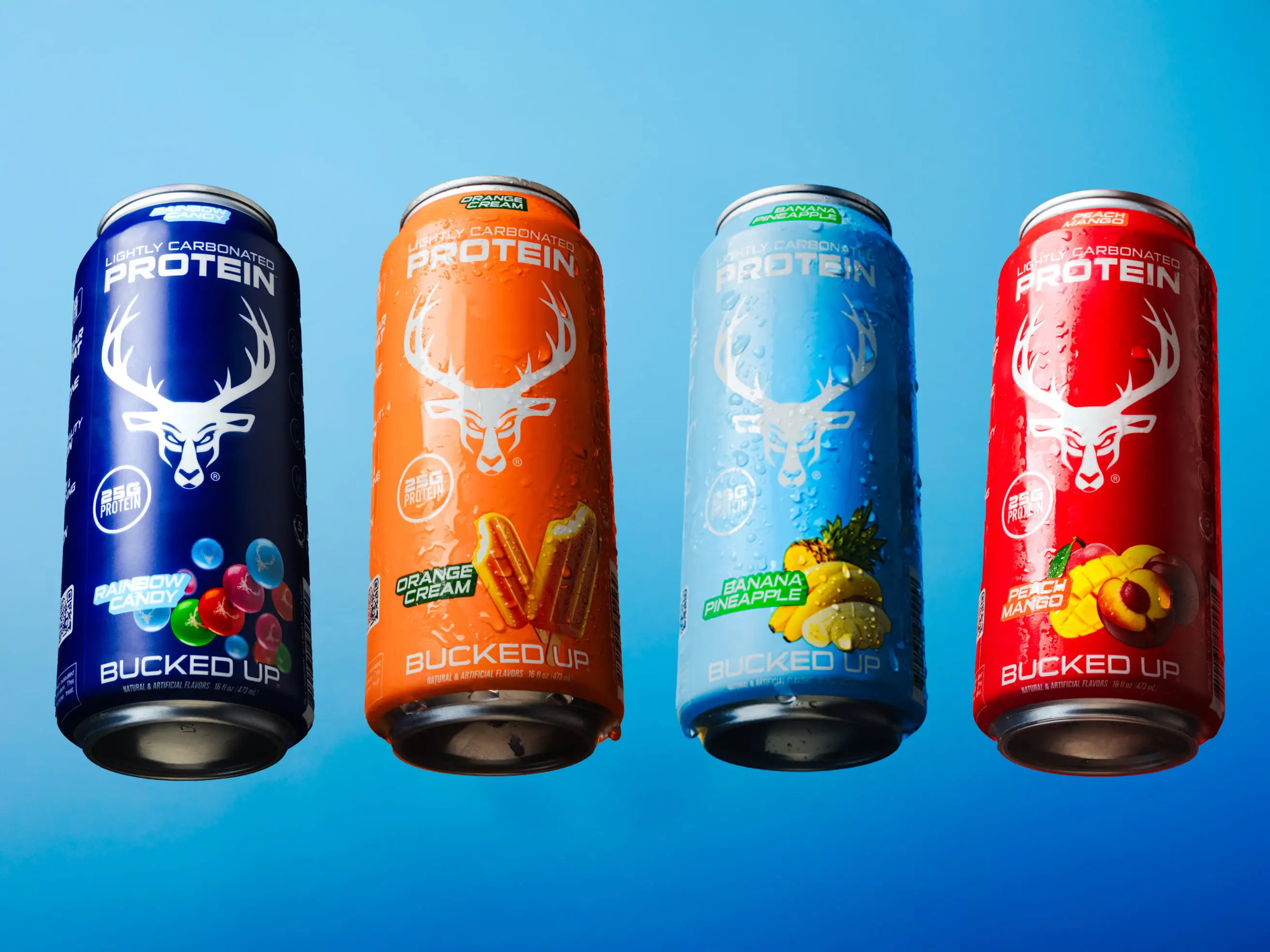
1. Bucked Up Protein Soda
Specs: 25g whey isolate, 100 calories, 0.25 ratio, zero sugar, zero carbs.
Why consider it: This carbonated protein soda delivers whey isolate in a drink that feels closer to an energy drink than a shake. The light texture can work well for GLP-1 users and anyone who wants protein without a heavy, creamy mouthfeel.1
2. Pure Protein Vanilla Cream Shake
Specs: 25g/160 calories, 0.16 ratio.
Pros: Provides a solid protein amount per bottle and is easy to find in many stores.
Cons: Milky texture and higher calories per serving. The whey concentrate base may digest more slowly for some people.
3. Fairlife Core Power
Specs: 30g protein, 150 calories, 0.20 ratio.
Pros: Uses a milk protein base and offers higher absolute protein per bottle.
Cons: Higher lactose content and creamy texture can cause bloating or heaviness for some drinkers.
These serving sizes line up with research from the University of Illinois, which shows that 25-30 grams of protein per meal can maximize muscle protein synthesis. Hitting that range supports metabolism and satiety during weight loss.
Protein drinks for weight loss and GLP-1 users
People using GLP-1 medications such as Ozempic often struggle to eat enough protein because appetite drops and meals feel smaller. Experts at the Stanford Prevention Research Center note that higher protein intake helps protect muscle during weight loss. They suggest using 1.6g of protein per kilogram of adjusted body weight for many individuals with a BMI over 30.
Bucked Up Protein Soda can support these needs through its light, carbonated format that feels easier on sensitive stomachs when every sip counts.1 The 100% whey protein isolate provides complete essential amino acids, which helps preserve muscle when total food intake drops.1 The zero-carb, zero-sugar profile also fits ketogenic, paleo, and other low-carb patterns that many weight loss patients follow.
Experience clear whey isolate in Bucked Up if you want a protein source that feels lighter than a shake but still supports daily targets.
Why clear carbonated protein feels different from milky shakes
Traditional protein shakes use milk-based formulas that can cause digestive discomfort and leave a heavy feeling after drinking. This heaviness often comes from the fat and lactose in many whey concentrate or milk protein blends, which can slow digestion and cause bloating.
Clear, carbonated protein drinks take a different approach. The lighter liquid and carbonation create a sensation closer to a flavored soda or energy drink. That experience can make daily protein intake feel more like a simple beverage choice instead of a meal replacement chore, which helps with long-term consistency.
Bucked Up helped popularize this clear, carbonated style with energy drink-inspired flavors that many people find easier to sip throughout the day. Its caffeine-free formulation also fits evening use without affecting sleep.
Common questions about low calorie, high protein drinks
What are strong low calorie, high protein shake options?
Protein-to-calorie ratios offer a simple way to compare drinks. Bucked Up Protein Soda sits at a 0.25 ratio, while options like Pure Protein and Fairlife Core Power fall slightly lower. Clear whey isolate drinks can also feel more refreshing and may digest more comfortably than many traditional milky shakes.
Which protein drink can support weight loss goals?
Bucked Up Protein Soda uses a high protein-to-calorie ratio with zero sugar and zero carbs, which can support calorie control.1 Its whey isolate base helps supply complete amino acids while keeping the drink light enough for regular use during a cut.1
Which drink combines high protein with relatively low calories?
Among ready-to-drink options in this comparison, Bucked Up reaches a 0.25 protein-to-calorie ratio. Pure Protein Vanilla Cream also offers 25g protein but at 160 calories, which slightly lowers efficiency.
How does Bucked Up compare with other protein drinks?
Bucked Up stands out through its carbonated, clear format, 100% whey protein isolate, and flavor profile that feels similar to an energy drink. Some competing products use whey concentrate or collagen blends, while Bucked Up focuses on a complete amino acid profile with a lighter drinking experience.
Meeting the updated 2025-2030 Dietary Guidelines for protein often requires convenient, repeatable options. Bucked Up Protein Soda offers one such option by pairing strong protein density with a format that many people can enjoy daily. Explore flavors and order if you want to test this style of protein drink in your routine.
Frequently asked questions about protein needs and drink quality
How much protein do I need per day for weight loss and muscle maintenance?
The 2025-2030 Dietary Guidelines for Americans recommend 1.2-1.6 grams of protein per kilogram of body weight each day. For a 150lb person, that equals about 80-110 grams daily. This higher range reflects research showing that more protein can help preserve muscle during weight loss. People using GLP-1 medications or following strict calorie limits often benefit from the upper end of this range. Spreading intake across the day, with roughly 25-30 grams per meal, supports muscle protein synthesis more consistently.
What is the difference between whey protein isolate and concentrate, and why does it matter?
Whey protein isolate goes through extra filtration to reach 90% or more protein content with very little lactose and fat. In contrast, whey protein concentrate contains 25% to 89.9% protein and usually carries more lactose and fat. Isolate often absorbs faster, can feel easier on digestion for lactose-sensitive people, and delivers more protein per calorie. These traits make isolate appealing for weight management and for anyone who wants protein without extra heaviness.1
Why can carbonated protein drinks feel better than traditional protein shakes?
Carbonated protein drinks offer a light, refreshing experience without the thick, chalky texture that some shakes have. The clear, bubbly format fits well at any time of day, not just around workouts. Many of these drinks rely on whey isolate, which can support quicker digestion and less heaviness than some milk-based formulas. For people with reduced appetite, including many GLP-1 users, this lighter feel can make regular protein intake more manageable.
Are protein drinks safe for daily use, and what signals quality?
Well-formulated protein drinks are generally safe for daily use when produced under Good Manufacturing Practices (GMP) and used within a balanced diet. GMP refers to manufacturing standards that help ensure consistency and safety. Look for drinks with complete amino acid profiles from whey isolate, low added sugar, transparent labels, and third-party testing for purity. Products that rely heavily on collagen alone may not provide a complete amino acid profile. People with medical conditions or specific dietary needs should check with a healthcare professional.
How do I pick the right protein drink for my goals?
Match the drink to your main goal. For weight loss, focus on high protein-to-calorie ratios above 0.20 with very low sugar. For muscle building, look for complete amino acid profiles and servings in the 25-30g protein range. For convenience and taste, consider clear, carbonated options that feel easy to drink daily. For digestive sensitivity, choose isolate-based products with minimal lactose and simple ingredient lists. Factor in your schedule, flavor preferences, and any dietary rules when making a final choice.
1 The content provided in this article is for informational purposes only and is not medical advice. Consult with a medical professional before implementing any changes to your diet, health, or exercise routines.
Individual results will vary and are based on a combination of each individual’s diet, exercise, age, and health circumstances.
These statements have not been evaluated by the Food and Drug Administration. This product is not intended to diagnose, treat, cure or prevent any disease.
This article was written by Ryan Gardner, CEO of Bucked Up. As the maker of Bucked Up Protein Soda, we have a financial interest in this information. The views expressed are our own and should be read with that context in mind.