Last updated: April 22, 2026
Why Low-Calorie, High-Protein Drinks Matter in 2026
- Low-calorie, high-protein ready-to-drink options under 200 calories with at least 20 grams of protein help preserve muscle during weight loss, especially for GLP-1 users with reduced appetite.1
- Aim for 1.2-1.6 grams of protein per lb of body weight daily, and choose meal replacements where protein provides at least 30% of total calories to support fullness.1
- Whey isolate offers higher purity, faster absorption, and more leucine than concentrates, which supports body composition and rapid digestion.1
- Popular options include Bucked Up Protein Soda, Premier Protein, Slate Milk, and others that serve different calorie, carb, and texture preferences.
- Bucked Up Protein Soda provides a refreshing, carbonated option that fits keto, weight loss, and everyday use without the heaviness of traditional shakes.
Low Calorie High Protein Meal Replacement Drinks Compared
1. Bucked Up Protein Soda: Carbonated Protein for a Lighter Feel
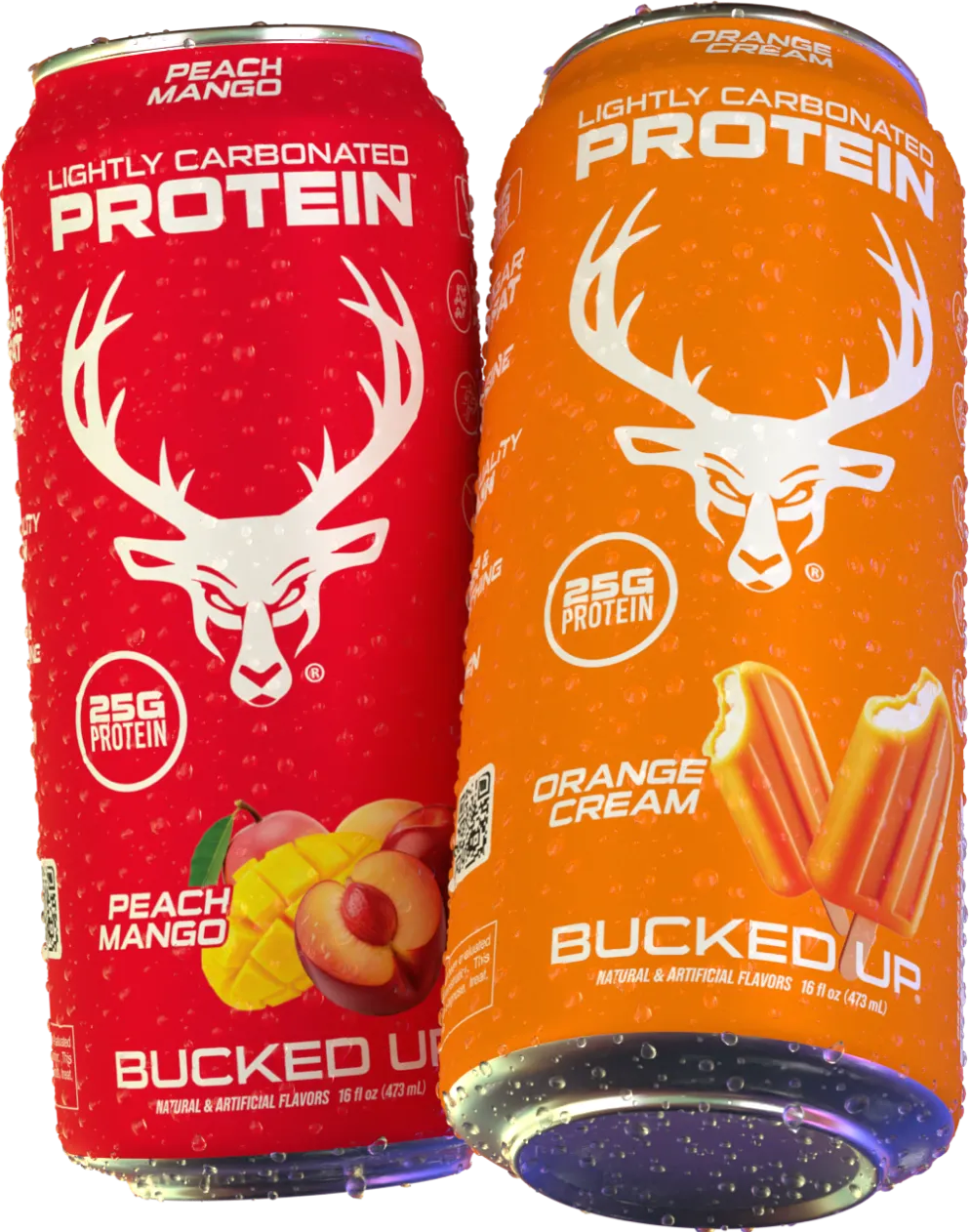
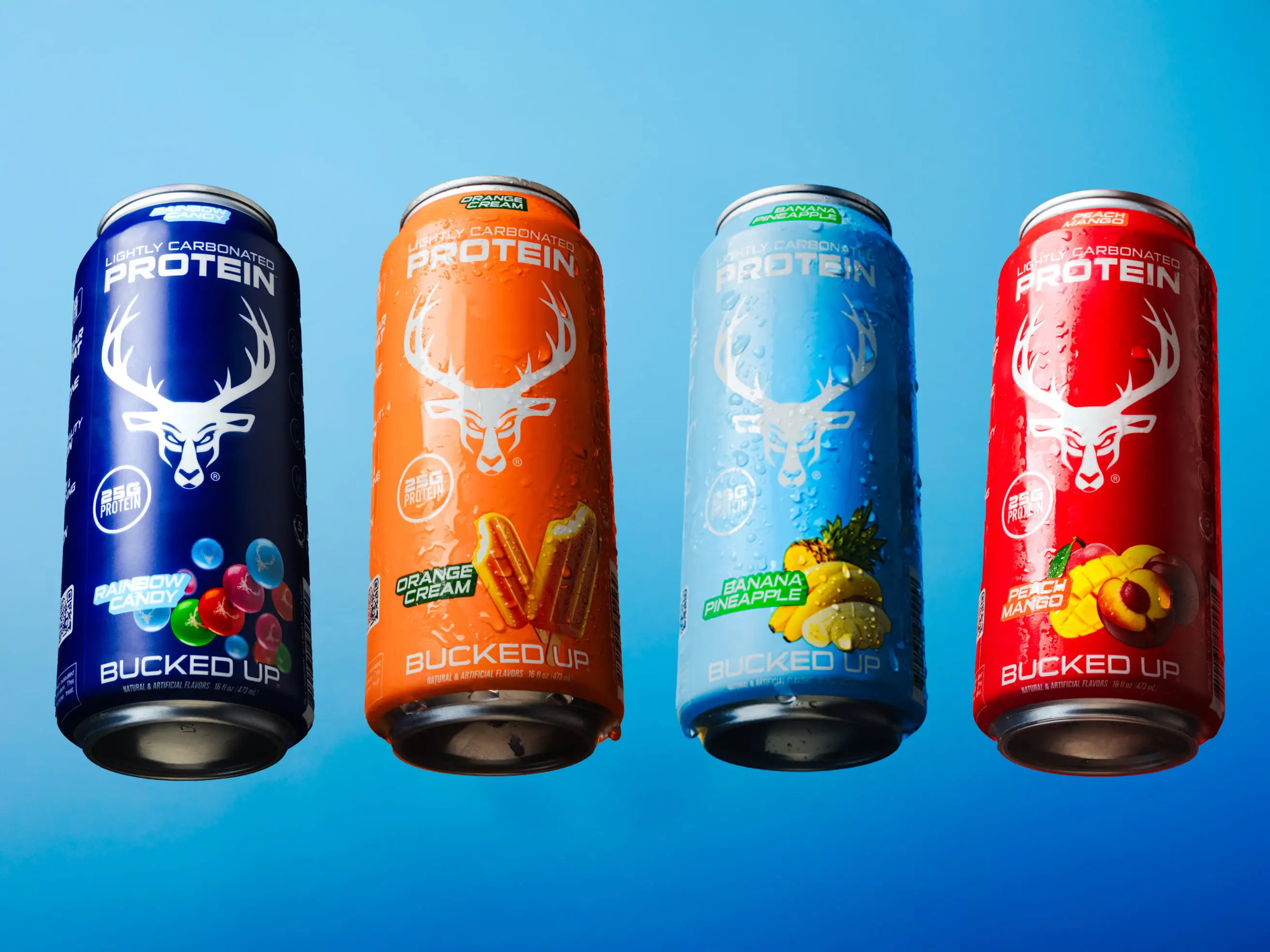
Bucked Up Protein Soda delivers 25 grams of whey protein isolate in just 100 calories through a clear, carbonated drink. It uses whey isolate to support fast absorption and a complete amino acid profile.1
The lightly carbonated, caffeine-free formula creates a lighter sensory experience than heavy, chalky protein shakes. This carbonated approach supports a zero-sugar, zero-carb formulation that works well for keto diets and structured weight management plans, while still delivering a taste that feels closer to an energy drink than a thick shake.1
Try Bucked Up Protein Soda if you want a clear, bubbly protein drink instead of a creamy shake.
2. Premier Protein: Classic Creamy Shakes
Premier Protein’s Classic, Coffeehouse, and Indulgence Protein Shakes each contain 30 grams of protein per shake in 160 calories with a traditional creamy texture. The higher calorie count reflects added ingredients that increase thickness and flavor.
Premier Protein shakes contain 3-5 grams of carbohydrates depending on flavor and 1 gram of sugar, which may suit users who prefer a more dessert-like shake and are less focused on very low-carb intake.
Explore Premier Protein shakes if you like rich, creamy textures and higher protein per bottle.
3. OWYN (Only What You Need): Plant-Based and Allergen-Friendly
OWYN provides 20 grams of plant-based protein for users who avoid dairy. OWYN Vanilla Balanced Nutrition Shake has 250 calories per serving, reflecting the extra calories often needed in plant-based formulas to reach similar protein levels.
The allergen-free formula uses pea protein and contains varying carbohydrate amounts depending on the product. OWYN High Protein Complete Nutrition Shakes contain 0g total sugars per serving, which can appeal to users watching sugar but comfortable with moderate carbs.
Browse OWYN shakes if you need a vegan, allergen-friendly option.
4. Fairlife Core Power: Lactose-Free Dairy Protein
Fairlife Core Power 26g Protein Shakes have 170 calories per 14 fl. oz. (414 mL) serving and use lactose-free dairy protein for users sensitive to lactose.
Each serving contains 8 grams of carbohydrates, and Fairlife Core Power Chocolate 26g Protein Shake contains 5g total sugars (includes 0g added sugars) per 14 fl. oz. serving. This profile can work for users who want lactose-free dairy protein but are not strictly low-carb.
Check Fairlife Core Power flavors if you want lactose-free dairy with a creamy texture.
5. Muscle Milk: Widely Available RTD Protein
Muscle Milk Genuine Protein Shake provides 25 grams of protein in a ready-to-drink format that is easy to find in many stores.
Calorie content varies by flavor, so checking the label helps you match it to your goals. Genuine Muscle Milk Protein Shake Chocolate contains 8g total carbohydrates per 330 ml serving with 0 grams of sugar. Labels also show whether a specific product uses protein concentrates, isolates, or blends.
Compare Muscle Milk options if you value convenience and broad retail availability.
6. Slate Milk: Low-Calorie, Lactose-Free Shakes
Slate Milk offers 20 grams of protein in a lactose-free dairy base. Slate Milk protein shakes have 100-110 calories per 11 fl oz serving, depending on the flavor, which keeps calories relatively low for a creamy shake.
The formula contains varying carbohydrate amounts, and Slate Milk shakes contain 1g or 2g of sugar. This balance can work for users who want a lighter dairy shake with fewer calories than many traditional options.
See Slate Milk flavors if you want a low-calorie, lactose-free shake.
7. Orgain Organic: Higher-Carb Plant-Based Powder
Orgain Organic provides 21 grams of protein in 150 calories using a plant-based blend.
Orgain Organic Protein Plant Based Protein Powder Sweet Vanilla Bean has 150 calories per 2 rounded scoops (46 g) serving. Orgain Organic Protein Powder + 50 Superfoods contains 20g of total carbohydrates per 2 scoops (51g) serving and Orgain Organic Plant-Based Protein Powder contains 0 grams of sugar per serving, so it is higher in carbs than some low-carb competitors while remaining sugar-free.
Explore Orgain powders if you want organic, plant-based protein and do not mind a higher carb content.
Best Options for Weight Loss Goals
For weight loss, drinks under 150 calories with high protein density help you stay full while keeping calories in check. The body burns roughly 20 to 30 percent of protein calories during digestion and processing, compared to 5 to 10 percent for carbohydrates, which increases the energy cost of protein intake.1
Bucked Up Protein Soda provides a 100-calorie profile with 25 grams of protein, which supports this thermic effect while limiting total calories. This combination can fit into calorie-controlled plans that still prioritize muscle maintenance.1
Best Options for GLP-1 Users on Wegovy or Ozempic
GLP-1 weight loss medication users must prioritize protein alongside hydration and fiber-rich foods to maintain nutrient intake, prevent muscle loss, and support satiety during weight loss.1 Many users find it easier to drink calories than to eat full meals when appetite drops.
Light, easily digestible formats such as carbonated protein drinks avoid the heaviness that can worsen nausea or digestive discomfort common with these medications. Whether you are managing weight loss, using GLP-1 medications, or simply want efficient protein delivery, these same principles for protein quality, quantity, and digestibility apply.
How to Choose a Low-Calorie, High-Protein Meal Replacement
Start with protein quality. Whey protein is the gold standard for shakes due to its high leucine content, with research showing it can reduce body fat and improve body composition.1 Whey isolate offers higher purity and less lactose than concentrates, which can support faster absorption and fewer digestive issues.1
Once you feel confident about protein quality, look at protein quantity per serving. A protein range of 20 to 35 grams per serving in high-protein meal replacements supports satiety, metabolic function, and muscle mass preservation during caloric restriction.1 Choose products where protein accounts for at least about 30% of total calories so the drink functions as a true high-protein option rather than a flavored beverage with a small protein boost.
Finally, review the ingredient list for added sugars and unnecessary thickeners. Avoid low-quality protein shakes with more than 2–3 grams of added sugar per serving and artificial thickeners like carrageenan, which can cause digestive bloating.1 Consider how your stomach feels after drinking different products, especially if you use GLP-1 medications or experience appetite suppression.
Get carbonated protein delivered if you want to test a lighter-feeling alternative to traditional shakes.
Frequently Asked Questions
What are effective low calorie high protein shakes for weight loss?
Effective options usually provide 20-30 grams of high-quality protein in under 150 calories, which supports fullness without a large calorie load.1 Bucked Up Protein Soda delivers the protein density mentioned earlier while keeping calories low, and the carbonated format can feel easier to drink than thick shakes during calorie restriction.
Can I drink protein shakes while on Wegovy or Ozempic?
Yes. Liquid protein sources often work well for GLP-1 medication users who experience reduced appetite or difficulty with solid foods. The light, carbonated format of products like Bucked Up Protein Soda can help support muscle maintenance during rapid weight loss while remaining gentle on a sensitive digestive system.1
Prioritize easily absorbed whey isolate when possible, since heavier protein concentrates or very thick shakes may feel uncomfortable for some users.1
Does Bucked Up Protein Soda taste like a traditional protein shake?
No. Bucked Up Protein Soda tastes more like a crisp, refreshing energy drink than a creamy shake, and it avoids a milky texture or chalky residue. The carbonated format removes the thick, heavy mouthfeel that many users associate with protein shakes.
The clear, light formula creates a different sensory experience while still delivering meaningful protein content.
Is Bucked Up Protein Soda safe for daily use and keto diets?
Yes. With zero carbs and zero sugar, it can fit into ketogenic approaches and daily protein routines when used as directed. The product is manufactured in GMP-certified facilities in the USA, which supports consistent quality standards.
The caffeine-free formula also allows use at any time of day without affecting sleep patterns for most users.
What is the difference between whey isolate and whey concentrate?
Whey isolate goes through more extensive filtration than whey concentrate, which increases protein purity and reduces fat and lactose content. This process can make isolate easier and faster for many people to digest compared to concentrate.1
Bucked Up uses 100% whey isolate. When comparing products, check labels to see if they rely on concentrates, blends, or added collagen to reach their stated protein numbers.
Conclusion: Make Protein Work for Your 2026 Goals
Low-calorie, high-protein drinks can support weight management, muscle preservation, and convenience, especially when appetite or time is limited. Traditional shakes often feel heavy and chalky, which can make consistent use difficult.
Bucked Up Protein Soda introduces a different approach by pairing whey isolate with a clear, carbonated format and a low-calorie, carb-free profile. This combination can serve users focused on weight management, GLP-1 support, or simply a lighter way to increase daily protein.
Start with a Bucked Up variety pack to see how carbonated protein fits into your routine and preferences.
1 The content provided in this article is for informational purposes only and is not medical advice. Consult with a medical professional before implementing any changes to your diet, health, or exercise routines.
Individual results will vary and are based on a combination of each individual’s diet, exercise, age, and health circumstances.
These statements have not been evaluated by the Food and Drug Administration. This product is not intended to diagnose, treat, cure or prevent any disease.
This article was written by Ryan Gardner, CEO of Bucked Up. As the maker of Bucked Up Protein Soda, we have a financial interest in this information. The views expressed are our own and should be read with that context in mind.