Last updated: April 22, 2026
Key Takeaways
- Light protein options that deliver at least 20g protein under 150 calories can feel easier on your stomach than thick shakes.
- Bucked Up Protein Soda (25g protein, 100 calories), Greek yogurt smoothies, egg whites, cottage cheese, and collagen water all offer lighter textures.
- Whey protein isolate typically provides 90% or more protein, less than 1% lactose, and faster absorption than concentrate, which can support lighter digestion.1
- GLP-1 users on Wegovy or Ozempic often need 1.2-1.6g protein per kg of body weight daily to help protect muscle, and lighter options can make that target easier to reach without nausea.1
- Bucked Up Protein Soda offers a refreshing, carbonated 25g whey isolate serving in 100 calories for people who dislike heavy shakes.
10 Light, Low-Calorie Protein Alternatives to Heavy Shakes
These ten options are ranked by protein efficiency, digestibility, and how light they feel. The first five provide a strong mix of high protein, lower calories, and easy drinking or eating.
1. Bucked Up Protein Soda
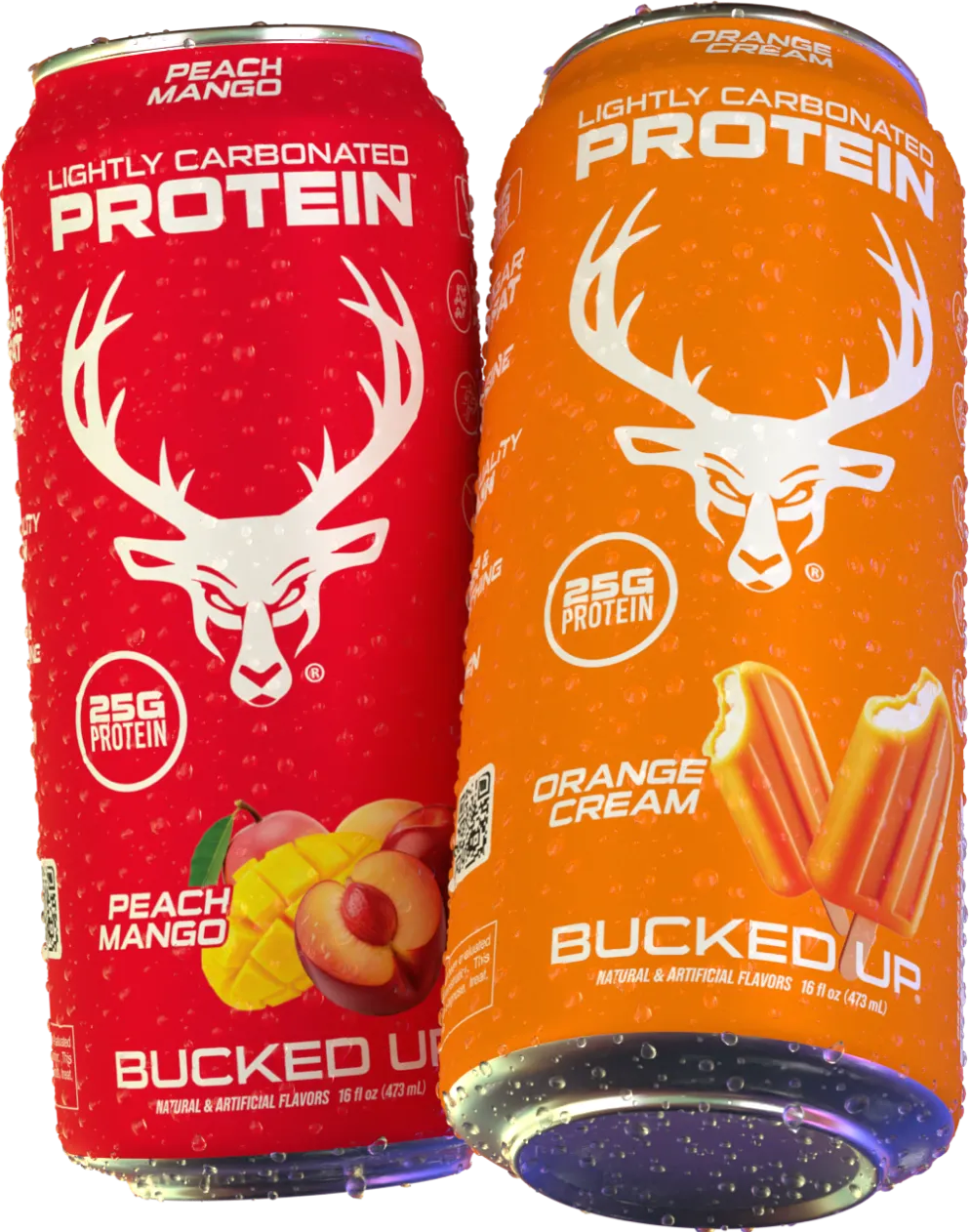
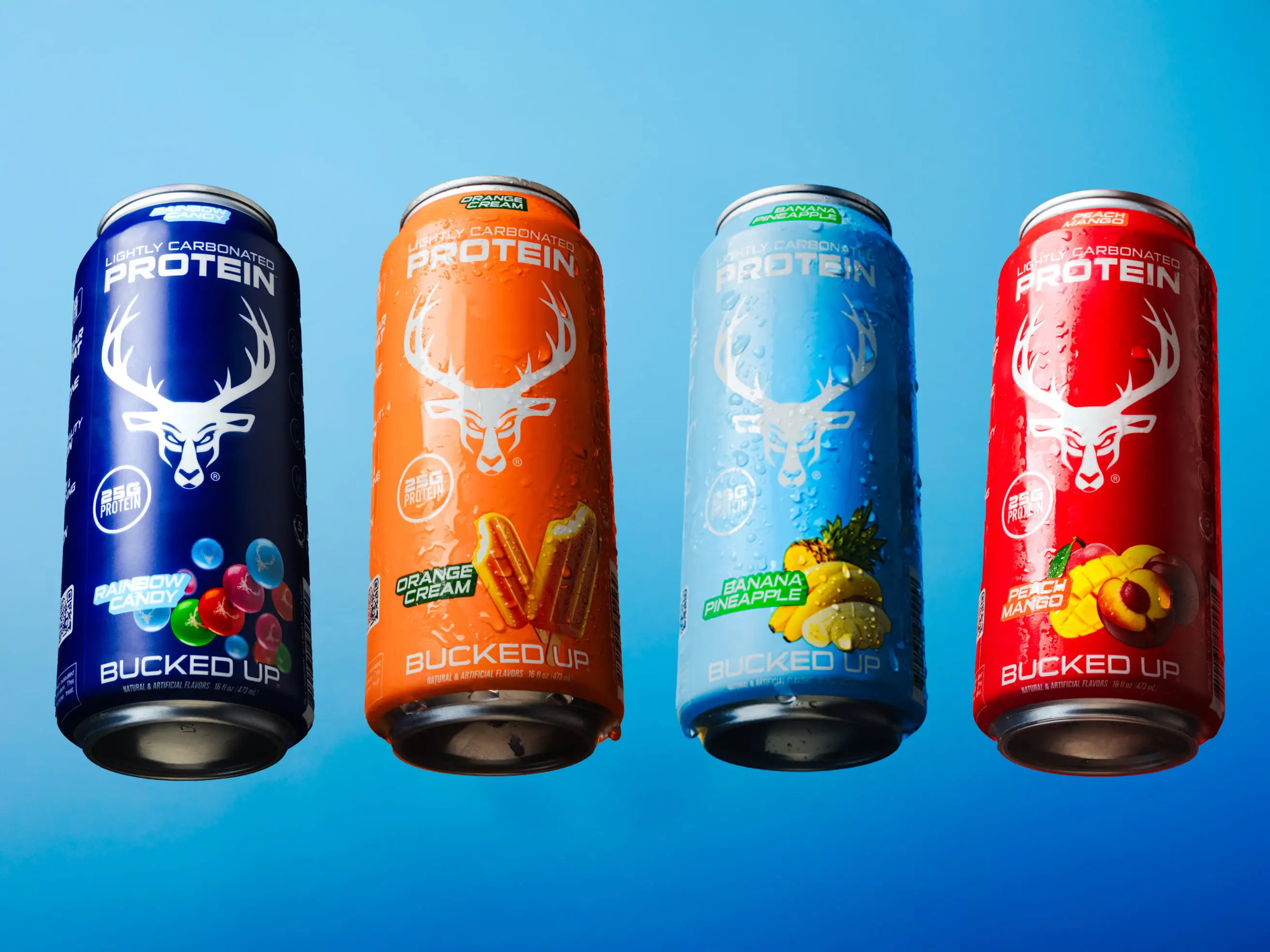
Bucked Up Protein Soda provides a lightly carbonated, caffeine-free drink that tastes like an energy drink instead of a thick shake. This familiar, refreshing format can make it easier to finish the full 25g of whey protein isolate, even when appetite feels low. The clear whey isolate contains less lactose than traditional concentrates, which can help people who feel weighed down by regular protein shakes.1
Pros:
- 25g protein in 100 calories
- Zero sugar, zero carbs, caffeine-free
- Light, carbonated format instead of a creamy shake
- Uses whey isolate for faster absorption and lower lactose1
Cons:
- Higher cost per serving than most powders
- Smaller flavor selection at the moment
Here is the basic nutrition profile per can:
| Calories | Protein (g) | Carbs (g) | Sugar (g) |
|---|---|---|---|
| 100 | 25 | 0 | 0 |
Use it after workouts or as a midday protein boost when you want something light and fizzy. See Bucked Up Protein Soda details.
2. Greek Yogurt Smoothie
Low-fat Greek yogurt provides about 10g protein per 100g serving at roughly 73 calories, which makes a strong base for a lighter smoothie. When you blend it with water and berries, you get a drinkable option that feels less heavy than a full dairy shake. A typical berry yogurt smoothie serving of 113g contains about 120 calories, 13g protein, 16g carbs, and 13g sugar.
Pros:
- Natural probiotics that can support gut health1
- Creamy texture without the thickness of many shakes
- Easy to customize with fruits and flavors
Cons:
- Contains natural sugars from dairy and fruit
- Takes a few minutes to prepare and blend
Here is a sample smoothie nutrition snapshot per 113g serving:
| Calories | Protein (g) | Carbs (g) | Sugar (g) |
|---|---|---|---|
| 120 | 13 | 16 | 13 |
3. Egg White Scramble
Egg whites give you complete protein with very few calories. Three egg whites provide about 17g protein with 75 calories, 2g carbs, and zero sugar, which works well when you want something warm but not heavy.
Pros:
- Complete amino acid profile for muscle support1
- Very low calorie density per gram of protein
- Quick to cook and usually easy to digest
Cons:
- Needs cooking and cleanup
- Lower total protein than some drink options per serving
Here is the approximate nutrition for three egg whites:
| Calories | Protein (g) | Carbs (g) | Sugar (g) |
|---|---|---|---|
| 75 | 17 | 2 | 0 |
4. Cottage Cheese Bowl
Cottage cheese provides about 15.5g protein per ½ cup at roughly 102 calories. It offers strong protein density with a texture that many people find easier to handle than thick shakes.
Pros:
- Rich in casein protein for slower, steady release1
- Lower lactose than many other dairy products
- Ready to eat straight from the container
Cons:
- Curd texture does not appeal to everyone
- Can be higher in sodium
Here is how a ½ cup serving typically looks nutritionally:
| Calories | Protein (g) | Carbs (g) | Sugar (g) |
|---|---|---|---|
| 102 | 15.5 | 4.1 | ~3 |
5. Vital Proteins Collagen Water
Vital Proteins Collagen Water contains about 50 calories, 10g protein, 2g carbs, and 1g sugar per bottle. It drinks like flavored water, which can feel much lighter than milk-based shakes.
Pros:
- Completely clear and very light on the stomach
- Mixes smoothly without clumps
Cons:
- Incomplete amino acid profile
- Less effective for muscle building than whey or egg protein1
Here is the typical nutrition per bottle:
| Calories | Protein (g) | Carbs (g) | Sugar (g) |
|---|---|---|---|
| 50 | 10 | 2 | 1 |
6. Water-Packed Tuna
A 3 oz serving of water-packed tuna offers about 22g protein with under 100 calories and needs almost no prep beyond opening the can. Source.
Pros:
- Very high protein per calorie
- Provides omega-3 fatty acids
- Shelf-stable and easy to store
Cons:
- Mercury exposure can be a concern with frequent intake
- Strong flavor that some people dislike
Here is a typical 3 oz serving profile:
| Calories | Protein (g) | Carbs (g) | Sugar (g) |
|---|---|---|---|
| 99 | 22 | 0 | 0 |
7. Turkey Roll-Ups
Sliced deli turkey wrapped around cucumber or bell pepper strips creates a lean, crunchy snack with modest calories. This option works well when you want something you can chew that still feels light.
Pros:
- High protein-to-calorie ratio
- Crunchy texture that can feel more satisfying than a drink
- Portable and easy to pack
Cons:
- Processed meats can be higher in sodium
- Needs fresh vegetables on hand
Here is an approximate serving breakdown:
| Calories | Protein (g) | Carbs (g) | Sugar (g) |
|---|---|---|---|
| ~110 | ~20 | ~10 | ~2 |
8. OWYN Smooth Vanilla Vegan Protein Shake
This plant-based ready-to-drink shake uses pea, pumpkin seed, and flax proteins for people who avoid dairy. OWYN Smooth Vanilla Vegan Protein Shake contains about 180 calories, 20g protein, 9g carbs, and 4g sugar per serving.
Pros:
- Dairy-free and designed to be allergen-friendly
- Includes omega-3s and fiber
Cons:
- Higher calories than many other options on this list
- Amino acid profile can differ from whey or egg protein
Here is the nutrition per bottle:
| Calories | Protein (g) | Carbs (g) | Sugar (g) |
|---|---|---|---|
| 180 | 20 | 9 | 4 |
9. Fairlife Core Power Lite
Fairlife Core Power Lite uses ultra-filtered milk in a lighter formulation that still delivers complete milk proteins. You can review the full breakdown on the product label.
Pros:
- Complete milk protein blend
- Processed to be lactose-free
- Widely available in many stores
Cons:
- Still has a milky, creamy texture
- Higher sugar content than some other light options
Here is an approximate serving profile:
| Calories | Protein (g) | Carbs (g) | Sugar (g) |
|---|---|---|---|
| ~130 | 20 | ~8 | ~8 |
10. DIY Berry Protein Water
Unflavored whey isolate mixed with cold water and fresh berries creates a light, naturally flavored protein drink without many additives. You can adjust the amount of powder and fruit to match your taste and calorie needs.
Pros:
- Flavor and sweetness are fully customizable
- Fresh berries add natural antioxidants
- Often more budget-friendly than ready-to-drink bottles
Cons:
- Needs mixing and cleanup
- Can clump if not shaken or blended well
Nutrition varies based on your scoop size and fruit amount:
| Calories | Protein (g) | Carbs (g) | Sugar (g) |
|---|---|---|---|
| Varies | Varies | Varies | Varies |
Several of the options above, including Bucked Up Protein Soda and DIY Berry Protein Water, use whey isolate instead of concentrate. The type of whey you choose can affect how heavy or light a drink feels.
Why Whey Isolate Often Feels Lighter Than Concentrate
Protein type helps explain why some drinks sit more comfortably than others. Whey protein isolate usually contains 90% or more protein by weight, while whey concentrate ranges from about 25% to 89.9%. Isolate also tends to have less than 1% lactose, while concentrate can contain more.
Here is a quick comparison:
| Type | Protein Purity | Lactose Content | Absorption Speed |
|---|---|---|---|
| Isolate | 90%+ | <1% | Fast |
| Concentrate | 25-89.9% | Varies | Moderate |
This processing difference often makes isolate-based drinks feel lighter, since they usually contain less lactose and fat than many concentrate products.
This lighter digestion profile can be especially helpful for people who use appetite-suppressing medications such as GLP-1 drugs and still need to reach higher daily protein targets.1
Light Protein Options for GLP-1 Users on Wegovy or Ozempic
Recent studies highlight muscle loss risks for GLP-1 users, so consistent protein intake becomes especially important. Experts often recommend 1.2-1.6g protein per kg of body weight daily during weight loss to help preserve lean mass.1
For a 150 lb person, that range equals roughly 82-109g protein per day, which can feel challenging when appetite drops. Bucked Up Protein Soda offers a 25g serving in a light, carbonated format that many GLP-1 users may find easier to finish than thick shakes. The carbonation can feel more like drinking a regular soda while still delivering meaningful protein, which can support consistency across the week.1 Explore this carbonated protein option if you struggle with heavy textures.
How to Evaluate Your Own Light Protein Alternatives
Use this quick checklist when you compare protein options:
- Protein efficiency: Aim for at least 20g protein in 150 calories or less when possible.
- Lower digestive load: Look for lower fat, sugar, and lactose content if you feel heavy after shakes.
- Texture and feel: Choose clear, thin, or lightly creamy textures instead of very thick blends.
- Absorption speed: Consider whey isolate over concentrate and liquids over solids when you want faster digestion.
- Personal tolerance: Factor in your own response to dairy, artificial sweeteners, and added fiber.
Start with smaller servings when you try something new and increase slowly as you see how your body responds. The goal is to build a set of protein options you can use daily without bloating or discomfort.
FAQ
What protein shakes work well with Wegovy weight loss?
Bucked Up Protein Soda offers a carbonated, light format that many GLP-1 users may tolerate more easily than heavy shakes. The 25g serving in 100 calories can help you move toward your daily protein target even when your appetite feels low.1 Greek yogurt smoothies and egg whites can also support protein intake with relatively light textures.
Which protein alternatives are less likely to cause bloating?
Carbonated protein drinks like Bucked Up Protein Soda provide a clear, fizzy format that often feels lighter than creamy shakes. Egg whites, cottage cheese, and collagen water also tend to sit more comfortably for many people, especially when large amounts of lactose or thickening gums cause issues.
Is Bucked Up Protein Soda keto-friendly?
According to the product label, Bucked Up Protein Soda has zero carbs and zero sugar per can. The 25g of whey protein isolate supplies protein without ingredients that typically interfere with ketosis.
How is Bucked Up different from other ready-to-drink proteins?
Bucked Up Protein Soda is lightly carbonated and crystal clear, so it drinks more like a soda than a milkshake. It uses whey isolate for a higher protein percentage and lower lactose than many concentrate-based drinks. You can review the full nutrition facts and ingredient list on the official product label.
Can I use light protein alternatives every day for muscle maintenance?
Daily protein from lighter options such as Bucked Up Protein Soda, Greek yogurt, or egg whites can support muscle maintenance and recovery when total intake stays high enough.1 Many active people and those on weight loss medications aim for the intake range mentioned earlier and spread that protein across several smaller, comfortable servings during the day.
1 The content provided in this article is for informational purposes only and is not medical advice. Consult with a medical professional before implementing any changes to your diet, health, or exercise routines.
Individual results will vary and are based on a combination of each individual’s diet, exercise, age, and health circumstances.
These statements have not been evaluated by the Food and Drug Administration. This product is not intended to diagnose, treat, cure or prevent any disease.
This article was written by Ryan Gardner, CEO of Bucked Up. As the maker of Bucked Up Protein Soda, we have a financial interest in this information. The views expressed are our own and should be read with that context in mind.