Last updated: April 22, 2026
Key Takeaways
- Busy professionals often do well with low-calorie meal replacements under 200 calories that provide at least 20 grams of protein to support steady energy and muscle maintenance.1
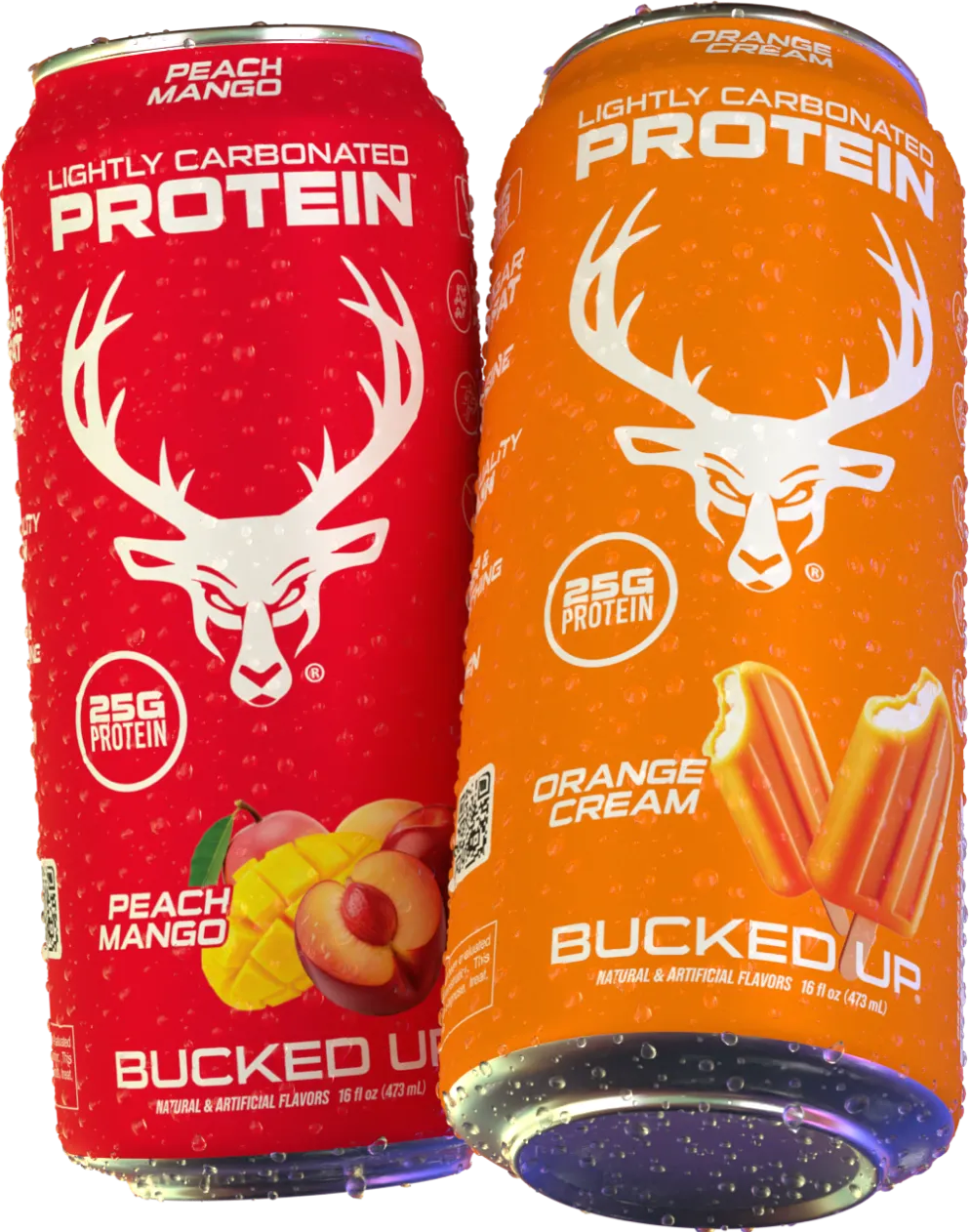
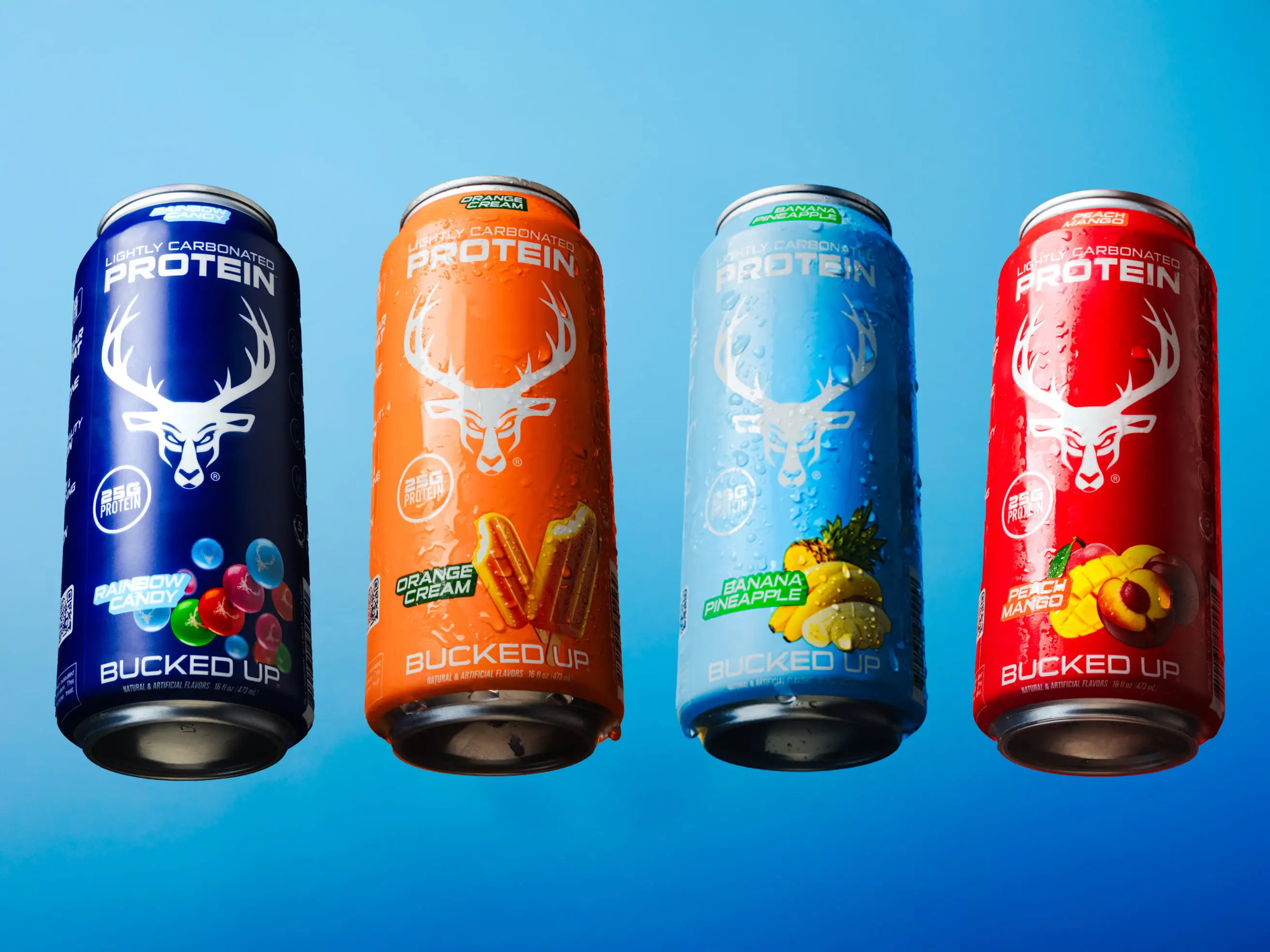
- Bucked Up Protein Soda delivers 100 calories, 25g whey isolate, and zero sugar or carbs in a refreshing carbonated format suited to on-the-go use.
- Options like Premier Protein (160 calories, 30g protein) and Core Power (170 calories, 26g protein) offer convenience but have creamier, heavier textures.
- Clear, carbonated drinks such as Bucked Up can work well for GLP-1 users and weight loss because they digest lightly and absorb quickly.1
- Bucked Up Protein Soda can upgrade your daily protein routine with a lighter feel and energy-drink style taste. Try Bucked Up Protein Soda if you want a clear, carbonated alternative to traditional shakes.
The following sections compare eight leading low-calorie meal replacement drinks on nutrition, taste, and convenience. The guide starts with clear and carbonated options, then moves into more traditional ready-to-drink shakes so you can see how each style fits a busy workday.
Bucked Up Protein Soda – Carbonated Protein for Workday Energy
Bucked Up Protein Soda offers an energy-drink taste and carbonated format, which turns protein intake from a chore into something you may actually look forward to drinking.
Nutrition: 100 calories, 25g whey protein isolate, zero sugar, zero carbs
Taste: Banana Pineapple and other crisp, tropical flavors with a light, soda-like finish
Pros: Portable, no prep required, GLP-1 friendly, faster absorption than concentrate, caffeine-free1
Cons: Smaller flavor lineup than many traditional shakes
Pro tip: Keep a can at your desk and sip it after long meetings to get a quick protein hit without a heavy, creamy shake.1
Explore Bucked Up Protein Soda if you want a clear, carbonated protein option.
Premier Protein Shake – A Reliable Workplace Staple
Premier Protein provides 30 grams of protein in a 160-calorie serving, which fits common protein and calorie targets for meal replacement. This ready-to-drink shake uses milk protein concentrate and comes in shelf-stable cartons that travel easily.
Nutrition: 160 calories, 30g milk protein concentrate, 1g sugar
Taste: Caramel, Café Latte, and chocolate varieties with a classic shake texture
Pros: High protein content, widely available, gluten-free
Cons: Heavier mouthfeel and a creamier texture due to concentrate-based protein
Pro tip: Store a few cartons in the office fridge and drink them well chilled to improve flavor and reduce perceived thickness.
Core Power Protein – Ultra-Filtered Milk for Creamy Shakes
Core Power delivers 26 grams of protein in 170 calories using ultra-filtered milk. This process concentrates protein and removes some lactose, which creates a creamy, lactose-free shake.
Nutrition: 170 calories, 26g milk protein, includes electrolytes
Taste: Vanilla and chocolate options with a rich, dessert-like profile
Pros: Contains all 9 essential amino acids, shelf-stable, lactose-free
Cons: Higher calories than some alternatives and a thicker, creamy consistency
Compared with Premier Protein, Core Power feels richer and slightly higher in calories, which can suit post-workout recovery more than very light meal replacement.
Isopure Protein Water – A Clear, Juice-Like Alternative
Isopure Protein Water offers 60 calories and 15g whey isolate in a clear liquid that drinks more like flavored water or juice than a shake. This format can appeal to people who dislike milky textures.
Nutrition: 60 calories, 15g whey protein isolate, 1g carbs per serving
Taste: Fruit punch and tropical flavors with a light, refreshing feel
Pros: Very low calorie, clear liquid format that feels easy on the stomach
Cons: Lower protein content per serving, which may require multiple bottles to reach higher daily targets
Compared with Bucked Up Protein Soda, Isopure Protein Water is still clear and light but offers less protein per serving and no carbonation.
Orgain Clean Protein – Grass-Fed Dairy in a Lighter Shake
Orgain Clean Protein Shake provides 130 calories and 20g grass-fed whey protein per serving. It focuses on organic ingredients and grass-fed dairy for people who prioritize sourcing.
Nutrition: 130 calories, 20g grass-fed whey protein
Taste: Vanilla and chocolate varieties with a smooth, moderate creaminess
Pros: Grass-fed whey, organic ingredients, lower calories than many traditional shakes
Cons: Contains dairy and does not work for vegan diets
Compared with heavier shakes like Muscle Milk, Orgain feels somewhat lighter while still delivering a familiar shake experience.
Fairlife Core Power Elite – High-Protein Recovery Shake
Fairlife Core Power Elite packs 42g protein in a single bottle, which creates a dense recovery drink with a higher calorie load. This level of protein can support intense training sessions but may overshoot what many professionals want from a light meal replacement.
Nutrition: 230 calories, 42g milk protein
Taste: Chocolate and vanilla with a thick, indulgent texture
Pros: Very high protein content that suits heavy training days
Cons: Exceeds a 200-calorie benchmark for low-calorie options and has a heavy consistency
In practice, Core Power Elite often works better as a post-workout shake than as a quick desk-friendly drink, especially if you are watching total daily calories.
Muscle Milk – A Familiar, Traditional Shake
Muscle Milk provides 25g protein in 160 calories using a blended protein formula. It has a long history in the sports nutrition space and appears in many convenience stores and gyms.
Nutrition: 160 calories, 25g protein blend
Taste: Multiple flavors with a classic, creamy shake profile
Pros: Established brand, widely available, many flavor choices
Cons: Uses a protein blend and keeps the traditional shake format, which can feel heavy during a busy day
Compared with clear options like Bucked Up or Isopure, Muscle Milk leans into a dessert-style experience that some people enjoy and others find too rich for frequent use.
Soylent – Higher-Calorie Complete Nutrition for Tech Workdays
Soylent targets busy tech and knowledge workers with ready-to-drink meals that emphasize completeness over low calories. Soylent Complete Protein provides 250 calories and 30g plant protein per 330 ml bottle, which meets common protein benchmarks for meal replacement but sits above typical low-calorie ranges.
Nutrition: 250 calories, 30g plant protein per bottle (330 ml)
Taste: Neutral, minimalist flavors that aim for mild sweetness
Pros: Complete nutrition profile and fully plant-based formula
Cons: Higher calorie count than many weight-loss-focused options
Compared with the other drinks here, Soylent functions more like a compact meal than a light snack or supplement.
How Taste Shapes Long-Term Use of Meal Replacement Drinks
Taste strongly influences whether people keep using a meal replacement drink over time. Research by Szymandera-Buszka et al. found correlation coefficients between overall desirability and taste ranging from 0.964 to 0.997, which confirms taste as a primary factor in consumer acceptance.
Experts recommend evaluating sweetness level, how flavor changes over time, how well off-tastes are masked, flavor intensity, and mouthfeel when you assess low-calorie beverages. These criteria come from sensory research on beverage formulation.
Watch for chalky aftertastes, metallic notes, and lingering artificial sweetener flavors, since these issues often cause people to abandon a product. Clear, carbonated options like Bucked Up Protein Soda can deliver energy-drink style flavors while using carbonation to enhance mouthfeel and help mask protein notes.
Low-Calorie Choices for Weight Loss and GLP-1 Users
People using GLP-1 medications often need protein sources that feel light and easy to drink, since appetite and tolerance for volume can drop. Johns Hopkins recommends clear liquid protein drinks as lower-calorie options, which aligns well with clear and carbonated formats.
Bucked Up Protein Soda offers a high-protein, low-calorie profile that can support muscle preservation during weight loss while staying gentle on the digestive system.1 Whey protein isolate contains less lactose and fat than concentrate, which can reduce bloating and discomfort for some people.1
See Bucked Up Protein Soda if you want a clear, GLP-1-friendly protein drink with a soda-like feel.
Ready-to-Drink Protein That Fits a Packed Schedule
Portability and zero prep time matter when you move from meeting to meeting. Professor Javier Gonzalez notes that whey protein isolate provides about 90% protein compared with roughly 80% for concentrate, which means you can reach protein goals with fewer calories and less volume.1
Clear protein drinks that use isolate create lighter, juice-like options that tend to sit better in the stomach during long workdays. The carbonated format of Bucked Up adds a refreshing sensation while delivering efficient protein in a smaller calorie package than many creamy shakes.
How to Match a Meal Replacement Drink to Your Workday
Start by looking for options under 150 calories that still provide at least 20 grams of protein in a ready-to-drink format. This balance helps you get meaningful protein without turning a quick drink into a full meal.
Within that range, consider non-milky tastes and keto-friendly formulas with zero carbs if you want to avoid blood sugar swings during the day. Clear, flavored drinks often feel lighter than thick, dairy-heavy shakes.
Carbonation can make protein drinks feel more like a regular beverage and less like a supplement, which encourages consistent use. Always review labels and talk with your healthcare provider or dietitian for guidance tailored to your health status and goals.
FAQ
What is a good-tasting low calorie meal replacement for weight loss?
Bucked Up Protein Soda offers an energy-drink style taste in a clear, carbonated format that avoids the chalky texture of some shakes. Its high-protein, low-calorie profile can fit many weight-loss plans when used alongside balanced meals.
Are these drinks safe for GLP-1 users?
Many GLP-1 users tolerate liquid protein isolates well, especially when solid foods feel difficult. Light, clear, or carbonated drinks often go down easier than heavy shakes and can help support muscle during weight management.1 Always confirm with your prescribing clinician before adding new products.
Are these options keto and paleo friendly?
Several drinks in this guide can fit keto or paleo-style eating, depending on ingredients. Many people find that Bucked Up Protein Soda, with its zero-carb, zero-sugar formula, aligns with these approaches. Check each product label to confirm compatibility with your specific plan.
How do these compare to traditional protein shakes?
These ready-to-drink options remove the need for scoops, shakers, and blenders, which saves time during a busy day. Carbonated varieties like Bucked Up provide a lighter, more refreshing experience than thick, creamy shakes while still delivering substantial protein.
Can I drink these daily?
Many people use these products daily as convenient protein boosts to help meet nutrition goals when whole-food meals are not practical. They can be especially useful if you often miss meals or fall short on protein.1 Discuss daily use with your healthcare provider or dietitian to make sure it fits your overall plan.
Conclusion
Low calorie meal replacement drinks can simplify nutrition for professionals who juggle long days and limited breaks. Clear, high-protein options such as Bucked Up Protein Soda offer a different experience from traditional shakes by pairing whey isolate with a light, carbonated format.1
Upgrade your protein routine with Bucked Up Protein Soda if you want a convenient, soda-like drink that supports your daily protein goals.1 Updated April 2026.
1 The content provided in this article is for informational purposes only and is not medical advice. Consult with a medical professional before implementing any changes to your diet, health, or exercise routines.
Individual results will vary and are based on a combination of each individual’s diet, exercise, age, and health circumstances.
These statements have not been evaluated by the Food and Drug Administration. This product is not intended to diagnose, treat, cure or prevent any disease.
This article was written by Ryan Gardner, CEO of Bucked Up. As the maker of Bucked Up Protein Soda, we have a financial interest in this information. The views expressed are our own and should be read with that context in mind.