Last updated: April 22, 2026
Key Takeaways
- Up to 40% of GLP-1 weight loss can come from lean muscle if protein intake stays low, so recovery drinks matter.
- Aim for the higher protein range recommended for GLP-1 users, and include 20-40g whey isolate after strength training.
- Choose nausea-friendly drinks: under 150 calories, no sugar alcohols, and carbonated or clear formats for easier digestion.1
- Options that can work well for GLP-1 users include Bucked Up Protein Soda, Protein2O, Fairlife Core Power, Premier Protein, and others.
- Support muscle while losing weight on GLP-1 with Bucked Up Protein Soda, a refreshing 25g whey isolate recovery drink that avoids a heavy, bloated feel.1
Why Muscle Recovery Drinks Matter for GLP-1 Users
GLP-1 medications suppress appetite, which increases the risk of losing muscle along with fat during weight loss. A 2026 study analyzing 5,741 days of data from 332 adults found 88% of GLP-1 users fell below the recommended 0.9g protein per kg of body weight daily. This widespread shortfall is concerning because muscle preservation during weight loss usually requires even higher daily protein intake. The optimal target for muscle preservation is 1.2 to 1.6 grams of protein per kilogram of ideal body weight daily when exercising while on GLP-1 medications.
Muscle recovery drinks tailored for GLP-1 users work best when they support digestion and provide enough high-quality protein.1 Aim for 25-35g protein per serving with whey isolate for low lactose content and gentler digestion.1 Keep added sugar under 3g and avoid sugar alcohols that can increase gas, cramping, or diarrhea.
| Nutrient | Ideal Range | Common Pitfalls |
|---|---|---|
| Protein | 20-40g whey isolate | Concentrate can cause bloating |
| Calories | Under 150 | High-fat formulas can trigger nausea |
| Sugar | 0-3g added | Sugar alcohols can cause GI distress |
Try carbonated protein for easier digestion and notice how a fizzy format can feel lighter than a thick, milky shake.1
7 Muscle Recovery Drinks for GLP-1 Users in 2026
These seven recovery drinks apply the criteria above and give you a mix of carbonated, clear, creamy, dairy-free, and electrolyte-support options at different price points.
1. Bucked Up Protein Soda: Carbonated, Clear Recovery
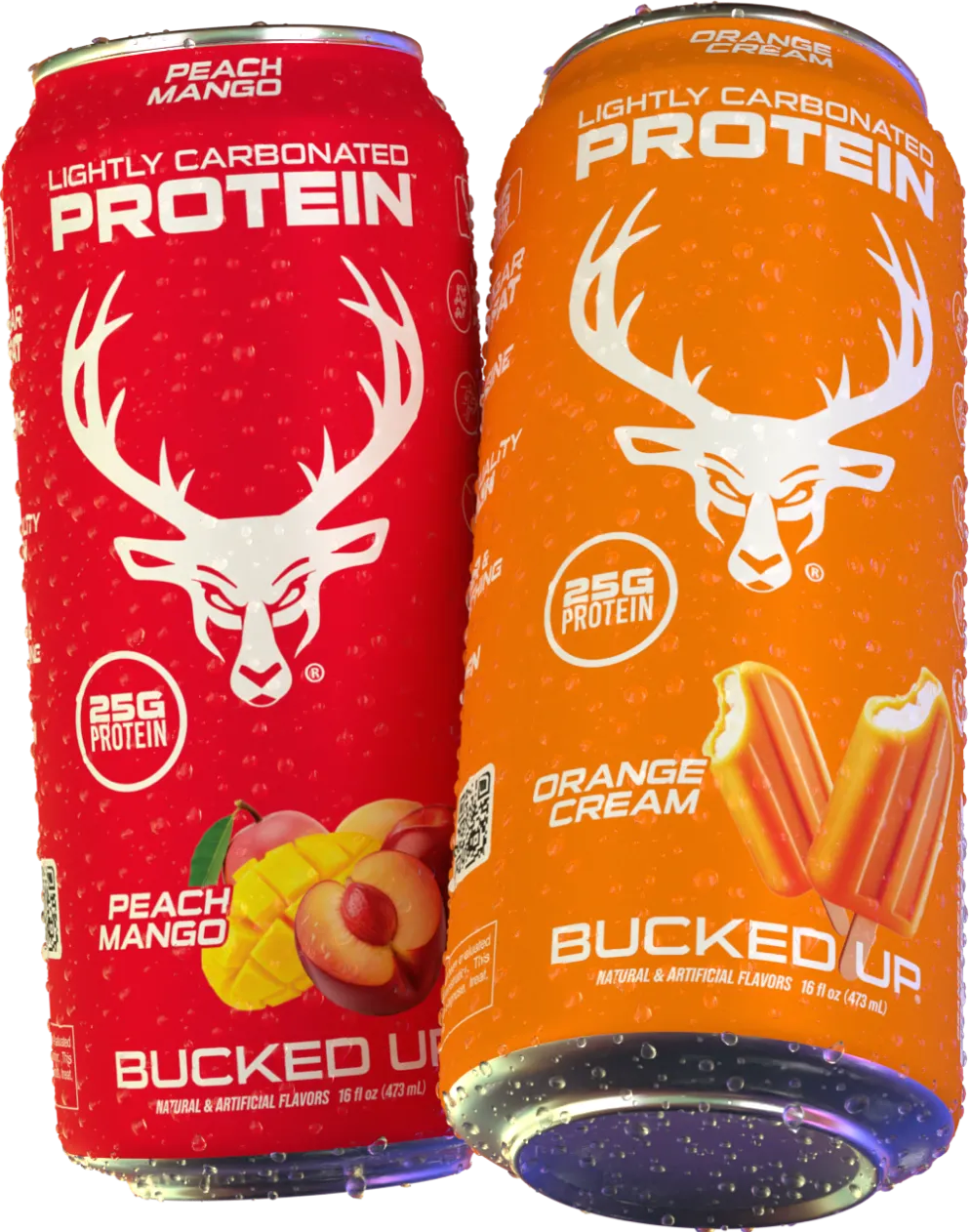
Bucked Up Protein Soda can stand out with 25g of whey protein isolate in a lightly carbonated, 100-calorie drink that tastes more like a soda than a shake. Whey isolate contains up to 1 gram of lactose per 100-calorie serving compared to up to 3.5 grams in concentrate, which can make it a gentler option for lactose-sensitive GLP-1 users.1 The carbonated format offers a refreshing alternative to heavy shakes, with zero sugar and zero carbs to help avoid blood sugar spikes.1
The clear, fizzy texture removes the chalky mouthfeel that many people dislike in traditional protein drinks. The 25g of complete protein supports muscle protein synthesis after strength training.1 Drink it within about 30 minutes after your workout to support recovery.1
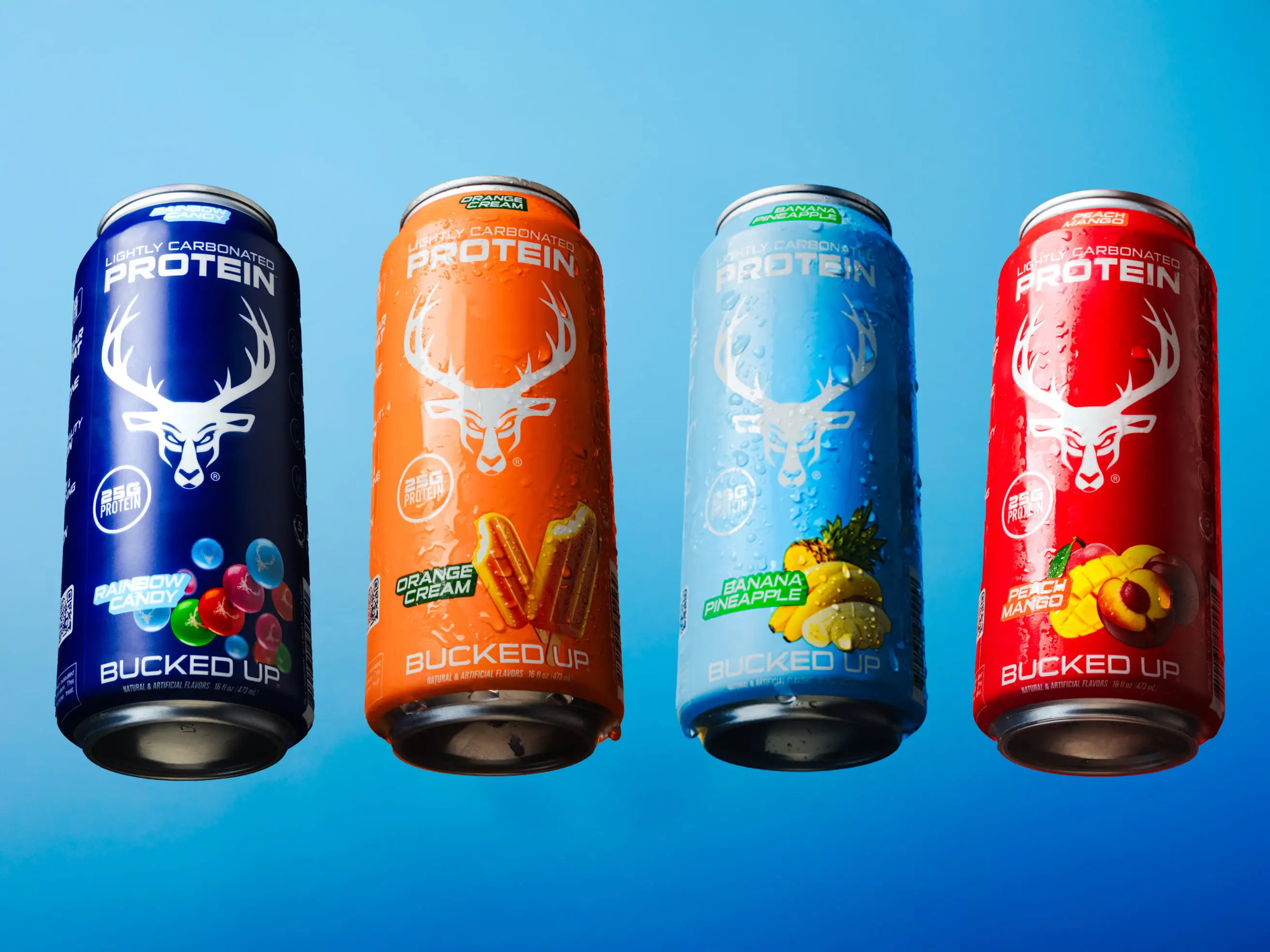
To show how a carbonated, clear drink compares with thicker, milky shakes in calorie density and texture:
| Product | Protein (g) | Calories | Format |
|---|---|---|---|
| Bucked Up Protein Soda | 25g isolate | 100 | Carbonated clear |
| Fairlife Core Power | 26-42g blend | 170-230 | Milky RTD |
| Premier Protein | 30g blend | 160 | Thick shake |
2. Protein2O: Nausea-Friendly Clear Protein
Protein2O provides 20g of whey protein isolate in a flavored, juice-like drink that many GLP-1 users find easier than solid food. Clear, light textures can be easier to tolerate than heavy shakes for GLP-1 users. The water-like base removes dairy taste and thickness, which can help when you feel queasy.
Sip Protein2O slowly over 15-30 minutes so your stomach can handle the volume and protein content more comfortably.
3. Fairlife Core Power: Higher-Protein Creamy Option
Fairlife Core Power offers 26-42g of protein per bottle, depending on the size, and uses milk protein isolate for a complete amino acid profile. MMCHS dietitians recommend Core Power as a high-protein shake option for GLP-1 users. The creamy texture feels richer and heavier than carbonated or clear drinks but delivers more protein per serving.
This option can work well if you tolerate dairy and want a more filling shake.
4. Premier Protein: Budget-Friendly Ready-to-Drink
Premier Protein contains 30g of protein per carton at a relatively low cost per serving. It is often recommended as a convenient ready-to-drink choice for GLP-1 users. The thicker consistency can feel heavy, so many people do better sipping it slowly instead of finishing it in a few gulps.
5. Orgain Organic: Dairy-Free Plant-Based Option
Orgain Organic offers a plant-based protein blend for people who avoid dairy or have stronger lactose intolerance. The protein content is lower than many whey-based drinks, yet it can still serve as a practical plant-based alternative for GLP-1 users who need a dairy-free option.
This choice can fit best as one part of your total daily protein plan rather than your only source.
6. Muscle Milk: Protein Plus Electrolytes
Muscle Milk combines protein with electrolytes, which can support hydration during and after workouts. It appears on MMCHS dietitian recommendation lists for GLP-1 users. The higher fat content can feel satisfying for some people but may not work well if you already struggle with nausea.
7. Quest Protein Shakes: Flavor Variety in RTD Form
Quest Protein Shakes provide about 30g of protein per bottle and come in several dessert-style flavors. MMCHS dietitians recommend Quest for GLP-1 users who want more flavor variety in their routine.
This variety can make it easier to stay consistent with your protein goals over time.
How to Choose and Use Recovery Drinks on GLP-1
Start by choosing whey isolate instead of concentrate when possible, since it usually digests more easily. Isolate contains significantly less lactose and is often gentler on the stomach for GLP-1 users. Keep each drink under about 150 calories and skip sugar alcohols like erythritol or xylitol, which can cause gas and bloating for many people.
Timing supports muscle recovery as much as total daily intake. Have a protein drink within 30-60 minutes after strength training to support muscle repair.1 If you feel nauseated or new to protein drinks, begin with half a serving to test your tolerance. After you find a comfortable serving size, sip it over 15-30 minutes so your slowed digestion can keep up.
Pairing your protein drink with a small portion of easy carbs, such as half a banana, can further support recovery.1 The carbonated format of Bucked Up Protein Soda can feel especially light in this combo, since the fizz keeps the drink from feeling thick while the protein supports muscle rebuilding.1
Recipes and Simple Hacks for GLP-1 Muscle Recovery
Combine Bucked Up Protein Soda with an electrolyte powder during longer or hotter workouts to support both protein intake and hydration. After training, pair it with a small banana or a few crackers for gentle carbohydrate replenishment that does not overload your stomach. The carbonation can help the drink feel less heavy, while the 25g of whey isolate supplies the amino acids needed for muscle repair.1
Use a tracking app to monitor your daily protein and confirm you are reaching the intake target discussed earlier. Combine protein drinks with resistance training two to three times per week to support muscle preservation while you lose weight. Sip your drinks slowly and avoid chugging large amounts at once to reduce the chance of GI discomfort.
Make hitting your protein targets more convenient by keeping a few cans of Bucked Up Protein Soda chilled and ready after workouts.
Frequently Asked Questions
What are good protein shakes while on GLP-1 medications?
Protein shakes for GLP-1 users work best when they digest easily and provide complete amino acids.1 Bucked Up Protein Soda offers a carbonated format that many people find lighter and more tolerable than thick shakes.1 Look for drinks with about 20-30g of whey isolate, very little added sugar, and avoid concentrate-based formulas if you notice bloating.
Are protein shakes safe to use with tirzepatide?
Protein shakes are generally safe with tirzepatide, and the same higher protein needs apply as with other GLP-1 medications. You still need enough daily protein to help prevent muscle loss during weight reduction. Carbonated options like Bucked Up Protein Soda can feel easier to tolerate because tirzepatide slows gastric emptying, and lighter drinks often sit better than heavy, creamy shakes.1
Does carbonation help with protein digestion on GLP-1 medications?
Carbonation can support comfort for some GLP-1 users by creating a lighter, more refreshing drink that does not sit as heavily in the stomach.1 The fizzy texture avoids the chalky, thick consistency that many people dislike, and a clear format skips the dairy heaviness that can trigger nausea. These traits can make carbonated protein drinks like Bucked Up a practical option for users who experience GI side effects.
Can I drink protein shakes daily while on GLP-1 medications?
Daily protein shakes often help GLP-1 users reach their higher protein needs when appetite is low. Many people use one or two protein drinks per day to fill the gap left by smaller meals. Choose caffeine-free options like Bucked Up Protein Soda so your recovery drink does not interfere with sleep or add extra GI stimulation, and check with your healthcare provider about your personal protein targets.
What is the difference between whey isolate and concentrate for GLP-1 users?
Whey isolate can work better for many GLP-1 users because it absorbs more quickly and contains less lactose than concentrate.1 Extra processing removes more fats and carbohydrates, which creates a purer protein that tends to be easier on digestion. This difference matters for GLP-1 users who already have slowed gastric emptying and may react strongly to lactose.
Conclusion
Bucked Up Protein Soda can stand out for providing high-quality whey isolate in a refreshing, carbonated drink that aligns with GLP-1 users’ digestion needs.1 The soda-style format avoids the heaviness and queasiness that often come with traditional shakes while still supplying the complete amino acids needed for muscle support during weight loss.1
Experience a lighter way to recover on GLP-1 and see how a carbonated protein drink can fit into your daily routine.
1 The content provided in this article is for informational purposes only and is not medical advice. Consult with a medical professional before implementing any changes to your diet, health, or exercise routines.
Individual results will vary and are based on a combination of each individual’s diet, exercise, age, and health circumstances.
These statements have not been evaluated by the Food and Drug Administration. This product is not intended to diagnose, treat, cure or prevent any disease.
This article was written by Ryan Gardner, CEO of Bucked Up. As the maker of Bucked Up Protein Soda, we have a financial interest in this information. The views expressed are our own and should be read with that context in mind.