Last updated: April 22, 2026
Key Takeaways
- Whey protein isolate absorbs in about 30 minutes, which supports muscle protein synthesis during the early post-workout window.1
- Effective recovery drinks typically provide 20–40g protein, under 150 calories, no sugar or carbs, and high digestibility to reduce bloating.1
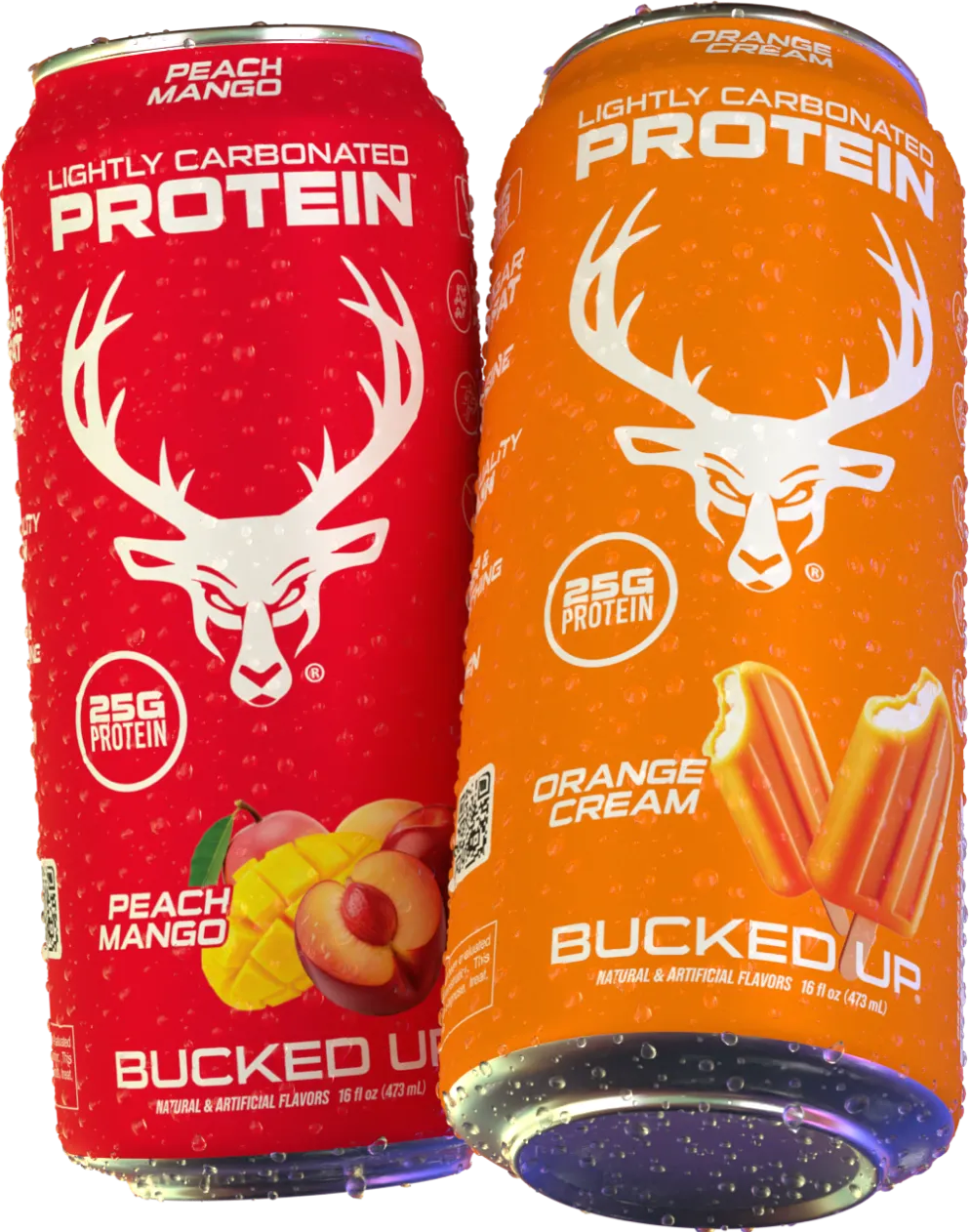
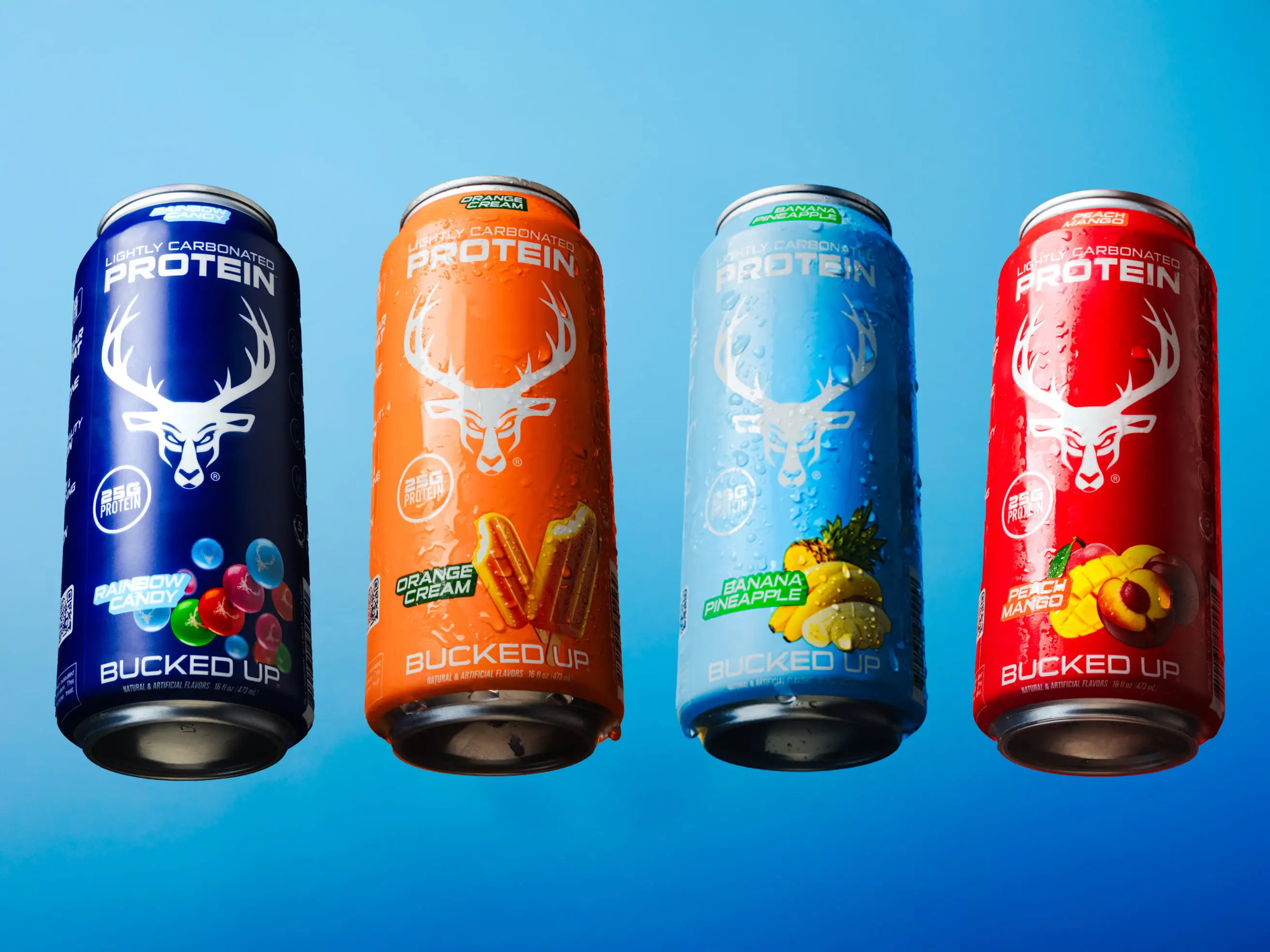
- Bucked Up Protein Soda features 25g whey isolate in a 100-calorie, carbonated, zero-carb drink that supports fast post-workout recovery.1
- GLP-1 users risk 15–25% muscle loss, so light RTD proteins like Bucked Up can help support lean mass during weight management.1
- Support your recovery with Bucked Up Protein Soda, a refreshing, shake-free protein option that fits most diets.1
Recovery Science Primer for Faster Muscle Repair
Whey protein isolate absorbs within about 30 minutes compared to concentrate, which often takes 60–90 minutes.1 This faster uptake makes isolate a strong fit for post-workout recovery.1 Research shows muscle protein synthesis stays elevated for up to 48 hours after exercise, with the strongest response in the first several hours. For strength training, a 2:1 carbs-to-protein ratio supports muscle repair more than glycogen replenishment alone.1 Key factors include whey isolate over blends for faster absorption, low carbohydrates for lean gains, and RTD convenience for consistent intake.1 Bucked Up uses 100% whey isolate, while some competitors rely on protein blends or collagen, which can digest more slowly and may not support recovery as efficiently.1
These absorption and formulation details set the stage for comparing specific recovery drinks. The next section focuses on the characteristics that separate effective options from less targeted products.
What Matters Most in a Recovery RTD
Effective recovery drinks share several traits: whey protein isolate purity for rapid absorption, under 150 calories for weight management, minimal lactose for digestive comfort, and clear, honest labeling.1 SPINS data shows 75% of consumers make repeat RTD protein purchases, which suggests taste and perceived results strongly influence loyalty. Products also need to work for GLP-1 users who benefit from easily digestible, nutrient-dense drinks that feel light on the stomach. Beyond basic macros, manufacturing standards, ingredient transparency, and real customer feedback help reveal whether a product delivers on its promises.
The 10 Best Protein Products for Fast Muscle Recovery
1. Bucked Up Protein Soda
Bucked Up Protein Soda delivers 25 grams of 100% whey protein isolate in a lightly carbonated, 100-calorie beverage with no added sugar and no carbohydrates. This pure isolate formulation absorbs rapidly within about 30 minutes, which supports the post-workout anabolic window.1 The fast absorption pairs with a carbonated format that solves a common compliance problem, because many people dislike thick, milky shakes and skip their protein. The energy drink-like taste, without caffeine, makes post-workout protein feel more like a treat than a chore.
The product is manufactured in USA GMP-certified facilities and uses fully transparent labeling, which helps build trust. Customer testimonials often highlight the refreshing taste, such as “Tastes like an energy drink, no chalk—replaced all sodas.” The zero-carb profile works for keto approaches and for GLP-1 users who need light, easily digestible protein sources that do not feel heavy.1 Try carbonated protein today to see how this format can change your recovery routine.
2. Fairlife Core Power
Core Power provides 26 grams of protein from ultrafiltered milk in a 14-ounce bottle with 170 calories. The milk-based formula offers complete amino acids but has a thicker, creamy texture that often digests more slowly than whey isolate. This profile suits post-gym use when you can tolerate a heavier drink and want a more filling option. The lactose-free processing can support digestibility, although the higher calorie content may not align with strict weight management plans.
3. Premier Protein
Premier Protein’s Classic, Coffeehouse, and Indulgence Protein Shakes deliver 30 grams of protein per shake in 160 calories with 1 gram of sugar. The blend combines whey concentrate and isolate, which offers broad amino acid coverage but slower absorption than pure isolate. The shelf-stable packaging supports convenience for on-the-go use. Some users report a chalky aftertaste, so flavor preference can vary. The higher protein content appeals to people who want maximum grams of protein in each serving.
4. Muscle Milk
Muscle Milk Genuine Protein Powder contains 32g of protein derived from milk per serving. Calorie content varies by specific product line. The casein component provides a slower, sustained amino acid release, which often works better for meal replacement or nighttime use than for immediate post-workout recovery. The creamy texture suits those who enjoy a traditional shake experience and do not mind mixing their drink.
5. Orgain Organic Protein
Orgain Organic Protein™ Protein Powder has 150 calories per 2 scoops (46g) serving and provides 21 grams of organic plant protein with minimal added sugars. The pea and brown rice protein blend offers complete amino acids for plant-focused athletes. Plant proteins usually absorb more slowly than whey isolate, so timing may matter more if you want rapid recovery. The organic certification appeals to clean-label shoppers, although the protein content per serving is lower than many animal-based options.
6. Quest Protein
Quest Chocolate Protein Shake delivers 30 grams of protein from milk protein concentrate and milk protein isolate in 110 calories with low sugar. The clean macronutrient profile supports lean goals and can work well for weight management. However, taste can become a barrier, because some flavors taste artificial, which may reduce consistent use. The faster absorption compared with many blended powders still makes this shake a practical choice for post-workout timing, especially for fitness-focused, low-carb consumers.
7. BSN Syntha-6 RTD
Syntha-6 RTD contains 40 grams of protein blend in 280 calories per container (16.9 oz) with 4 grams of sugar. The multi-protein blend includes whey, casein, and egg proteins, which creates varied absorption rates over several hours. The sugar and higher calories may not fit low-carb or tight calorie targets, but they can support glycogen replenishment after intense training. The milkshake-like taste appeals to people who place flavor and richness above lean macros.
8. Dymatize ISO100 RTD
ISO100 RTD provides 25 grams of hydrolyzed whey protein isolate in 90 calories. Hydrolyzed processing breaks the protein into smaller fragments, which can support faster absorption than standard isolate. This benefit often comes with a higher price point, so it suits serious athletes who prioritize speed and are willing to pay more. The light texture feels easier to drink than heavier shakes, which can help with consistency.
9. Optimum Nutrition Gold Standard RTD
Gold Standard RTD delivers 24 grams of protein utilizing complete whey and casein proteins from milk, with milk protein isolate as the primary ingredient in 140 calories with 1 gram of sugar. The established brand reputation and balanced formulation provide reliable recovery support for many users. The moderate calorie content offers a middle ground between lean and filling. Low sugar content works across several dietary preferences, and broad retail availability makes this option easy to find.
10. Isopure RTD
Isopure RTD contains 40 grams of whey protein isolate in 130 calories with zero carbs. The high protein content appeals to serious lifters who want a large dose in one bottle. The serving size can feel like too much for some people, especially those with smaller appetites. The zero-carb formulation supports ketogenic approaches, although the concentrated protein may cause digestive discomfort for sensitive users. The clear liquid format sets it apart from thicker, milky alternatives.
Across these recovery options, GLP-1 medication users face specific challenges that make protein selection especially important, particularly around appetite and digestion.
Best Protein Choice for GLP-1 Users
Studies show a significant share of weight lost on GLP-1 medications can come from lean mass without proper nutrition and resistance training. This potential lean mass loss, mentioned earlier, makes high-quality protein a key part of any GLP-1 plan. Liquid whey protein supplies essential amino acids more effectively than collagen for muscle preservation.1 Bucked Up’s carbonated format addresses several GLP-1 needs at once.
The light, soda-like texture is easier to drink when appetite is low and large volumes feel uncomfortable. The zero-sugar formulation aligns with common GLP-1 goals around blood sugar and calorie control. The 100-calorie serving supports protein intake without overwhelming reduced stomach capacity. Get your first case if you want a protein drink that fits modern weight management strategies.
FAQ
What to Drink for Faster Muscle Recovery?
Choose drinks that combine fast-absorbing protein with convenient formats. Bucked Up Protein Soda offers rapid-absorbing whey isolate in a refreshing carbonated drink. Fairlife Core Power provides high-quality ultrafiltered milk protein in a more filling shake. Quest Protein supports low-carb goals with a higher protein dose. Aim for 20–40 grams of whey protein isolate within about 2 hours after your workout to support muscle protein synthesis.1
How to Speed Up Muscle Recovery Fast?
Consume 20–40 grams of high-quality protein within 30 minutes to 2 hours after exercise, when muscles respond strongly to nutrients. Whey protein isolate usually absorbs fastest, followed by whey concentrate and then most plant proteins.1 Combine smart protein timing with steady hydration, quality sleep, and consistent training habits for a more complete recovery plan.
Best Option for Sore Muscles and Weight Loss?
Bucked Up Protein Soda can support both sore muscle recovery and weight loss efforts.1 The whey isolate provides complete amino acids for muscle repair, while the 100-calorie, zero-carb profile fits calorie-controlled approaches.1 The carbonated, non-milky texture often feels easier to drink regularly than heavy shakes that may cause bloating.
Is Carbonation Safe for Post-Workout Recovery?
Carbonation does not reduce protein absorption.1 Many people find that a light, fizzy texture makes it easier to finish their post-workout drink. Bucked Up’s carbonated format delivers the same muscle-building benefits you expect from whey isolate while offering a more refreshing experience.1
How Does Bucked Up Compare to Traditional Shakes?
Bucked Up offers a lighter, non-milky texture that many people find easier to digest than thick shakes. The 100% whey isolate supports faster absorption than many blended or casein-heavy products.1 The ready-to-drink can removes prep time, and the energy drink-like taste encourages consistent use. The carbonated format also helps avoid common shake complaints such as bloating and chalky aftertaste.
Conclusion
Bucked Up Protein Soda stands out in the 2026 recovery landscape through its carbonated format, 100% whey protein isolate formulation, and zero-sugar profile that can serve athletes, busy professionals, and GLP-1 users. This combination of rapid absorption, refreshing taste, and convenient RTD packaging addresses many barriers that keep people from hitting their post-workout protein targets.1 Start your recovery transformation and experience how carbonated protein can simplify post-workout nutrition.
1 The content provided in this article is for informational purposes only and is not medical advice. Consult with a medical professional before implementing any changes to your diet, health, or exercise routines.
Individual results will vary and are based on a combination of each individual’s diet, exercise, age, and health circumstances.
These statements have not been evaluated by the Food and Drug Administration. This product is not intended to diagnose, treat, cure or prevent any disease.
This article was written by Ryan Gardner, CEO of Bucked Up. As the maker of Bucked Up Protein Soda, we have a financial interest in this information. The views expressed are our own and should be read with that context in mind.