Last updated: April 22, 2026
Key Takeaways
- Post-workout drinks work best when they deliver 20-40 grams of protein within 30 minutes to 2 hours, based on ISSN guidance.
- Traditional options like chocolate milk and thick shakes often cause bloating, while clear whey and carbonated protein sodas feel lighter and more refreshing.
- Whey protein isolate absorbs faster and contains fewer extras than concentrate, which supports recovery during the post-workout window.1
- Low-calorie, zero-sugar drinks can support weight loss and GLP-1 users by preserving muscle mass without adding unnecessary calories.1
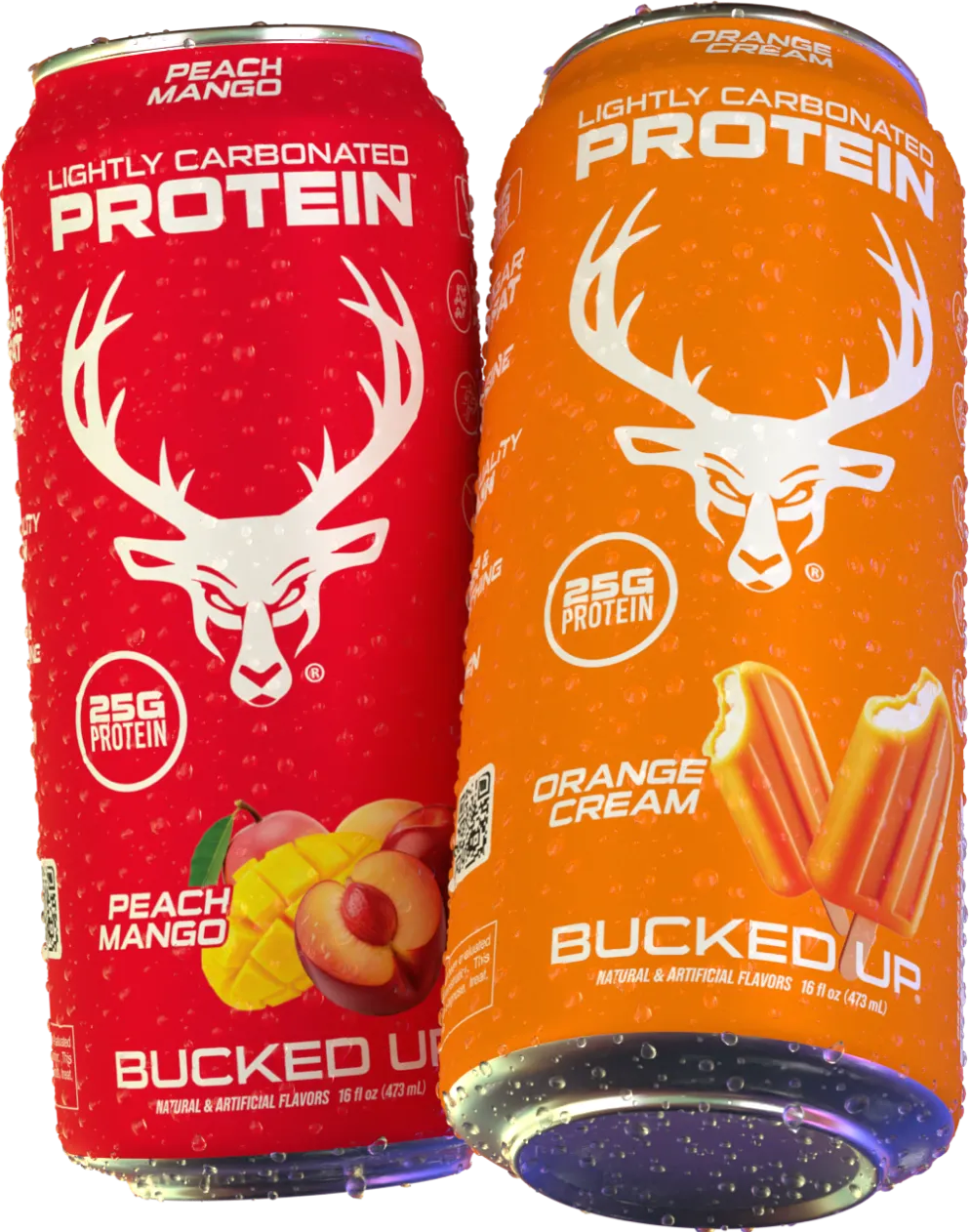
- Bucked Up Protein Soda provides 25 grams of whey isolate in a convenient, carbonated can that many people find easier to enjoy than heavy shakes.
8 Best Post-Workout Drinks for 2026 Ranked
These post-workout drinks are ranked based on protein content, absorption speed, convenience, taste, and how they support common goals like recovery, weight management, and comfort for sensitive stomachs.
8. Coconut Water for Hydration Support
Coconut water supplies natural electrolytes such as potassium and magnesium, which support rehydration after moderate workouts. Carbon Performance states that electrolytes including sodium, potassium, and magnesium are crucial to replace due to sweat loss during exercise. Coconut water contains less than 2 grams of protein per cup, so it does not provide enough protein for muscle repair. It works best when paired with a separate protein source instead of serving as a complete post-workout recovery drink on its own.
7. Tart Cherry Juice for Soreness Relief
Tart cherry juice supplies anti-inflammatory compounds that may support recovery after hard training. The International Sports Sciences Association (ISSA) notes potential benefits for reducing exercise-induced muscle soreness. Its antioxidants help counter oxidative stress created during intense exercise. Tart cherry juice still provides very little protein, so you need another protein source to support muscle rebuilding. The higher natural sugar content can also conflict with weight loss or blood sugar goals.
6. Homemade Smoothies for Custom Nutrition
Homemade smoothies with banana, whey protein powder, and milk give you full control over ingredients and macros. Carbon Performance advises that most people benefit from a 2:1 or 3:1 ratio of carbohydrates to protein in post-workout nutrition. Blending at home takes time, creates dishes, and can lead to inconsistent nutrient ratios if you eyeball ingredients. Busy professionals and parents often need something faster and more predictable than a made-from-scratch smoothie.
5. Low-Fat Chocolate Milk for Classic Recovery
Low-fat chocolate milk has a long history as a recovery drink because of its carbohydrate-to-protein ratio. Chocolate milk provides an ideal 3:1 or 4:1 carbohydrate-to-protein ratio for post-workout recovery, as noted by the International Sports Sciences Association (ISSA). van Loon et al. (2000) found that combining carbohydrates with protein in a 4:1 ratio increases post-exercise glycogen synthesis by 30-50% compared to carbohydrates alone. Chocolate milk also contains added sugars and lactose, which can cause digestive discomfort for some people. Those watching calories or managing lactose sensitivity may prefer lighter options.
4. Fairlife RTD Protein Shakes for Creamy Convenience
Fairlife ready-to-drink protein shakes offer grab-and-go convenience with 30 grams of protein per bottle and a lactose-free formula, as listed on their product label. The milk-based protein provides a complete amino acid profile that supports muscle recovery.1 Some people find the creamy texture and higher calorie content feel heavy right after intense workouts. During hot weather or high-intensity training, this thicker style can feel less refreshing than lighter drinks.
3. Weight Loss Low-Calorie Protein Shakes
Low-calorie protein shakes target people who want post-workout drinks for weight loss, usually delivering 20-25 grams of protein with about 100-150 calories per serving. These shakes can fit well into calorie-controlled plans and structured weight management programs. Liquid nutrition such as protein shakes, smoothies, soups, or meal replacements is often better tolerated than solid food by individuals using GLP-1 agonists. Many low-calorie shakes rely on artificial sweeteners and have a thick, milky texture that may not feel refreshing after a sweaty workout. Explore carbonated protein options that pair weight management support with a lighter, soda-like experience.
2. Non-Carbonated Clear Whey Protein Drinks
Non-carbonated clear whey drinks provide 20-25 grams of whey protein isolate in a juice-like format instead of a creamy shake. The transparent look and fruity flavors appeal to people who want something crisp and light. Whey protein isolate undergoes more rigorous filtration, resulting in higher protein purity and faster absorption compared to concentrate forms.1 These drinks feel lighter than traditional shakes but still lack the fizzy carbonation that many athletes enjoy after training.
1. Bucked Up Protein Soda for Fizzy Recovery
Bucked Up Protein Soda delivers 25 grams of whey protein isolate in a lightly carbonated can with about 100 calories and zero sugar, as detailed on the product page. Whey protein isolate provides superior absorption rates compared to whey concentrate, which supports recovery during the post-workout window.1 The caffeine-free formulation fits morning, afternoon, or evening training without affecting sleep, and the energy drink-like taste avoids the chalky feel of many shakes.
Bucked Up uses 100% whey protein isolate to supply a complete amino acid profile that supports muscle repair.1 Carbon Performance recommends consuming post-workout protein and carbohydrates within 30 minutes to 2 hours after exercise to support muscle protein synthesis.1 The ready-to-drink can removes mixing and cleanup, which helps you hit that recovery window quickly, while the carbonation delivers the crisp, satisfying feel many people want after hard training.
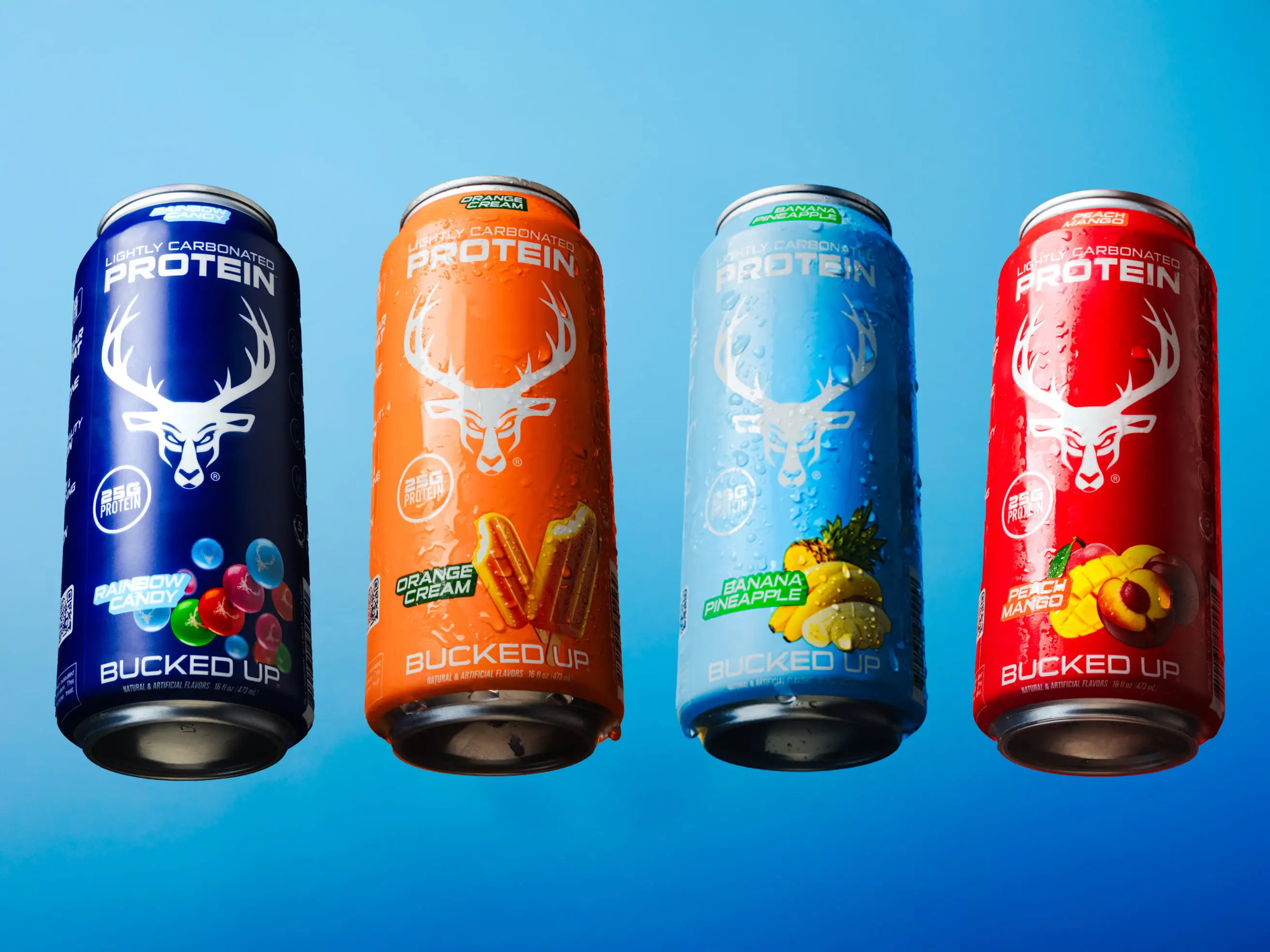
For GLP-1 users managing weight loss medications, Bucked Up Protein Soda can help address specific nutrition challenges. Higher protein intake on a grams per kilogram of body weight per day basis is recommended for GLP-1 agonist users undergoing weight loss to preserve lean muscle mass.1 The light, fizzy texture often feels easier to tolerate than thick shakes when appetite is low and solid food feels unappealing. Try Bucked Up Protein Soda to see how a carbonated format can fit into your routine.
What to Drink After Workout: Timing & Tips
Post-workout nutrition works best when you match what you drink to the recovery window. Carbon Performance recommends consuming post-workout protein and carbohydrates within 30 minutes to 2 hours after exercise. The ISSN recommends targeting 0.5 grams of carbohydrates per pound of body weight after training for glycogen replenishment. Hydration matters just as much, with Carbon Performance suggesting at least 16-24 ounces of water immediately after a workout.
Post-Workout Drinks for Weight Loss & Females
Weight management after workouts calls for lower calorie drinks that still provide enough protein to protect muscle. The SURMOUNT-1 trial found that approximately 25% of total weight lost on GLP-1 RAs came from lean muscle mass. Low-calorie options such as Bucked Up Protein Soda can supply meaningful protein for muscle preservation without adding many calories.1 Liquid nutrition such as drinkable protein shakes is easier for GLP-1 users to consume between meals to avoid early fullness or nausea. Post-workout drinks for females can focus on convenience, taste, and efficient nutrition so that consistent training feels sustainable.
Why Protein Soda Often Feels Better Than Traditional Shakes
Carbonated protein drinks offer a modern take on recovery for people who dislike thick, chalky shakes. The bubbles create a celebratory, soda-like experience while still delivering meaningful protein. Whey protein isolate in these drinks provides higher purity and faster absorption than concentrate, which supports recovery when timing matters.1 Get your first case if you want a post-workout drink that supports performance while still feeling enjoyable to sip.
Frequently Asked Questions
What is the best post workout drink for weight loss?
Bucked Up Protein Soda can stand out for weight loss goals because of its high protein-to-calorie ratio mentioned earlier. The zero sugar and zero carb formulation supports muscle preservation during calorie restriction while the carbonation satisfies cravings for flavored drinks.1 The light texture may also encourage consistent daily use compared to heavier shakes that can cause bloating or discomfort.
Is protein soda keto-friendly?
Yes, Bucked Up Protein Soda fits into ketogenic diets with zero carbohydrates and zero sugar per serving. The 25 grams of whey protein isolate support muscle maintenance during ketosis, and the caffeine-free formulation avoids interfering with sleep or overall routine.1 The soda-like taste adds variety for people following more restrictive eating plans without disrupting macro targets.
How does whey isolate compare to whey concentrate?
Whey protein isolate goes through extra filtration to remove more lactose, fat, and carbohydrates, which raises protein purity and speeds up absorption.1 This makes isolate especially useful right after workouts when fast amino acid delivery supports muscle protein synthesis.1 Whey concentrate can feel heavier, may cause issues for people sensitive to lactose, and usually releases amino acids more slowly than isolate.
Is daily protein soda consumption safe for GLP-1 users?
Protein sodas can support daily nutrition for many people using GLP-1 medications, since liquid protein is often easier to tolerate during appetite suppression.1 The complete amino acid profile helps reduce muscle loss that can occur with rapid weight loss.1 Individuals should still speak with their healthcare provider before adding any new supplement so it fits safely with their medication plan.
What is the best drink to take after a workout?
Bucked Up Protein Soda can stand out for post-workout recovery by pairing rapidly absorbed whey protein isolate with carbonation and zero sugar.1 The ready-to-drink can removes prep work, which helps you stay consistent after training. Many people find this style more enjoyable than traditional options that feel heavy, require mixing, or cause bloating.
Conclusion
Effective post-workout drinks in 2026 combine solid nutrition with convenience and taste you actually look forward to. Bucked Up Protein Soda delivers whey protein isolate in a refreshing, carbonated format, as detailed on the product page. Whether you are focused on weight loss, managing GLP-1 medications, or simply want a more enjoyable alternative to chalky shakes, this style of drink can address many common recovery challenges. Fuel your gains with a protein soda that fits easily into your routine.
1 The content provided in this article is for informational purposes only and is not medical advice. Consult with a medical professional before implementing any changes to your diet, health, or exercise routines.
Individual results will vary and are based on a combination of each individual’s diet, exercise, age, and health circumstances.
These statements have not been evaluated by the Food and Drug Administration. This product is not intended to diagnose, treat, cure or prevent any disease.
This article was written by Ryan Gardner, CEO of Bucked Up. As the maker of Bucked Up Protein Soda, we have a financial interest in this information. The views expressed are our own and should be read with that context in mind.