Last updated: April 22, 2026
Key Takeaways for Faster Post-Workout Recovery
- Consume 20-40 grams of fast-absorbing protein within 30-60 minutes after training to support muscle repair and limit breakdown.1
- Whey protein isolate absorbs within 15-30 minutes and contains 90% or more protein, so it delivers amino acids faster than casein or most whole foods.1
- Convenient, ready-to-drink options help you get protein quickly instead of delaying intake while you prep a shake or meal.
- Choosing isolate instead of concentrate can reduce bloating, because isolate usually contains less lactose and fat.1
- Try Bucked Up Protein Soda for a 25g serving of whey isolate in a zero-sugar, carbonated drink that supports rapid recovery with minimal hassle.1
The Science Behind Post-Workout Protein Timing
Exercise makes muscles more responsive to protein for at least 24 hours, with the strongest response in the first few hours. The International Society of Sports Nutrition recommends 0.25-0.40 g/kg body weight of fast-digesting protein within a few hours after training, which equals roughly 20-40 grams for many adults. Whey protein raises blood amino acid levels within 15-60 minutes, much faster than casein or most whole food proteins1. For optimal muscle protein synthesis, pair your protein serving with about 2-3 grams of leucine.
The table below compares digestion speed and protein content across common options so you can see which sources deliver amino acids fastest when timing matters most.
| Protein Type | Absorption Time | Protein Content | Best Use |
|---|---|---|---|
| Whey Isolate | 15-30 minutes | 90%+ | Immediate post-workout |
| Whey Concentrate | 30-60 minutes | at least 25% | Post-workout, daily use |
| Casein | 6-8 hours | 80%+ | Before bed |
| Whole Eggs | 2-3 hours | Variable | Meals, prep-ahead |
9 Protein Choices Ranked for Post-Workout Recovery
9. Hard-Boiled Eggs: Simple Whole-Food Protein
Four large hard-boiled eggs provide about 24 grams of complete protein with all essential amino acids. Eggs take roughly 2-3 hours to digest fully, so they support steady recovery instead of rapid amino acid delivery. You can boil a dozen at the start of the week, which makes them easy to grab after the gym or pack in meals. Their leucine content helps muscle protein synthesis, but the slower absorption makes them better as part of your overall daily intake than as your fastest post-workout option.
8. Greek Yogurt with Fruit: Protein Plus Carbs
One cup of Greek yogurt supplies a solid protein serving that includes both whey and casein for a mix of quick and sustained release. Adding berries or banana gives you carbohydrates that help refill glycogen and support muscle recovery. This combination tastes satisfying after a workout, and the creamy texture feels more like a snack than a supplement. Some people notice more digestive heaviness compared to clear or fully liquid protein drinks, especially if they are sensitive to dairy.
7. Canned Tuna: Lean Protein on the Go
A single can of tuna delivers around 25 grams of high-quality protein with almost no prep. The lean profile keeps calories lower while still providing the amino acids your muscles need to repair. Tuna’s solid texture means your body needs more time and effort to break it down than a shake or clear drink. That slower digestion makes tuna useful for overall protein intake but less ideal when you want very fast post-workout absorption.
6. Chocolate Milk: Classic Carb-and-Protein Combo
Low-fat chocolate milk offers about 8 grams of protein per cup along with carbohydrates in a roughly 3:1 or 4:1 carb-to-protein ratio. This ratio can work well for endurance athletes who train for 60 minutes or longer. The liquid format supports relatively quick digestion, and the familiar taste makes it easy to drink after a session. You may need several cups to reach the 20-40 gram protein range, which adds extra calories and sugar.
5. Cottage Cheese: High Protein, Slower Release
One cup of cottage cheese provides about 25 grams of protein with relatively few calories, which helps if you are watching body weight while trying to build or maintain muscle. The casein-dominant protein digests slowly and releases amino acids over several hours. That pattern supports overnight or between-meal recovery but does not match the speed of isolate-based options right after training. Cottage cheese works best as part of your daily plan rather than your fastest post-workout choice.
4. Plant-Based Protein Shakes: Dairy-Free Support
Modern plant protein blends that use pea, rice, or soy can deliver 20-25 grams of protein per serving with complete amino acid profiles. These blends usually digest more slowly than whey and often include fiber for steadier release. Some plant formulas contain less leucine than whey isolate, so you may need a slightly larger serving to reach the same muscle-building signal. Plant-based shakes work well for people avoiding dairy or animal products who still want a convenient post-workout drink.
3. Traditional RTD Protein Shakes: Convenient but Mixed
Ready-to-drink shakes from brands such as Premier Protein and Core Power typically provide 20-30 grams of protein in a shelf-stable bottle. Some formulas use whey concentrate instead of isolate, which can digest more slowly because it retains more fat, carbohydrates, and lactose. These drinks still offer convenience, but absorption speed and digestive comfort can vary depending on the exact protein source and added ingredients.
2. Whey Isolate Powder: Fast-Acting Classic
Whey protein isolate powder serves as a reliable standard for post-workout recovery, with quick digestion and 90% or higher protein content. A typical scoop supplies around 24-25 grams of protein and roughly 2.5 grams of leucine, which supports muscle protein synthesis. This purity and amino acid profile make isolate powder effective when you can mix a shake soon after training. The main drawback is the extra step of adding liquid, shaking, and cleaning your bottle, which can delay intake during the most sensitive recovery window.
1. Bucked Up Protein Soda: Clear, Carbonated Recovery
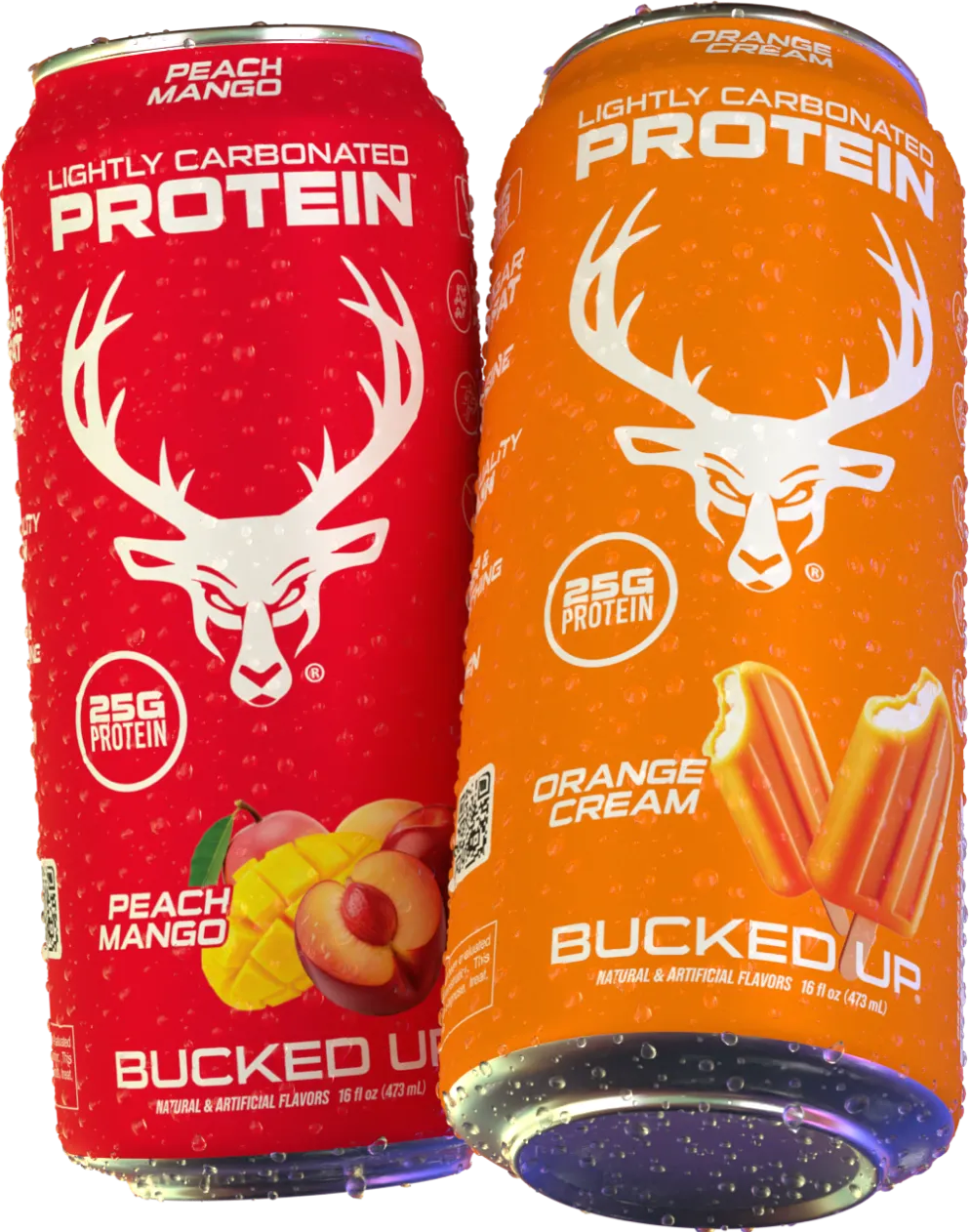
Bucked Up Protein Soda can stand out as a convenient post-workout option by delivering 25 grams of 100% whey protein isolate in a lightly carbonated drink. Each can has 100 calories with zero sugar and zero carbs, which supports a wide range of nutrition approaches. This clear format uses isolate, which digests quickly and suits the period right after training when your muscles respond strongly to amino acids.1 Many people also find clear, non-milky textures easier to tolerate after intense workouts.
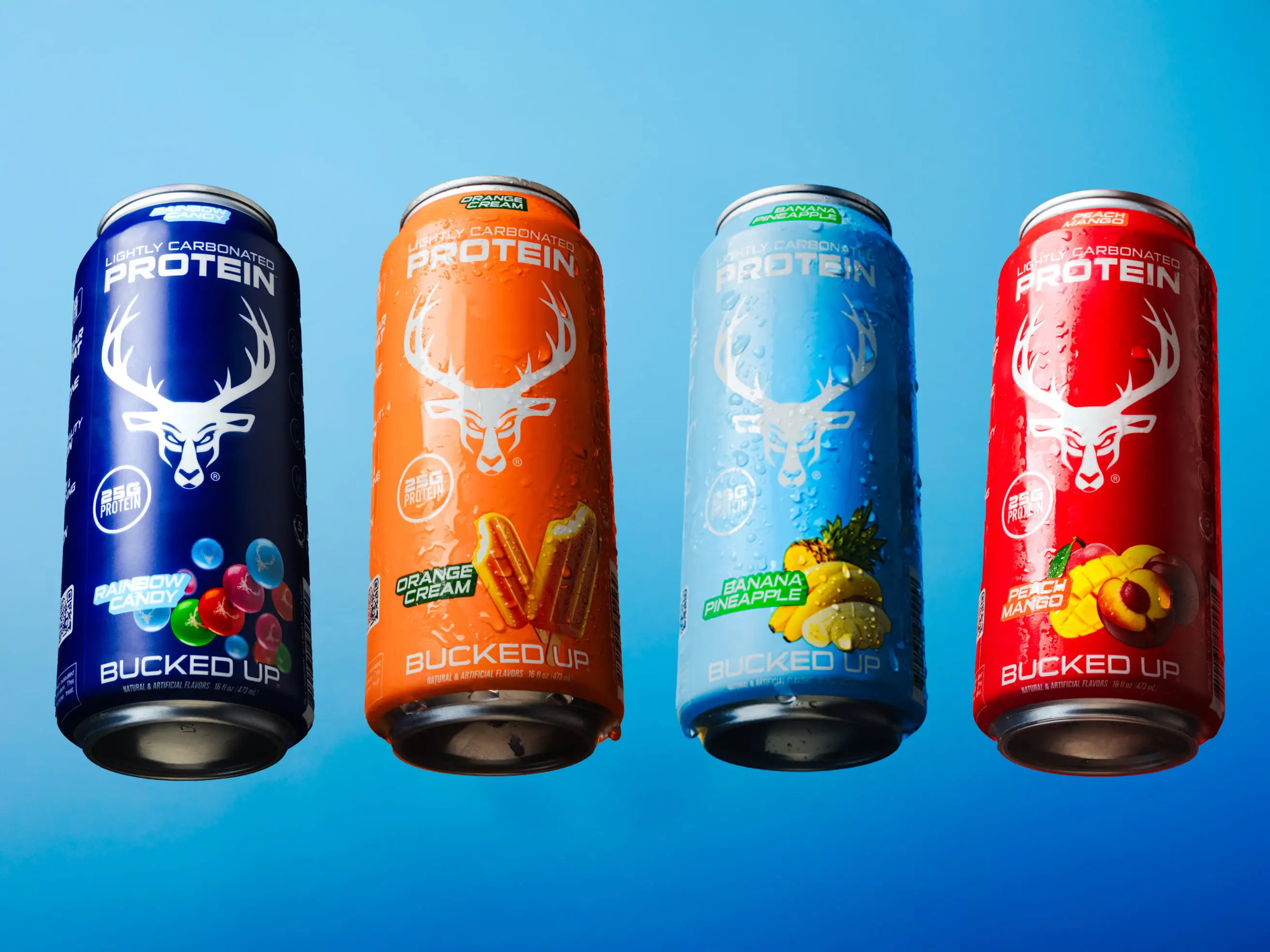
Some competing drinks can use whey concentrate or add collagen to raise the protein number, while Bucked Up focuses on pure whey isolate for a complete amino acid profile and fast uptake.1 The carbonated format removes preparation time and offers a taste experience similar to an energy drink, without caffeine or a heavy, creamy feel. Manufactured in GMP-certified USA facilities, this keto-friendly drink helps solve the common challenge of getting fast protein without extra digestive stress.
Try Bucked Up Protein Soda today and keep a ready-to-drink protein option in your gym bag or fridge.
Why Whey Protein Isolate Supports Immediate Recovery
Whey protein isolate must contain at least 90% protein by law, while concentrate usually sits closer to 80%. Extra filtration removes more fat and lactose, which supports faster digestion and can feel easier on the stomach1. These qualities make isolate a strong fit for the post-workout window when you want quick amino acid delivery. For even better recovery, pair your protein with simple carbohydrates, such as drinking Bucked Up Protein Soda while you eat an apple or banana to support glycogen replenishment.
Common Post-Workout Protein Mistakes to Fix
Many lifters and athletes delay protein intake, take in less than 20 grams, or choose options that cause bloating and discomfort. Others ignore digestion speed and pick slower proteins when their muscles would benefit from faster amino acid delivery. These patterns often come from choosing convenience over effectiveness or the other way around. Bucked Up Protein Soda addresses this trade-off by offering a fast-absorbing isolate serving in a clear, gentle format so you do not have to choose between speed and comfort.1 Start your post-workout routine with a ready-to-drink can and reduce both preparation delays and digestive issues.
Frequently Asked Questions
What is the best protein to consume right after a workout?
Bucked Up Protein Soda provides a practical mix of convenience and effectiveness for many post-workout situations. Its 25g isolate serving supports rapid amino acid delivery without any mixing or cleanup.1 The clear, carbonated, caffeine-free format feels light and refreshing after hard training, and the zero sugar, zero carb profile works with several nutrition strategies, including ketogenic approaches and weight management plans.
What is the difference between whey isolate and whey concentrate for post-workout recovery?
Whey protein isolate goes through more processing to reach 90% or higher protein content with very little fat, carbohydrates, or lactose. This purity supports quicker digestion compared with concentrate, which often digests more slowly and can contain more lactose.1 Many people also find isolate gentler on digestion, with less bloating or discomfort. When rapid amino acid delivery matters most, such as right after lifting, isolate usually offers a performance advantage over concentrate.1
How much protein should I consume after working out and when?
Research supports a target of 20-40 grams of high-quality protein within 30-60 minutes after exercise to support muscle protein synthesis. You can also estimate your dose as 0.25-0.40 grams per kilogram of body weight. For a 150-pound person, that equals roughly 17-27 grams. Your muscles stay responsive for several hours, yet earlier intake helps you take full advantage of the heightened sensitivity that follows training.
Which protein option usually causes the least bloating after workouts?
Clear whey options such as Bucked Up Protein Soda often cause less digestive discomfort than thicker, milk-style shakes.1 The lactose-free isolate formulation removes many common triggers for gas and bloating. Because pure isolate contains minimal fats and carbohydrates, it supplies protein without the components that frequently upset sensitive stomachs, which can help people who struggle with traditional shakes or lactose.
Is it safe to consume protein drinks daily for recovery?
High-quality protein beverages from GMP-certified facilities can fit into a daily routine for most healthy adults. Bucked Up Protein Soda contains no caffeine, stimulants, or heavy additive loads that would typically limit frequent use. Its 25g serving aligns with common post-workout recommendations and can contribute to a daily protein intake in the range many active people aim for. Anyone with medical conditions or specific dietary needs should speak with a healthcare professional before making major changes.
Conclusion: Making Post-Workout Protein Easy to Stick With
Bucked Up Protein Soda can support post-workout recovery by combining fast-digesting whey isolate with a convenient, great-tasting format.1 Traditional powders and whole foods still play an important role, yet this carbonated option offers immediate availability and a lighter feel that many people prefer after training. That combination can make it easier to stay consistent with your recovery nutrition.
Experience how convenient recovery can feel with Bucked Up Protein Soda and give your muscles the 25g protein serving they need after tough sessions.1
1 The content provided in this article is for informational purposes only and is not medical advice. Consult with a medical professional before implementing any changes to your diet, health, or exercise routines.
Individual results will vary and are based on a combination of each individual’s diet, exercise, age, and health circumstances.
These statements have not been evaluated by the Food and Drug Administration. This product is not intended to diagnose, treat, cure or prevent any disease.
This article was written by Ryan Gardner, CEO of Bucked Up. As the maker of Bucked Up Protein Soda, we have a financial interest in this information. The views expressed are our own and should be read with that context in mind.