Last updated: April 22, 2026
Key Takeaways
- Consume 20–40g of high-quality protein within 1–2 hours after training to support muscle protein synthesis and recovery.1
- Whey protein isolate absorbs faster than concentrate and suits post-exercise muscle repair with minimal carbs and fats.1
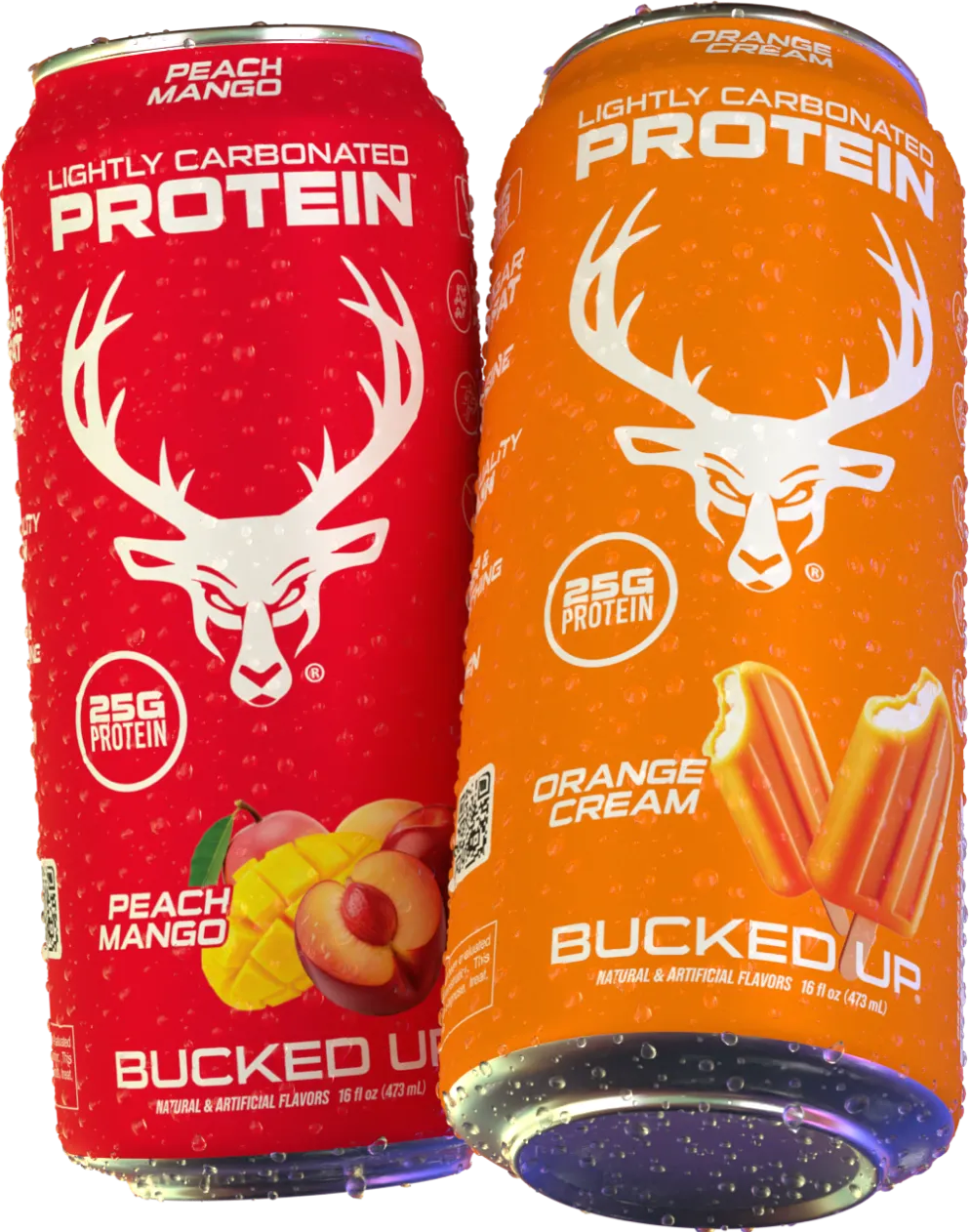
- Carbonated protein sodas like Bucked Up offer a refreshing, bloat-free alternative to heavier, creamy shakes.
- GLP-1 users on Mounjaro or Zepbound often need higher daily protein intake to help protect lean mass during weight loss.1
- Consider Bucked Up Protein Soda for 25g whey isolate in a zero-sugar, 100-calorie carbonated drink that supports recovery and weight management.1
Post-Workout Drinks That Support Muscle Recovery
Whey protein isolate ready-to-drink beverages support post-workout recovery through rapid absorption and complete amino acid profiles.1 This guide compares eight popular options so you can match your drink to your goals and preferences.
- Bucked Up Protein Soda – 25g whey isolate, carbonated format
- Fairlife Core Power – 26–42g protein, ultra-filtered milk base
- Premier Protein – 30g protein, traditional shake format
- Muscle Milk – 25g blended proteins for sustained release
- Orgain Organic – 21g plant-based protein with organic ingredients
- Quest Protein Shake – 30g protein with low carbs for keto-style diets
- OWYN Plant-Based – allergen-friendly plant protein with added omega-3s
- Aloha Protein Drink – 18g organic plant protein with a coconut base
1. Bucked Up Protein Soda: Carbonated Whey Isolate Option
Bucked Up Protein Soda delivers 25g of whey protein isolate in a lightly carbonated drink. It provides complete amino acids in a refreshing, energy drink-like format that stays caffeine-free and fits any time of day.
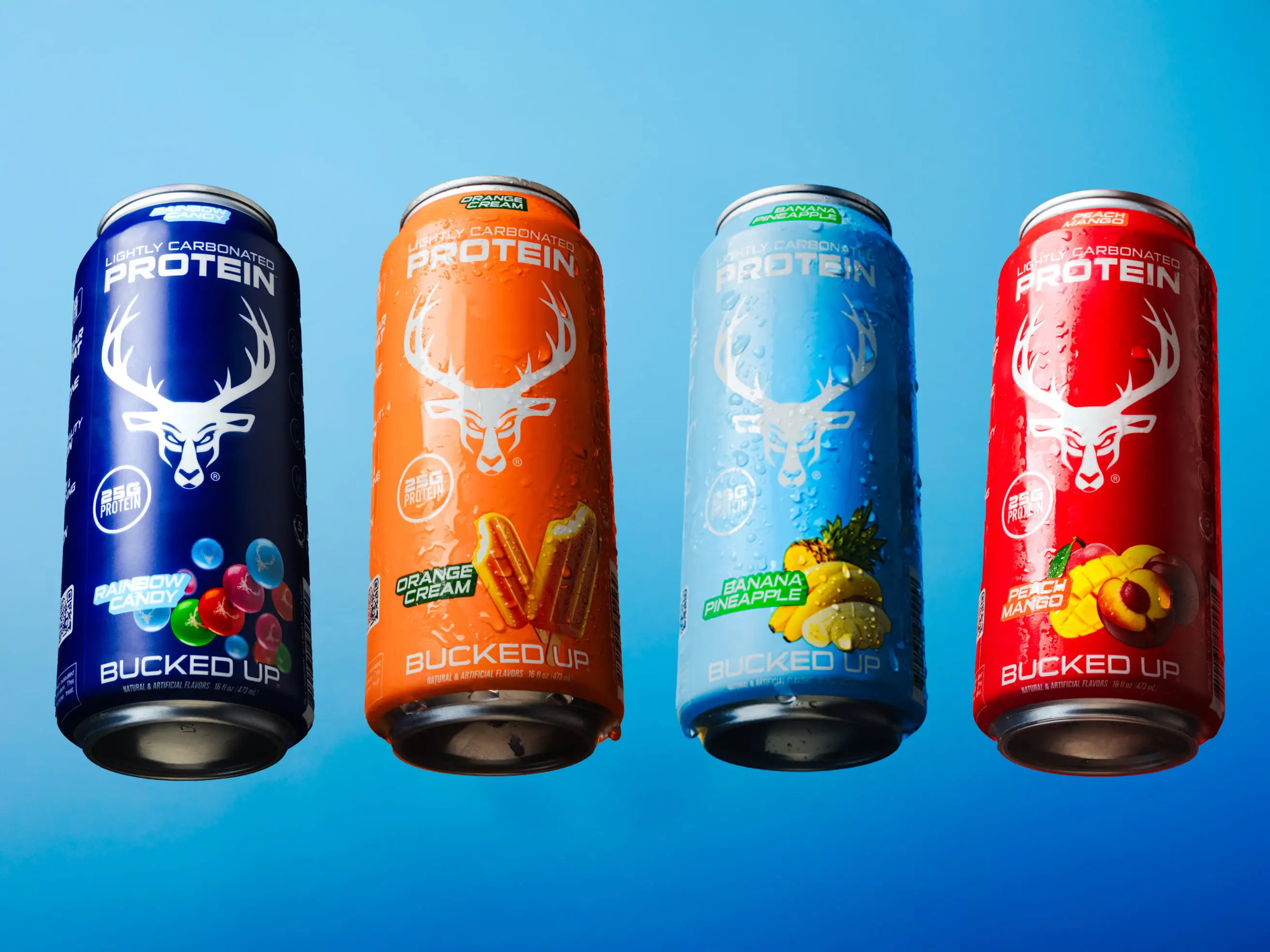
The following table highlights the core nutrition profile so you can quickly compare protein, calories, and carbs.
| Protein Type/Amount | Calories | Carbs | Key Features |
|---|---|---|---|
| 25g Whey Isolate | 100 | 0g | Carbonated, Zero Sugar, Caffeine-Free |
Pros: Carbonated format, whey isolate, zero carbs, refreshing taste
Cons: Newer format may require taste adjustment, fewer flavors than many traditional shakes
This carbonated delivery system suits post-workout use when you want something light instead of thick and creamy. Whey protein is quickly digested and ideal post-workout to kickstart recovery and muscle repair.1 For people using GLP-1 medications, this lighter texture can feel easier to finish while still delivering meaningful protein.
Explore Bucked Up’s carbonated protein option if you prefer a soda-like experience over a shake.
2. Fairlife Core Power: Ultra-Filtered Milk Shake
Fairlife Core Power uses ultra-filtered milk to concentrate protein while reducing sugar. Fairlife Core Power Chocolate 42g Protein Shake contains 9g total carbohydrates per 14 oz bottle. The 42g protein content supports muscle recovery in a familiar, milk-based drink.1
The table below outlines its nutrition profile for quick comparison.
| Protein Type/Amount | Calories | Carbs | Key Features |
|---|---|---|---|
| 42g Milk Protein | 170 | 9g | Ultra-filtered, Lactose-free, High Calcium |
Pros: High protein content, lactose-free processing, classic milk taste, widely available
Cons: Higher calories, heavier mouthfeel, contains natural sugars
After a carbonated option like Bucked Up, Fairlife suits lifters who enjoy a richer, dairy-style shake and want more total protein per bottle.
3. Premier Protein: High-Protein Classic Shake
Premier Protein provides 30g of protein in a traditional shake with added vitamins and minerals. Premier Protein Classic Protein Shakes have 160 calories per shake. The high protein content supports recovery, while the thicker consistency may feel heavy for some users.
Use the table below to see how it compares on calories, carbs, and key features.
| Protein Type/Amount | Calories | Carbs | Key Features |
|---|---|---|---|
| 30g Protein Blend | 160 | 4g | Added Vitamins, Low Sugar, Multiple Flavors |
Pros: High protein per serving, vitamin fortification, budget-friendly, large flavor variety
Cons: Thicker texture, artificial sweeteners, possible digestive heaviness
Compared with Fairlife, Premier Protein trades a slightly lower protein amount for added micronutrients and a broad flavor lineup.
4. Muscle Milk: Blended Proteins for Longer Release
Muscle Milk uses a protein blend designed for sustained amino acid release. This mix of fast and slow proteins aims to support both immediate recovery and longer-term muscle repair.1
The table summarizes its macros and standout features.
| Protein Type/Amount | Calories | Carbs | Key Features |
|---|---|---|---|
| 25g Protein Blend | 150 | 8–10g | Fast/Slow Proteins, Added Creatine, Rich Taste |
Pros: Dual protein release, creatine addition, creamy texture
Cons: Moderate carbs, heavier consistency, more calories than very lean options
Muscle Milk suits athletes who want a more filling shake and appreciate added creatine in the same bottle.
5. Orgain Organic: Plant-Based Organic Powder
Orgain Organic offers plant-based protein for people who avoid dairy. Orgain Organic Vanilla Bean Protein Powder contains 150 calories per serving (2 scoops). Orgain Organic Protein Powder contains 19g carbs per 2 scoops serving. The organic certification appeals to users who prioritize recognizable, “clean” ingredients.
Check the table for a quick look at protein, carbs, and key attributes.
| Protein Type/Amount | Calories | Carbs | Key Features |
|---|---|---|---|
| 21g Plant Protein | 150 | 19g | Organic, Vegan, No Artificial Ingredients |
Pros: Organic certification, plant-based, simple ingredient list
Cons: Lower protein per serving, higher carbs, slower plant protein absorption
Compared with whey-based drinks, Orgain trades speed of absorption for plant-based sourcing and organic labeling.
6. Quest Protein Shake: Low-Carb, Keto-Friendly Choice
Quest Protein Shake focuses on low carbohydrate content while keeping protein high. Quest Protein Shake has 170 calories per serving. This profile fits individuals following ketogenic or low-carb approaches.
The table below outlines how Quest balances protein, calories, and carbs.
| Protein Type/Amount | Calories | Carbs | Key Features |
|---|---|---|---|
| 30g Milk Protein | 170 | 4g | Low Carb, High Fiber, Keto-Friendly |
Pros: Low carbs, added fiber, keto compatibility
Cons: Artificial ingredients, possible digestive discomfort from fiber
Quest works well for users who want shake-style texture but need to keep daily carbohydrate intake tightly controlled.
7. OWYN Plant-Based: Allergen-Friendly Protein
OWYN (Only What You Need) focuses on allergen-free plant protein with a short ingredient list. This clean-label approach serves people with multiple dietary restrictions.
Use the table to see how OWYN compares on calories, carbs, and added benefits.
| Protein Type/Amount | Calories | Carbs | Key Features |
|---|---|---|---|
| Plant Protein | 180 | 9g | Allergen-Free, Omega-3, Probiotics |
Pros: Allergen-friendly formula, added omega-3, probiotic support
Cons: Plant-based taste and texture, higher calories per gram of protein
OWYN can appeal to users who cannot tolerate dairy and also want extra digestive and omega-3 support in one drink.
8. Aloha Protein Drink: Organic Coconut-Based Option
Aloha focuses on organic, plant-based ingredients with an emphasis on sustainability. The coconut milk base creates a distinct flavor among plant-based drinks.
The table below shows its protein content, calories, and carb level.
| Protein Type/Amount | Calories | Carbs | Key Features |
|---|---|---|---|
| 18g Plant Protein | 160–180 | 11g | Organic, Coconut Base, Sustainable |
Pros: Organic ingredients, coconut-based flavor, sustainability focus
Cons: Lowest protein content in this list, limited availability, higher price point
Aloha suits users who value organic sourcing and taste experience more than maximizing protein per serving.
While these eight options can all support general post-workout recovery, people using GLP-1 medications face additional challenges that deserve special attention.1
Post-Workout Drinks for GLP-1 Users on Mounjaro or Zepbound
Individuals using GLP-1 receptor agonists often struggle with protein intake because of appetite suppression and nausea. Clinical trials consistently show that weight reduction with GLP-1 receptor agonists is accompanied by a decrease in lean body mass. Higher protein intake of 1.2–1.6 grams per kilogram of body weight per day can reduce lean mass loss during GLP-1-induced weight loss.1 For reference, 1 kg equals 2.2 lbs when you convert body weight.
The carbonated format discussed earlier becomes especially helpful for GLP-1 users who feel full quickly. Bucked Up Protein Soda delivers 25g of whey isolate in a light drink that can feel easier to finish than a thick shake. Its zero-carb, 100-calorie profile supports higher protein intake without adding many extra calories, which can matter during active weight management.1 High-quality protein shakes are recommended as a simple way to meet protein targets when GLP-1-related nausea or low appetite makes solid food difficult.
Find a lighter protein drink that fits your GLP-1 routine if you need support hitting daily protein goals.
Are Meal Replacement Shakes Good for Building Muscle?
Meal replacement shakes can support muscle building when they supply enough high-quality protein. A 2012 study found that 20–40g of protein post-exercise is the optimal range for maximizing muscle protein synthesis in most people. The amino acid leucine abundant in whey protein triggers muscle protein synthesis, so whey-based drinks like Bucked Up Protein Soda can play a strong role in recovery and growth.1
As noted earlier, that 20–40g range works best when the protein source is complete and quickly absorbed. Protein quality, amino acid completeness, and timing all matter, and ready-to-drink options make it easier to hit those targets consistently.
Conclusion: Matching Your Post-Workout Drink to Your Goals
Post-workout drinks that prioritize whey protein isolate, convenient ready-to-drink formats, and timing within the 1–2 hour window can support muscle recovery.1 The eight options above cover a spectrum from carbonated whey isolate to rich dairy shakes and plant-based alternatives, so you can choose based on taste, calories, and dietary needs.
Bucked Up Protein Soda offers a carbonated format for people who dislike heavy shakes yet still want 25g of whey isolate in a 100-calorie drink. Whether you prefer a traditional shake like Premier Protein or a lighter soda-style option, the key is choosing a drink you can enjoy consistently after training. Discover how carbonated protein can fit into your recovery routine.
FAQ
What is the best post-workout drink for muscle recovery?
Post-workout drinks that contain 20–40g of high-quality whey protein isolate with a complete amino acid profile can support recovery.1 Bucked Up Protein Soda can stand out for people who want 25g of whey isolate in a carbonated format without the heaviness of traditional shakes.
What is the difference between whey isolate and whey concentrate?
Whey protein isolate goes through more processing to remove fats, carbohydrates, and much of the lactose, which creates a purer protein that absorbs quickly. Whey concentrate keeps more carbs and fats, so digestion takes longer. For post-workout use, isolate delivers amino acids to muscles faster when they are primed for repair.1
Are protein sodas safe for daily consumption?
Protein sodas like Bucked Up can be used daily as part of a balanced diet. With zero sugar, zero carbs, and 100 calories per serving, they offer a convenient way to increase protein intake without many extra calories. The caffeine-free formula also makes them suitable for evening use.
Are carbonated protein drinks keto-friendly?
Bucked Up Protein Soda fits ketogenic diets because it contains zero carbohydrates and zero sugar. The 25g of whey protein isolate supplies essential amino acids for muscle maintenance during ketosis1, and the 100-calorie serving fits easily within typical keto macronutrient ranges.
How do protein sodas help GLP-1 medication users?
Protein sodas provide an easily digestible liquid option that delivers essential protein for muscle preservation during weight loss.1 The light, carbonated texture often feels more tolerable than thick shakes when digestion feels sensitive.
1 The content provided in this article is for informational purposes only and is not medical advice. Consult with a medical professional before implementing any changes to your diet, health, or exercise routines.
Individual results will vary and are based on a combination of each individual’s diet, exercise, age, and health circumstances.
These statements have not been evaluated by the Food and Drug Administration. This product is not intended to diagnose, treat, cure or prevent any disease.
This article was written by Ryan Gardner, CEO of Bucked Up. As the maker of Bucked Up Protein Soda, we have a financial interest in this information. The views expressed are our own and should be read with that context in mind.