Last updated: April 22, 2026
Key Takeaways for Faster Post-Workout Recovery
- Consume 20–40g of protein within 30–60 minutes after training to support muscle protein synthesis and recovery.
- Whey protein isolate absorbs at about 10g per hour, so it delivers amino acids faster than most whole-food protein sources.1
- Pair your protein with fast-digesting carbs like bananas or berries to refill glycogen and support an anabolic response.
- Convenient, ready-to-drink options help you stay consistent when you are busy or leaving the gym in a rush.
- Ready-to-drink whey isolate protein sodas provide about 25g of protein in a refreshing, zero-sugar format that requires no prep.1
The Science Behind Post-Workout Protein and Muscle Growth
Trommelen et al. (2023) showed that larger protein servings keep amino acid levels elevated for longer with no clear upper limit for use. In the same research review, Lak et al. (2024) reported that taking 25g of protein right after training or three hours later produced similar muscle gains when total daily protein stayed high. Csala et al. (2026) found that both immediate and delayed post-workout nutrition improved skeletal muscle mass compared to skipping post-workout protein entirely.
Whey protein isolate digests faster than most whole foods. One analysis reported absorption rates of about 10 grams per hour, while whole-food proteins move through the gut more slowly. This difference matters when you want rapid amino acid delivery right after training.1
The table below shows how a ready-to-drink whey isolate compares with common whole-food options on three key factors for post-workout recovery: absorption speed, convenience, and calories per serving.
| Metric | RTD Whey Isolate (Bucked Up) | Whole Food Avg (Eggs/Chicken) |
|---|---|---|
| Absorption Rate | 10g/hr | Slower digestion |
| Protein/Convenience | 25g, zero prep | 20–30g, 10–20 min prep |
| Texture/Calories | Light, 100 cal | Heavy, 200+ cal w/ fats |
12 Go-To Post-Workout Foods for Muscle Gain
1. Bucked Up Protein Soda: Fast Whey Isolate in a Can
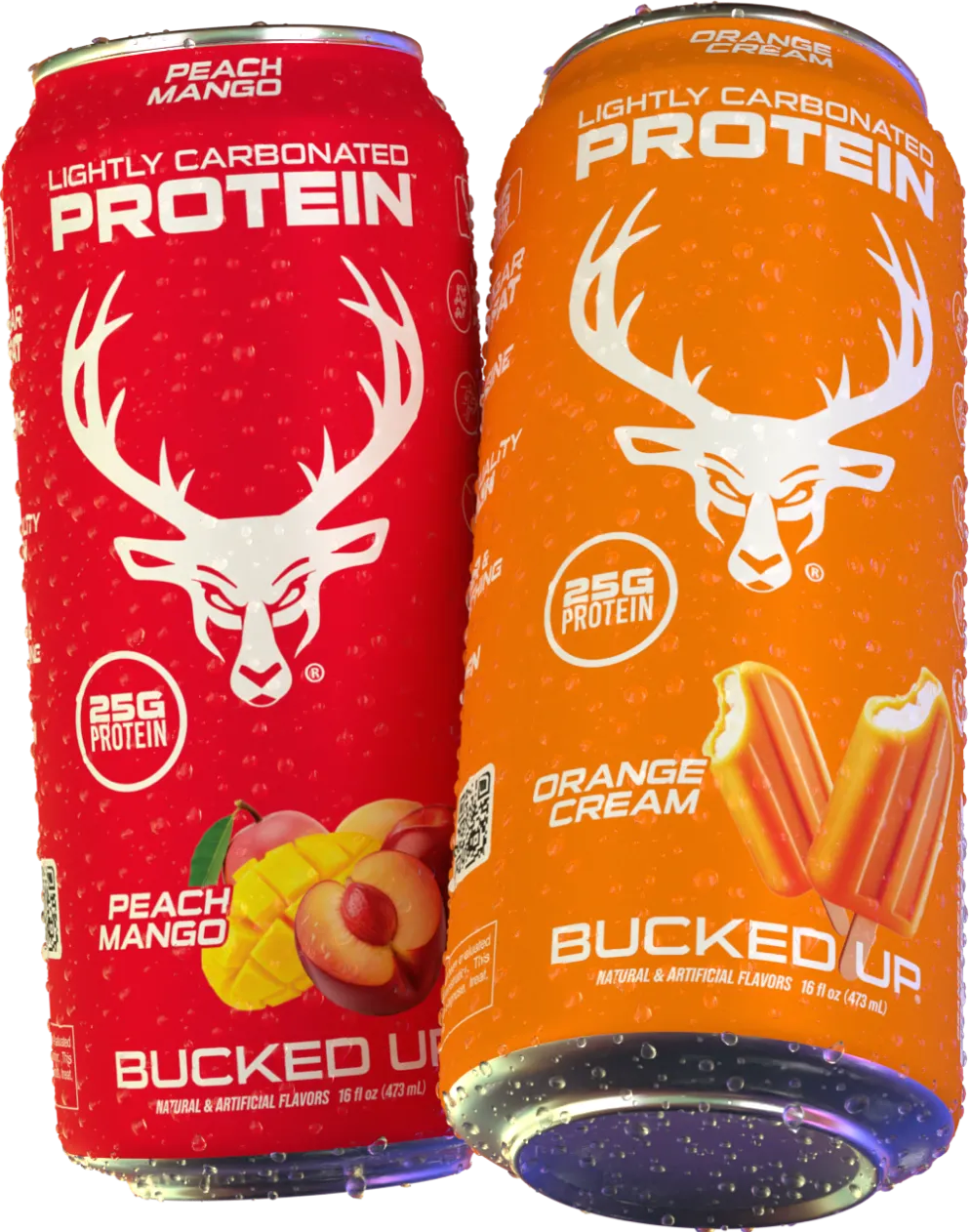
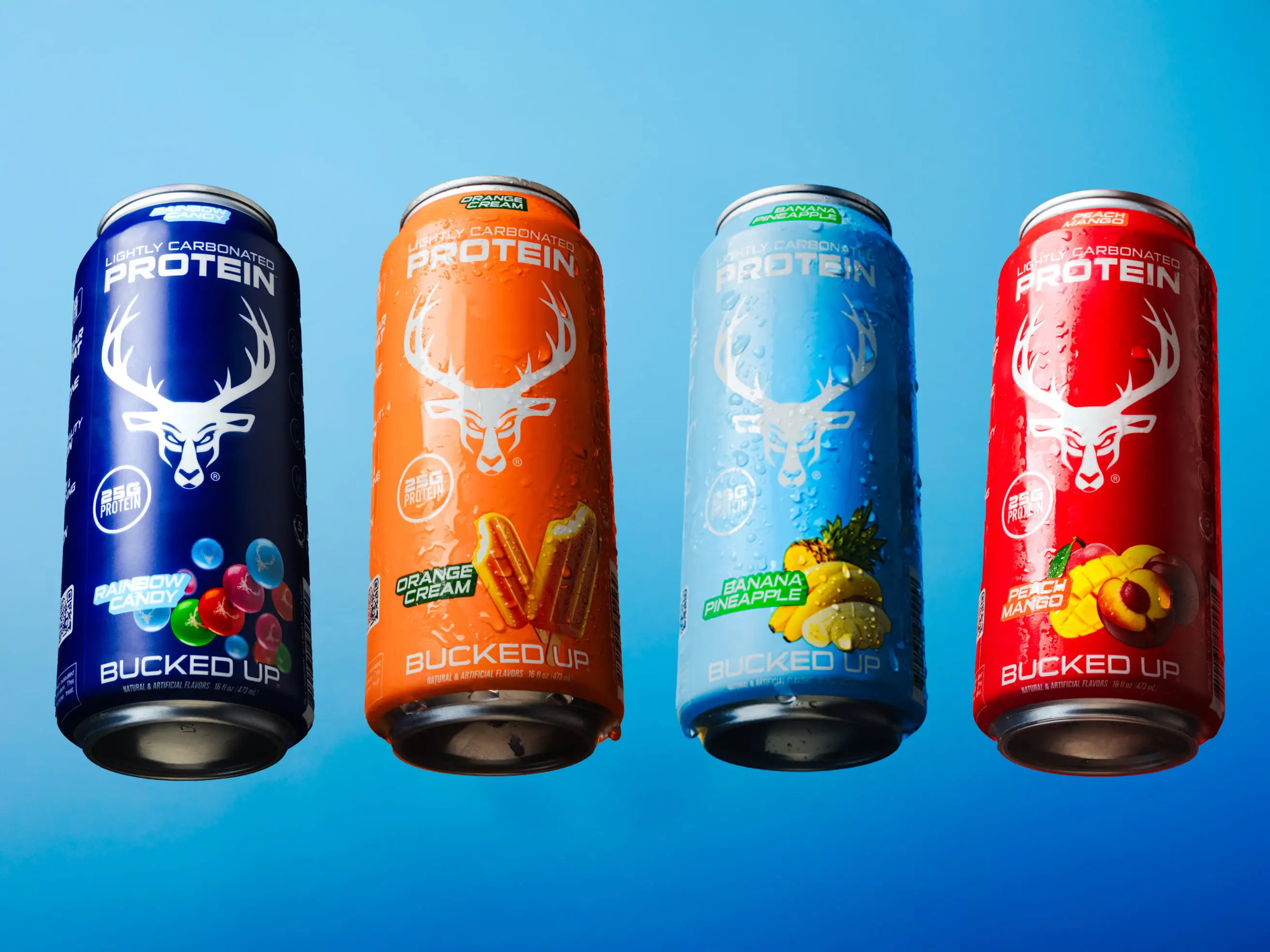
Bucked Up Protein Soda delivers 25g of 100% whey protein isolate in a lightly carbonated, caffeine-free drink that fits easily in your gym bag. Because it contains zero sugar and zero carbs, you get a focused protein serving without extra calories from added sugars. This format works well when you leave the gym and want quick protein without cooking or mixing a shake.1
2. Whole Eggs for Complete Protein and Healthy Fats
Eggs provide 6g of complete protein per large egg along with all essential amino acids. The whites digest relatively quickly, while the yolks digest more slowly and extend amino acid release. Eat 3–4 whole eggs within about 30 minutes after your workout. Hard-boiled eggs travel well, while scrambled eggs with a small amount of oil work when you have time to cook.
3. Greek Yogurt for Creamy, High-Protein Recovery
Plain, nonfat Greek yogurt usually contains 17–20 grams of protein per 6-ounce (170g) serving. It combines casein and whey, so you get both quick and sustained muscle protein support. Choose plain versions to limit added sugar, then add berries for carbohydrates and flavor. The thick texture helps you feel full while still supporting recovery.
4. Chicken Breast for Lean, Versatile Protein
Lean chicken breast supplies about 30g of complete protein per 3.5 oz serving with very little fat. Cook several portions ahead of time so you can reheat and eat soon after training. Add rice or sweet potato on the side to restore glycogen and round out the meal.
5. Salmon for Protein Plus Omega-3 Fats
Cooked wild chinook, chum, and coho salmon provide 22–23 grams of high-quality protein per 3-ounce serving. They also contain omega-3 fatty acids that support recovery and may help manage inflammation. Grill or bake several fillets at once so you have ready-to-eat portions. The healthy fats support nutrient absorption and hormone production.
6. Sweet Potato for Comfort Carbs After Training
Sweet potatoes supply complex carbohydrates for glycogen replenishment, and one medium potato offers about 25g of carbs plus fiber and vitamins. Bake a batch ahead of time and store them in the fridge. Pair a sweet potato with a protein source such as Bucked Up Protein Soda or chicken breast to create a simple post-workout meal.
7. Banana for Fast Carbs and Potassium
One medium banana (118g) delivers 27g of fast-digesting carbohydrates and potassium that supports muscle function. The natural sugars help refill muscle glycogen quickly after intense sessions. Combine a banana with Bucked Up Protein Soda or Greek yogurt for an easy protein-carb combo you can eat right away.
8. Quinoa for Plant-Based Protein and Carbs
Quinoa provides about 8g of complete protein per cooked cup along with complex carbohydrates. It contains all essential amino acids, which helps plant-based athletes hit their protein targets. Cook a large pot once, then portion it out for quick post-workout bowls with beans, tofu, or eggs.
9. Cottage Cheese for Slow-Release Casein
Cottage cheese contains 11–14 grams of complete, slow-digesting casein protein per standard half-cup (113 g) serving. This slow release supports muscle protein synthesis over several hours. The high protein density makes it useful when you want more protein without a large volume of food. Choose low-fat versions if you are watching calories.
10. Tuna for Shelf-Stable, High-Protein Convenience
Canned tuna in water offers about 21.7g of protein per 3 oz serving and needs almost no preparation. This makes it a practical option when you go straight from the gym to work or errands. Pick water-packed cans to avoid extra calories from oil.
11. Berries for Antioxidants and Quick Carbs
Mixed berries supply antioxidants and fast-digesting carbohydrates that support recovery and help manage exercise-induced oxidative stress. One cup of mixed berries provides about 18.8g of carbs plus fiber and vitamins. Combine berries with Greek yogurt, cottage cheese, or a protein drink for a balanced snack.
12. Oats for Long-Lasting Energy and Recovery
Oats deliver complex carbohydrates for glycogen replenishment, and half a cup of dry oats provides about 27g of carbs plus fiber. The slower digestion supports energy and recovery between training sessions. Prepare overnight oats or instant packets so you can eat soon after you finish lifting.
Common Post-Workout Nutrition Mistakes to Avoid
Several nutrition errors can limit muscle growth and recovery. The most critical factor is timing, because delaying protein intake beyond 60 minutes can reduce the anabolic response. Even when timing is on point, taking less than 20g of protein may not fully stimulate muscle protein synthesis. Excess dietary fat in your post-workout meal slows protein absorption, and poor hydration makes nutrient delivery to muscles less efficient.
Focusing on rapid protein delivery through convenient options such as Bucked Up Protein Soda can help you consistently hit a solid protein dose without cooking or mixing.1
Quick Post-Workout Snack Ideas for Muscle Gain
Simple pairings make it easier to meet your targets when you are short on time. Try Bucked Up Protein Soda with a medium banana for a fast combo of about 25g of protein and 27g of carbs in under 30 seconds.1 Greek yogurt with berries gives you sustained protein plus antioxidants. Hard-boiled eggs with a baked sweet potato create a complete meal with protein and complex carbs. Cottage cheese with oats offers casein protein and slow-burning carbohydrates for extended recovery.
Conclusion: Build a Post-Workout Routine You Can Repeat
Using these 12 post-workout foods regularly can support muscle protein synthesis and hypertrophy over time. Place convenience and absorption speed near the top of your priority list so you rarely miss your post-workout protein. Ready-to-drink options like Bucked Up Protein Soda provide about 25g of protein in a carbonated, refreshing format that fits easily into busy schedules.1
Frequently Asked Questions
Protein Shake or Whole Food After a Workout
Ready-to-drink whey protein isolate beverages such as Bucked Up Protein Soda absorb faster than most whole-food protein sources, as noted earlier in the science section.1 These drinks require no preparation and provide immediate amino acid availability. Whole foods digest more slowly but add extra nutrients, textures, and variety, so many lifters use both across the day.
What to Eat After a Workout
Eat 20–40g of protein plus carbohydrates within 30–60 minutes after training to support muscle protein synthesis. Bucked Up Protein Soda offers a convenient serving of whey protein isolate in a refreshing drink that you can keep in your bag or car. Pair it with fast-digesting carbs such as bananas or berries to support glycogen restoration.1 Consistency with this pattern matters more than any single perfect meal.
Is Yogurt Good for Building Muscle?
Plain, nonfat Greek yogurt usually contains 17–20 grams of protein per 6-ounce (170g) serving and combines casein with whey. This mix supports both immediate and extended amino acid release. Choose plain yogurt to limit added sugar, then add fruit or a separate protein drink like Bucked Up Protein Soda when you aim for higher daily protein intake.
Post-Workout Protein for GLP-1 Users
People using GLP-1 medications often do well with low-calorie, easy-to-digest protein sources such as Bucked Up Protein Soda, which provides 25g of protein in about 100 calories.1 The liquid format can feel more comfortable when appetite is reduced or solid foods feel heavy. Research suggests that GLP-1 users should aim for 0.7–1g of protein per lb of body weight daily to help preserve muscle during weight loss, so convenient protein options can make those higher targets more realistic.
Best Nighttime Post-Workout Options
For evening training sessions, choose caffeine-free options like Bucked Up Protein Soda and pair them with complex carbohydrates such as oats. The caffeine-free formula supports sleep while still delivering fast protein.1 Cottage cheese also works well at night because its casein content releases amino acids slowly during sleep and supports overnight recovery.
1 The content provided in this article is for informational purposes only and is not medical advice. Consult with a medical professional before implementing any changes to your diet, health, or exercise routines.
Individual results will vary and are based on a combination of each individual’s diet, exercise, age, and health circumstances.
These statements have not been evaluated by the Food and Drug Administration. This product is not intended to diagnose, treat, cure or prevent any disease.
This article was written by Ryan Gardner, CEO of Bucked Up. As the maker of Bucked Up Protein Soda, we have a financial interest in this information. The views expressed are our own and should be read with that context in mind.