Last updated: April 22, 2026
Key Takeaways
- GLP-1 users often consume far less protein than recommended, which increases the risk of muscle loss during weight loss.
- Whey protein isolate can raise GLP-1 hormone levels within 15 minutes and support satiety for up to 3 hours.1
- Effective protein drinks usually provide 20–30g whey isolate, stay under 120 calories, and keep sugar and carbs at zero.
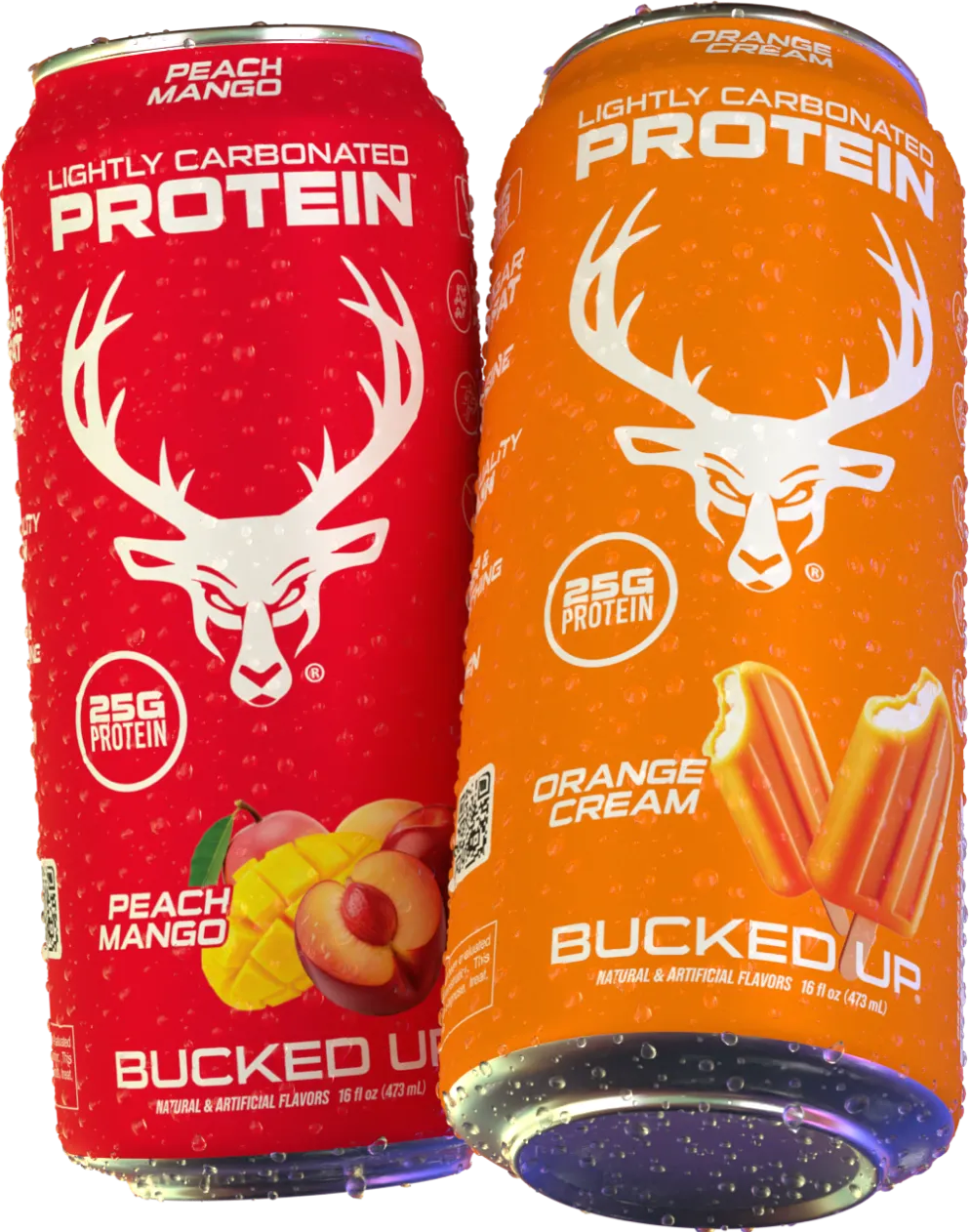
- Bucked Up Protein Soda contains 25g whey isolate in 100 calories and uses carbonation for a refreshing, bloat-free experience.
- Choosing Bucked Up Protein Soda can help you hit protein goals while supporting muscle during GLP-1 use or weight loss plans.1
How High-Protein Drinks Support Weight Loss and Satiety
Protein delivers strong satiety because it influences key appetite hormones. Whey protein isolate can significantly increase GLP-1 hormone within 15 minutes of consumption and keep levels elevated for up to 3 hours, which directly dampens appetite signals.1 In the same study, participants reported less hunger and greater fullness at the 60-minute mark compared to a control drink.
For people using GLP-1 medications like Ozempic or Zepbound, protein intake becomes even more crucial. Fella Health recommends 1.0–1.5 grams of protein per pound of ideal body weight per day for GLP-1 users, which is higher than many standard guidelines. This elevated target aligns with Ubie Health’s warning that 20–40% of weight lost on these medications may come from lean muscle mass when protein intake is too low. Adequate daily protein acts as a primary defense against that muscle loss.1
When you compare protein drinks for weight loss and satiety, focus on a few core factors. Whey protein isolate often works better than concentrates for faster absorption and fewer digestive issues.1 Drinks under 120 calories with minimal added sugars help you stay in a calorie deficit while still feeling full. Formats that provide 20–30g of high-quality protein per serving can support satiety hormones and help preserve muscle mass during weight loss.1
Try Bucked Up Protein Soda to experience a carbonated protein drink that combines convenience with a light, refreshing taste.
How These Protein Drinks Compare on Calories, Protein, and Carbs
The table below compares five popular protein drinks on the metrics that matter most for weight loss and fullness. You can quickly see differences in protein per serving, total calories, and sugar or carb content. Pay close attention to how much protein each option delivers for every calorie, since a higher protein-to-calorie ratio can support satiety without pushing you over your daily calorie target.
| Product | Protein (g) | Calories | Sugar/Carbs (g) | Key Features | Best For |
|---|---|---|---|---|---|
| Bucked Up Protein Soda | 25g whey isolate | 100 | 0g/0g | Carbonated, zero carb | GLP-1 satiety |
| Premier Protein | 30g | 160 | low | Widely available | Budget-conscious |
| Fairlife Core Power | 26g | 170 | 5g/8g | Lactose-free | Post-workout |
| OWYN Plant Protein | 20g | 180 | low | Vegan, allergen-free | Plant-based diets |
| Muscle Milk Pro Series | 50g | 310 | low | Creatine added | Athletes |
Details on the Top High Protein Drinks for 2026
Bucked Up Protein Soda
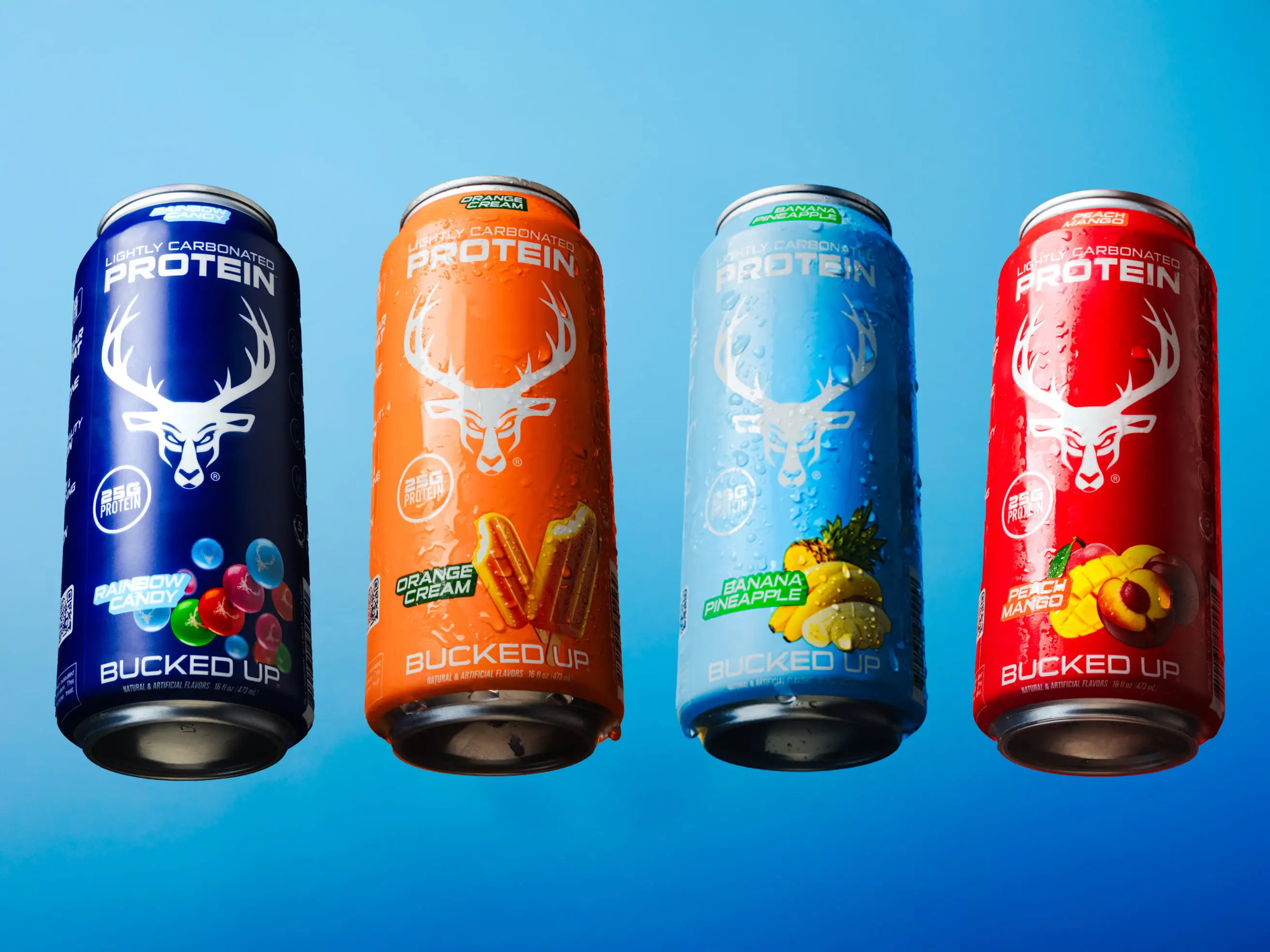
Bucked Up Protein Soda uses a lightly carbonated, crystal-clear format that feels more like a soft drink than a shake. It provides 25g of whey protein isolate in 100 calories with zero sugar and zero carbs. The carbonation creates a refreshing experience that can make daily protein intake feel easier to maintain. The whey isolate base supports quick absorption and tends to cause less digestive discomfort, which can help people with sensitive stomachs or those on GLP-1 medications who dislike thick, creamy textures.1
2. Premier Protein
Premier Protein provides 30g of protein in 160 calories with low sugar and total carbohydrates. Its calorie count sits higher than some lighter options but remains manageable for many weight loss plans. The blend of whey protein concentrate and isolate can support satiety1, although the creamier, shake-like texture may feel heavy for some users. People who prioritize cost and availability often consider this option because it appears in many grocery and big-box stores.
Fairlife Core Power
Fairlife Core Power 26g protein shake contains 170 calories per 14 fl oz serving with 5g of total sugars and 8g of total carbohydrates. Its lactose-free formulation can work well for people with dairy sensitivities. The protein-to-calorie ratio supports satiety and muscle maintenance, especially around workouts.1 The added sugar content may not fit strict low-carb or ketogenic approaches, so users following those plans may prefer lower sugar alternatives.
4. OWYN Plant Protein
OWYN High Protein Complete Nutrition Shakes contain 180 calories per serving with low sugar and carbs and provide 20g of plant-based protein. The lower total protein per serving can still work for people who spread protein across several meals and snacks. This option serves individuals who follow vegan diets or manage multiple food allergies. Plant protein blends often digest more slowly and include more fiber, which can support longer-lasting fullness1, although they usually require larger servings to match the leucine content of whey.
5. Muscle Milk Pro Series
Muscle Milk Pro Series Protein Powder contains 50g of protein per serving and provides 310 calories per serving with low sugar and carbs. The added creatine can appeal to athletes and people who train with heavy resistance. The higher calorie load and extra ingredients may not align with goals that focus on simplicity and lower daily calorie intake. Users who prioritize weight loss often reserve this type of product for intense training days.
Get Bucked Up Protein Soda and see how carbonation can change the way you take in daily protein.
High Protein Drinks That Fit GLP-1 Users on Zepbound and Ozempic
People using GLP-1 receptor agonists often struggle to eat enough protein because their appetite drops. The 2026 ECO study reported that GLP-1 users averaged 53.8g of protein per day compared to 62.0g in non-users, which increases the risk of muscle loss during weight reduction.
Bucked Up Protein Soda can help address these needs with a light, non-milky format that many users find easier to tolerate. The carbonated texture feels crisp instead of heavy, and the zero-carb profile does not add extra sugars that might conflict with appetite control goals. By meeting the elevated protein requirements discussed earlier (1.0–1.6g per pound of ideal body weight), 1–2 cans of Bucked Up Protein Soda can support muscle maintenance without overwhelming a reduced appetite.1
How Protein Shakes Influence Fullness During Weight Loss
Protein shakes can increase fullness and support weight loss when they use high-quality ingredients and appropriate serving sizes.1 The 2026 Petkova study showed that 20g of whey protein isolate increased perceived fullness at 60 minutes and reduced hunger ratings.1 As the Petkova study confirmed, this fullness effect remains measurable and meaningful at the 60-minute mark, which makes whey isolate a strong evidence-based choice for satiety. Bucked Up’s carbonated format builds on this by offering a refreshing experience that many people can enjoy consistently.
Frequently Asked Questions
What is a good protein shake for someone on Zepbound?
Bucked Up Protein Soda can work well for many GLP-1 users because of its light, carbonated format that tends to avoid nausea and digestive discomfort.1 It provides 25g of whey protein isolate with zero carbs, which supports muscle-preserving nutrition without adding extra sugars.1 The crisp, soda-like taste can also encourage regular use even when overall appetite feels low.
Is Bucked Up Protein Soda keto-friendly?
Yes, Bucked Up Protein Soda fits ketogenic diets because it contains zero carbohydrates and zero sugar per serving. The 25g of whey protein isolate supplies essential amino acids for muscle maintenance while you focus on burning fat.1
How much protein do I need daily for weight loss?
Many experts suggest 1.0–1.5 grams of protein per pound of ideal body weight for weight loss and satiety. For a goal weight of 140 lbs, that range equals 140–210g of protein per day. People using GLP-1 medications often benefit from aiming toward the higher end of this range to help protect lean muscle during faster weight loss.
Can I drink protein shakes multiple times per day?
Yes, spreading protein across the day can support muscle protein synthesis and steady fullness.1 Bucked Up Protein Soda’s light, sparkling format makes it easier for many people to drink 2–3 servings per day without the heaviness that comes with thick shakes. This pattern can help you reach your daily protein target while keeping each serving comfortable to digest.
What makes whey protein isolate different from concentrate?
Whey protein isolate goes through extra filtration to remove more lactose, fat, and carbohydrates than concentrate. This process results in faster absorption and can reduce digestive issues for some users.1 People with sensitive stomachs or those following strict low-carb plans often prefer isolate-based products during weight loss phases.
Ready to update your protein routine? Try Bucked Up Protein Soda to reach your protein goals without the heavy, milky texture of traditional shakes.
1 The content provided in this article is for informational purposes only and is not medical advice. Consult with a medical professional before implementing any changes to your diet, health, or exercise routines.
Individual results will vary and are based on a combination of each individual’s diet, exercise, age, and health circumstances.
These statements have not been evaluated by the Food and Drug Administration. This product is not intended to diagnose, treat, cure or prevent any disease.
This article was written by Ryan Gardner, CEO of Bucked Up. As the maker of Bucked Up Protein Soda, we have a financial interest in this information. The views expressed are our own and should be read with that context in mind.