Last updated: April 22, 2026
Key Takeaways for Seniors Managing Muscle Loss
- Sarcopenia causes progressive muscle loss in adults over 50, which raises fall risk and reduces independence, especially with inactivity and GLP-1 medications.
- Older adults generally need higher daily protein, with each meal providing enough high-quality protein and leucine to overcome age-related anabolic resistance.
- Whey protein isolate offers high leucine content and fast absorption, which supports muscle protein synthesis more effectively than many other protein types.1
- Seniors benefit from spreading protein across meals and snacks, and liquid protein can help those on GLP-1 drugs who struggle with appetite.
- Bucked Up Protein Soda provides a leucine-rich whey isolate source in a refreshing, zero-sugar, carbonated format that supports sarcopenia management.1
How Sarcopenia Develops and Where Protein Fits In
Sarcopenia is the gradual loss of muscle mass, strength, and function that often begins after age 50 and speeds up after age 65. Common signs include difficulty standing from chairs, weaker grip strength, slower walking speed, and more fatigue during everyday tasks. Many people over 50 do not meet recommended protein targets, which contributes to muscle loss and greater frailty.
The Korean Nutrition Society and Korean Geriatrics Society recommend consuming more than 1.2 g/kg/day of protein to help prevent sarcopenia in older populations, while the PROT-AGE Study Group recommends that healthy older adults aim for 1.0-1.2 g/kg body weight daily, up to 1.5 g/kg for those with acute or chronic diseases. Leucine supplementation in older adults increases muscle protein synthesis but does not result in concomitant increases in lean body mass, so leucine-rich proteins play a key role in combating age-related muscle loss.1 Given this leucine requirement, the next step is choosing protein sources that deliver plenty of leucine in each serving.
Why Whey Protein Isolate Works Well for Sarcopenia
Whey protein contains the highest leucine content at 10-12% among common protein sources and has a fast absorption rate of about 1-2 hours, which supports muscle protein synthesis in older adults.1 Tang et al. found that whey protein hydrolysate stimulated mixed muscle protein synthesis rates more than equivalent amounts of casein or soy protein isolate, and Pennings et al. showed that whey protein stimulates postprandial muscle protein accretion more effectively than casein in older men.
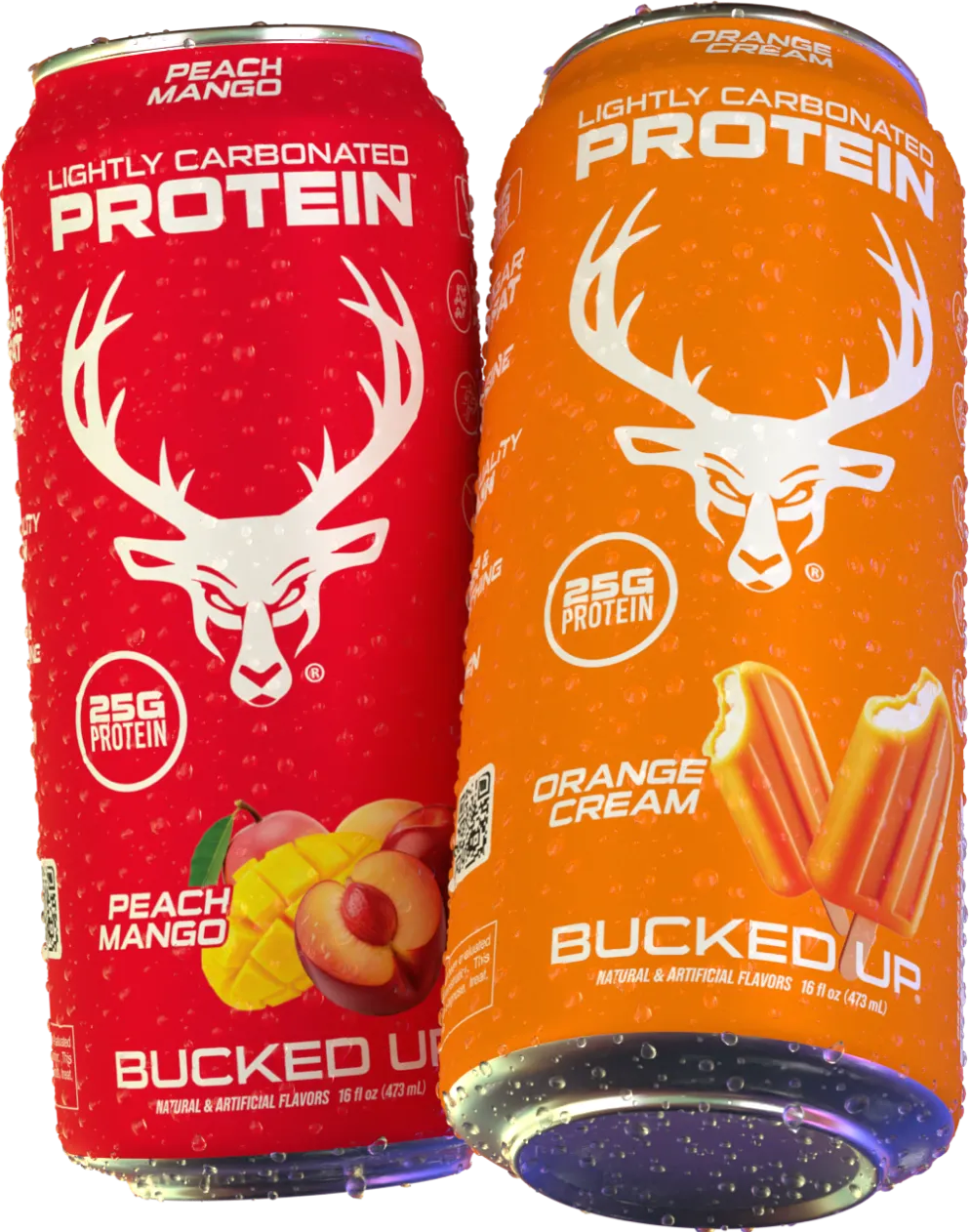
Whey protein isolate goes through more filtration than whey concentrate, which increases protein purity and reduces fat and lactose. This process supports easier absorption and can feel gentler for seniors with digestive sensitivities.1 Bucked Up Protein Soda delivers this high-quality whey protein isolate with only 100 calories, no sugar, and no carbs in a refreshing carbonated format that avoids the heavy, chalky texture many seniors dislike in traditional protein shakes.
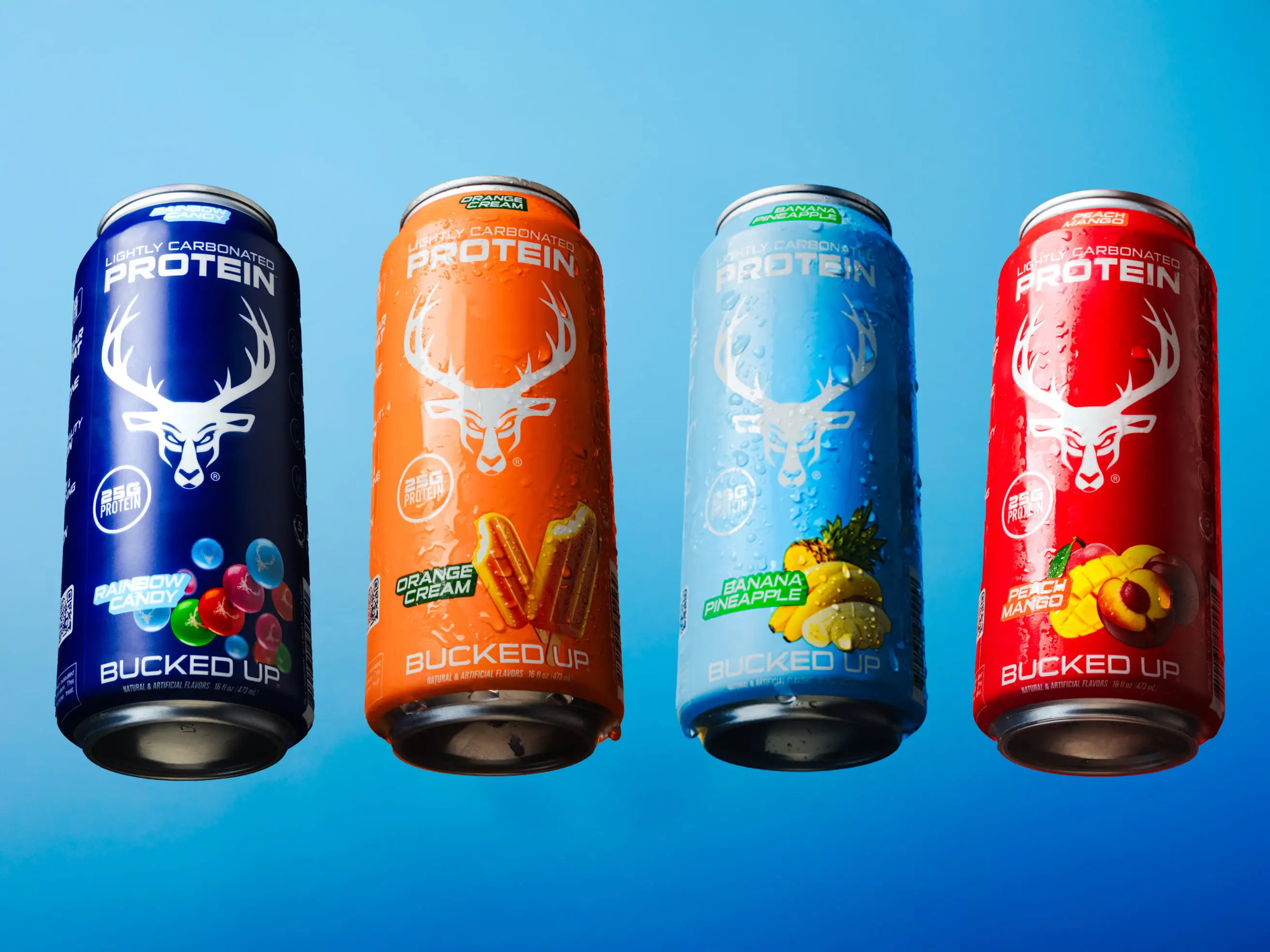
Get clear whey isolate in a light, drinkable format that supports muscle health without the usual shake heaviness.1
Comparing Protein Types for Older Adults
| Protein Type | Leucine Content | Absorption Time | Senior Suitability |
|---|---|---|---|
| Whey Isolate (Bucked Up) | High | 1-2 hours | High – carbonated format |
| Whey Concentrate | 8-9% | 2-3 hours | Medium – may cause digestive issues |
| Casein | 8-9% | Several hours | Medium – useful for overnight use |
| Plant Protein | Lower | 3-4 hours | Lower – often needs larger servings |
Plant-based protein powders usually contain less leucine than whey, so they often require larger servings to reach the leucine threshold that stimulates muscle protein synthesis. Higher leucine content in ingested proteins results in greater postprandial increases in muscle protein synthesis rates, and plant-based proteins generally have lower essential amino acid and leucine contents, which contributes to weaker anabolic effects unless consumed in larger amounts.1
Protein Planning for Adults in Their 70s
Protein powder can support muscle maintenance for many 70-year-olds and older adults.1 People age 65 and older should aim for higher daily protein intake according to the National Resource Center on Nutrition and Aging, and older adults who exercise daily or several times a week may benefit from the upper end of the recommended range. The American Diabetes Association’s 2026 Standards of Care note that adequate protein intake, combined with resistance or strength training, can help reduce sarcopenia risk.
For a 154-pound senior, this guidance translates to a substantial daily protein target, spread across meals. Older adults are encouraged to distribute protein intake evenly throughout the day, aiming for roughly 20-30 grams of protein at each meal and 10-20 grams at snack times to support muscle repair.1 A sample day might include breakfast eggs, Bucked Up Protein Soda as a mid-morning or afternoon drink, lunch with chicken, dinner with fish, and a small evening snack.
For seniors on GLP-1 medications like Ozempic, liquid protein can become especially helpful. GLP-1 receptor agonists can accelerate sarcopenia in older adults by reducing calorie and protein intake through appetite suppression and lower interest in protein-rich foods. The carbonated, refreshing format of Bucked Up Protein Soda can help seniors meet protein goals despite reduced appetite, while still providing key nutrients for muscle preservation.1
How Bucked Up Protein Soda Supports Seniors with Sarcopenia
Bucked Up Protein Soda offers a senior-friendly way to drink whey protein isolate. Traditional protein shakes often feel heavy and chalky, while this ready-to-drink carbonated beverage tastes closer to an energy drink and still delivers a substantial dose of whey protein isolate. The caffeine-free formula fits morning, afternoon, or evening use without affecting sleep.
Compared to competitors like Premier Protein or Fairlife, Bucked Up uses 100% clear whey protein isolate rather than protein blends or concentrates, which supports faster absorption and higher leucine density per serving.1 The carbonation improves taste and can reduce the bloated feeling many seniors notice with thick shakes. This combination of ingredient quality, enjoyable texture, and GMP-certified USA manufacturing provides muscle-supporting nutrition in a format many seniors find easier to drink consistently.1
Add a can of Bucked Up Protein Soda to your daily routine to make meeting your protein target feel more like a treat than a task.
Protein Powder Tips for Seniors Over 70
For adults over 70, whey protein isolate in convenient formats such as Bucked Up Protein Soda can play a meaningful role in sarcopenia management.1 High leucine content, rapid absorption, and a light, carbonated delivery format address common barriers like low appetite, taste fatigue, and digestive discomfort from heavier shakes.1
Is it safe to drink protein powder daily?
Daily protein supplementation is generally safe and often beneficial for seniors who stay within recommended intake ranges. Research shows that higher protein intake is associated with a lower risk of frailty in older adults.1 Focus on high-quality sources such as whey protein isolate and align your intake with the recommended range discussed earlier, based on your body weight and health status.
Is carbonation safe for seniors?
Carbonation is safe for most seniors and can make protein drinks more enjoyable. The light, effervescent texture of Bucked Up Protein Soda often feels easier to consume than thick shakes, especially for those with reduced appetite or mild swallowing difficulties that can appear with aging.
Is Bucked Up Protein Soda keto-friendly?
Bucked Up Protein Soda contains no carbohydrates or sugar, so it fits well within ketogenic macros. This profile also suits many seniors who monitor blood sugar levels or use diabetes medications, as it avoids added sugars while still providing protein.
How much protein do I need if I’m over 70 and taking GLP-1 medications?
Seniors on GLP-1 medications face higher sarcopenia risk and often benefit from aiming toward the upper end of the recommended protein range mentioned earlier. Easily digestible liquid sources such as Bucked Up Protein Soda can help overcome appetite suppression and make it easier to reach daily protein goals.
When should I drink protein for best results?
For muscle support, many experts suggest consuming a solid protein dose within about 30 minutes after resistance training. Spreading protein across the day also matters, so include a protein source at each meal and consider a snack that contains protein. The caffeine-free formula of Bucked Up Protein Soda makes it suitable at any time, including in the evening to support overnight muscle recovery.1
Whey protein isolate delivered through Bucked Up Protein Soda offers a practical approach to sarcopenia prevention and management for older adults.1 Its leucine-rich profile, quick absorption, and enjoyable carbonated format address common challenges seniors face with traditional protein supplements.1 Start building a consistent, senior-friendly protein habit with Bucked Up Protein Soda and support muscle preservation as part of your daily routine.1
1 The content provided in this article is for informational purposes only and is not medical advice. Consult with a medical professional before implementing any changes to your diet, health, or exercise routines.
Individual results will vary and are based on a combination of each individual’s diet, exercise, age, and health circumstances.
These statements have not been evaluated by the Food and Drug Administration. This product is not intended to diagnose, treat, cure or prevent any disease.
This article was written by Ryan Gardner, CEO of Bucked Up. As the maker of Bucked Up Protein Soda, we have a financial interest in this information. The views expressed are our own and should be read with that context in mind.