Last updated: April 22, 2026
Key Takeaways
- About 68% of the world’s population experiences lactose malabsorption, so lactose-free RTD protein shakes help busy adults avoid digestive issues while still hitting 20–30 grams of protein per serving.1
- Whey isolate usually absorbs faster than concentrate, so look for shakes with 20–30 grams of protein, under 150 calories, and very low carbs to support muscle maintenance and hunger control.1
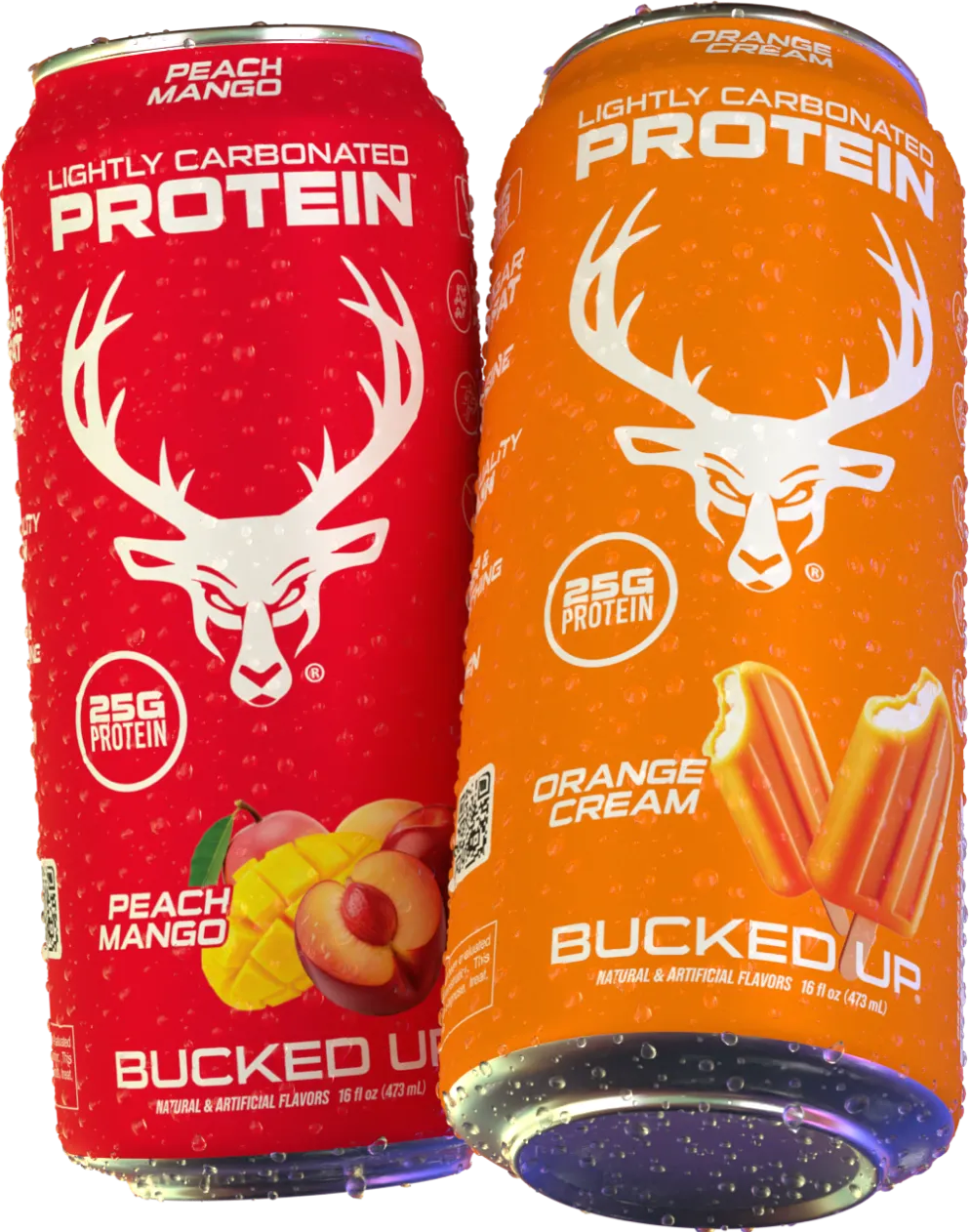
- Bucked Up Protein Soda features clear whey isolate in a 100-calorie, zero-carb, lightly carbonated format that fits GLP-1 users and hectic schedules.
- RTD formats often beat powders for convenience because they remove prep time and cleanup while keeping nutrition consistent during commutes and meetings.
- Upgrade your routine with Bucked Up Protein Soda for a protein option that feels like a drink you enjoy, not a chore.
How to Choose Lactose Free Protein Shakes for a Packed Schedule
Five core factors help you choose an effective lactose-free protein shake. First, prioritize whey protein isolate over concentrate, as hydrolyzed whey protein powder can deliver amino acids up to 30% faster than standard whey protein. Faster delivery supports recovery when you train or stay active.1
Second, target 20–30 grams of protein per serving with fewer than 150 calories and minimal carbohydrates. This range supports muscle maintenance and satiety without adding unnecessary calories.1 Third, choose ready-to-drink formats that remove preparation time, scooping, and shaking.
Fourth, look for grab-and-go packaging that travels well in bags or cup holders. Fifth, confirm the product does not cause bloating or digestive issues. This point matters even more for GLP-1 medication users who need gentle, easily absorbed nutrition.1
These five criteria help you get protein that works with your body and schedule, not against them. Manufacturing quality plays a role too. Bucked Up Protein Soda uses GMP-certified production in the United States, which supports consistent dosing and safety for busy professionals who rely on predictable nutrition.1
Lactose-Free RTD Protein Shakes at a Glance
| Product | Protein (g) | Calories | Carbs/Sugar (g) | Key Features/Best For |
|---|---|---|---|---|
| Bucked Up Protein Soda | 25 | 100 | 0/0 | Carbonated whey isolate, energy drink taste, GLP-1/busy pros |
| #2 OWYN | 20 | 181 | 6/4 | Vegan, plant blend, weight loss |
| #3 Fairlife | 26 | 170 | 8/5 | Ultra-filtered low-lactose, muscle |
| #4 Premier Protein Clear | 20 | 90 | 1/0 | Clear mixable, post-gym |
| #5 Orgain | 20 | 149 | 26/0 | Plant, organic |
| #6 Huel | 20 | 400 | 20/2 | Meal replacement |
| #7 Isopure | 25 | 100 | 0/0 | Zero carb isolate |
| #8 Ripple | 20 | 200 | 12/9 | Pea, kids/adults |
| #9 BioSteel | 30 | 130 | 2/0 | Lactose-free, recovery |
Bucked Up Protein Soda: Carbonated Protein for Hectic Days
Bucked Up Protein Soda uses clear whey protein isolate in a lightly carbonated, 100-calorie beverage. This format removes the heavy, milky texture of many shakes while still supporting complete amino acid intake for muscle recovery and maintenance.1 The zero-carb, zero-sugar formulation fits keto and paleo styles of eating.
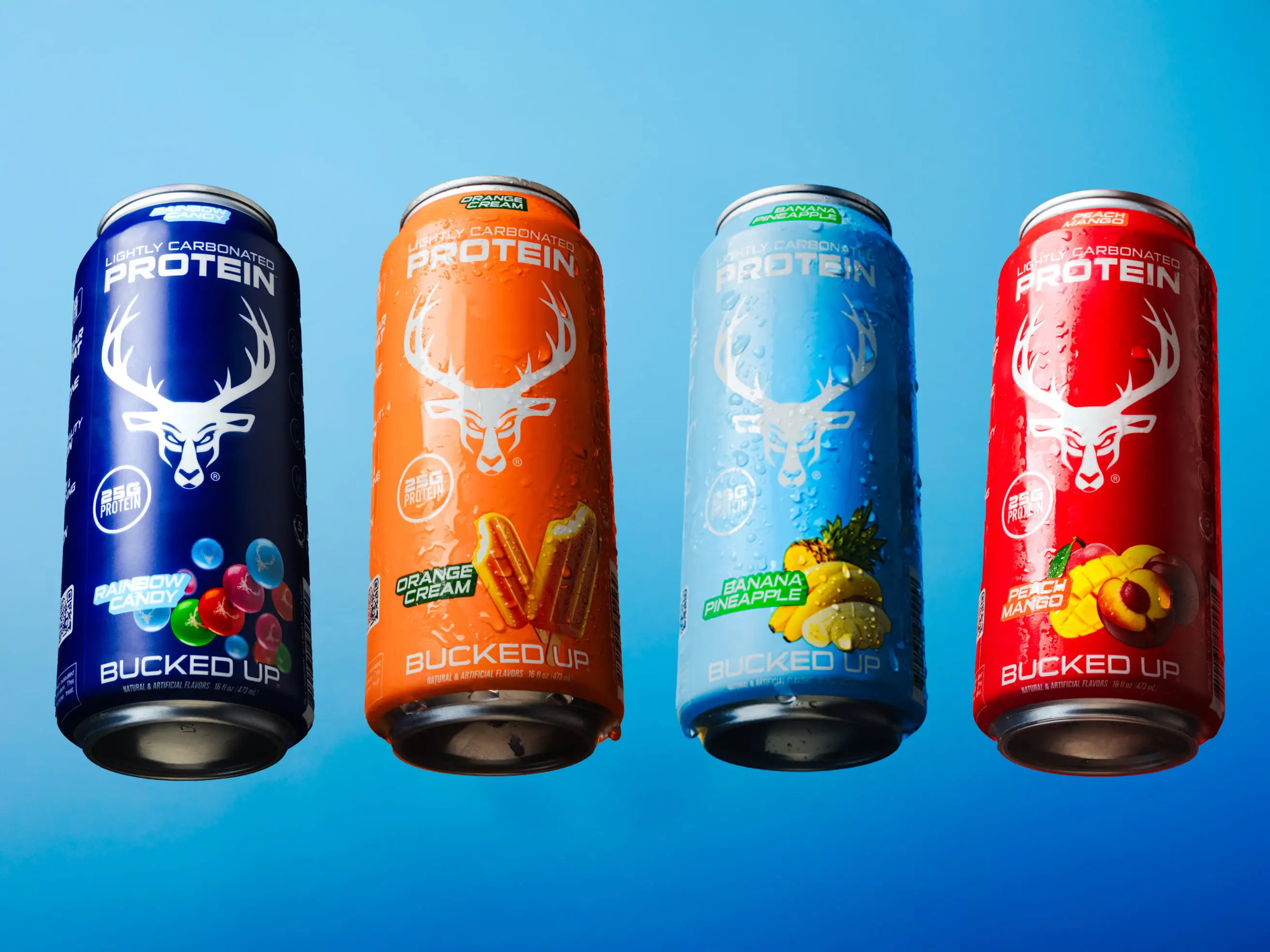
Pros: Refreshing carbonated format, energy drink-like taste, no preparation required, caffeine-free for any-time use, GMP-certified US manufacturing
Cons: Fewer flavors than some traditional shakes, newer product with less market history
This approach tackles the main complaint about traditional protein shakes: thick texture and “shake fatigue.” It works well for sipping during commutes or between meetings. Transform your protein routine with Bucked Up Protein Soda.
#2 OWYN (Only What You Need): Vegan Convenience
OWYN delivers 20 grams of plant-based protein from pea, pumpkin seed, and flax seed in a 181-calorie ready-to-drink bottle. The vegan formulation supports people avoiding animal products while staying lactose-free. Each serving provides about 6 grams of carbohydrates, and some OWYN Non-Dairy shakes contain 4 grams of added sugar.
Pros: Vegan-friendly, allergen-focused formulation, smooth texture, widely available
Cons: Higher calorie content, plant proteins may digest more slowly than whey isolate
OWYN fits weight management and general wellness goals when you want plant-based nutrition without dairy.
#3 Fairlife Core Power: Low-Lactose Dairy Option
Fairlife Core Power provides 26 grams of ultra-filtered milk protein in a 170-calorie serving. The ultra-filtration process lowers lactose content while concentrating protein. Each bottle contains 8 grams of total carbohydrates per 14 oz serving, including 5 grams of natural milk sugars (0 grams added sugar).
Pros: High protein content, widely available, familiar milk-based taste
Cons: Contains some residual lactose, higher sugar content than many clear options
This shake suits people with mild lactose sensitivity who still enjoy traditional dairy-based protein.
#4 Premier Protein Clear: Light, Fruity Protein
Premier Protein Clear offers 20 grams of whey protein isolate in a 90-calorie, fruit-flavored drink. The clear formulation removes the creamy texture of many shakes while still supporting a complete amino acid intake.1 Each serving contains 1 gram of carbohydrates with no added sugar.
Pros: Low calorie, light and clear, familiar brand, budget-friendly
Cons: Artificial flavoring, slightly lower protein content than some competitors
This option works well after workouts when you want protein without heaviness.
#5 Orgain Organic Protein: Organic Plant-Based Choice
Orgain provides 20 grams of organic plant protein in a 149-calorie serving. USDA organic certification supports clean ingredient sourcing. Each bottle contains 26 grams of carbohydrates, and most Orgain products do not contain added sugar, using organic fruit juices for sweetness.
Pros: Organic certification, simple ingredient list, pleasant taste
Cons: Higher carbohydrate content, higher price than many conventional shakes
Orgain fits health-conscious consumers who prioritize organic, plant-based ingredients.
#6 Huel Ready-to-Drink: Full Meal in a Bottle
Huel delivers 20 grams of plant protein from pea and rice in a 400-calorie meal replacement. The formula includes 27 essential vitamins and minerals, so it functions as complete nutrition rather than a simple protein add-on. Each bottle provides 20 grams of total carbohydrates per 250 ml serving with 2 grams of total sugars per serving (half bottle).
Pros: Complete nutrition profile, balanced macronutrients, recyclable packaging
Cons: Higher calorie density, more than you may need if you only want protein
Huel suits busy professionals who often replace meals with a drink and still want structured nutrition.
#7 Isopure Zero Carb: Strict Low-Carb Support
Isopure Zero Carb provides 25 grams of whey protein isolate per scoop in a 100-calorie serving with zero carbohydrates and zero sugar. The high protein concentration helps you reach daily targets with minimal calories.1 The clear, fruit-style format avoids the heaviness of many shakes.
Pros: High protein per serving, zero carbs, clear format
Cons: Strong taste for some palates, includes artificial ingredients
This product supports people with high protein needs and strict carbohydrate limits.
#8 Ripple Protein Shakes: Pea Protein for Families
Ripple offers 20 grams of pea protein in a 200-calorie serving with 12 grams of total carbohydrates per 12 oz serving and 9 grams of sugar per bottle. The pea protein base can provide a complete amino acid profile while remaining free from common allergens.1 The creamy texture feels similar to dairy shakes without lactose.
Pros: Allergen-friendly, kid-friendly taste, sustainable pea protein source
Cons: Pea protein may cause digestive discomfort for some, fewer flavor choices
Ripple works for households that want one lactose-free option for both adults and kids.
#9 BioSteel Ready-to-Drink Protein: Athlete-Focused Formula
BioSteel launched its first ready-to-drink protein beverage in June 2025, containing 30 grams of protein per 330 mL bottle and free from lactose, added sugar, and preservatives. The formulation targets athletes and active individuals who want simple ingredient lists and recovery support.1
Pros: High protein content, straightforward ingredients, athlete-focused positioning
Cons: Limited availability, higher price point, newer product in the category
BioSteel fits serious athletes who prioritize clean, high-protein recovery drinks.
Lactose Free Protein Shakes for Tirzepatide and Ozempic Users
GLP-1 medication users often face reduced appetite and higher risk of muscle loss during weight reduction. To counter this muscle loss, many clinicians recommend a higher daily protein intake of 1.2–1.5 grams per kilogram of body weight, which sits above standard guidelines. For a 150-pound adult, this target equals roughly 82–109 grams of protein per day, which can feel challenging when appetite stays low.
Light, easily digestible formats like Bucked Up Protein Soda help cover that gap without overwhelming your stomach or triggering digestive discomfort.1 The clear, carbonated style feels more like a regular beverage than a dense shake.
The soda-like experience can also encourage consistent intake for GLP-1 users who dislike thick textures. That consistency matters for preserving muscle while you lose fat.1
RTD vs. Powder for Lactose Intolerant, Always-On-the-Go Adults
Ready-to-drink protein shakes remove preparation time, measuring, and cleanup that powders require. For lactose-intolerant adults with packed schedules, RTD options also reduce the risk of clumps, poor mixing, or cross-contact from shared shakers and blenders. The ready-to-drink segment currently leads the lactose-free protein drink market, driven by convenience and on-the-go use among working professionals and athletes.
Portable packaging lets you drink protein during commutes, between meetings, or right after a workout, often without needing a fridge or kitchen. This convenience supports consistent protein intake even when your day changes by the hour. Get your grab-and-go protein solution here.
Protein Shakes for Lactose Intolerance: Taste and Texture Tips
Many lactose-intolerant people avoid protein shakes because thick, milky textures remind them of past digestive issues, even when the product is technically lactose-free. Clear and carbonated formats like Bucked Up Protein Soda remove that mental barrier while still supporting strong protein intake.1
Carbonation creates a refreshing, palate-cleansing feel that encourages regular use. Thick, creamy shakes can feel heavy or bloating, while a light, effervescent drink feels closer to a flavored beverage than a supplement. That shift often makes long-term protein habits easier to maintain.
The energy drink-style flavor profile also helps this format stand out from traditional shakes.
FAQ
What is the difference between whey isolate and concentrate?
Whey protein isolate goes through more processing to remove lactose, fat, and carbohydrates, so it usually contains 90% or more protein by weight. Dry whey protein concentrate contains not less than 25 percent or more than 89.9 percent protein and retains more lactose and carbohydrates. Isolate often digests faster and feels easier on the stomach for many lactose-intolerant adults, while concentrate typically costs less and digests a bit more slowly.1
Is Bucked Up Protein Soda keto-friendly?
Yes. Bucked Up Protein Soda contains zero carbohydrates and zero sugar, so it fits ketogenic approaches. The whey protein isolate supports muscle maintenance and satiety without adding net carbs.1 The caffeine-free formula also works for evening use and can fit into many intermittent fasting routines.
Is Bucked Up Protein Soda safe for daily GLP-1 use?
The light, easily digestible format makes Bucked Up Protein Soda a practical option for many people using GLP-1 medications who struggle with heavy protein sources. The zero-carb profile does not add sugar load, and the protein content supports muscle preservation during weight loss.1 Always check with your healthcare provider before changing your diet while using prescription medications.
Does Bucked Up Protein Soda taste like a traditional protein shake?
No. Bucked Up Protein Soda delivers a crisp, carbonated experience that tastes closer to an energy drink without caffeine. The clear formulation avoids the chalky, milky texture common in many shakes. This difference can make protein supplementation feel more enjoyable and easier to stick with over time.
How much protein do busy adults need daily?
Many adults need about 0.8–1.2 grams of protein per kilogram of body weight for basic health, while active people often aim for 1.2–1.6 grams per kilogram. For a 150-pound person, this range equals roughly 55–109 grams per day, depending on activity level. The higher end of that range lines up with the elevated targets discussed earlier for GLP-1 users. Spreading protein across meals at around 25–30 grams per meal supports muscle protein synthesis and steady fullness.1
Conclusion: Make Lactose Free Protein Shakes Work for Your Life
The right lactose-free protein shake can turn daily nutrition into a simple, repeatable habit. Bucked Up Protein Soda delivers clear whey isolate in a carbonated format that addresses common complaints about thick, milky shakes. Its 100-calorie, zero-carb profile supports efficient protein intake without extra prep time.1
The refreshing, energy drink-like taste encourages consistent use while supporting muscle maintenance, weight management, and general health goals.1 For busy professionals, parents, and fitness enthusiasts who manage lactose intolerance, this style of RTD protein can reshape how protein fits into the day.
Experience the future of protein supplementation and build a routine that keeps your protein intake steady, even when your schedule is anything but predictable.
1 The content provided in this article is for informational purposes only and is not medical advice. Consult with a medical professional before implementing any changes to your diet, health, or exercise routines.
Individual results will vary and are based on a combination of each individual’s diet, exercise, age, and health circumstances.
These statements have not been evaluated by the Food and Drug Administration. This product is not intended to diagnose, treat, cure or prevent any disease.
This article was written by Ryan Gardner, CEO of Bucked Up. As the maker of Bucked Up Protein Soda, we have a financial interest in this information. The views expressed are our own and should be read with that context in mind.