Last updated: April 22, 2026
Key Takeaways
- Post-bariatric patients often need 60-80g of protein daily and may find traditional shakes trigger nausea. Clear protein sodas with whey isolate can feel lighter and easier to tolerate.1
- Many protein sodas provide 15-25g whey isolate per serving, under 110 calories, zero sugar or carbs, and light carbonation that may be appropriate after month 1-2 with medical approval.
- Options in this guide include Bucked Up (25g protein, carbonated), Protein2O, Isopure, Celebrate CLR, and bariatric-focused brands such as Bariatric Advantage.
- Introduce carbonation gradually by waiting 1-2 months post-op, sipping slowly, letting fizz settle, and stopping if discomfort occurs, following your surgeon’s guidance.
- Patients can reach protein goals more comfortably with Bucked Up Protein Soda, which delivers 25g whey isolate in a refreshing, lightly carbonated format suitable for bariatric-focused nutrition plans.1
After bariatric surgery, many patients struggle to meet daily protein goals while dealing with nausea, fullness, and changing taste preferences. Thick, milky shakes can feel heavy and difficult to finish, even when protein needs remain high. This guide explains how clear, soda-style protein drinks can support recovery, which brands align with bariatric guidelines, and when it may be safe to add carbonation.1
Why Clear Protein Sodas Support Bariatric Recovery
Clear protein sodas can address two major challenges for post-bariatric patients: getting enough protein and avoiding textures that trigger nausea. Wellstar designates whey protein isolate as the gold standard for post-bariatric surgery patients due to its complete amino acid profile and rapid absorption.1 The processing removes most lactose, fat, and carbohydrates, resulting in 90-95% protein by weight, which can help patients who develop lactose intolerance after surgery.1
Many patients also worry about carbonation and its effect on healing tissue. Recent medical guidance provides helpful context. ESPEN practical guidelines state that carbonated beverages can be safely consumed after abdominal surgery once patients progress beyond the clear fluid stage. At the same time, Maryland Bariatrics recommends avoiding carbonation until a surgeon confirms stomach healing, often several months after surgery.
Once your surgical team clears you for carbonation, clear protein drinks that use whey isolate can offer efficient absorption and a lighter feel than many traditional shakes.1 These options can help patients meet protein targets while reducing the risk of heaviness, chalky texture, or strong aftertaste.1
Comparison Table: Bariatric-Friendly Protein Soda and Clear Drinks
The comparison below highlights several clear protein beverages that align with common bariatric nutrition targets. It focuses on protein type and amount, calories, sugar and carb content, and carbonation level, since these factors strongly influence tolerance after surgery.
| Brand | Protein (g/type) | Cal/Sugar/Carb | Carbonation/Bariatric Notes |
|---|---|---|---|
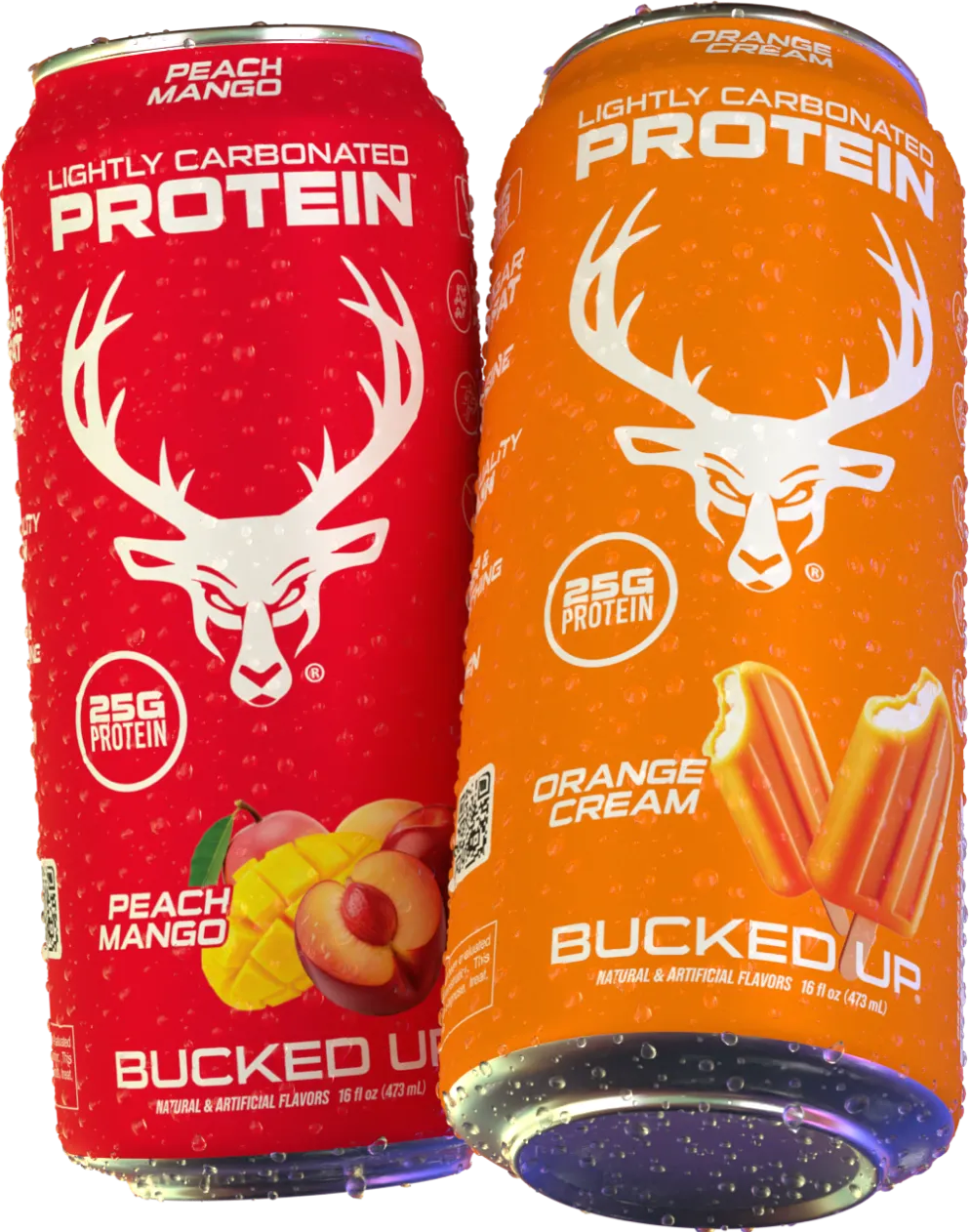
| Bucked Up Protein Soda | 25g whey isolate | 100/0/0 | Light carbonation, letting fizz settle can improve comfort |
| Protein2O | 15-20g whey isolate | 70-90/0/1 | Non-carbonated, clear water-like drink |
| Isopure Zero Carb | 25g whey isolate per serving | 130/0/0 | Non-carbonated, high-protein concentrate |
| Celebrate CLR | 20g whey isolate | 80/0/0 | Non-carbonated, bariatric-specific formula |
Patients who want a lightly carbonated option can consider trying Bucked Up Protein Soda, which combines whey isolate with low calories and no sugar.
7 Protein Soda and Clear Protein Options
#1 Bucked Up Protein Soda
Bucked Up Protein Soda can stand out as a carbonated protein beverage option for post-bariatric patients who have been cleared for carbonation. Each can delivers 25g of whey protein isolate in just 100 calories with zero sugar and zero carbs. This high concentration of whey isolate aligns with guidance for patients managing lactose sensitivity after surgery.1
The light carbonation provides fizz while aiming to remain gentle on a healing stomach.1 Many patients find it easier to tolerate when they sip slowly over 20-30 minutes and let some carbonation escape before drinking. Two to three cans daily can contribute 50-75g toward typical bariatric protein goals, depending on your plan.1
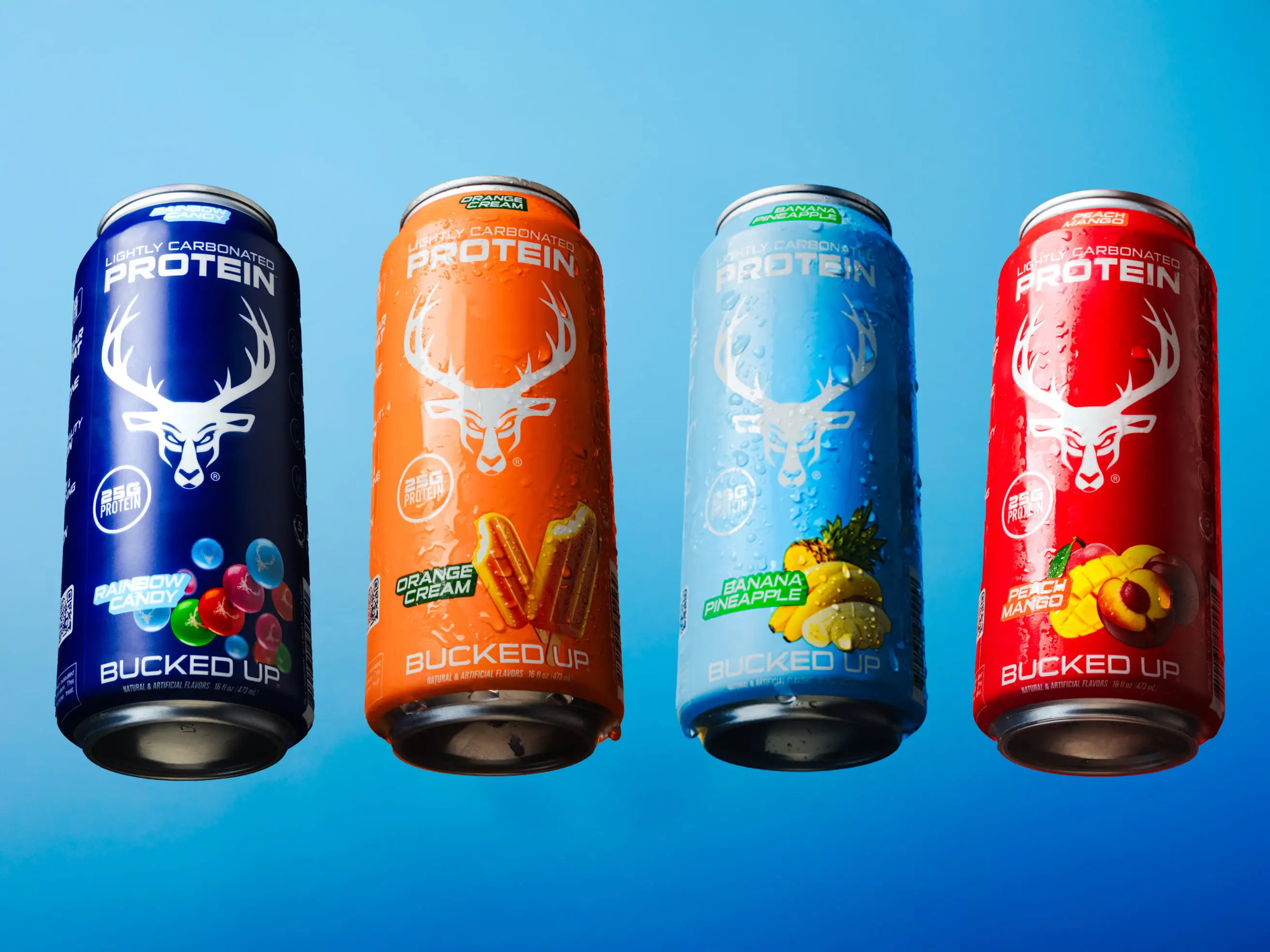
Bucked Up Protein Soda is available on Amazon and is manufactured in GMP-certified facilities in the USA. Patients should still confirm serving amounts and frequency with their bariatric team.
#2 Protein2O Protein Hydration Drink
Johns Hopkins Clinical Nutrition lists Protein2O as providing 70-90 calories with 15-20g whey isolate protein and 0g sugar. This non-carbonated, clear protein water offers a lighter protein load that can work well for patients still building tolerance early in recovery.
The fruit-flavored varieties provide flavor variety without a creamy or heavy mouthfeel. Patients who are not yet ready for carbonation can use Protein2O as a bridge between basic clear liquids and higher-protein options. It can also pair with food-based protein sources later in the recovery process.
#3 Isopure Zero Carb ProDrink
Johns Hopkins recommends Isopure Zero Carb ProDrink with 130 calories and 25g whey isolate per serving. This option offers a dense protein source in a clear, non-carbonated format, which can help patients who need more protein but cannot tolerate thick shakes.
The higher protein content per serving means bariatric patients may need to divide portions throughout the day. Smaller, spaced-out servings can feel more comfortable on a reduced stomach volume. Patients should work with their dietitian to decide how much to mix and when to drink it.
#4 Celebrate CLR Protein Water
Johns Hopkins lists Celebrate CLR as providing 80 calories with 20g whey isolate protein and 0g sugar per 12 fl oz serving. This product is formulated specifically for bariatric patients, which can simplify label reading and decision-making.
The clear liquid format removes many texture concerns that come with creamy shakes. Celebrate CLR also addresses common sensitivities by avoiding lactose and gluten. Patients who want a bariatric-focused brand without carbonation may find this option fits well into their plan.
#5 Bariatric Advantage Clearly Protein Drink
Johns Hopkins recommends Bariatric Advantage Clearly Protein with 80 calories and 20g whey isolate protein per 16.9 fl oz serving. This bariatric-specific brand focuses on post-surgical nutritional needs and offers gluten-free and lactose-free formulations.
The clear drink format can feel easier to sip slowly throughout the day. Patients who dislike thick shakes or who experience texture-related nausea may appreciate this smoother, lighter consistency. As with other options, serving size and timing should follow your care team’s advice.
#6 Seeq Clear Whey Protein
Seeq Clear Whey provides 22g whey isolate protein in 100 calories with zero sugar per serving. The juice-like consistency offers familiar fruit flavors without carbonation, which can help patients who want variety while still avoiding bubbles.
Although Seeq is not formulated exclusively for bariatric patients, its clear format and whey isolate base align with many post-surgical nutrition principles. Patients can adjust powder concentration and serving size to match their tolerance. Checking ingredients with a dietitian can confirm whether it fits individual needs.
#7 BariLife Instant Protein
BariLife Instant Protein provides 15g of protein per serving in 70 or 80 calories per serving depending on the flavor, with minimal sugar content. The fruit-flavored mix format lets patients control both concentration and total volume.
This flexibility can help patients who experience changing tolerance levels as they move through different recovery stages. While it requires mixing, the ability to dilute or concentrate the drink can make it easier to personalize. Patients can start with weaker mixes and gradually increase strength as comfort improves.
Patients who prefer a ready-to-drink option can consider Bucked Up Protein Soda for a convenient can-based choice that avoids preparation.
Phased Timeline for Adding Protein Sodas After Surgery
NYU Langone guidelines advise post-bariatric surgery patients to avoid carbonated beverages at first, focusing on flat clear liquids during weeks 1-4. During this phase, hydration and gentle fluids take priority over carbonation. Patients typically rely on broth, water, and approved clear protein drinks without bubbles.
Dr. Jalil Illan Fraijo recommends avoiding carbonated drinks for at least the first three to six months after surgery, with any testing done only under medical supervision. Around month 2 and beyond, some patients may receive clearance to try lightly carbonated options such as Bucked Up, starting with very small sips.
Patients who receive approval can begin by chilling the drink, opening it early to let some fizz escape, and sipping slowly. Allowing bubbles to settle between sips can reduce pressure and discomfort. Long-term use of 2-3 servings per day should always be reviewed with your bariatric team to confirm it fits your overall nutrition and hydration plan.
FAQ
Protein-focused soda-style drinks after bariatric surgery
Lightly carbonated protein sodas such as Bucked Up can sometimes fit into a post-bariatric plan once a surgeon approves carbonation, often after month 1-2 or later. These drinks differ from regular sodas because they provide protein instead of sugar and empty calories. Choosing versions with whey isolate, zero sugar, and gentle carbonation can support nutrition while still offering a soda-like experience.
Clear protein drink options for gastric sleeve patients
Clear protein beverages that many gastric sleeve patients consider include Bucked Up Protein Soda in a clear, lightly carbonated format, along with Protein2O, Celebrate CLR, and Bariatric Advantage Clearly Protein. These products use whey isolate for efficient absorption and avoid sugar, which can help reduce the risk of dumping syndrome.1 Their clear, lighter textures can also feel easier to tolerate than thick shakes for many patients.1
How protein sodas differ from traditional shakes after surgery
Protein sodas can feel different from traditional shakes because they remove the heavy, milky texture that often causes nausea and digestive discomfort. The clear, juice-like or soda-like format can reduce chalky residue and strong aftertastes that some powder-based shakes leave behind. Many patients find that a lighter, more refreshing drink supports consistent daily intake, which is crucial for meeting protein goals.1
Safe timing for carbonation after bariatric surgery
Many bariatric surgeons recommend waiting at least 1-2 months before trying any carbonated beverages, and some suggest a longer window. The exact timing depends on healing progress, reflux symptoms, and how sensitive your stomach feels to pressure. Patients should always ask their surgical team before adding carbonation, start with very small amounts, and stop immediately if they notice pain, bloating, or discomfort.
Daily use of protein sodas in a bariatric nutrition plan
Protein sodas can play a role in daily protein intake for many post-bariatric patients, often at 2-3 servings per day depending on individual goals. These drinks should complement, not replace, whole food protein sources as patients advance through soft and solid food stages. Regular follow-ups with a bariatric surgeon and dietitian help ensure that protein sodas fit safely into a long-term nutrition strategy.
Bucked Up Protein Soda offers convenient, flavorful nutrition in a lightly carbonated format that supports recovery for patients who tolerate carbonation. Patients who want to add a ready-to-drink whey isolate option to their routine can start their bariatric nutrition journey with Bucked Up Protein Soda and discuss serving sizes with their care team.
1 The content provided in this article is for informational purposes only and is not medical advice. Consult with a medical professional before implementing any changes to your diet, health, or exercise routines.
Individual results will vary and are based on a combination of each individual’s diet, exercise, age, and health circumstances.
These statements have not been evaluated by the Food and Drug Administration. This product is not intended to diagnose, treat, cure or prevent any disease.
This article was written by Ryan Gardner, CEO of Bucked Up. As the maker of Bucked Up Protein Soda, we have a financial interest in this information. The views expressed are our own and should be read with that context in mind.