Last updated: April 22, 2026
Key Takeaways
- Low-calorie protein sodas typically provide 10-25g whey isolate in 45-120 calories, creating a lighter option than 200+ calorie shakes.
- Up to 30% of total weight loss on GLP-1 therapy may come from lean muscle, so high-protein sodas like Bucked Up can support daily needs of roughly 82-136g.1
- Whey isolate in sodas absorbs quickly and usually causes less bloating and lactose discomfort than concentrate, which supports post-workout recovery and appetite control with carbonation.1
- Standout options include Bucked Up (25g/100 cal), Protein2o (15-20g/60-90 cal), and SkyPop (10g/45 cal), all targeting at least 0.2g protein per calorie with zero or very low sugar.
- Bucked Up can stand out for taste and muscle support, and its keto-friendly, energy drink-style flavors provide a different way to hit protein goals.1
Why Switch from Protein Shakes to Low-Calorie Protein Sodas?
Low-calorie protein sodas solve several common complaints about traditional protein shakes. Typical shakes often contain 200 or more calories from whey concentrate and have thick, milky textures that feel heavy. In contrast, protein sodas deliver clear, carbonated drinks that use whey protein isolate, which absorbs more quickly because it contains less fat and lactose. This faster absorption supports recovery after lifting sessions or intense cardio.1
The carbonated format also changes how these drinks feel and digest. Whey protein isolate contains minimal lactose compared to concentrate, which can improve tolerance and reduce bloating.1 On top of that, carbonation increases stomach air and can promote feelings of fullness that may support appetite control.1 This combination can feel especially helpful for GLP-1 users who already experience reduced appetite.
| Format | Calories | Protein Type | Best For |
|---|---|---|---|
| Traditional Shakes | 200-300 | Whey Concentrate | Bulking phases |
| Protein Sodas | 45-120 | Whey Isolate | Weight management |
Try Bucked Up’s carbonated protein delivery to see how a lighter format fits your routine.
Key Criteria for Low-Calorie Protein Sodas in 2026
Clear criteria make it easier to separate effective protein sodas from drinks that mainly offer flavor and fizz. Focus on protein-to-calorie ratios above 0.2g per calorie, high whey isolate purity, and servings that stay under 120 calories. Look for verified taste reviews, zero added sugar, and formulations that fit GLP-1 protocols and low-carb approaches. Confirm all numbers against product labels and manufacturer nutrition panels for accuracy.
10 Low-Calorie Protein Soda Alternatives to Shakes
1. Bucked Up Protein Soda
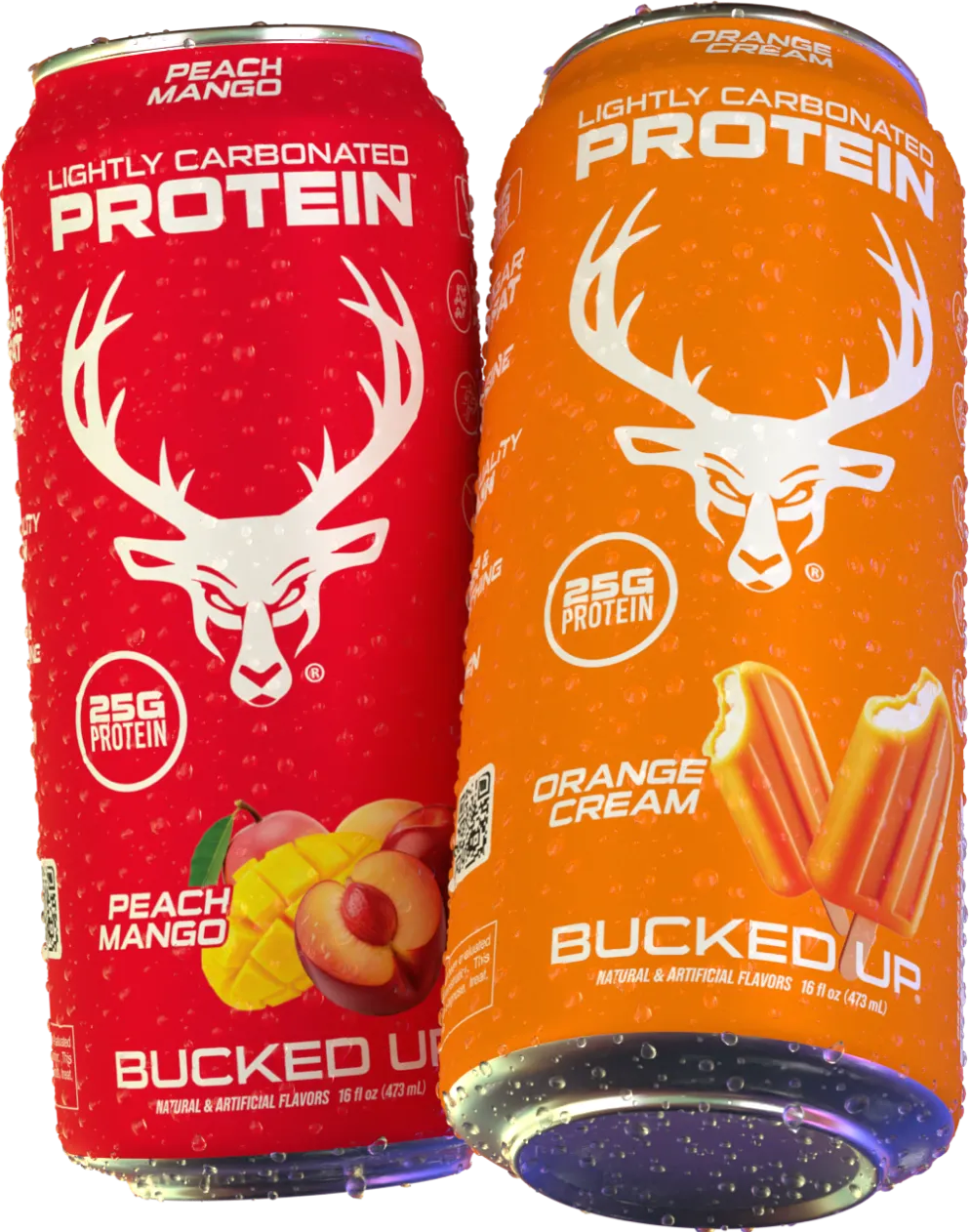
Bucked Up provides 25g of 100% whey protein isolate in 100 calories with zero sugar and zero carbs. The whey protein isolate contains about 85%-90% pure protein and digests quickly, which supports post-workout muscle protein synthesis.1 Customer reviews describe an energy drink-style flavor, such as “tastes like an energy drink and don’t have any weird aftertaste like some other clear whey protein drinks do”. Production occurs in GMP-certified USA facilities, and the formula fits keto and paleo styles.
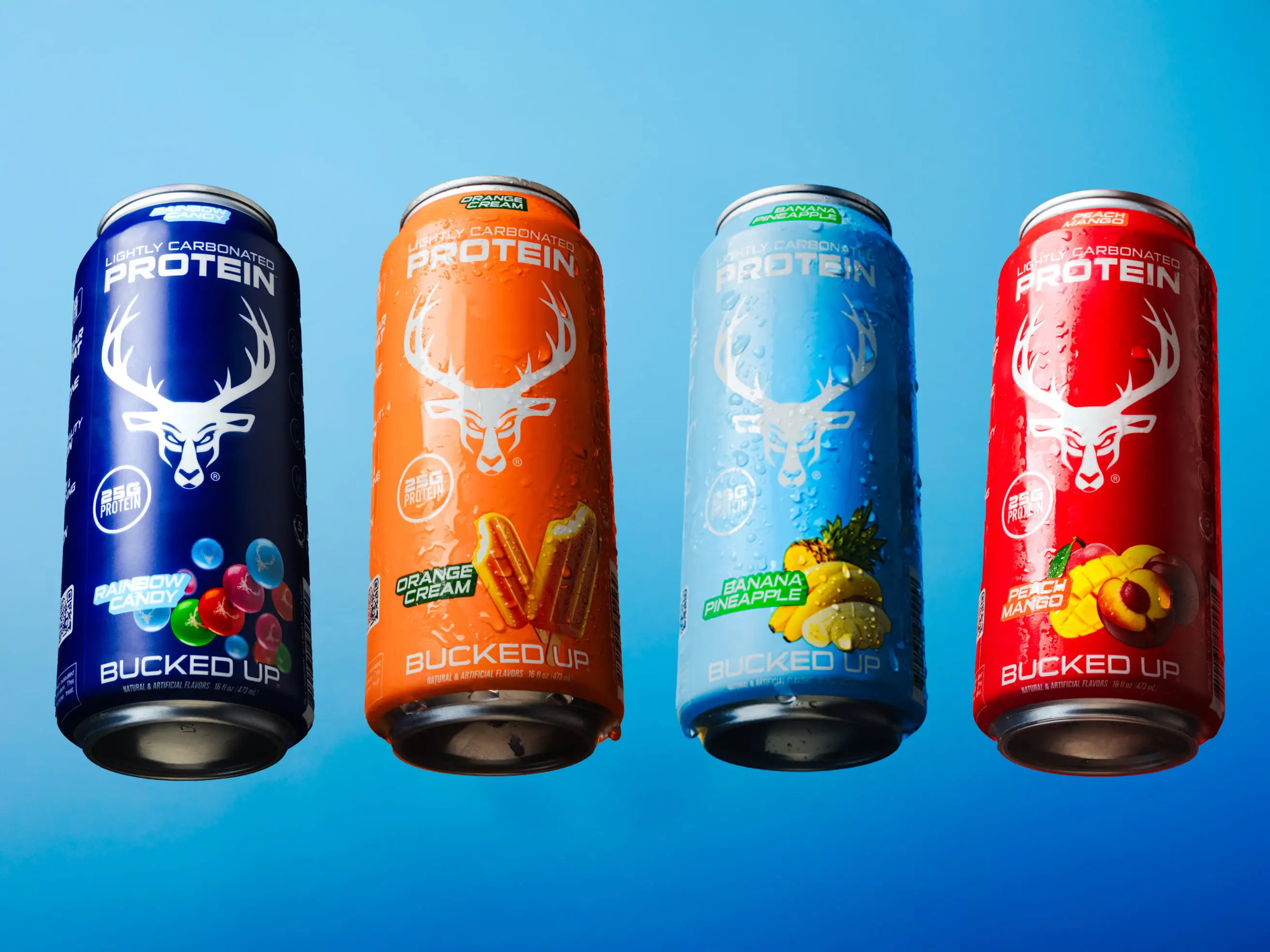
- 25g whey protein isolate
- 100 calories
- 0g sugar, 0g carbs
Compare Bucked Up’s protein density to your current shake or drink.
2. Protein2o
Protein2o offers 15-20g protein in 60-90 calories per 16.9 oz bottle using whey protein isolate. The formula pairs hydration with protein, which can appeal to people who want both water and protein in a single drink.
3. SkyPop Protein Soda
SkyPop delivers 10 grams of whey protein, zero grams of sugar, and 45 calories. The line includes seven flavors such as Root Beer and Grape, and professional athletes like Russell Westbrook support the brand. SkyPop launched nationwide in February 2026, which increases availability in major retailers.
4. Barebells Clear Protein
Barebells produces clear protein drinks with roughly 12g protein per serving in flavors like Cherry. The Swedish brand emphasizes flavor experience while still providing a moderate protein hit in a lighter, juice-style drink.
5. Koia Protein Pop
Koia Protein Pop supplies 10 grams of clear plant-based protein from peas per 12-ounce can, with 70 calories and 2 grams of sugar. The drink also includes prebiotic fiber and comes in four flavors that launched in early 2026. This option suits people who prefer plant-based protein but still want a soda-like experience.
6. ProBrands Clear Protein Soda
ProBrands offers 15g of protein per 330ml can from incomplete sources, mainly the amino acid glycine plus some branched-chain amino acids, with 60 calories, zero sugar, and zero carbohydrates. Each can also contains 105mg caffeine, which positions it closer to an energy drink with added amino acids than a full-spectrum protein source.
7. Clean Simple Eats Cherry Lime
Clean Simple Eats Cherry Lime clear protein drink targets people who want short ingredient lists and natural-style flavors. The brand highlights simple formulations and avoids heavy creaminess, which can appeal to those who dislike traditional shakes. Protein content and calories vary by product, so checking the specific label helps confirm whether it fits a low-calorie, high-protein target.
8. Don’t Quit Orange
Don’t Quit Orange protein soda focuses on citrus flavor with a lighter, drinkable texture. The line generally offers moderate protein levels that work for casual supplementation rather than high-intensity training. Reviewing the nutrition panel for each flavor clarifies how it compares to higher-density options like Bucked Up or Protein2o.
9. Genius Gourmet
Genius Gourmet produces protein beverages that emphasize distinctive flavor profiles. These drinks aim at people who prioritize taste variety and a snack-like experience. Protein amounts and calorie counts can differ across products, so users should confirm whether a given can meets their daily macro goals.
10. Clear Whey Alternatives
Several brands now sell clear whey drinks in still or carbonated formats, often with 10-20g protein per serving. These options usually sit between traditional shakes and full soda-style products, offering a lighter mouthfeel with varying levels of sweetness and carbonation. Checking each label helps identify which ones deliver a strong protein-to-calorie ratio.
The following table compares the macronutrient profiles of five widely available options so you can quickly see protein density, calories, and sugar content side by side.
| Brand | Protein (g) | Calories | Carbs (g) | Sugar (g) |
|---|---|---|---|---|
| Bucked Up | 25 | 100 | 0 | 0 |
| Protein2o | 15-20 | 60-90 | low | 0 |
| SkyPop | 10 | 45 | 1 | 0 |
| Koia Pop | 10 | 70 | low | 2 |
| ProBrands | 15 | 60 | 0 | 0 |
Best Protein Sodas for Specific Needs
For Weight Loss & GLP-1 Users
Bucked Up can stand out for GLP-1 users because its 25g whey isolate supports muscle preservation during weight loss.1 Up to 30% of total weight loss on GLP-1 therapy may come from lean muscle, so consistent, high-quality protein intake becomes crucial. This macronutrient profile aligns with appetite suppression from GLP-1 medications and helps users hit protein targets without large volumes of food.
Best Post-Workout
Post-workout recovery benefits from a meaningful protein dose in a compact serving. The International Society of Sports Nutrition recommends 20-40g protein for most adults after training. Bucked Up’s 25g serving sits comfortably in that range, and the rapid absorption mentioned earlier becomes especially valuable when muscles are primed for protein synthesis.1
Best Tasting 2026 Options
Energy drink-inspired flavors dominate many 2026 protein soda launches. Bucked Up’s Banana Pineapple flavor receives positive feedback for its familiar energy drink taste without added caffeine. SkyPop’s Root Beer and Grape flavors deliver more nostalgic soda experiences for people who miss classic soft drinks but want added protein.
Explore Bucked Up’s flavor lineup to find a profile that matches your usual energy drink or soda choice.
Buying Guide: What to Look for in Protein Soda Alternatives
Smart selection starts with the type of protein in your drink. Prioritize whey isolate over concentrate, because whey protein isolate contains less lactose due to additional filtration and is often better tolerated by people with lactose intolerance. This higher purity usually supports stronger protein-to-calorie ratios.
Next, aim for at least 0.2g protein per calorie so each can meaningfully contributes to your daily intake. To support that ratio, choose options with zero added sugars and minimal filler ingredients. Carbonation does not interfere with protein absorption, so you can focus more on macros and taste than on bubble-related concerns.
Finally, verify that the drink fits your eating pattern. Zero-carb formulations tend to align with keto approaches and many GLP-1 protocols. Always confirm serving size, calories, and macros on the label so the drink supports your specific goals, whether that is weight management, muscle gain, or simple convenience.
Frequently Asked Questions
Is Bucked Up Protein Soda better than traditional shakes?
Bucked Up offers a different experience than traditional shakes through its lighter, carbonated format with 100% whey isolate. Heavy, milky shakes can feel filling and may cause bloating for some people, while the clear, fizzy texture provides a more refreshing way to drink protein. The 25g protein in 100 calories also delivers a higher protein density than many 200+ calorie shakes.
Is protein soda safe for daily consumption and GLP-1 users?
Protein sodas can be safe for daily use when they fit into an overall balanced diet and total protein intake. For GLP-1 users, the easily digestible whey isolate format helps support muscle preservation during weight loss without requiring large meals.1 Formulas that avoid added sugar and keep carbs low often align with common GLP-1 dietary guidance.
Are protein sodas keto friendly?
Many quality protein sodas, including Bucked Up, are formulated to be keto compatible with zero carbs and zero sugar. The pure whey isolate provides complete amino acids while keeping net carbs extremely low, which can work well for ketogenic dieters who need convenient protein sources.1
Do protein sodas taste like protein shakes?
Protein sodas taste noticeably different from traditional shakes. Instead of creamy, milk-based flavors, they offer crisp, refreshing profiles closer to energy drinks or flavored sodas. The carbonation and clear format also avoid the chalky texture that some people associate with powdered shakes.
Does carbonation affect protein absorption?
Carbonation does not reduce protein absorption. The CO2 bubbles do not interfere with amino acid uptake, and whey isolate remains fully bioavailable in a carbonated drink.1 Some users even report that carbonation helps them feel less heavy after drinking protein.
Switching from heavy protein shakes to Bucked Up Protein Soda can make daily protein intake feel easier and more enjoyable. With 25g whey isolate, zero sugar, and an energy drink-style taste, it can support muscle preservation and weight management without adding many calories.1 See Bucked Up’s complete nutrition profile to decide how it fits into your routine.
1 The content provided in this article is for informational purposes only and is not medical advice. Consult with a medical professional before implementing any changes to your diet, health, or exercise routines.
Individual results will vary and are based on a combination of each individual’s diet, exercise, age, and health circumstances.
These statements have not been evaluated by the Food and Drug Administration. This product is not intended to diagnose, treat, cure or prevent any disease.
This article was written by Ryan Gardner, CEO of Bucked Up. As the maker of Bucked Up Protein Soda, we have a financial interest in this information. The views expressed are our own and should be read with that context in mind.