Last updated: April 22, 2026
Key Takeaways
- Protein deficiency affects 9.5% of adults, and RTD proteins deliver 20-30 grams of protein in a fast, portable format for busy people and GLP-1 users.
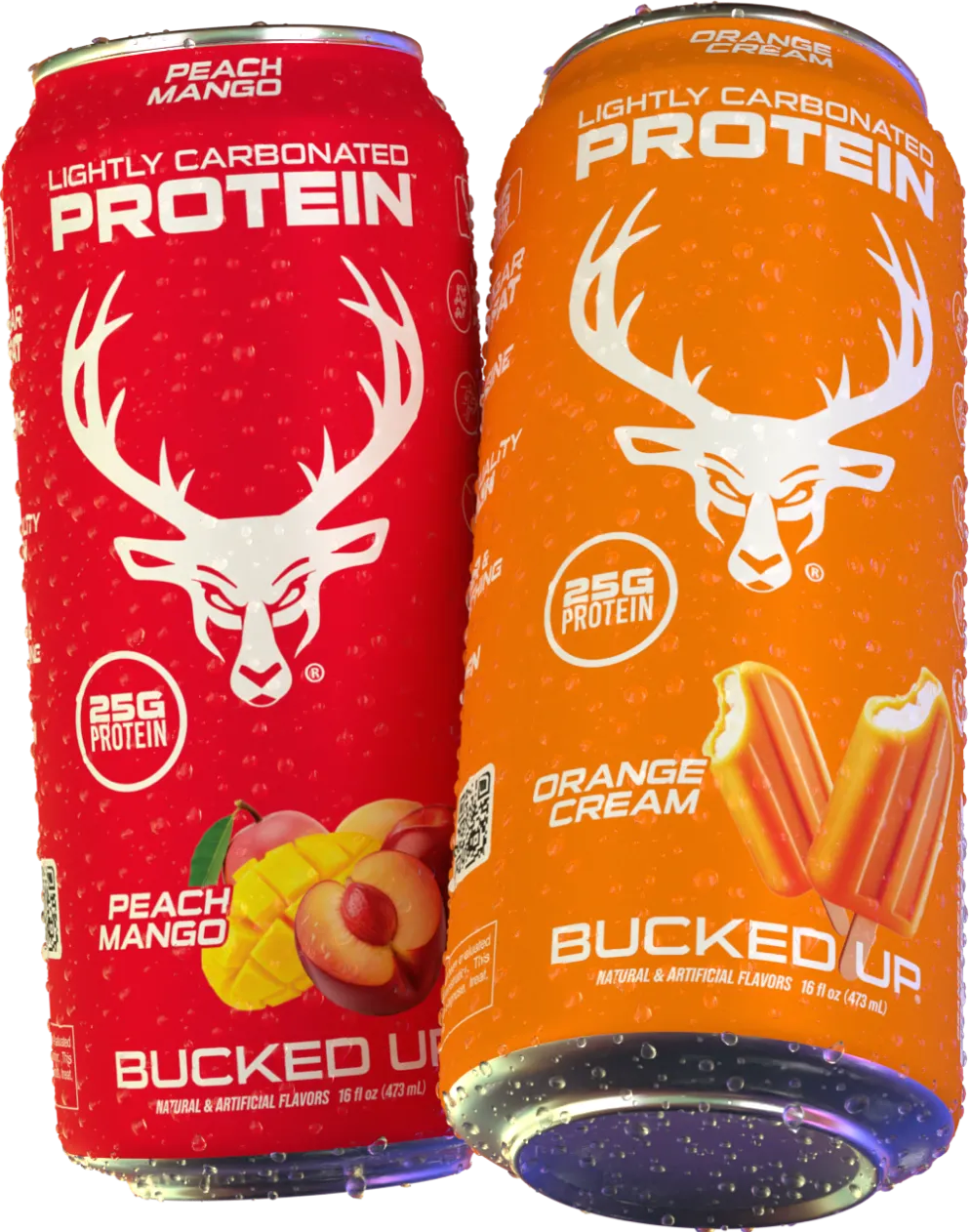
- Bucked Up Protein Soda can stand out with 25 grams of whey isolate in 100 calories, zero sugar or carbs, and a refreshing carbonated texture.
- Options like Premier Protein (30 g/160 cal) and Fairlife Core Power (26 g/170 cal) provide solid protein but with higher calories and heavier, creamier textures.
- Whey isolate usually digests more easily than concentrate, which can help gut-sensitive users, diabetics, and people with IBS; carbonation can also support digestion.1
- Upgrade your routine with Bucked Up Protein Soda for portable, low-bloat protein that fits into packed schedules.
Why RTD Proteins Fit Busy, High-Demand Lifestyles
Modern schedules push many people toward quick, reliable nutrition. More than 1 in 3 people over 50 do not get enough protein, and busy professionals often lack time to prep protein-focused meals. RTD proteins step in with immediate 20-30 gram servings that work during commutes, post-workout windows, or mid-afternoon slumps.
The rise of GLP-1 medications adds another layer of need for easy protein. Clinical studies show 20-40% of weight lost on GLP-1 receptor agonists may come from lean mass, so consistent protein intake supports muscle preservation.1 Heavy shakes can feel uncomfortable or trigger nausea, while lighter options such as carbonated proteins often feel easier to sip and finish.
With these needs in mind, the RTD options below offer different ways to bring more protein into a packed day. Each product has its own trade-offs in taste, calories, format, and how it fits specific goals.
10 Ready-to-Drink Proteins for Busy Schedules
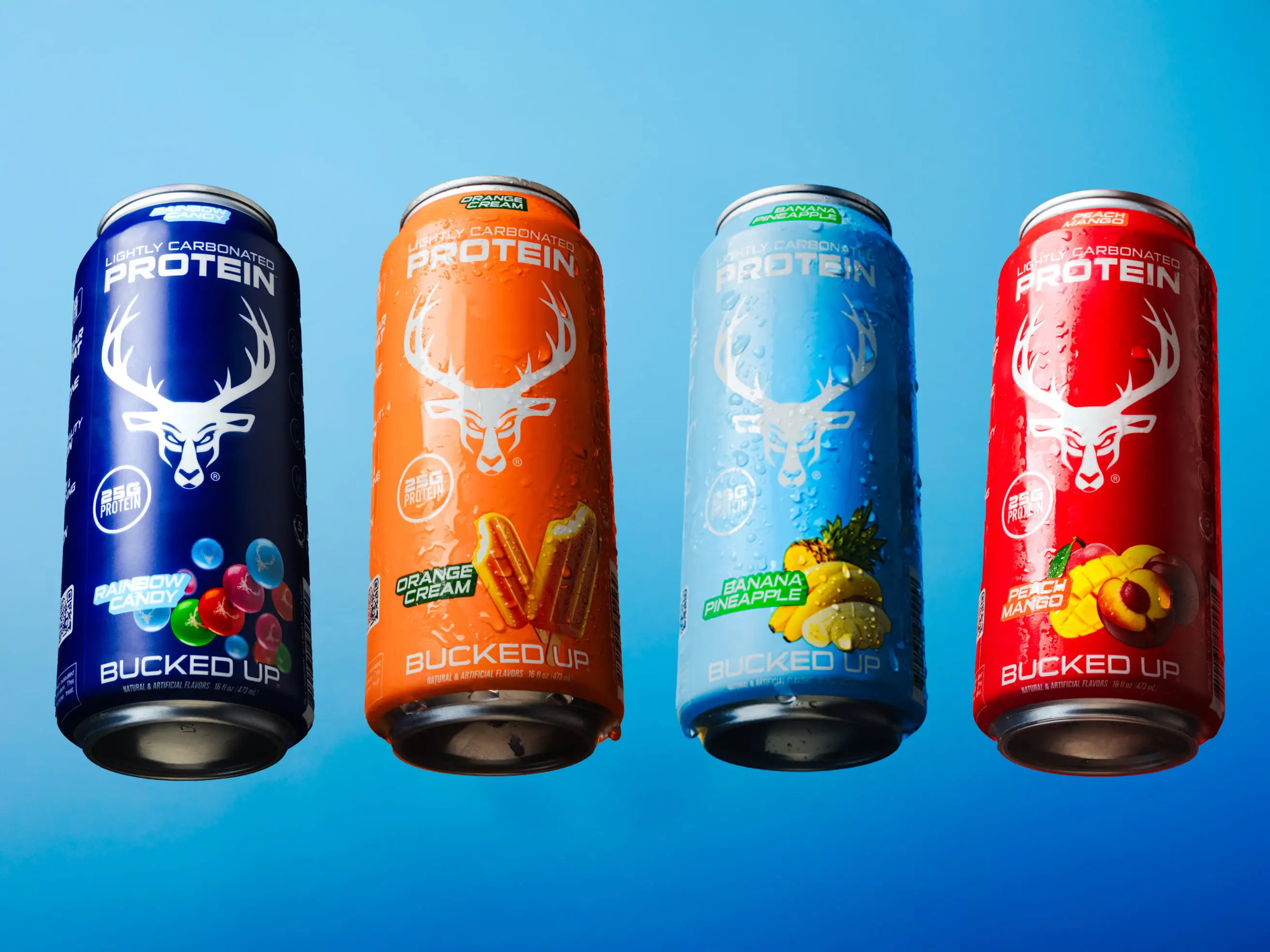
1. Bucked Up Protein Soda
Bucked Up offers a carbonated soda format delivering 25 grams of whey protein isolate in just 100 calories. The zero-sugar, zero-carb profile supports blood sugar control and weight management without the heaviness of creamy shakes.1 The caffeine-free formula works any time of day, and the light carbonation can support digestion and help reduce the bloating many people feel with milk-based drinks;1 explore flavors and bundle options here.
2. Premier Protein Shakes
Premier Protein delivers 30 grams of protein in 160 calories and includes added vitamins and minerals. Premier Protein shakes use milk protein isolate and whey protein concentrate, which provide complete amino acids but create a thicker, creamier consistency that can feel heavy on busy days. This heavier texture, combined with the whey concentrate’s higher lactose content, can cause digestive discomfort in sensitive individuals even though the wide flavor range works well for meal replacement.
3. Fairlife Core Power
Core Power offers high-protein milk-based drinks with 26 grams of protein at 170 calories per serving. The lactose-free formula appeals to people who struggle with standard dairy, yet the higher calorie count may not match strict weight-loss or recomposition plans. The thick, creamy texture increases fullness but lacks the light, refreshing feel that some active users prefer.
4. Muscle Milk
Muscle Milk provides 25-32 grams of protein depending on the variety, using a blend of milk proteins. The brand offers multiple formats, including lighter versions, while many classic options remain relatively calorie-dense. The creamy mouthfeel appeals to people who like shake-style drinks, though others may find it too heavy for quick, on-the-go sipping.
5. OWYN Plant-Based
OWYN delivers 20 grams of plant-based protein from pea, pumpkin seed, and flax. The dairy-free formula supports vegan lifestyles and people with milk allergies or intolerances. Plant proteins can support muscle building,1 yet they often have slightly lower leucine content than whey isolate, and the texture can feel a bit gritty compared with smooth dairy-based shakes.
6. Ensure Max Protein
Ensure Max provides 30 grams of protein with added nutrients tailored to older adults. The medical nutrition positioning includes vitamins and minerals but often comes with more sweetness and higher sugar content than fitness-focused drinks. The thicker consistency and more clinical flavor profile may not appeal to younger, highly active users who want a crisp, refreshing option.
7. Atkins Protein Shakes
Atkins offers low-carb protein shakes with 15-30 grams of protein, designed for ketogenic diets. The lower protein content in some flavors means you may need more than one serving to hit daily targets. Artificial sweeteners help keep carbs down but can cause digestive upset for people sensitive to sugar alcohols or certain sweetener blends.
8. Orgain Organic Protein
Orgain provides organic protein shakes with a focus on recognizable ingredients. The organic certification attracts health-conscious shoppers, while the mixed protein blend may not absorb as quickly as whey isolate. The more natural, earthy flavor profile works for some palates and feels off for others.
9. Protein2o
Protein2o offers flavored water with 15-20 grams of whey protein isolate in a clear, light format. The low-calorie design supports weight management and hydration, yet the lower protein per bottle means you need multiple servings to match higher-protein shakes. Some users find the artificial flavoring stronger than expected for a water-like drink.
10. Quest Protein Shakes
Quest delivers 30 grams of protein with minimal carbs, which appeals to low-carb and keto dieters. The milkshake-style thickness increases satiety but can feel too heavy before or during active periods. Limited flavor options and a higher price point can make daily use harder to maintain.
Top 4 Comparison for Busy Schedules
The table below highlights how four leading options compare on protein content, calories, and their main perk for hectic days. These products represent strong choices when you want a balance of protein density, convenience, and format variety.
| Rank | Product | Protein (g) | Calories | Key Busy-Life Perk |
|---|---|---|---|---|
| 1 | Bucked Up Protein Soda | 25 | 100 | Carbonated refreshment |
| 2 | Premier Protein | 30 | 160 | Added vitamins |
| 3 | Fairlife Core Power | 26 | 170 | Lactose-free milk |
| 4 | Muscle Milk | 25-32 | Varies | Multiple formats |
For GLP-1/Wegovy Users with Higher Protein Needs
As mentioned earlier, GLP-1 medications create unique protein needs because of lean mass loss risk. Bucked Up Protein Soda can work well for GLP-1 users who require 1.0-1.5 grams of protein per kilogram of ideal body weight daily. The light, liquid format helps reduce digestive discomfort that often appears with appetite-suppressing medications, and the 100-calorie serving supports weight-loss goals. The carbonation offers a refreshing alternative to heavy shakes that may trigger nausea.
Gut-Friendly Choices for Diabetics and IBS
Whey protein isolate often works better for sensitive stomachs because it contains less lactose and absorbs quickly.1 Bucked Up’s zero-sugar formulation helps diabetics avoid sharp blood glucose spikes, while the carbonated format can feel easier on digestion than thick, creamy drinks.1 The short ingredient list and absence of artificial thickeners lower the chance of IBS flare-ups for many users.1
Premier, Fairlife, and Bucked Up: Key Trade-Offs
Premier Protein offers strong vitamin content but delivers 160 calories per 30-gram serving, while Fairlife provides 26 grams of protein at 170 calories. Bucked Up uses a soda-style format that supplies the protein density mentioned earlier in a lower-calorie package, along with carbonation that many people find more refreshing and easier to finish. For busy routines that value portability and a crisp, soda-like experience, Bucked Up’s format can feel more satisfying than heavier shakes.
Ready to upgrade your protein routine? Try this carbonated protein solution and see how it fits into your day.
Beyond comparing specific brands, understanding what to look for in any RTD protein helps you stay flexible as new products hit the market.
How to Choose RTD Protein and Use It in Your Day
Start by checking labels for whey isolate instead of concentrate when possible, and aim for 20-30 grams of protein per serving with fewer than about 150 calories if weight control is a priority. Once you find products that meet your nutrition targets, taste-test different textures, because some people enjoy creamy shakes while others prefer lighter, carbonated drinks. After you pick a favorite, work in 1-2 servings per day during commutes, post-workout windows, or as afternoon snacks. To maintain quality and add more nutrients, store drinks in a cool place and pair them with fruit for extra fiber and micronutrients.
FAQ Section
What’s the best premade protein for Wegovy users?
Bucked Up Protein Soda provides this easily absorbed protein in a light format that suits many GLP-1 users.1 The carbonated liquid can help reduce digestive discomfort that often appears with appetite-suppressing medications while supporting muscle maintenance during weight loss.1 The zero-sugar formulation also aligns with weight management and blood sugar control goals.
Which RTD protein is most gut-friendly?
Whey protein isolate usually offers better digestibility because it contains less lactose and absorbs quickly.1 Products with short ingredient lists, no artificial thickeners, and lighter textures tend to cause fewer digestive issues than dense, creamy shakes. Carbonated formats can also support digestion and reduce a heavy, bloated feeling for many people.
What’s the difference between whey isolate and concentrate?
Whey protein isolate goes through more processing to remove lactose, fat, and carbohydrates, which creates a powder with 90% or more protein and faster absorption. Whey concentrate typically contains 70-80% protein and more lactose and fat, which can bother people with dairy sensitivity. Isolate often provides better bioavailability for muscle protein synthesis.1
Are RTD proteins safe for daily consumption by busy professionals?
High-quality RTD proteins from GMP-certified facilities can fit safely into daily routines for most adults. Many people use 1-2 servings per day as part of a balanced diet that also includes whole foods. GMP refers to manufacturing standards, so still choose products with clear labels, limited artificial ingredients, and protein levels that match your activity and health goals.
Does carbonated protein affect digestion?
Carbonated protein drinks often digest more easily than thick shakes because of their lighter consistency and fully liquid format.1 The bubbles can support digestion and reduce the heavy feeling that comes with dense, creamy options.1 The effervescence also creates a refreshing experience that encourages consistent use during busy days.
Conclusion
Bucked Up Protein Soda offers convenient protein support in a carbonated, soda-like format.1 For busy professionals, parents, gym-goers, and GLP-1 users who want efficient protein intake, this option delivers the protein density mentioned earlier in a calorie-conscious package. Try Bucked Up Protein Soda and see how it pairs convenience, taste, and performance in your routine.
1 The content provided in this article is for informational purposes only and is not medical advice. Consult with a medical professional before implementing any changes to your diet, health, or exercise routines.
Individual results will vary and are based on a combination of each individual’s diet, exercise, age, and health circumstances.
These statements have not been evaluated by the Food and Drug Administration. This product is not intended to diagnose, treat, cure or prevent any disease.
This article was written by Ryan Gardner, CEO of Bucked Up. As the maker of Bucked Up Protein Soda, we have a financial interest in this information. The views expressed are our own and should be read with that context in mind.