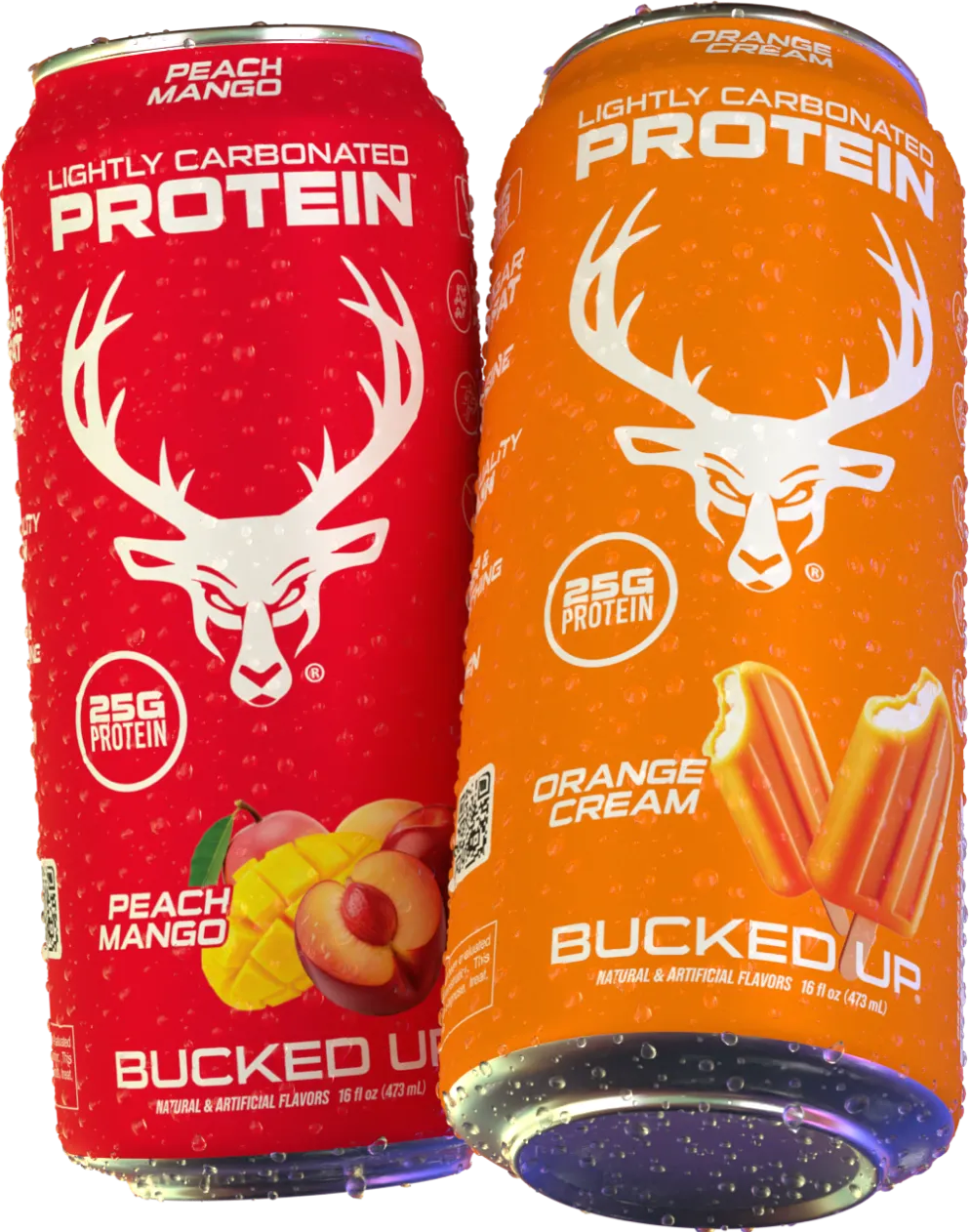
Protein plays a vital role in muscle recovery, weight management, and keeping hunger at bay, but finding a tasty way to meet your daily goals can be tough. Let’s explore five practical ways to adjust the sweetness of your protein drinks, focusing on refreshing, zero-sugar options like Bucked Up Protein Soda. These tips will help make consistent protein intake something you enjoy, not a struggle.
Meeting your protein needs daily is essential for recovering after workouts, managing weight, controlling appetite, and maintaining energy. Yet, many find it hard to stick with protein supplements due to heavy, overly sweet shakes or sluggish feelings afterward. By the end, you’ll have clear steps to hit your protein targets with drinks that feel light and appealing, turning a chore into a highlight of your day.
Why Sweetness in Protein Drinks Affects Your Consistency
Sweetness levels in protein drinks can make or break your ability to stick with them. Many products in the protein supplement market overload on sweetness, causing taste fatigue where the flavor becomes too much over time. This can lead to skipping doses and missing your protein goals.
Beyond just taste, sweetness impacts your experience. Some people notice a lingering aftertaste with certain artificial sweeteners, creating a mental block against regular use. It’s not just discomfort; it stops you from reaching for your protein shake.
Many traditional shakes use heavy sweetening to cover up whey protein’s natural flavor, but this often backfires for long-term use. Lighter, more natural sweetness profiles are gaining ground in health-focused products. Clear ingredient lists and minimal artificial additives are becoming standard, making daily protein intake easier to maintain.
Balanced sweetness in protein drinks offers benefits beyond flavor. It allows you to include them in your routine without overwhelming your senses, especially if you need multiple servings a day or are sensitive to sweet foods due to weight management or medications like GLP-1.
Zero-sugar options stand out here. They keep taste enjoyable with natural sweeteners, avoiding blood sugar spikes or extra calories. This fits well for those watching body composition, metabolic health, or energy levels throughout the day.
5 Practical Ways to Adjust Sweetness in Your Protein Drinks
1. Pick Lightly Sweetened Whey Protein Drinks for Easier Daily Use
Choosing protein drinks with subtle sweetness is key to sticking with them over time. Lightly sweetened whey protein isolate ready-to-drink options hit the right balance, delivering nutrition without an overpowering taste that pushes you away.
Whey protein isolate is a top choice due to its high purity and quick absorption. It’s processed to remove most fats and carbs, often reaching over 90% protein content, making it perfect for muscle recovery post-workout when your body needs nutrients fast.
Subtle sweetness helps avoid taste fatigue and fits into various eating habits. Some whey protein isolate drinks keep added sugar to just 1 gram per serving, blending cane sugar and stevia for flavor. This keeps the taste pleasant without overloading on sugar or fatiguing your palate.
When picking a whey protein drink, go for those with 1-2 grams of added sugar per serving or natural sweeteners like stevia in small amounts. Look for 20-25 grams of protein per serving to meet significant needs. Check labels for whey protein isolate as the main ingredient, avoiding unnecessary fillers or artificial extras.
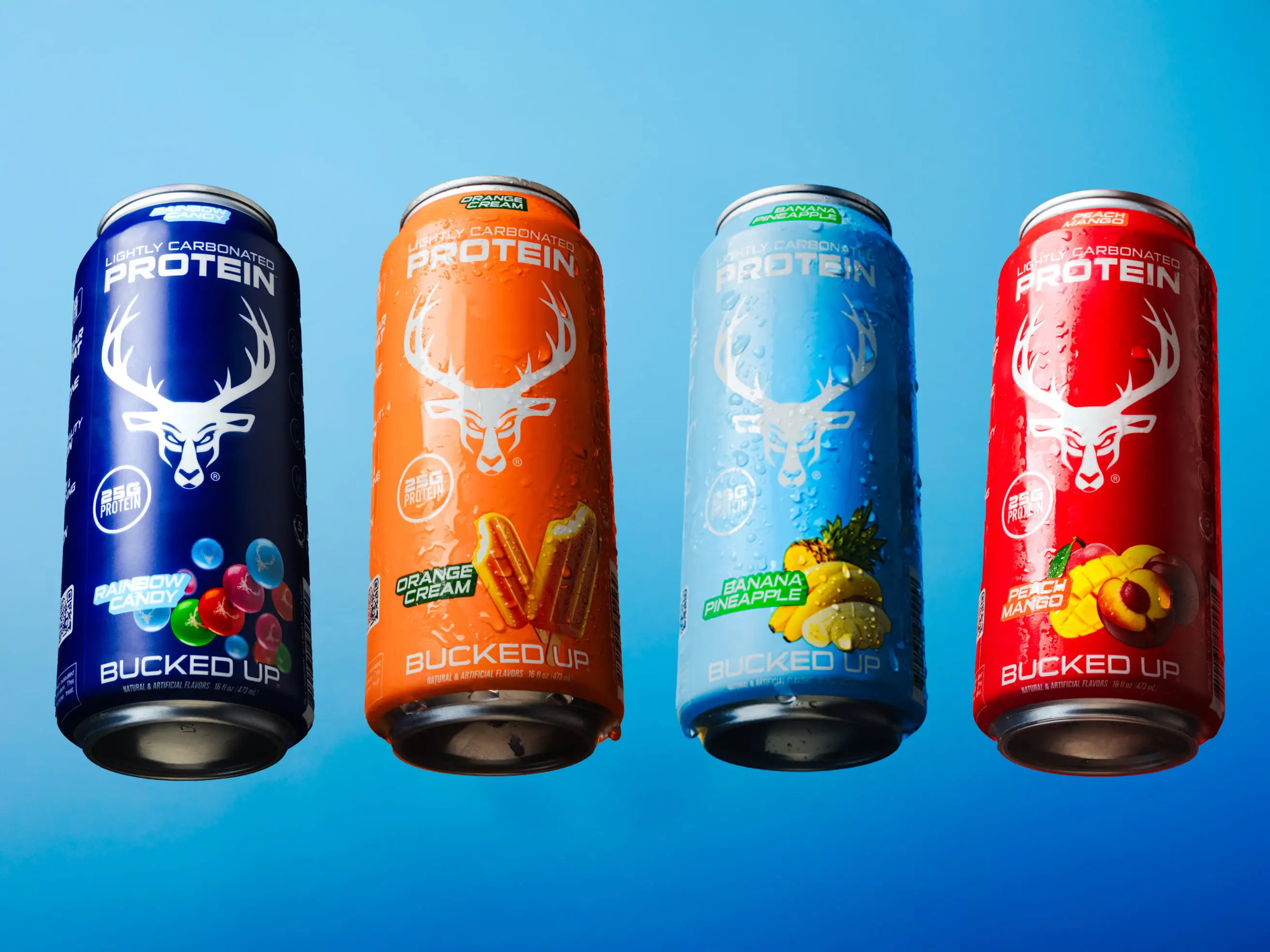
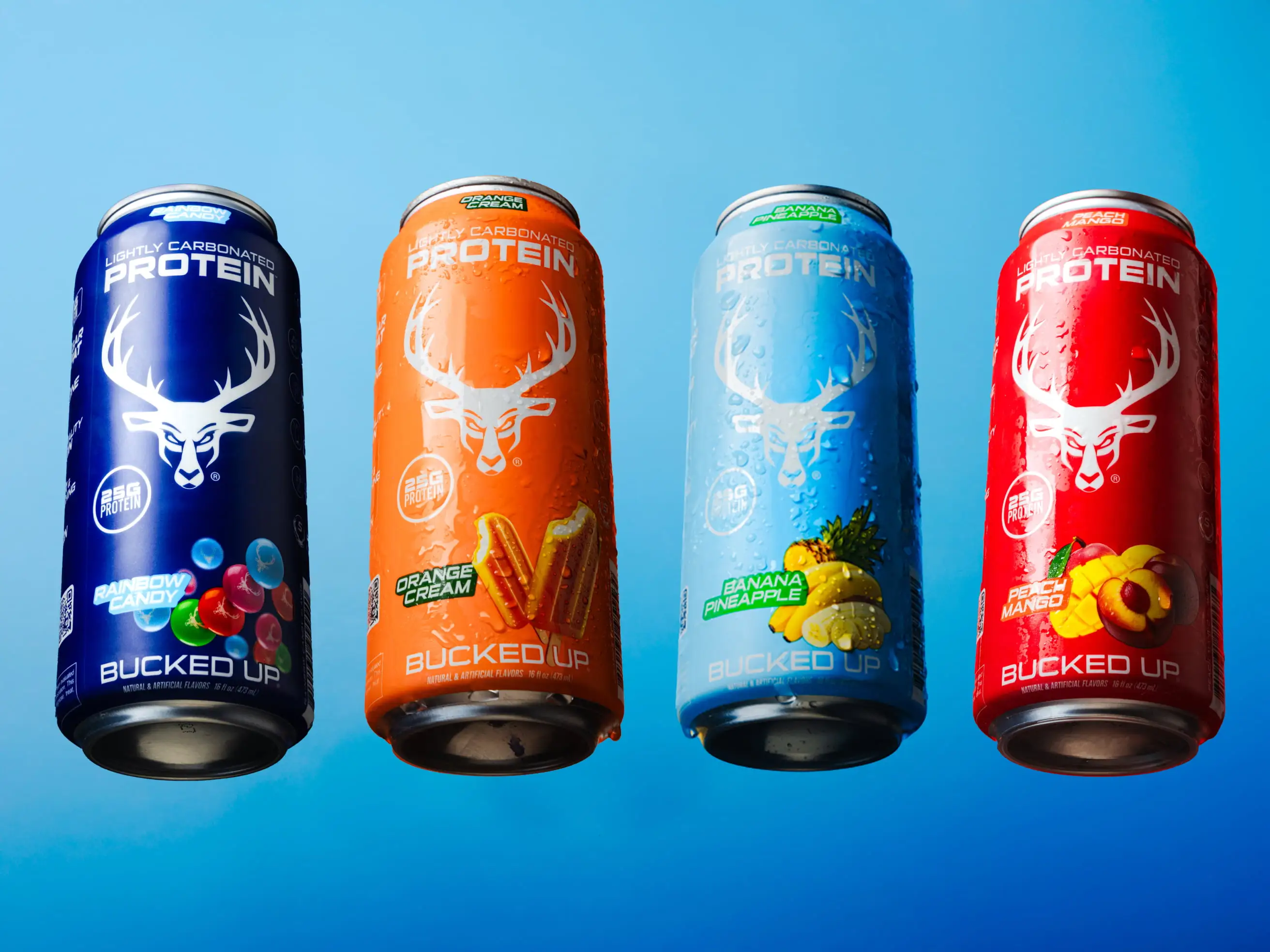
This matters even more if you’re having protein drinks twice a day. A lightly sweetened option stays refreshing, while a sugary one can feel like a burden. Bucked Up Protein Soda fits this need with 25 grams of protein in a zero-sugar, soda-like drink that’s easy to enjoy anywhere. Try it now and see how balanced sweetness changes your protein routine.
2. Use Carbonation for a Lighter, More Enjoyable Protein Drink
Carbonation changes the game for protein drinks, turning the usual thick, heavy shake into a light, refreshing experience. It’s not just a fun twist; it shifts how you feel about drinking protein.
The bubbles in carbonated drinks create a tactile sensation that cuts through the heaviness often felt with protein shakes. This lightness makes it easier to drink, especially if you dislike the thick or chalky texture of traditional options.
Carbonation also boosts flavor without needing much sweetener. The fizz enhances taste perception, so these drinks can feel satisfying with less sugar. It’s a smart way to keep palatability high without overdoing sweetness.
For those with appetite struggles from stress, medication, or other reasons, carbonated protein drinks offer an easier way to get nutrients. They feel more like a regular beverage than a dense supplement, lowering the mental barrier to drinking them.
Keep these drinks chilled, ideally between 35-40°F, to maximize the fizz and flavor. Swap them for sugary sodas or thick shakes, especially during energy slumps like mid-afternoon or after workouts, when the refreshing bubbles can lift your mood and energy.
Instead of missing post-workout protein, toss a can of Bucked Up Protein Soda in your gym bag. It’s a crisp, lightly carbonated drink with 25 grams of protein that’s never heavy, making recovery on the go simple and enjoyable.
3. Focus on Zero-Sugar Drinks with Clean Flavors for Everyday Use
Opting for zero-sugar protein drinks with clean flavors isn’t just a preference; it’s a smart way to support both short-term goals and long-term health. These options cut out artificial tastes or digestive issues that can mess with consistency.
Many protein supplements depend on artificial sweeteners, which can leave an odd aftertaste or cause stomach upset. Drinks avoiding artificial sweeteners and sugar alcohols often reduce digestive discomfort, appealing to those who value ingredient quality.
Zero-sugar drinks bring several perks. They avoid blood sugar spikes, fitting well for people managing diabetes, on keto diets, or seeking stable energy. They also prevent the crashes tied to sugary supplements, keeping your energy steady.
Clean flavors allow these drinks to pair nicely with meals or snacks, rather than clashing with other foods. This flexibility helps protein fit into your day without feeling out of place.
Look for labels stating “zero sugar” or “no artificial sweeteners.” Some brands use minimal ingredients like organic coconut sugar and stevia, creating simpler tastes for regular use. Check for transparency in ingredients, avoiding vague blends for more reliable flavors.
Start with smaller servings to test natural sweeteners like stevia, as tastes vary. Finding what suits you helps maintain a lasting habit. Bucked Up Protein Soda nails this with a zero-sugar recipe delivering 25 grams of protein without artificial aftertastes. Try it now for effortless daily protein.
4. Use Protein Drinks to Complement Meals, Not Replace Them
Think of protein drinks as a boost to your meals, not a full substitute. This mindset helps you avoid heavy, overly sweet options and keeps protein intake steady without overwhelming your diet.
Viewing protein drinks as meal replacements often leads to choosing dense, calorie-packed products that feel too filling or sweet for regular use. As enhancers, lighter drinks complement your eating, making them easier to include often.
This approach works well if appetite is low due to stress, medication, or other factors. Heavy shakes can feel daunting, leading to missed protein. Lighter, refreshing drinks fill the gap without feeling forced.
Pairing protein drinks with whole foods also improves overall nutrition. You get the variety of nutrients from real food while meeting protein needs through supplements.
Try mini-meals by combining a zero-sugar protein drink with a small piece of fruit or a handful of nuts for balanced energy. Aim for 20-40 grams of protein per eating session to support muscle recovery and fullness. Time these drinks between meals, during travel, or post-workout when quick protein is key.
When appetite dips or you need a fast protein hit, Bucked Up Protein Soda delivers 25 grams in a light, digestible format that pairs easily with snacks or small meals, keeping intake consistent even on tough days.
5. Learn About Sweetener Mixes to Avoid Unpleasant Aftertastes
Understanding sweetener blends in protein drinks helps you pick options that taste good over time and avoid aftertastes or discomfort. It’s about balancing flavor with what works for your body.
Most modern protein drinks use a mix of sweeteners for better taste. Many top whey isolate drinks combine sucralose and stevia, aiming for immediate sweetness and minimal lingering flavor in liquid form.
People react differently to sweeteners. Artificial options can turn off some users due to taste or feel. You might notice bitter notes or find stevia lingers too long with regular use.
How often and when you drink protein can change how sweeteners taste. A drink fine for occasional use might not hold up daily. Knowing your preferences helps pick products for lasting use.
Minimal sweetening is a growing choice. Products with simple ingredients often have a mild taste that’s easier to enjoy daily. Test different types to see what fits, starting with “no aftertaste” or minimally sweetened options.
Track how sweeteners taste over days of use, noting digestive effects or how they mix with other foods. Bucked Up Protein Soda shows smart sweetener use with a zero-sugar formula that tastes satisfying without odd aftertastes. Try it now to see how it supports daily protein intake.
Common Questions About Zero-Sugar Protein Drinks
Can I Drink Bucked Up Protein Soda Every Day?
Yes, Bucked Up Protein Soda is made for daily use. It offers 25 grams of whey protein isolate per serving with zero sugar, supporting your protein goals without extra calories or blood sugar swings.
With no caffeine, it fits any time of day, whether as a morning boost, post-workout recovery, afternoon pick-me-up, or evening option without affecting sleep. This flexibility suits busy or varying schedules.
Daily use helps those with higher protein needs, like athletes or people managing weight or on GLP-1 medications who find regular food tough. Its light, carbonated style prevents taste fatigue, keeping intake enjoyable.
Made in GMP-certified facilities in the USA, Bucked Up ensures quality for regular use. If you have specific health conditions, check with your healthcare provider to confirm it fits your plan.
How Does Bucked Up Protein Soda’s Sweetness Compare to Regular Protein Shakes?
Bucked Up Protein Soda offers a lighter, crisper taste than traditional protein shakes. Delivering 25 grams of protein, it avoids the heavy, overly sweet, or milky feel of standard options, feeling more like a soda than a shake.
Typical shakes often use lots of sweetener to mask whey protein’s flavor, which can tire your taste buds over time. Bucked Up uses balanced natural sweeteners for a pleasant taste without being too much.
The carbonation changes how sweetness feels compared to creamy shakes. Bubbles make the flavor lighter and less intense, keeping it appealing even with daily use.
Without the thick, chalky texture of many shakes, it doesn’t need heavy sweetening. The clear, fizzy format feels like a premium drink, making protein intake less of a task and more of a treat.
Does Bucked Up Protein Soda’s Sweetness Work for Weight Management or GLP-1 Users?
Yes, Bucked Up Protein Soda’s subtle sweetness suits those managing weight or using GLP-1 medications. With zero sugar and zero carbs, it provides 25 grams of protein for muscle support without affecting blood sugar or adding calories.
GLP-1 users often have lower appetite and can find sweet tastes overwhelming. This soda’s light flavor avoids those issues, offering a satisfying option without causing nausea or further appetite loss.
The fizz can ease stomach discomfort and makes drinking protein less of a chore, helpful when solid foods or heavy shakes feel tough due to medication side effects.
For weight management, adequate protein preserves muscle during calorie cuts. At just 100 calories, this soda gives high protein without extras that could impact goals. It also avoids artificial sweeteners that might cause digestive issues, supporting consistent use.
Wrapping Up: Hit the Right Sweetness for Your Protein Goals
Finding the right sweetness in protein drinks goes beyond flavor; it’s a core strategy for steady intake that backs your fitness, weight, and health aims. These five tips provide a clear path to make protein a sustainable, enjoyable part of your routine.
Lightly sweetened, quality whey protein isolate drinks show better sticking power than overly sugared ones. Choosing balanced flavors, using carbonation’s fresh feel, picking zero-sugar options, pairing protein with meals, and understanding sweeteners build a strong base for success.
Carbonation in protein drinks tackles common hurdles like taste, convenience, and long-term use. When protein feels refreshing instead of forced, you’re more likely to keep up with it, improving recovery, weight control, and nutrition.
For those managing weight, on GLP-1 medications, or needing easy protein, sweetness balance becomes even more vital. Missing protein due to taste issues isn’t an option, so well-made products are key.
While you could test different products to apply these tips, Bucked Up Protein Soda combines them in one. It supports quick recovery, daily consistency with great taste, and easy intake without heaviness or odd flavors. Meet your protein needs without bulky meals or extra calories. With 25 grams of whey protein isolate in a zero-sugar, caffeine-free format, it’s ideal any time. Shop now to make hitting protein goals simple with Bucked Up Protein Soda!
Disclaimer: These statements have not been evaluated by the Food and Drug Administration. This product is not intended to diagnose, treat, cure, or prevent any disease.