Last updated: April 22, 2026
Key Takeaways
- The old 30-minute anabolic window is a myth, because muscle protein synthesis stays elevated for 24-48 hours after lifting.
- A practical timing target is 0-2 hours after your workout, with roughly 20-40g of protein for recovery.1
- Total daily protein intake of about 1.6-2.2g per kg of body weight, spread every 3-4 hours, drives muscle gain more than exact timing.
- Whey protein isolate digests quickly, which makes it a strong fit after training, especially for fasted sessions or GLP-1 users.1
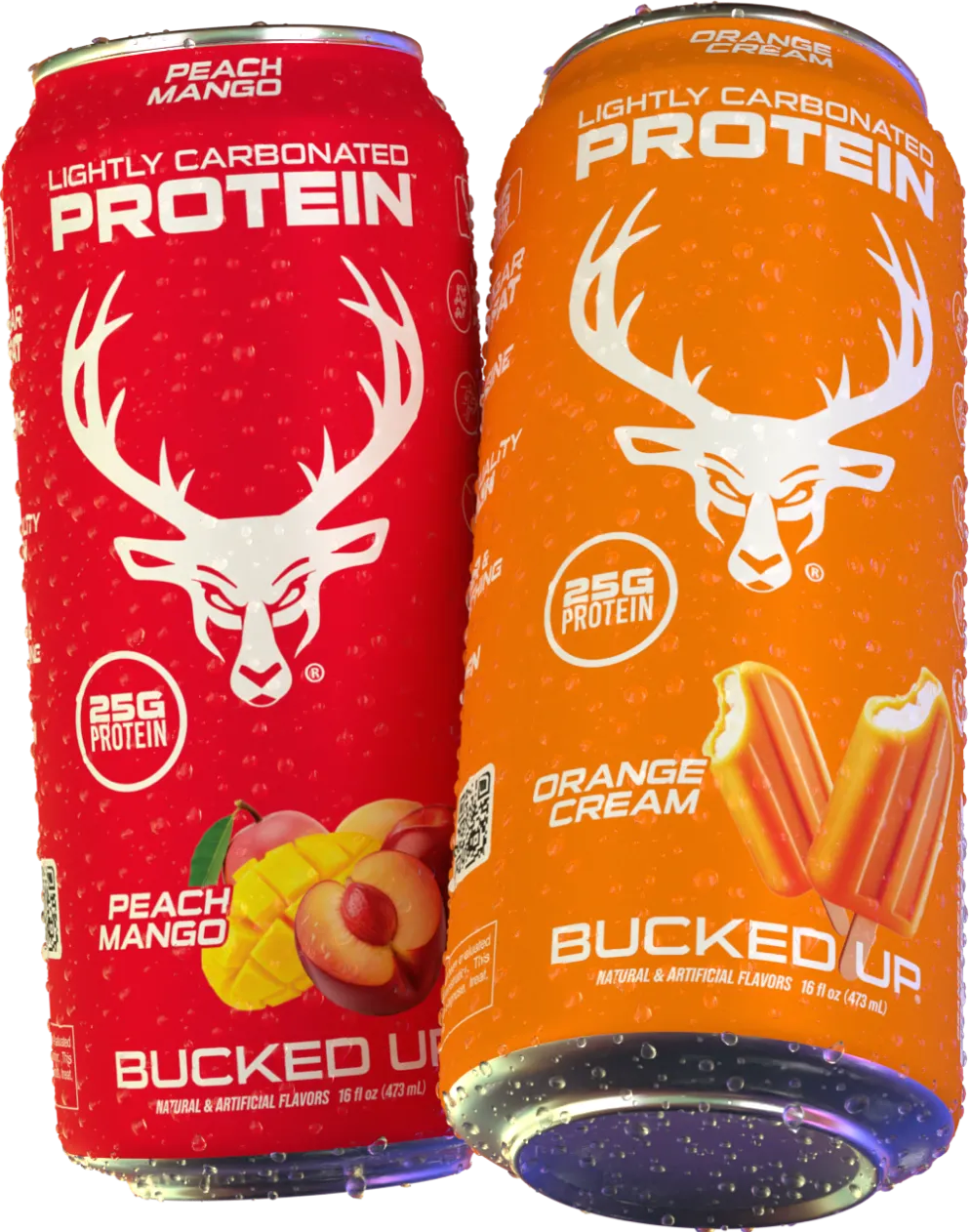
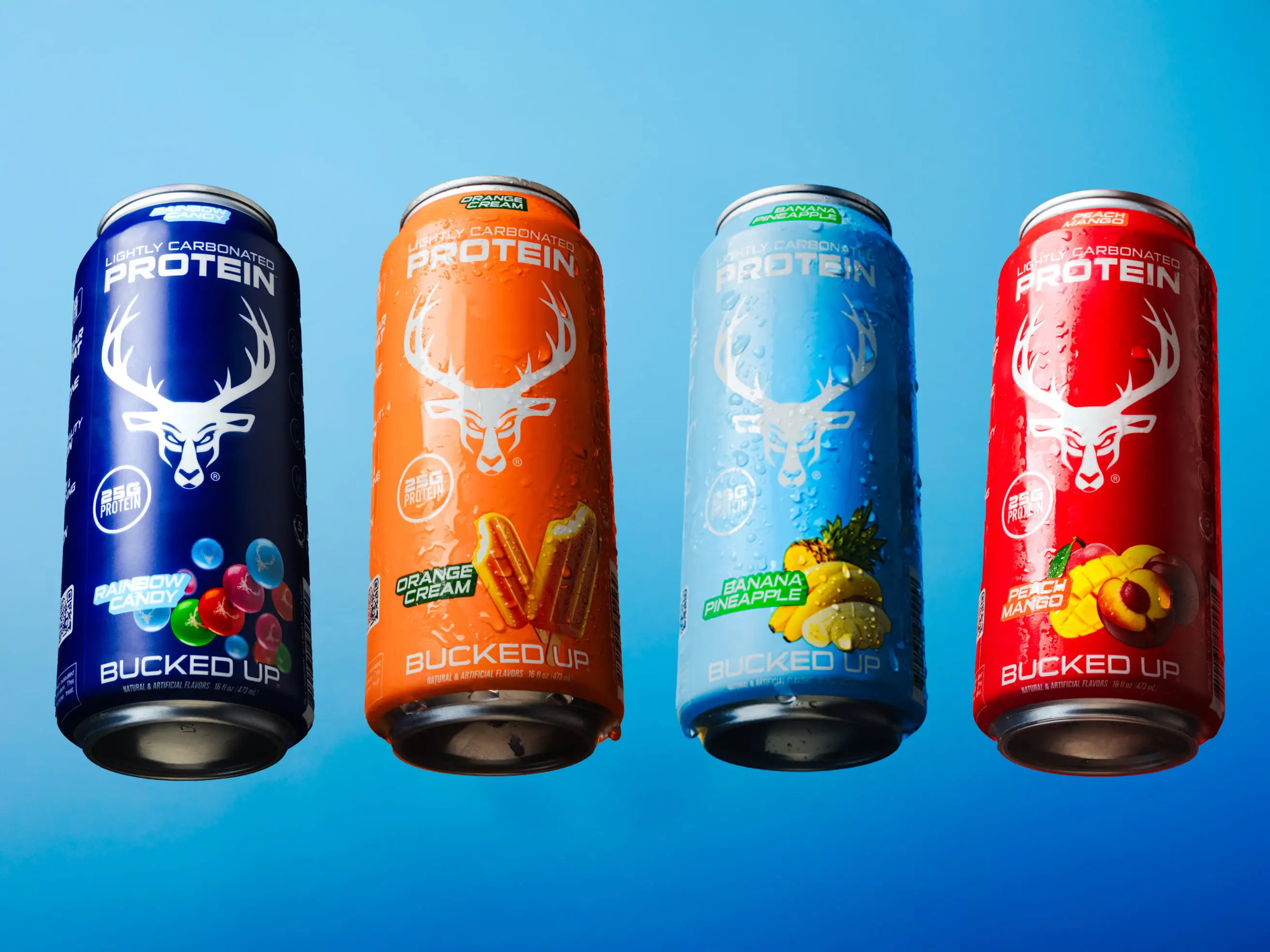
- Bucked Up Protein Soda offers a convenient, ready-to-drink whey isolate option you can use around workouts or between meals.
Why the 30-Minute Anabolic Window Is a Myth
The rigid 30-minute post-workout protein rule does not match modern sports nutrition research. The International Society of Sports Nutrition (ISSN) 2017 position stand shows that muscle protein synthesis stays elevated for 24-48 hours after resistance training, not just 30 minutes.
Research published in the Journal of Physiology and American Journal of Clinical Nutrition confirms that muscle protein synthesis drives muscle growth and remains elevated for up to two days after training. This extended window gives you far more flexibility than older advice suggested.
The myth stuck around because early studies used fasted subjects, which do not reflect real-world training where most people eat before lifting. Healthline’s analysis of current research highlights that daily protein totals and how you spread them across the day matter more than hitting a narrow post-workout deadline.
Optimal Protein Timing: The 0–2 Hour Post-Workout Window
Evidence points to a practical 0-2 hour post-workout window for supporting muscle protein synthesis. Studies indicate that consuming 20-30 grams of protein within 2 hours after exercise supports muscle recovery when muscles are especially receptive to nutrients.1
The ISSN 2017 position stand recommends 0.25–0.40 g/kg body weight, which usually equals 20–40 g for most adults, from a fast-digesting protein soon after training.1 For a 150-pound individual, this equals roughly 17-27 grams of protein.
This 2-hour window fits real life. You can finish a workout at 6 PM, commute, shower, and still support muscle gain by having protein before 8 PM. That protein can come from a can of Bucked Up Protein Soda you packed ahead of time or from a full meal at home.
Pre- vs Post-Workout Protein for Muscle Gain
Pre- and post-workout protein timing create very similar results when daily intake is adequate. A PeerJ study found that drinking a protein shake before or after workouts yields similar muscle-building benefits.
Research shows that protein taken before or after training can similarly increase muscle size, strength, and overall body composition. The key is getting enough protein close to your training session instead of stressing about the exact minute you drink it.
Fasted workouts change the picture slightly, because post-exercise protein becomes more important to slow muscle breakdown and start repair. Bucked Up Protein Soda’s portable can works well in both situations, whether you sip it before training for steady amino acids or after your last set for quick recovery support.1
How Late Is Too Late for Post-Workout Protein?
Most lifters have more time than they think. Muscle remains sensitized to protein for at least 24 hours after resistance exercise, which gives you a generous timing window.
Research from the Gatorade Sports Science Institute also reports this extended sensitivity. In a fed state, even protein consumed 4-6 hours after training can still support muscle protein synthesis.
Earlier intake within the 0-2 hour range still creates the strongest muscle-building response. The longer window works as a safety net, not a reason to ignore protein until the end of the day.
Best Protein Approach After a Fasted Workout
Fasted training places extra stress on your muscles and increases the need for timely nutrition afterward. Training in a fasted state increases activation of AMPK, an enzyme involved in mitochondrial development and fat oxidation, but it also raises muscle breakdown.
For fasted sessions, protein within about 0-60 minutes becomes more critical to slow catabolism and shift your body toward an anabolic state.1 Hard, prolonged fasted weight training can cause muscle atrophy by breaking down amino acids to maintain blood glucose.
Bucked Up Protein Soda’s ready-to-drink can fits these fasted scenarios well. Keep one in your gym bag for immediate post-workout use, with no shaker, no powder, and no prep when you finish your last set.
Protein Timing for Muscle Gain on GLP-1 Medications
GLP-1 receptor agonists often suppress appetite, which makes hitting protein targets harder. A real-world study presented at the European Congress on Obesity (ECO) 2026 found GLP-1 users averaged only 0.6 g/kg/day of protein, with 88% below recommended levels.
Protein needs rise to about 1.0–1.6 grams per kilogram of ideal body weight daily during weight loss on GLP-1 receptor agonists to help limit muscle loss.1 For a 154-pound individual, that equals roughly 70-110 grams of protein per day.
Evidence suggests that lean body mass can make up as much as 40% of total weight lost during GLP-1 treatment. Liquid protein sources like Bucked Up Protein Soda can help when solid food feels difficult, since they provide a protein-rich option in a light, carbonated format.1
Support muscle while using GLP-1 medications by pairing your prescribed plan with consistent, easy-to-tolerate protein sources throughout the day.1
Daily Protein Blueprint for Muscle Gain
Total daily protein intake sets the foundation for muscle growth, and timing works on top of that base. Newly revised federal dietary guidelines (2026) recommend 1.2 to 1.6 grams of protein per kilogram of body weight daily for adults, with higher needs for active people.
The American College of Sports Medicine recommends 1.2 to 1.7 grams of protein per kilogram of body weight per day for active individuals. For a 150-pound person, that equals about 82-116 grams of protein daily.
Research supports spreading this intake evenly across the day, with the same 20-40g per dose range mentioned earlier, eaten every 3-4 hours. This pattern keeps amino acids available for ongoing muscle repair and growth.
The table below shows how these guidelines translate into daily and per-meal targets for common body weights, and how a single can of protein soda can fit into that plan.
| Body Weight | Daily Protein Range (1.6-2.2g/kg) | Per-Meal Target (4 meals) | Bucked Up Contribution |
|---|---|---|---|
| 130 lbs (59 kg) | 94-130g | 24-33g | Roughly one can can cover a full serving |
| 150 lbs (68 kg) | 109-150g | 27-38g | One can can supply most of a meal’s protein |
| 180 lbs (82 kg) | 131-180g | 33-45g | One can can complement a smaller protein serving |
Why Choose Whey Protein Isolate After Training
Whey protein isolate works well after workouts because it digests quickly and contains all essential amino acids.1 The ISSN position stand highlights fast-digesting proteins for post-workout use to support muscle protein synthesis.1
Whey protein isolate goes through extra processing to remove most lactose, fat, and carbohydrates. That process creates a purer protein source that many people find easier to digest and absorb. Bucked Up Protein Soda uses 100% whey protein isolate, so you get those rapid amino acids without the heavier feel of some concentrate-based shakes.1
Comparing Convenient Post-Workout Protein Options
| Format | Prep Time | Absorption Speed | Calories per 25g Protein |
|---|---|---|---|
| Protein Powders | 5+ minutes | Medium | 120-140 |
| RTD Shakes | 0 minutes | Fast | 150-180 |
| Bucked Up Protein Soda | 0 minutes | Fast (isolate) | 100 |
Bucked Up Protein Soda can stand out with its carbonated format and lower-calorie profile compared with many shakes.1 The light, fizzy texture feels easier to drink right after training, especially on days when heavy, creamy shakes sound unappealing.
You can keep a few cans in your car, desk, or gym bag so post-workout protein becomes as simple as opening the fridge and cracking a can.
Frequently Asked Questions
What is the 2 hour protein rule?
The 2-hour protein rule describes the practical window for eating protein after resistance training to support muscle protein synthesis. During this period, muscles respond strongly to amino acids for repair and growth. As covered earlier, a dose in the 20-40g range within 0-2 hours after lifting provides strong benefits, while the overall muscle-building response can still extend for up to 24 hours.
Can you drink protein shakes on GLP-1?
Yes, protein shakes are generally safe and often helpful for people using GLP-1 medications like Ozempic or Mounjaro. These drugs can sharply reduce appetite, which makes it harder to reach daily protein goals with solid food alone. Liquid protein sources are usually easier to tolerate and can help limit the muscle loss that sometimes occurs with rapid weight loss. GLP-1 users often benefit from 1.0-1.6g of protein per kg of ideal body weight daily, so shakes can play a key role in meeting those needs.
What are whey protein post-workout benefits?
Whey protein supports post-workout recovery by absorbing quickly and delivering a complete amino acid profile.1 It contains all essential amino acids needed for muscle repair and has a high leucine content that helps trigger muscle protein synthesis.1 Many people also find whey easy on the stomach after training. Whey protein isolate offers these benefits with fewer calories, carbohydrates, and less lactose than many other options, which suits a wide range of diets and goals.1
How much protein do I need after a workout?
Most research supports a post-workout dose in the 20-40g range, or about 0.25-0.40g per kg of body weight. For a 150-pound person, that equals roughly 17-27g of protein. Exact needs depend on body size, training intensity, total daily protein intake, and your goals. Going far above 40g in a single serving does not appear to add extra muscle-building benefit right after a workout.
Is it better to drink protein before or after a workout?
Pre- and post-workout protein both work well when your total daily protein intake is high enough. The better choice usually depends on your schedule, appetite, and training style. For fasted workouts, post-exercise protein becomes more important to slow muscle breakdown. For fed-state training, either timing can work. Consistent protein intake across the whole day matters more than chasing a perfect minute around your workout.
Conclusion
The most effective time to drink protein after a workout usually falls within a flexible 0-2 hour window, not a strict 30-minute rule. Timing helps, but a daily intake around 1.6-2.2g of protein per kg of body weight, spread evenly across meals, drives muscle growth more than any single shake.
Bucked Up Protein Soda offers a modern option for people who want quick, light, and portable protein. It fits busy schedules, supports fasted training, and can help GLP-1 users who prefer liquids over solid food. With a refreshing, carbonated format, it can turn post-workout protein from a chore into something you actually look forward to drinking.
1 The content provided in this article is for informational purposes only and is not medical advice. Consult with a medical professional before implementing any changes to your diet, health, or exercise routines.
Individual results will vary and are based on a combination of each individual’s diet, exercise, age, and health circumstances.
These statements have not been evaluated by the Food and Drug Administration. This product is not intended to diagnose, treat, cure or prevent any disease.
This article was written by Ryan Gardner, CEO of Bucked Up. As the maker of Bucked Up Protein Soda, we have a financial interest in this information. The views expressed are our own and should be read with that context in mind.