Last updated: April 22, 2026
Key Takeaways
- Whey protein isolate absorbs faster than concentrate because of its higher protein purity and very low lactose and fat, which supports recovery in the 30-60 minute post-workout window.1
- Ready-to-drink options such as Bucked Up Protein Soda remove mixing steps, so you can get protein in immediately after training.
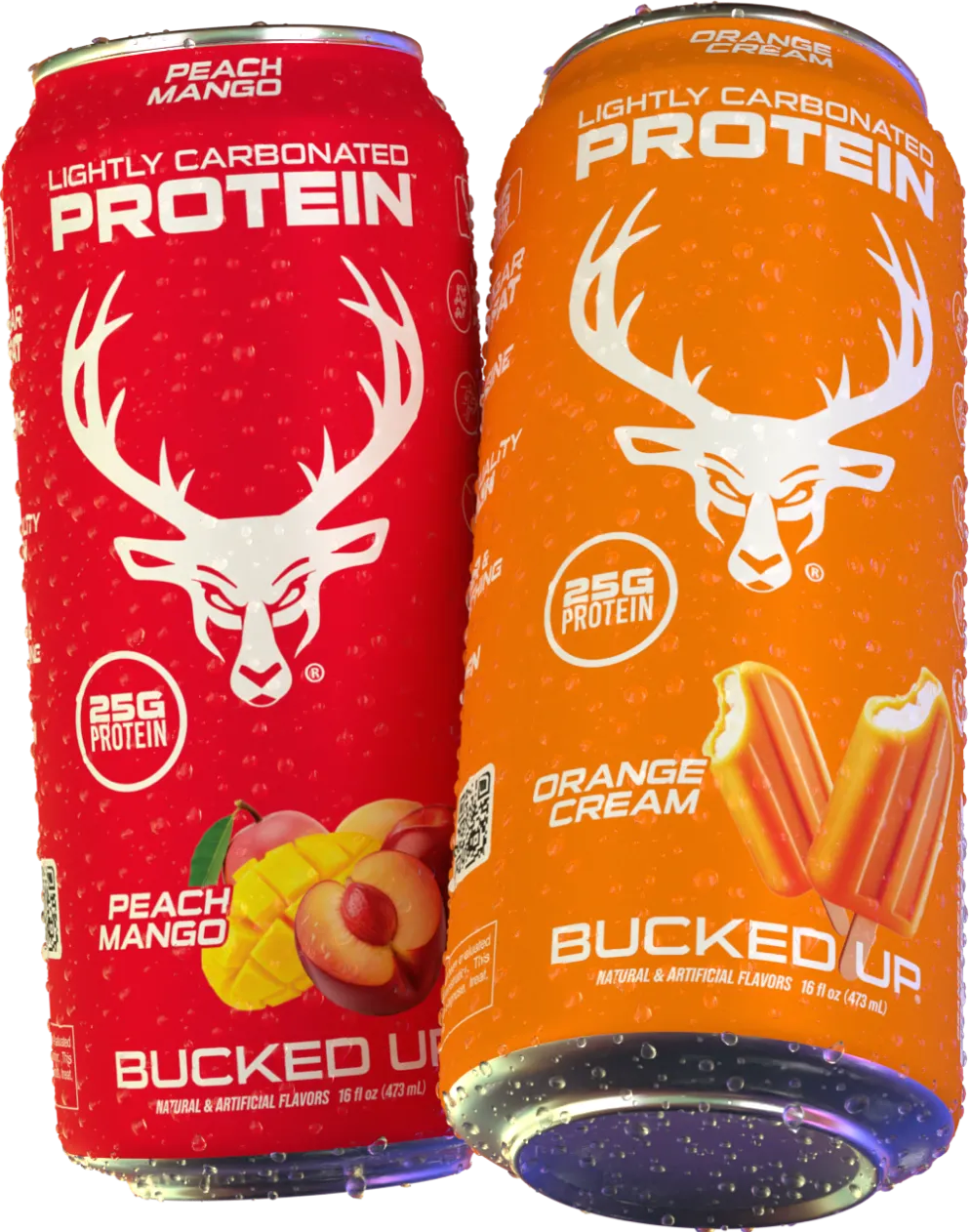
- Bucked Up Protein Soda stands out with 25g whey isolate, 100 calories, zero sugar or carbs, and no caffeine in a refreshing carbonated can.
- GLP-1 users on Ozempic or Wegovy benefit from high-protein options like clear whey isolates that help preserve muscle mass during weight loss.1
- For a convenient, carbonated RTD option that fits busy schedules, consider Bucked Up Protein Soda as part of your post-workout routine.
Why Whey Isolate Works Faster for Post-Workout Recovery
Protein type directly affects how quickly your body can use amino acids after training. Whey protein isolate features rapid absorption because advanced multi-stage filtration removes nearly all lactose, fats, and carbs, while whey protein concentrate digests more slowly due to higher lactose, fat, and carb content.1
Typical whey protein isolate contains 90.0-92.0% protein on a dry matter basis, under 1g lactose, and under 1g fat per serving, compared to whey protein concentrate which contains 70-80% protein by weight, 3-5g lactose, and 2-5g fat per serving. This difference in purity supports faster absorption and can feel easier on digestion for many people.1
For post-workout use, whey protein isolate’s rapid absorption supports muscle protein synthesis soon after training, which appeals to athletes who want fast recovery.1 Ready-to-drink formats remove preparation time, so you can take advantage of that recovery window as soon as your workout ends.
With these principles in mind, the products below cover a range of formats, from powders that allow customization to ready-to-drink options that focus on speed and convenience.
7 Protein Drinks and Powders for Post-Workout Recovery in 2026
1. Bucked Up Protein Soda
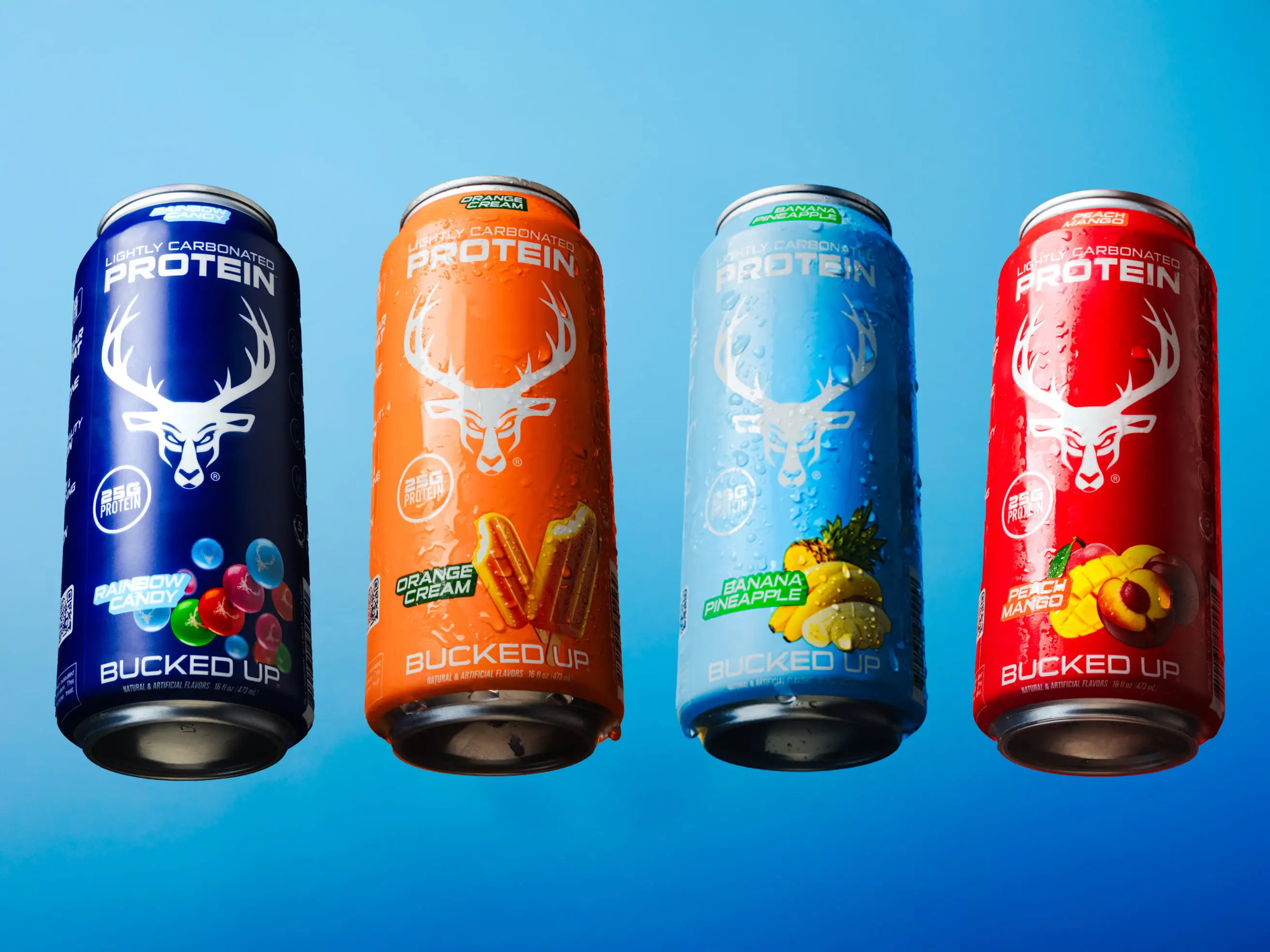
Bucked Up Protein Soda provides 25g of whey protein isolate in a lightly carbonated, ready-to-drink format. Each can contains 100 calories with zero sugar, zero carbs, and no caffeine, so it fits many nutrition plans throughout the day.
Pros: Whey isolate formulation, portable can that needs no preparation, crisp carbonated texture. Cons: Smaller flavor lineup than many traditional powder brands.
This carbonated format offers a light, soda-like alternative to thick, milky protein shakes. You can try Bucked Up Protein Soda if you want that profile in your post-workout routine.
2. Momentous Whey Isolate
Momentous offers NSF-certified whey protein isolate powder with third-party testing for quality assurance. Each serving provides 20g of protein with minimal carbs and fats, which appeals to athletes who value detailed ingredient testing.
Pros: NSF certification for competitive athletes, high-quality isolate, smooth mixability. Cons: Requires a shaker or blender, which can slow down immediate post-workout use.
3. Optimum Nutrition Gold Standard 100% Whey
This long-standing product combines whey isolate, concentrate, and peptides. Each serving delivers 24g of protein with 3g carbs and 1g fat, which offers a practical option for many recreational lifters.
Pros: Long track record, wide retail availability, competitive price point, broad flavor range. Cons: Includes whey concentrate that digests more slowly than pure isolate and still needs mixing.
4. Transparent Labs Whey Protein Isolate
This powder features 28g of grass-fed whey protein isolate per serving with no artificial colors, preservatives, or sweeteners. It targets people who prioritize short, recognizable ingredient lists.
Pros: Clean label, grass-fed sourcing, higher protein per scoop. Cons: Higher price per serving, powder format that needs preparation, fewer flavors than some mass-market brands.
5. Dymatize ISO100
Pros: Hydrolyzed form for faster breakdown, often suitable for people sensitive to lactose, smooth texture when mixed. Cons: Higher cost per serving and still requires mixing before use.
6. Premier Protein Ready-to-Drink Shakes
These shakes come in a convenient ready-to-drink carton with 30g of protein per bottle. They appear in many grocery stores and offer multiple flavors.
Pros: No prep required, relatively high protein content, easy to find in retail locations. Cons: Uses milk protein concentrate instead of whey isolate, has a higher calorie count, and a thicker, creamier texture.
7. Fairlife Core Power Protein Shakes
These shakes use ultra-filtered milk protein and provide 26g of protein per bottle. They are lactose-free and include added vitamins and minerals.
Pros: Ready-to-drink convenience, lactose-free formulation, extra micronutrients. Cons: Milk protein generally digests slower than whey isolate, with higher sugar content and a rich, creamy mouthfeel that some people find heavy after training.
Comparison Table: Protein Types and Formats at a Glance
The table below highlights four representative options to show how protein type, calories, and format differ between powders and ready-to-drink choices.
| Product | Protein Type/Amount | Calories/Sugar/Carbs | Format |
|---|---|---|---|
| Bucked Up Protein Soda | Whey Isolate/25g | 100/0g/0g | RTD Carbonated |
| Momentous Whey Isolate | Whey Isolate/25g | 90/0g/2g | Powder |
| Optimum Nutrition Gold Standard | Whey Blend/24g | 120/1g/3g | Powder |
| Premier Protein RTD | Milk Protein/30g | 160/1g/4g | RTD Shake |
These examples show how ready-to-drink products can trade some ingredient flexibility for speed, while powders often provide more customization but require extra time.
Whey and RTD Protein for GLP-1 Users and Busy Parents
People using GLP-1 receptor agonists and busy parents often share a need for quick, easy protein sources. Clinical trials demonstrate approximately 25-40% of total weight loss with GLP-1 receptor agonists is attributable to lean mass loss, so consistent protein intake helps protect muscle.1
Patients taking GLP-1 receptor agonists should aim for 1.0-1.5 grams of protein per kilogram of ideal body weight daily to preserve lean muscle mass during weight loss.1 For a 150-pound individual on GLP-1, this target equals about 82-109 grams of protein daily, which can feel challenging with low appetite.
Clear whey isolates and high-quality protein shakes can work well for GLP-1 users who experience nausea or early fullness, because liquids often pass through the stomach more easily.1 Bucked Up Protein Soda’s clear, non-milky format offers an option for those who dislike thick shakes and still want a full 25g isolate serving. You can explore Bucked Up Protein Soda as a GLP-1-friendly protein source.
Busy parents also benefit from ready-to-drink protein that fits around school runs, practices, and work. A canned option in the fridge or gym bag can replace skipped meals or rushed snacks and support recovery without extra dishes or blender cleanup.
FAQ
What’s the difference between whey protein isolate and concentrate for recovery?
Whey protein isolate undergoes more extensive processing to remove lactose, fats, and carbohydrates, resulting in at least 90% protein on a dry matter basis that absorbs faster than concentrate.1 Whey concentrate contains 70-80% protein with higher levels of lactose and fats, which slows digestion.1 Keep both absorption speed and digestive comfort in mind when choosing a post-workout option.
When is the best time to consume whey protein post-workout?
The optimal window for post-workout protein consumption is within 30-60 minutes after resistance training, when muscle protein synthesis rates stay elevated. This timing helps your body use amino acids efficiently for repair and growth.1 Ready-to-drink options such as Bucked Up Protein Soda remove mixing delays, which makes it easier to hit this window consistently.
Is Bucked Up Protein Soda safe for daily consumption and GLP-1 users?
Yes, Bucked Up Protein Soda is formulated for daily use with zero carbs, zero sugar, and no caffeine, so it fits many approaches such as keto and low-carb lifestyles. The liquid format and light carbonation can feel easier for some GLP-1 users who struggle with solid food or heavy shakes because of appetite changes and slowed gastric emptying.1
Does carbonation affect protein absorption?
Carbonation does not reduce protein absorption. The whey protein isolate in Bucked Up Protein Soda keeps its complete amino acid profile and rapid absorption characteristics regardless of the bubbles.1 The carbonation can also improve taste and make regular use more enjoyable for some people compared with flat shakes.
Are these protein options compatible with keto and paleo diets?
Most whey protein isolates, including Bucked Up Protein Soda, work with keto and many paleo-style plans because of their very low carbohydrate content. Bucked Up Protein Soda contains zero carbs and zero sugar, which supports ketosis.1 For people who follow paleo guidelines but include some dairy, whey protein isolate offers a relatively minimal and focused dairy source.
Conclusion
Choosing a protein product for post-workout recovery comes down to absorption speed, convenience, and how well it fits your daily life. Bucked Up Protein Soda delivers the 25g whey isolate profile described earlier in a carbonated can that needs no prep, which can help busy professionals, athletes, and GLP-1 users stay consistent.
Think about whether you value the fastest digestion, grab-and-go convenience, or a gentler texture that sits well on your stomach, then match those needs to the options above. For a convenient, carbonated way to hit your protein target after training, you can add Bucked Up Protein Soda to your recovery routine and see how it fits your goals.
1 The content provided in this article is for informational purposes only and is not medical advice. Consult with a medical professional before implementing any changes to your diet, health, or exercise routines.
Individual results will vary and are based on a combination of each individual’s diet, exercise, age, and health circumstances.
These statements have not been evaluated by the Food and Drug Administration. This product is not intended to diagnose, treat, cure or prevent any disease.
This article was written by Ryan Gardner, CEO of Bucked Up. As the maker of Bucked Up Protein Soda, we have a financial interest in this information. The views expressed are our own and should be read with that context in mind.