Last updated: April 22, 2026
Key Takeaways
- BCAAs (leucine, isoleucine, valine) are essential amino acids that support muscle protein synthesis, recovery, and energy during exercise.
- Key benefits include less muscle soreness, reduced fatigue, preserved muscle during calorie restriction, and better performance during fasted training.
- Top food sources such as whey protein, chicken, and cheese provide strong BCAA ratios; whey delivers about 6g BCAAs per 30g scoop.
- Complete proteins usually beat isolated BCAAs for muscle building because they supply all essential amino acids; aim for 5-15g BCAAs daily based on needs.1
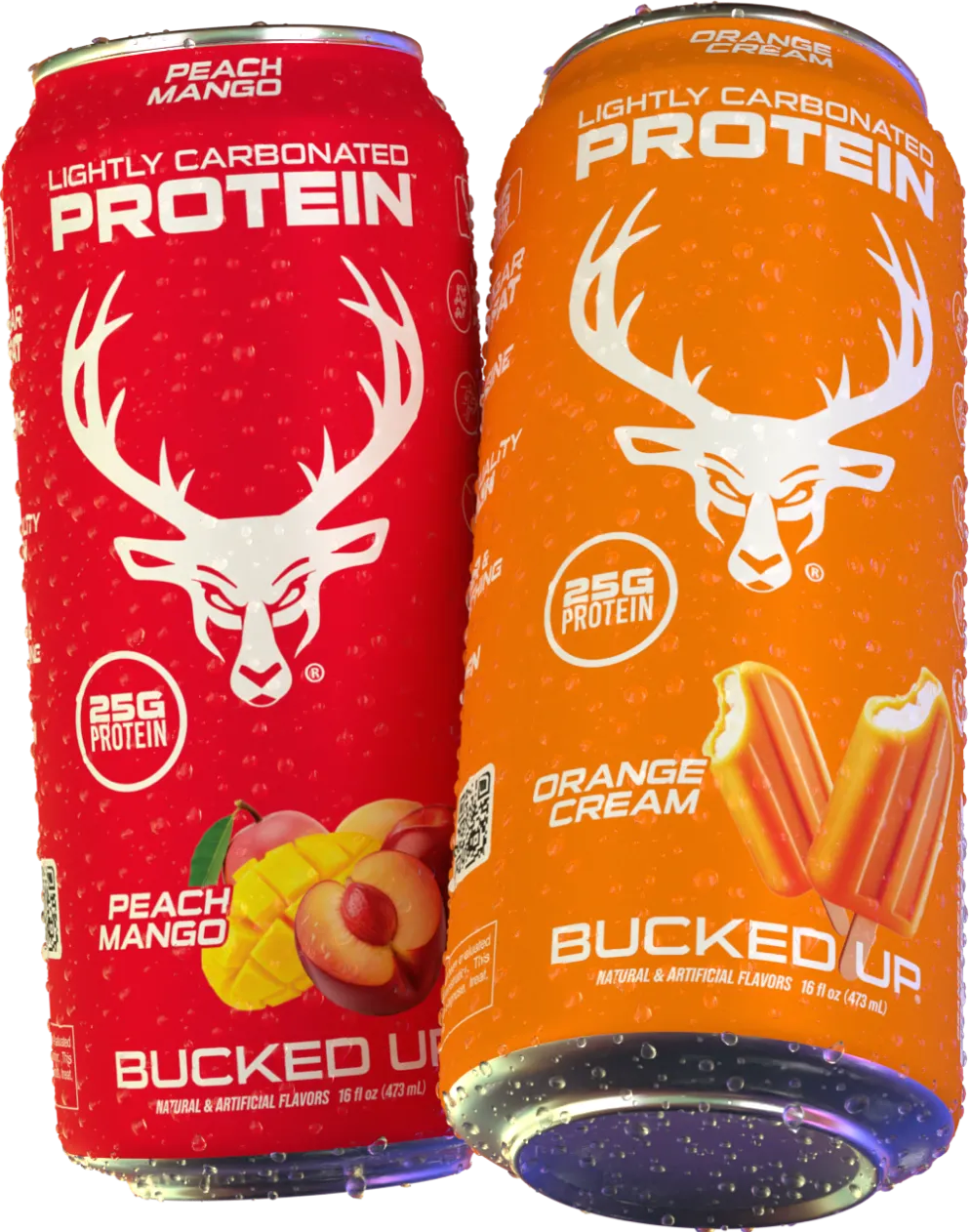
- Stay fueled with Bucked Up’s Protein Soda, which delivers 25g whey isolate for convenient, high-BCAA recovery in a refreshing format.1
Branched-Chain Amino Acids Explained
Branched chain amino acids (BCAAs) are the essential amino acids leucine, isoleucine, and valine, each with a branched molecular structure. These amino acids are essential because the human body cannot synthesize them internally, so you must get them through food or supplements. This dietary dependence matters because BCAAs make up a large share of the amino acids in muscle proteins, where they act as building blocks for protein synthesis and as direct energy sources during exercise.
| Amino Acid | Primary Functions | Typical Ratio |
|---|---|---|
| Leucine | Muscle protein synthesis trigger, mTOR pathway activation | 2 parts |
| Isoleucine | Glucose uptake, energy regulation | 1 part |
| Valine | Energy production, nitrogen balance | 1 part |
The 2:1:1 ratio appears frequently in BCAA supplements and many protein sources.
BCAA Benefits: 7 Proven Effects for Muscle Growth & Recovery
Research links adequate BCAA intake to several clear benefits for performance and muscle health.
- Enhanced Muscle Protein Synthesis: Leucine directly activates the mTOR pathway, which triggers muscle protein synthesis and supports muscle growth.
- Reduced Exercise-Induced Muscle Damage: BCAA supplementation before exercise provides immediate amino acid availability, which helps limit muscle breakdown during training.1
- Decreased Delayed Onset Muscle Soreness: Post-workout BCAA intake can ease DOMS over the next few days by supporting faster muscle repair.1
- Reduced Exercise Fatigue: BCAA supplementation can lower perceived exertion during exercise by influencing central nervous system fatigue signals.1
- Preserved Muscle Mass During Calorie Restriction: BCAAs from complete protein sources help maintain muscle tissue when calories drop, which matters for people in weight loss phases.
- Improved Recovery Between Training Sessions: Regular BCAA intake from food sources supports restoration of muscle function between workouts so you can train consistently.
- Enhanced Performance in Fasted Training: BCAAs provide energy substrate for muscles during fasted training sessions, which helps limit excessive muscle breakdown.
These benefits make BCAAs especially useful for athletes, people managing weight loss, and those using GLP-1 medications who need to preserve muscle mass despite reduced appetite.
Top BCAA-Rich Foods and How They Compare
Complete protein sources naturally supply BCAAs in balanced ratios that support muscle growth and recovery. Whey protein stands out for its high leucine content among food proteins, which makes it particularly effective for muscle recovery. Animal proteins usually contain higher BCAA levels than most plant sources.
| Food/Serving | Total BCAAs (g) | Leucine (g) | Source Quality |
|---|---|---|---|
| Whey Protein (30g scoop) | ~6.0 | ~2.5 | Complete, fast-absorbing |
| Chicken Breast (4 oz) | ~6.0 | 3.0 | Complete protein |
| Swiss Cheese (1 cup shredded) | ~7.2 | 3.9 | Complete, high leucine |
| Turkey (1 cup) | ~3.6 | 2.8 | Complete protein |
| Beef (1 cup) | ~4.0 | ~2.0 | Complete protein |
For maximum convenience and BCAA delivery, Bucked Up Protein Soda provides 25g of whey protein isolate in a refreshing carbonated format, supplying substantial BCAAs without the prep time of traditional protein foods.1

BCAA Supplements vs Whole Proteins
Clear differences separate isolated BCAA supplements from complete protein sources, and those differences affect results. To make an informed choice, consider four key factors: absorption speed, amino acid profile completeness, calorie content, and how each option fits your goals.
| Type | Pros | Cons | BCAA Delivery |
|---|---|---|---|
| Isolated BCAAs | Fast absorption, low calories | Incomplete amino profile, limited synthesis | High concentration, limited utility |
| Whey Protein Isolate | Complete amino profile, strong support for synthesis | Slightly higher calories | Useful ratios with full spectrum |
| Whey Concentrate | Cost-effective, natural ratios | Higher lactose, slower absorption | Good ratios, slower delivery |
| Collagen Protein | Joint support benefits | Incomplete amino profile | Low BCAA content |
Whey protein isolate can support muscle protein synthesis more effectively than isolated BCAAs because muscle building requires all essential amino acids, not just the three branched-chain types.1 Complete proteins deliver BCAAs together with the full amino acid spectrum needed for long-term muscle adaptation.
BCAA Role, Dosage, Timing, and Safety
A general dose of 3-5g of BCAAs can stimulate muscle protein synthesis, and higher amounts may help athletes with greater protein demands.1
Recommended Dosing:
- General population: 12-15g BCAAs daily from food sources
- Athletes: 5-15g daily, divided into 2-3 servings1
- GLP-1 users: Emphasize complete protein sources that provide natural BCAA ratios
Optimal Timing:
- Pre-workout: About 30 minutes before exercise for fasted training
- During exercise: BCAAs during long or intense training sessions
- Post-workout: Within 30 minutes after exercise along with complete protein
Safety Profile: BCAAs from food sources are generally safe for daily use. Excessive isolated BCAA supplementation may strain kidney function in susceptible individuals.1 Most people tolerate BCAAs well when they come from complete protein sources.
Who Should Exercise Caution:
- Individuals with kidney disease should consult healthcare providers
- Those with branched-chain ketoaciduria (rare genetic condition)
- People taking medications that affect amino acid metabolism
Who Gains the Most from BCAAs + Protein Soda Pick
Three primary groups gain the most from dialed-in BCAA intake, and each group faces a different challenge that BCAAs can help address.
Gym-goers and Athletes: These individuals place heavy demands on their muscles through frequent training. Better recovery between sessions and less muscle soreness support steady progress in the gym.
GLP-1 Users: Individuals using medications like Ozempic face higher muscle loss risk because appetite and food intake often drop, so every gram of protein matters. Convenient protein sources help preserve muscle mass while body weight decreases.
Busy Professionals: Time-constrained people often struggle to cook or prep high-protein meals. Convenient protein delivery helps them meet daily protein needs even with a packed schedule.
For convenient BCAA intake from complete protein, Bucked Up Protein Soda provides 25g of whey protein isolate in a caffeine-free, zero-sugar carbonated format that tastes similar to an energy drink.1 As mentioned earlier, this ready-to-drink option pairs full-spectrum protein with a soda-style experience you can enjoy any time of day.
Frequently Asked Questions
What do BCAAs do for muscle growth and recovery?
BCAAs play two main roles in muscle physiology. Leucine directly triggers muscle protein synthesis through mTOR pathway activation, and all three BCAAs provide energy during exercise and support repair afterward. They can help reduce exercise-induced muscle damage, ease delayed onset muscle soreness, and support muscle maintenance during calorie restriction. Complete proteins that contain all essential amino acids still provide stronger overall muscle-building support than isolated BCAA supplements.1
Who should not take BCAA supplements?
Individuals with kidney disease should avoid high-dose BCAA supplementation without medical supervision because excessive amino acid intake can strain kidney function.1 People with branched-chain ketoaciduria, a rare genetic disorder that affects BCAA metabolism, must strictly limit intake. Those taking medications that influence amino acid metabolism should talk with healthcare providers before using BCAA supplements. Pregnant and breastfeeding women should focus on whole food protein sources instead of isolated BCAA products.
Is it safe to take BCAAs every day?
Daily BCAA intake from food sources is safe and helpful for most people. Complete proteins such as whey, chicken, and dairy naturally provide BCAAs in balanced ratios along with other essential amino acids. The body needs steady amino acid availability for ongoing muscle maintenance and repair. Isolated BCAA supplements should play a secondary role, with total daily protein from whole foods taking priority.1
What is the optimal BCAA dosage for different goals?
General fitness enthusiasts often do well with 5-10g of BCAAs per day from complete protein sources. Athletes and people with higher protein needs may benefit from 10-15g daily, ideally spread across several meals and training windows.1 The 2:1:1 leucine to isoleucine to valine ratio found in many natural protein sources supports muscle protein synthesis effectively. When you already meet your protein needs through complete sources, total daily intake matters more than exact timing.
How do BCAAs compare to complete proteins for muscle building?
Complete proteins usually outperform isolated BCAAs for muscle protein synthesis because muscle building relies on all 20 amino acids, not just the three branched-chain ones. Whey protein isolate supplies BCAAs together with the full essential amino acid profile needed for muscle adaptation. Isolated BCAAs may still help during fasted training or calorie restriction, but complete proteins tend to deliver better results for muscle growth, recovery, and long-term body composition changes.1
1 The content provided in this article is for informational purposes only and is not medical advice. Consult with a medical professional before implementing any changes to your diet, health, or exercise routines.
Individual results will vary and are based on a combination of each individual’s diet, exercise, age, and health circumstances.
These statements have not been evaluated by the Food and Drug Administration. This product is not intended to diagnose, treat, cure or prevent any disease.
This article was written by Ryan Gardner, CEO of Bucked Up. As the maker of Bucked Up Protein Soda, we have a financial interest in this information. The views expressed are our own and should be read with that context in mind.