Key Takeaways
- Consistent daily protein intake can help support muscle maintenance, appetite control, and more stable energy, especially when you train regularly or manage your weight.*
- Traditional shakes and bars often feel heavy, require cleanup, and can cause taste fatigue, which makes it harder to hit protein targets every day.
- Carbonated protein turns protein into a clear, refreshing drink that fits easily into post-workout, between-meal, and evening routines without extra preparation.
- Choosing whey protein isolate in a zero-sugar, low-calorie product can help you reach protein goals while keeping overall calories and added sugars in check.
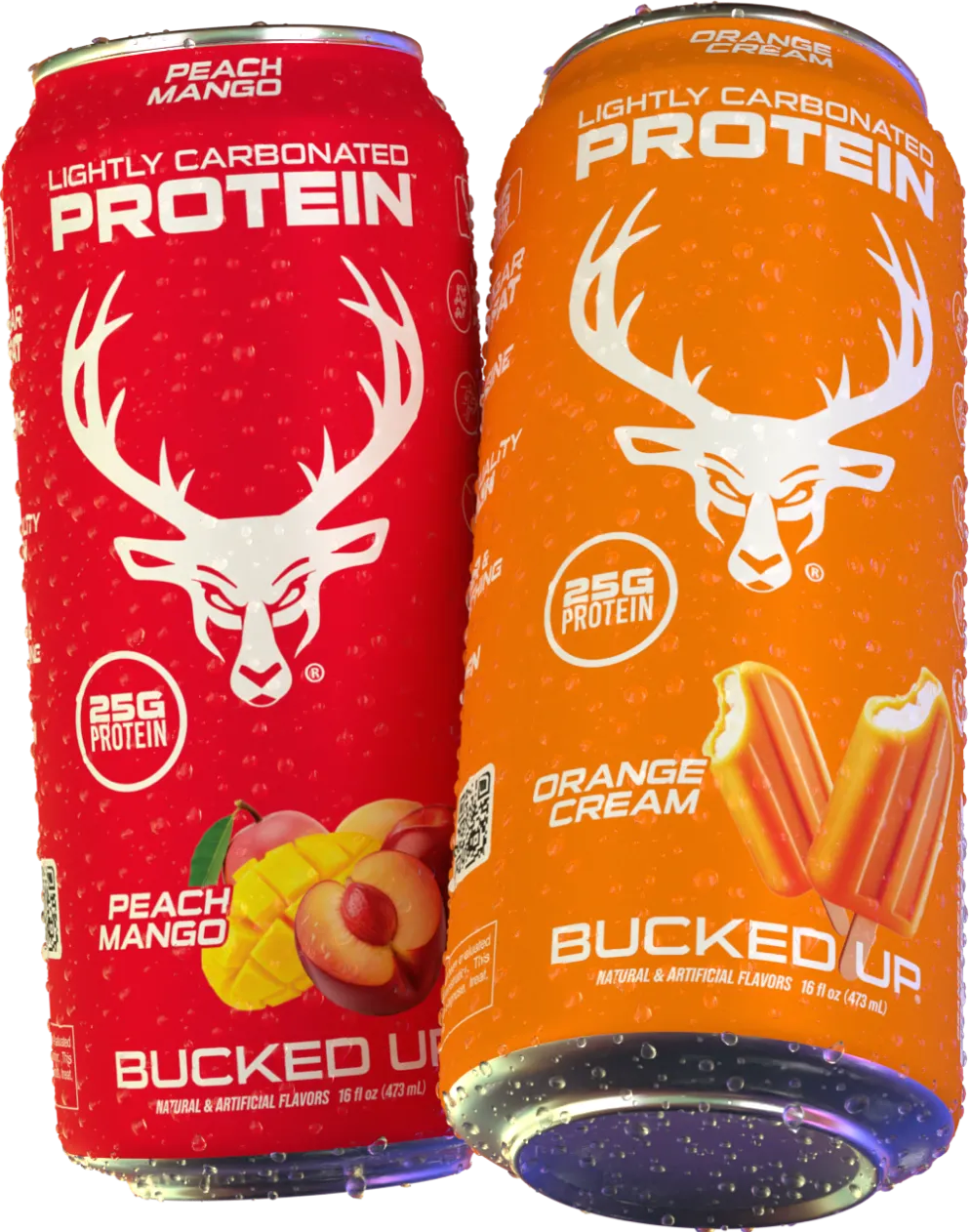
- Bucked Up Protein Sodas provide 25 g of whey protein isolate in a lightly carbonated, caffeine-free drink that you can keep on hand for fast, convenient protein support. Shop now.

Why Adequate Protein Intake Is Crucial (And Where Traditional Methods Fall Short)
The Fundamental Role of Protein
Protein supports muscle maintenance, recovery, and overall metabolic health.* It plays a central role in muscle protein synthesis, which helps repair tissue after exercise and supports lean mass when you manage your weight.
Protein can also help increase satiety and support steadier energy compared with many carbohydrate-heavy snacks.* This effect can be especially important if you experience appetite changes, including those related to GLP-1 medications, and still want to protect muscle while pursuing weight goals.*
The Limitations of Traditional Protein Sources
Many people struggle with traditional protein powders and shakes. Thick textures can feel heavy after a workout, and some users report digestive discomfort, bloating, or a chalky aftertaste. The need to measure powder, find a shaker, and clean up can make consistency difficult on busy days.
Protein bars can pose other challenges. Formulas may contain added sugars, artificial ingredients, or higher calorie counts than you intend. Dense, chewy textures can feel unappealing when appetite is low, and solid bars generally digest more slowly, which may not match your post-workout needs.
How Carbonated Protein Changes the Experience
Carbonated protein delivers the nutrients of a traditional shake in a format that feels more like a sparkling soft drink. A clear, lightly carbonated beverage avoids the heaviness of creamy shakes while still providing a significant amount of protein.
This format can make it easier to meet daily targets because it feels like a simple drink instead of a meal. That shift often improves adherence, especially for people who dislike thick shakes or prefer lighter options later in the day.
Your Step-by-Step Guide: Integrating Carbonated Protein Effectively
Step 1: Pinpoint Your Protein Gaps and Goals
Start by estimating how much protein you need each day. Many active adults aim for roughly 0.8 to 1.2 grams of protein per pound of body weight, depending on training intensity, age, and goals.* Higher targets may make sense for muscle gain, while adequate intake is important for anyone managing calories or using GLP-1 medications.*
Next, identify where you tend to fall short. Common gaps include rushed mornings, mid-afternoon energy dips, post-workout windows, and late-night cravings. Those times can be ideal spots to add a carbonated protein drink.
Step 2: Choose Carbonated Protein for Quality and Convenience
Quality matters when you select a carbonated protein. Choosing whey protein isolate instead of concentrate helps you get more protein with less fat and lactose, and not all protein sources offer the same level of bioavailability.
Bucked Up Protein Soda provides 25 g of whey protein isolate with about 100 calories, zero sugar, zero carbs, and no caffeine. The clear, lightly carbonated drink avoids the heavy, milky texture of many shakes and does not rely on collagen blends to increase the protein number, so you still get a complete amino acid profile.
Step 3: Use Carbonated Protein at the Most Helpful Times
Post-workout recovery: Drink carbonated protein within about 30 minutes after training to provide fast-digesting whey isolate that can support muscle repair and recovery when your body needs it most.* The light, cold drink often feels easier to consume when you are warm and not ready for solid food.
Mid-day satiety boost: Use a can between meals to help manage hunger and support steadier energy without a large calorie load.* This approach can be useful if you tend to snack on lower-protein foods in the afternoon.
Mealtime protein support: Pair a carbonated protein drink with lighter meals when the plate itself is lower in protein. This method can help you reach your target intake without forcing larger portions.
Evening cravings: Choose a caffeine-free, zero-sugar protein soda to satisfy a sweet craving in the evening while still contributing to your daily protein total. This option can fit especially well if you try to limit late-night desserts.
Support for GLP-1 users: A light, flavorful drink can feel easier to tolerate than dense foods when appetite is reduced, which helps you maintain protein intake while following your prescribed plan.*
Step 4: Optimize Your Experience and Avoid Common Pitfalls
Chill your cans for the best taste and carbonation. Many people prefer drinking straight from the can or pouring over ice. Use water or other noncaloric drinks for basic hydration, and treat carbonated protein as a nutrition tool rather than your primary fluid source.
Avoid relying on carbonated protein as your only meal. It works best alongside a varied diet that includes whole-food protein, fiber, and healthy fats. Regular sugary soda consumption can hinder overall protein absorption efficiency, so a zero-sugar formula supports your broader nutrition goals more effectively.
What Consistent Carbonated Protein Intake Can Support
Regular carbonated protein use can help increase satiety between meals, which may reduce unplanned snacking and support weight management while protecting lean mass.* The rapid digestion of whey protein isolate can also support quicker recovery between workouts so you can train more consistently.*
Steadier protein intake across the day can help support more stable energy and fewer sharp dips that often follow low-protein, high-sugar snacks.* For people navigating appetite shifts, including those related to GLP-1 medications, a convenient drinkable protein source can make it easier to meet daily targets without feeling forced to eat larger portions.*
You can monitor progress by tracking workout recovery, energy across the day, hunger between meals, and how often you reach your protein goal. Many users report noticing changes within two to three weeks of consistent use.
Carbonated Protein FAQs: Your Questions Answered
Is carbonation bad for protein absorption or digestion?
Moderate carbonation generally has little impact on protein digestion and absorption for most healthy people.* Gastric distress symptoms in one trial appeared only after large intakes of carbonated beverages above 300 ml, which is higher than what many people consume at one time. The bigger concern is sugary soft drinks, which can work against your nutrition goals, not the carbonation itself.
Can I drink Bucked Up Protein Soda every day?
Bucked Up Protein Soda is formulated for regular use as part of an overall balanced eating pattern. The caffeine-free, zero-sugar, zero-carb profile can fit into many approaches, including keto and paleo styles, while helping you keep protein intake consistent across the week.* If you have specific medical conditions, your healthcare provider can help you decide how it fits your plan.
How does Bucked Up Protein Soda compare to traditional protein products?
|
Feature |
Bucked Up Protein Soda |
Traditional Whey Shake |
Typical Protein Bar |
|
Format |
Lightly carbonated ready-to-drink beverage |
Creamy liquid prepared from powder and water or milk |
Solid bar |
|
Typical feeling after drinking or eating |
Light, refreshing |
Heavier and more filling |
Chewy and often dense |
|
Protein type |
Whey protein isolate (25 g) |
Varied (concentrate or blended) |
Varied (whey, soy, nut-based) |
|
Absorption speed |
Fast-digesting liquid protein |
Moderate |
Slower due to solid format |
Is Bucked Up Protein Soda keto or paleo friendly?
Bucked Up Protein Soda contains zero sugar and zero carbs, which allows it to fit into many keto and paleo styles of eating. The product focuses on whey protein isolate without added sugars or grains that could conflict with these approaches. Always review the full ingredient list to confirm it aligns with your specific version of these diets.
Why use whey protein isolate instead of concentrate or collagen?
Whey protein isolate goes through additional filtration to remove most fat and lactose while raising the protein percentage.* That process can support better tolerance for people sensitive to lactose and provides a concentrated protein source per calorie. Collagen can support joint and skin health but does not provide a complete amino acid profile for muscle protein synthesis, so it works best as a complement rather than a primary muscle-focused protein.*
Conclusion: Make Meeting Your Protein Goals Easier and More Enjoyable Today
Carbonated protein can turn daily protein intake into a quick, convenient part of your routine instead of a chore. Bucked Up Protein Soda helps remove common barriers such as chalky textures, heavy shakes, and cleanup, while still delivering 25 g of whey protein isolate in each can.
Whether you want support for recovery, help maintaining muscle during weight management, or a simple way to close protein gaps on busy days, carbonated protein offers a practical option that fits modern schedules.*
*Disclaimer: These statements have not been evaluated by the Food and Drug Administration. This product is not intended to diagnose, treat, cure, or prevent any disease.