Last updated: April 22, 2026
Key Takeaways: Why Carbonated Protein Works
- Carbonated protein drinks solve chalky texture and prep hassles from traditional shakes, helping GLP-1 users like Ozempic patients maintain protein intake.
- Each can delivers about 15–40 grams of high-quality whey isolate protein in a low-calorie, refreshing drink that supports muscle during weight loss.1
- Research shows carbonation does not impair protein absorption and can improve enjoyment, which supports consistent daily use.1
- GLP-1 medication users often need higher protein, around 1.2–2.2 grams per kilogram of body weight daily, and can reach this with 2–3 servings plus meals.
- Bucked Up Protein Soda provides 25 grams of whey isolate in 100 calories, so you can fizz your way to muscle and weight success.1
The Problem: Why Thick Shakes Undercut Muscle and Weight Goals
Conventional protein shakes create problems that go far beyond taste. For people on GLP-1 medications, the thick, creamy texture can trigger nausea and intensify appetite suppression from the drugs. A 2025 joint advisory from four major medical societies recommends at least 1.2 grams of protein per kilogram of body weight daily for GLP-1 medication users, yet many people struggle to reach even half of that target with traditional protein sources.
Powder-based shakes also demand time and effort. Busy professionals and parents often skip protein entirely rather than measure, mix, and clean a shaker bottle. This pattern creates inconsistent intake and low total protein, and research links inadequate protein during calorie restriction to significant muscle loss.
This concern becomes even more serious for people using semaglutide and similar medications. Research indicates that some of the weight lost on semaglutide can be lean body mass. Traditional protein delivery methods often fall short of the higher protein needs that come with pharmaceutical weight loss, which can accelerate muscle loss.
The science on protein needs is clear. Active individuals in a calorie deficit require 1.6–2.2 grams per kilogram of body weight daily to preserve lean mass.1 For a 180-pound person, that equals roughly 130–180 grams of protein per day. Hitting that range becomes extremely difficult when protein options feel heavy, taste unpleasant, or cause digestive discomfort.
The Solution: How Carbonated Protein Supports Muscle and Weight Loss
Carbonated protein drinks tackle these obstacles with a different format and ingredient profile. They rely on whey protein isolate, which goes through extra processing to remove most lactose, fat, and carbohydrates. This process creates a purer protein source that digests and absorbs more quickly than standard whey concentrate.1
Plain sparkling water hydrates as effectively as still water with no reduction in absorption, which counters myths that carbonation blocks nutrient uptake.1 Beyond being harmless, carbonation can actually improve the drinking experience with a crisp, refreshing feel that encourages regular use and turns protein intake into a habit instead of a chore.
Emerging research also examines how these drinks affect satiety and metabolism. A Midwest Center for Metabolic and Cardiovascular Research-sponsored trial [NCT07534020] evaluates how protein drinks affect amino acid levels in the blood. This type of work helps clarify how ready-to-drink protein beverages support muscle maintenance and appetite control.1
Protein quality remains central to these benefits. Whey protein is digested quickly and is popular for promoting muscle recovery and growth after workouts.1 When paired with a carbonated, clear format, this rapid absorption combines with lighter texture and better taste, creating a practical protein option for daily use.1
Bucked Up Protein Soda: Clear, Fizzy Protein in a Can
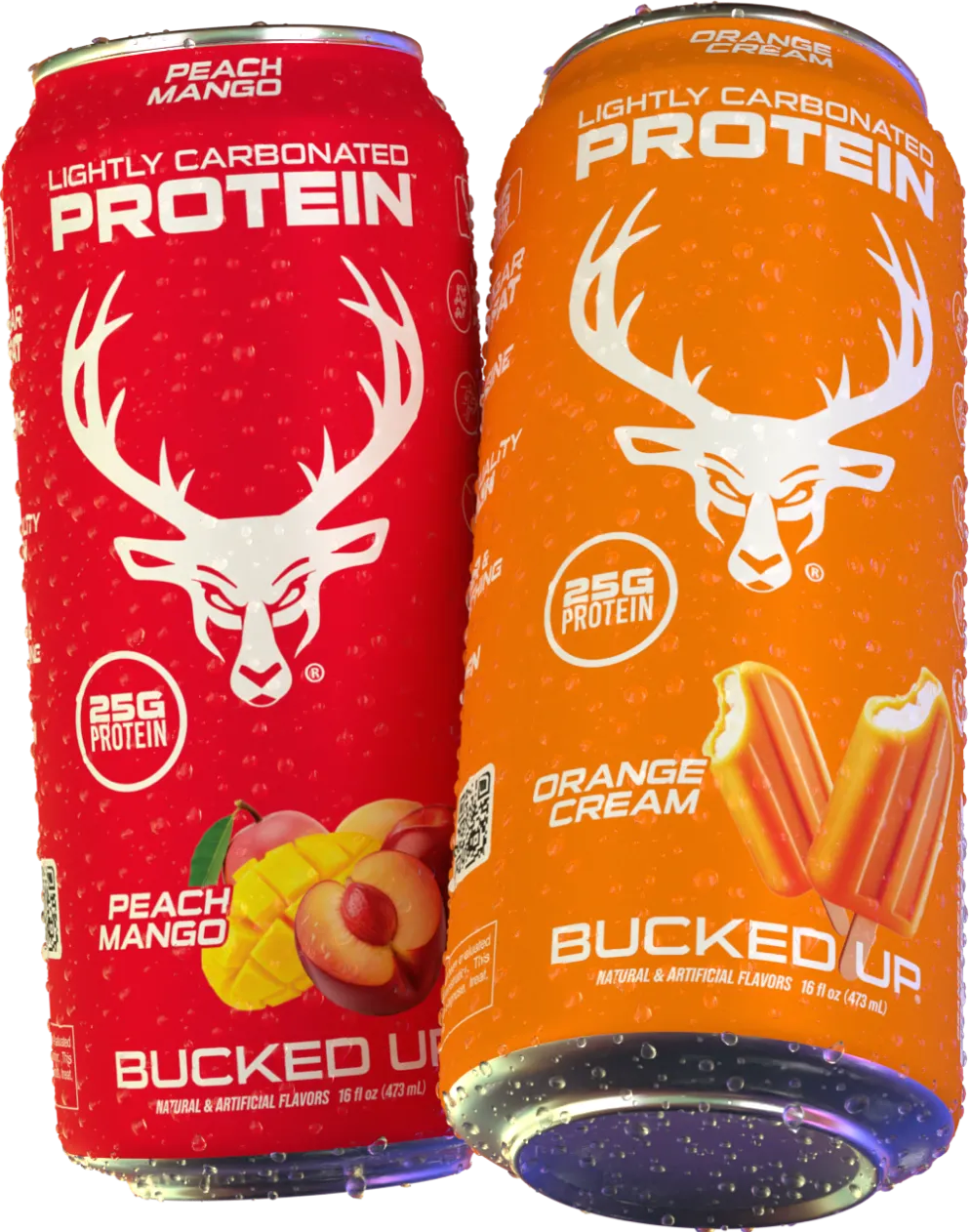
Bucked Up Protein Soda provides 25 grams of whey protein isolate in just 100 calories per can. The product uses whey protein isolate, as confirmed on the ingredient label. Some competing drinks can rely more on whey concentrates or add collagen, which changes the protein profile.
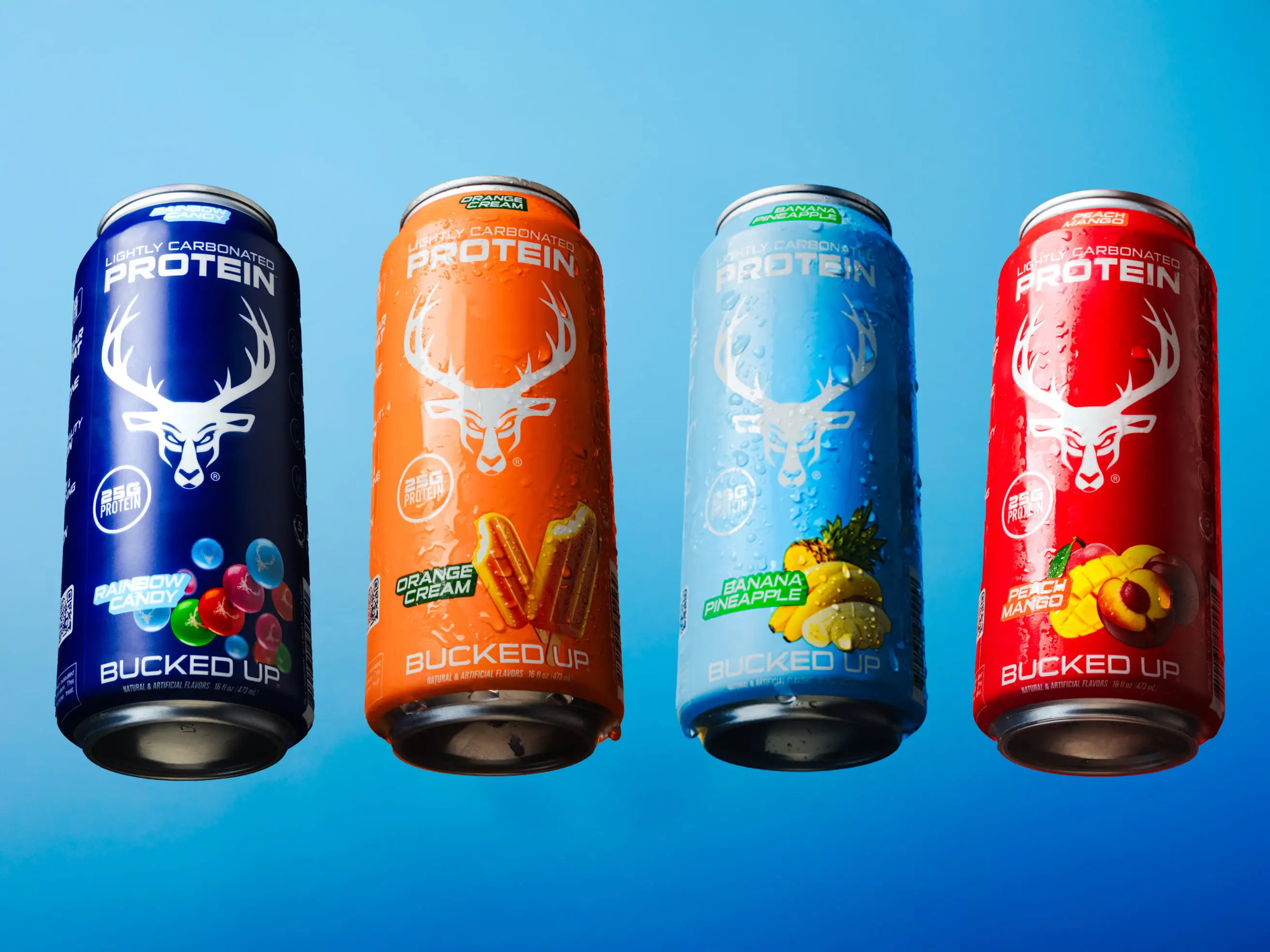
The caffeine-free formulation fits morning, afternoon, or evening use without affecting sleep. The zero sugar and zero carbohydrate profile works for ketogenic and low-carb approaches while still delivering a taste many people compare to popular energy drinks.
To see how these details compare with familiar protein drinks, review the breakdown of protein type, calories, and format below.
| Product | Protein (g)/Type | Calories | Format |
|---|---|---|---|
| Bucked Up Protein Soda | 25g/Whey Isolate | 100 | Clear/Carbonated |
| Premier Protein | 30g/Whey Concentrate+ | 160 | Milky/RTD |
| Muscle Milk | 25g/Whey Concentrate | ~160 | Creamy/RTD |
The manufacturing standards add another layer of reassurance. Bucked Up Protein Soda is produced in GMP-certified facilities in the United States, which supports consistent quality and safety. It is also available on Amazon for convenient ordering and delivery.
Solution in Action: GLP-1 Use, Weight Loss, and Recovery
Carbonated protein drinks fit into several real-world health and fitness situations. For weight loss, swapping a 300-calorie snack for a 100-calorie protein soda creates an immediate calorie reduction while still providing satisfying protein. Protein-fortified drinks help bridge nutritional gaps and deliver protein when appetite is diminished, which often occurs during aggressive dieting or medication-assisted weight loss.
GLP-1 users often face extra difficulty meeting protein needs because of reduced hunger and early fullness. Following the advisory’s 1.2 grams per kilogram recommendation mentioned earlier, a 154-pound individual needs roughly 84–112 grams of protein per day. That range becomes more realistic with 2–3 servings of carbonated protein drinks combined with protein-rich meals and snacks.
Protein timing also influences muscle recovery and long-term strength. Research suggests consuming 20 to 40 grams of protein per meal to counteract age-related muscle loss.1 A single can of carbonated protein fits neatly into this range, which makes it a convenient post-workout option that feels light instead of heavy after exercise.1
A 2025 joint advisory from major medical organizations recommends protein shakes and supplements for GLP-1 patients who cannot meet targets through food alone. The crisp, non-creamy nature of carbonated protein drinks can feel easier to tolerate for this group, especially when large meals feel overwhelming.
Find your flavor and start preserving muscle while losing weight with Bucked Up Protein Soda.1
Daily Use: Building a Simple Protein Routine
Many people can reach around 100 grams of daily protein with a straightforward plan. Two servings of Bucked Up Protein Soda provide 50 grams, and balanced meals with lean protein can supply the rest. This approach works well for people who struggle with large portions of meat or dairy at one sitting or who experience appetite swings.
Compared with traditional shakes, carbonated protein drinks offer a lighter experience. The clear, fizzy format removes the heavy, milky sensation that many people dislike. The carbonation can support feelings of fullness while avoiding the bloating that sometimes comes with thick, creamy shakes.1
Industry data shows that protein-based ready-to-drink beverages hold a meaningful share of the weight management beverage market, and clear protein formulations are growing quickly. This pattern reflects a shift toward more convenient, better-tasting protein options that fit busy schedules.
Frequently Asked Questions About Carbonated Protein Drinks
Are carbonated protein drinks healthy?
Carbonated protein drinks can be a healthy addition to your routine when they use high-quality protein and keep sugars low. The carbonation itself does not reduce protein absorption or harm digestion. These drinks offer an efficient way to raise daily protein intake, which supports muscle maintenance, satiety, and weight management.1 For the best options, look for whey protein isolate, zero added sugars, and limited artificial ingredients.
Can I drink protein shakes while on Zepbound or tirzepatide?
Protein drinks, including carbonated versions, often work well for people taking GLP-1 medications such as Zepbound or tirzepatide. These drugs can suppress appetite and make it hard to eat enough protein from whole foods alone. Many GLP-1 users benefit from a target of roughly 1.2–1.6 grams of protein per kilogram of body weight daily to help protect muscle during weight loss.1 Carbonated protein drinks provide a light, easy-to-digest option that tends to feel gentler than thick shakes when nausea or fullness is an issue.1
How do carbonated protein drinks compare to regular protein shakes?
Carbonated protein drinks differ from traditional shakes mainly in texture, taste, and calorie profile. The fizzy, clear format removes the heavy, creamy mouthfeel that some people dislike, which can make daily protein intake more enjoyable. Many carbonated options are also lower in calories while still offering similar protein content per serving. Traditional shakes may include more flavors or added nutrients such as vitamins and minerals, so the better fit depends on your taste, nutrition goals, and texture preferences.
Is it safe to drink carbonated protein drinks daily?
Daily use of carbonated protein drinks is generally considered safe for healthy adults when they are part of a balanced diet. These beverages provide a convenient way to meet protein goals without the cleanup that comes with powders. Current evidence suggests carbonation does not create health risks for most people and may even support hydration. Whole food protein sources should still play a major role, since they supply additional nutrients and fiber. Anyone with medical conditions should check with a healthcare professional before making big changes.
Do carbonated protein drinks help with weight loss?
Carbonated protein drinks can support weight loss when used thoughtfully. Their high protein content promotes fullness, which can reduce snacking and overall calorie intake. Protein also has a higher thermic effect than carbohydrates or fats, so the body uses more energy to digest it. Replacing higher-calorie snacks or sugary drinks with a lower-calorie protein soda can create a calorie deficit while helping preserve muscle during weight loss.1
Conclusion: Turning Protein Intake into a Refreshing Habit
Carbonated protein drinks offer a modern approach to protein supplementation that addresses taste, texture, and convenience problems common with traditional shakes. Current science supports their role in muscle maintenance and weight control when paired with a thoughtful diet and consistent exercise.1
People who struggle with thick shakes, digestive discomfort, or medication-related appetite changes can find a practical alternative in clear, fizzy protein drinks. The key is choosing products that use pure whey protein isolate, keep additives low, and provide enough protein per serving to move you toward your daily target.
Bucked Up Protein Soda fits these criteria by delivering 25 grams of whey isolate in a refreshing, low-calorie can that supports both muscle and weight goals.1 Try Bucked Up Protein Soda today and see how a carbonated protein routine can reshape your approach to muscle maintenance and weight management.
1 The content provided in this article is for informational purposes only and is not medical advice. Consult with a medical professional before implementing any changes to your diet, health, or exercise routines.
Individual results will vary and are based on a combination of each individual’s diet, exercise, age, and health circumstances.
These statements have not been evaluated by the Food and Drug Administration. This product is not intended to diagnose, treat, cure or prevent any disease.
This article was written by Ryan Gardner, CEO of Bucked Up. As the maker of Bucked Up Protein Soda, we have a financial interest in this information. The views expressed are our own and should be read with that context in mind.