Last updated: April 22, 2026
Key Takeaways
- Carbonated protein soda with whey isolate delivers fast-absorbing amino acids during the 30–60 minute post-workout recovery window.1
- Current research shows carbonation does not reduce protein absorption or slow gastric emptying when paired with quality protein.1
- Carbonated protein soda offers seven advantages over heavy shakes, including a lighter texture, grab-and-go convenience, low calories, and hydration support.
- This format fits strength training recovery especially well, while endurance sessions benefit from pairing protein soda with carbs and electrolytes.1
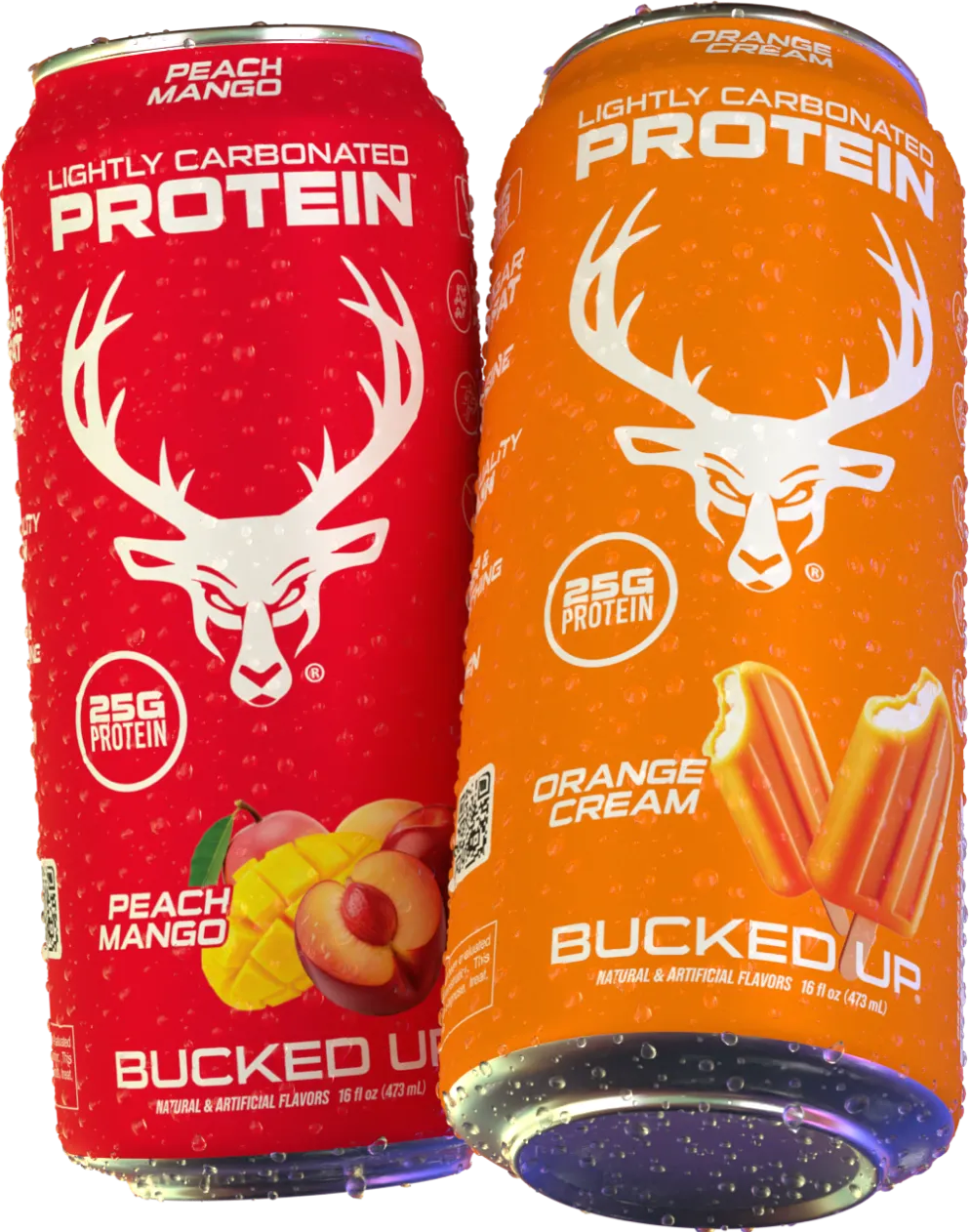
- Upgrade your routine with Bucked Up Protein Soda, which delivers 25g whey isolate in a zero-sugar, refreshing can.
How Protein Supports Post-Workout Recovery
Post-exercise muscle repair relies on protein delivering amino acids to stressed and damaged muscle fibers.1 Pharmacokinetic crossover studies show that whey protein isolate reaches peak essential amino acid blood levels rapidly after ingestion, helped by its low fat and low lactose content compared with concentrate forms. This fast rise in amino acids makes whey isolate a strong choice for post-workout recovery.1
The “golden hour” refers to the 30–60 minute window when muscles respond strongly to protein intake, although muscles remain sensitive to protein nutrients for several hours, with intake effective up to 5–6 hours post-workout. Consuming whey protein 30–60 minutes post-training provides the leucine trigger needed to kickstart muscle protein synthesis and recovery for muscle hypertrophy.1 This timing helps you take advantage of the early recovery window while still supporting longer-term repair.
A common misconception suggests carbonation interferes with protein absorption. However, recent research demonstrates that carbonation does not hinder gastric emptying or nutrient absorption when combined with high-quality protein sources like whey isolate.1 With this scientific foundation in place, carbonated protein sodas can offer several practical benefits for post-workout recovery.
7 Proven Benefits of Carbonated Protein Soda for Recovery
1. Rapid Whey Isolate Absorption
Whey protein isolate digests very fast, making it ideal for immediate post-workout consumption to maximize the anabolic response.1 This rapid digestion supports a quick rise in circulating amino acids during the early recovery window. A 25g serving provides an amount commonly used to trigger muscle-building pathways.1
2. Light Alternative to Heavy Shakes
Carbonated protein sodas remove the thick, milky texture that can feel heavy after training. The light, fizzy format feels refreshing instead of overly filling when your body needs quick nutrition. This lighter feel can make it easier to finish your full serving right after a workout.
3. Ready-to-Drink Convenience
Ready-to-drink cans eliminate mixing, measuring, and cleanup. Ready-to-drink protein shakes provide convenient, quick nutrient intake post-workout without blending or preparation, ideal for limited time compared to mixed shakes or meals. A carbonated protein soda fits easily into a gym bag or workday, so you can drink it as soon as your session ends.
4. Low-Calorie Protein Support
Protein sodas often provide substantial protein with relatively few calories. Check the nutrition label to confirm protein and calorie content that match your goals, such as supporting lean muscle while limiting extra calories from added sugars or fats. This profile can help you increase protein intake without significantly raising daily energy intake.
5. Flavor That Encourages Consistent Use
The energy drink-style flavor profile can make daily protein intake feel more enjoyable. A taste you look forward to supports consistent use, which helps you hit protein targets more reliably. This consistency matters more over time than any single serving.
6. Caffeine-Free Flexibility
Many protein sodas come without caffeine, so you can drink them morning, afternoon, or evening. A caffeine-free formula avoids stimulant-related side effects and reduces the risk of sleep disruption. This flexibility makes it easier to fit protein into your schedule whenever you train.
7. Added Hydration Support
The liquid format contributes to your daily fluid intake while delivering protein. This combination supports both rehydration and recovery after training.1 You still need water and electrolytes, but a protein soda can count toward your overall fluid goal.
When Protein Soda Works Best and What to Add
Protein sodas typically lack the carbohydrates and electrolytes needed for complete recovery after intense or long sessions. Experts recommend post-workout recovery drinks containing carbohydrates and protein in a 2:1 to 4:1 ratio to replenish muscle glycogen stores and repair exercise-induced tissue damage. Pair your protein soda with a banana, rice cakes, or an electrolyte supplement to build a more complete recovery stack.
Carbonated beverages may cause mild bloating in sensitive individuals, although this appears uncommon with properly formulated protein sodas.1 Beyond potential digestive considerations, the protein-only format shapes ideal use cases. This style works especially well after strength training sessions, while high-volume endurance workouts often require additional carbohydrate-focused recovery drinks.1
The same light, protein-focused profile can help people using GLP-1 medications or anyone with a reduced appetite. Protein sodas provide a way to meet protein targets without feeling overly full. This approach supports muscle maintenance while keeping meals and snacks more comfortable.1
Protein Soda vs Traditional Shakes: Recovery Comparison
| Product | Protein Type | Calories | Texture |
|---|---|---|---|
| Bucked Up Protein Soda | 100% Whey Isolate | 100 | Carbonated Clear |
| Premier Protein Shake | Whey Concentrate Blend | 160 | Milky |
| Muscle Milk | Milk Protein Concentrate | Varies | Thick Milky |
| Fairlife Core Power | Milk Protein Isolate | 170 | Milky |
Why Bucked Up Protein Soda Fits Post-Workout Needs
Bucked Up Protein Soda delivers 25g of 100% whey protein isolate in a lightly carbonated, 100-calorie can. Whey protein isolate, due to its minimal fat and lactose content, reaches peak essential amino acid blood levels faster than whey protein concentrate. This rapid absorption profile supports early recovery after training.1
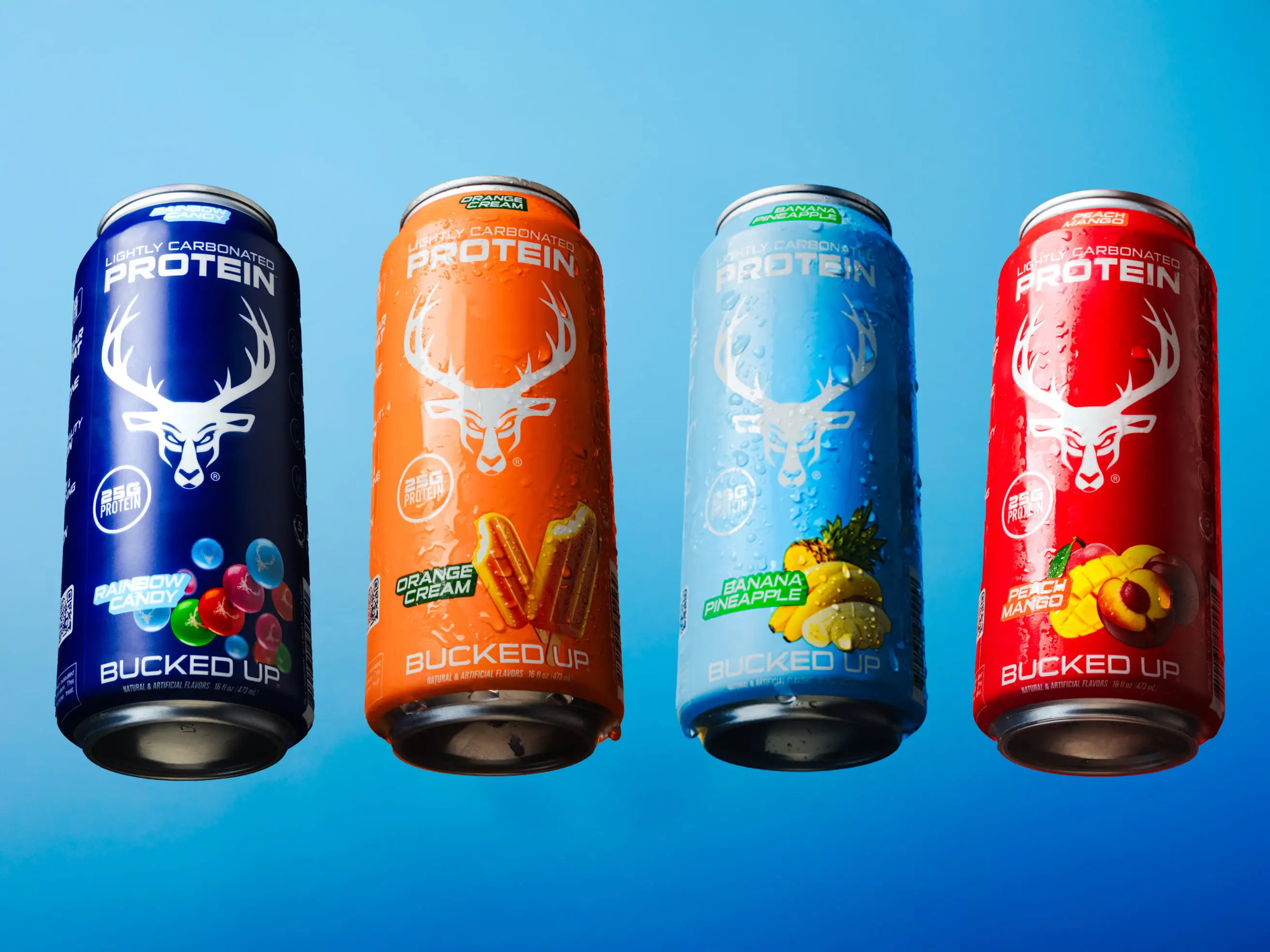
The product is manufactured in GMP-certified USA facilities and contains zero sugar and zero carbs, which can align with keto and low-carb lifestyles. For GLP-1 users, protein intake of 1.2–1.6 grams per kilogram of body weight per day helps prevent muscle loss, and protein sodas provide a simple way to work toward these targets.1 You can convert this guideline to lbs by multiplying your body weight in lbs by 0.54–0.73 to estimate daily grams of protein.
The clear, carbonated format removes the texture issues many people experience with traditional protein shakes. This smoother drinking experience can make it easier to stay consistent with post-workout protein.
Shop now to test how a carbonated protein option fits into your post-workout routine.
Practical Timing Tips and Pairing Ideas
Drink your protein soda within about 30 minutes after finishing your workout to support early recovery.1 For more complete recovery, especially after endurance training, pair it with carbohydrates like a banana and electrolytes to support glycogen replenishment alongside protein intake. This combination covers both energy stores and muscle repair.
People using GLP-1 medications can drink protein sodas between meals to maintain protein intake without feeling overly full. The light, carbonated format can make daily protein goals more manageable when large solid meals feel uncomfortable.
Finish Strong with Bucked Up Protein Soda
Shop Bucked Up Protein Soda now for a fizzy recovery option that delivers 25g of whey isolate in a refreshing, convenient can. This format supports your muscle-building goals while avoiding the heaviness of many traditional shakes.
Frequently Asked Questions
Does carbonation affect protein absorption?
Current evidence indicates that carbonation does not interfere with protein absorption or gastric emptying. The carbonated format provides a refreshing alternative to traditional shakes while maintaining the nutritional benefits of whey protein isolate for recovery and muscle growth.1
How does protein soda compare to traditional shakes for recovery?
Protein sodas offer a lighter, more refreshing alternative that many people find easier to drink right after training. They provide high-quality protein in a clear, ready-to-drink format instead of a thick, milky shake. This difference in texture and taste can improve consistency with post-workout protein intake.
Is Bucked Up Protein Soda effective for post-workout recovery?
Bucked Up Protein Soda contains 25g of whey protein isolate, an amount commonly used to support muscle-building pathways.1 The fast-absorbing protein profile makes it a practical option for post-workout recovery, especially when consumed within about 30–60 minutes after exercise.1
Is it safe to drink protein soda daily after workouts?
Protein sodas can be safe for daily use as part of a balanced diet, assuming you do not exceed your overall protein needs and have no contraindications from a healthcare provider. They offer a convenient way to help meet daily protein requirements without large amounts of extra calories, which can suit athletes, regular exercisers, and people looking to increase protein intake.
Are protein sodas good for people on GLP-1 medications?
Protein sodas can be helpful for GLP-1 users who experience reduced appetite or difficulty finishing solid meals. The light, liquid format makes it easier to maintain adequate protein intake for muscle preservation while working toward weight management goals.1 This approach supports nutrition without creating an uncomfortably full feeling.
1 The content provided in this article is for informational purposes only and is not medical advice. Consult with a medical professional before implementing any changes to your diet, health, or exercise routines.
Individual results will vary and are based on a combination of each individual’s diet, exercise, age, and health circumstances.
These statements have not been evaluated by the Food and Drug Administration. This product is not intended to diagnose, treat, cure or prevent any disease.
This article was written by Ryan Gardner, CEO of Bucked Up. As the maker of Bucked Up Protein Soda, we have a financial interest in this information. The views expressed are our own and should be read with that context in mind.