Last updated: April 22, 2026
Key Takeaways: Carbonated Protein for GLP-1 and Weight Loss
- Carbonation in protein drinks can reduce appetite by roughly 10–20% through stomach stretching from CO2 gas expansion, which strengthens fullness signals.1
- Protein triggers the highest GLP-1 release among macronutrients, so pairing it with carbonation creates a powerful, layered satiety effect during weight loss.1
- GLP-1 users face up to 39% muscle loss from low protein intake; carbonated protein drinks make it easier to hit protein targets when appetite drops.
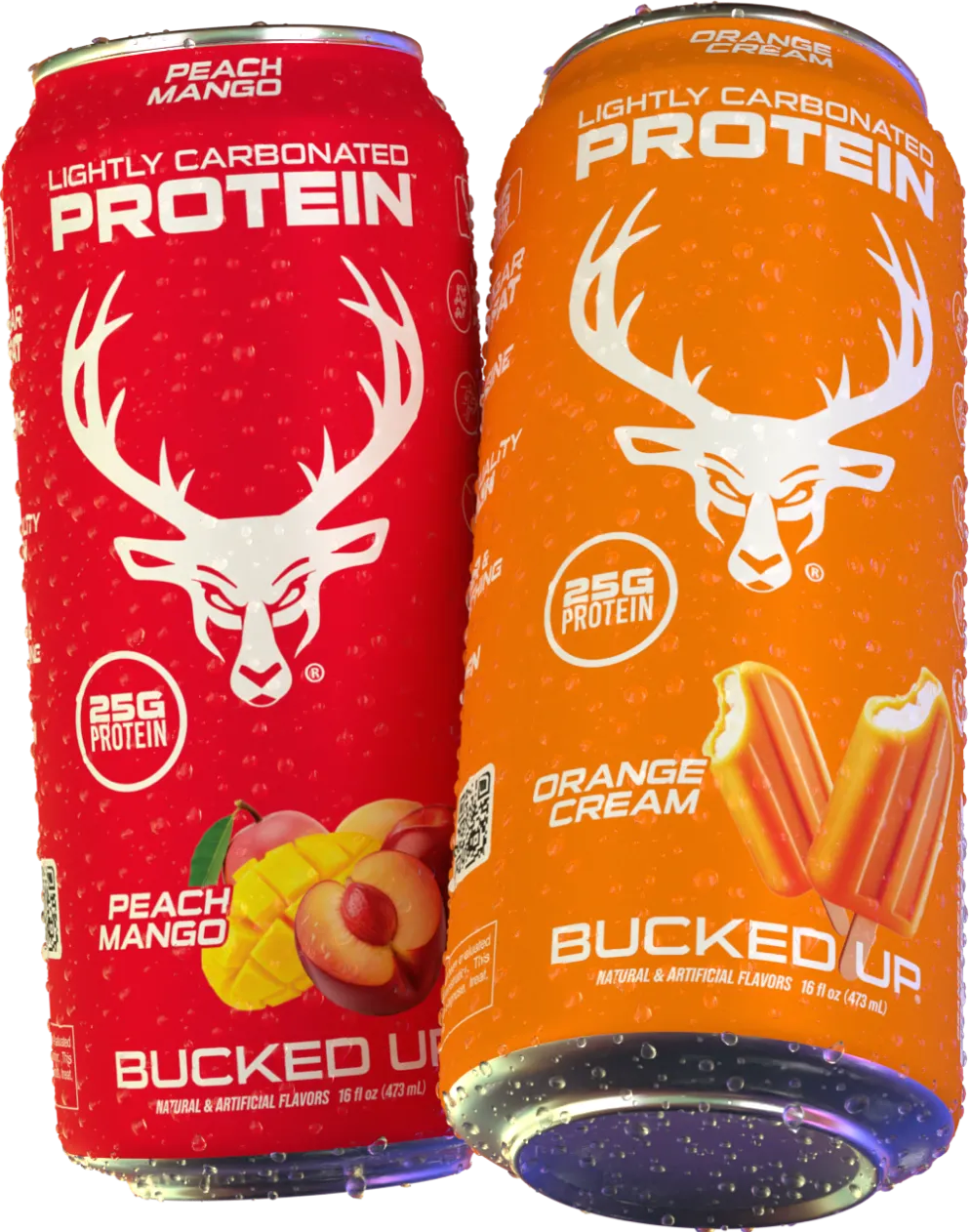
- Bucked Up Protein Soda provides 25g whey isolate in a zero-sugar, zero-carb, caffeine-free drink that feels light and crisp instead of thick and milky.
- Using Bucked Up Carbonated Protein Soda daily can support fullness, muscle protection, and GLP-1 weight loss protocols.1
The Problem: Low Protein Intake and Muscle Loss on GLP-1 Medications
Weight management becomes risky when appetite suppression leads to very low protein intake. Up to 39% of weight lost on semaglutide can be lean body mass, higher than typically seen with diet and exercise alone. Reduced appetite makes it tough to eat enough protein from regular meals.
Traditional protein shakes often make this worse. Their heavy, creamy texture can feel like too much when appetite is already low. Up to 76% of GLP-1 consumers experience gastric discomfort such as stomach pain, nausea, constipation, and loss of appetite, so thick shakes can feel especially unappealing.
This combination creates a dangerous cycle. Medications reduce appetite to support weight loss, yet low protein intake increases the risk of muscle loss. People need protein delivery methods that match suppressed appetite and sensitive digestion instead of fighting against them. The answer often comes from pairing protein’s natural satiety effects with carbonation’s physical fullness signals.
How Carbonation Plus Protein Supports Appetite Control
Carbonation can strengthen appetite control through several mechanisms that work alongside protein’s natural fullness effects.1 Carbonated beverages introduce dissolved carbon dioxide gas that becomes trapped in the stomach, causing abdominal distension and resulting in feelings of fullness and bloating.
The appetite control effects follow three main pathways.
1. Gas Expansion Effect: Carbon dioxide gas expands in the warmer stomach environment, leading to gas build-up and gentle stretching that enhances feelings of fullness.1 This physical distension can trigger earlier satiety signals and reduce food intake.
2. Protein Synergy: High-protein consumption induces the highest GLP-1 release in healthy adults compared to high-carbohydrate or high-fat meals. When combined with carbonation’s physical effects, this hormonal response can create a stronger and more sustained sense of fullness.1
3. Low-Calorie Advantage: Carbonated protein drinks can deliver meaningful protein with relatively few calories. This supports weight management while helping preserve muscle mass.1
Individual responses still matter. Multiple human studies conclude that carbonated water enhances feelings of satiety, while a limited rat study suggested correlations with higher ghrelin levels, though this has not been widely replicated in human studies. Personal testing helps determine how carbonation feels for each person.
Carbonation and GLP-1: Easier Protein Intake with Less Appetite
Carbonation’s appetite-suppressing effects can fit naturally into GLP-1 medication protocols and weight management plans.1 The fizz makes drinking 25g of protein feel easier when solid foods seem heavy or unappealing.
For people using medications like Wegovy or Ozempic, carbonated protein drinks offer practical support. Protein-fortified functional beverages provide an easy way to deliver protein when appetite is diminished in GLP-1 users. A light, crisp drink can feel more manageable than a thick shake when nausea or fullness is already present.
Many users aim for 1–2 carbonated protein drinks per day to help reach 100g or more of total daily protein. This pattern supports muscle preservation while aligning with medication-driven appetite changes. The carbonation offers quick fullness feedback, which can help people feel satisfied with reasonable portions while still meeting protein needs for muscle maintenance.
Try carbonated protein soda to support your GLP-1 protocol with easy-to-consume protein.
Why Bucked Up Protein Soda Supports Fullness and Muscle
Bucked Up Protein Soda brings a modern approach to carbonated protein delivery. It is designed to support appetite control while providing high-quality protein.1 This lightly carbonated drink delivers 25g of 100% whey protein isolate in a clear, non-milky format with a flavor profile similar to an energy drink.
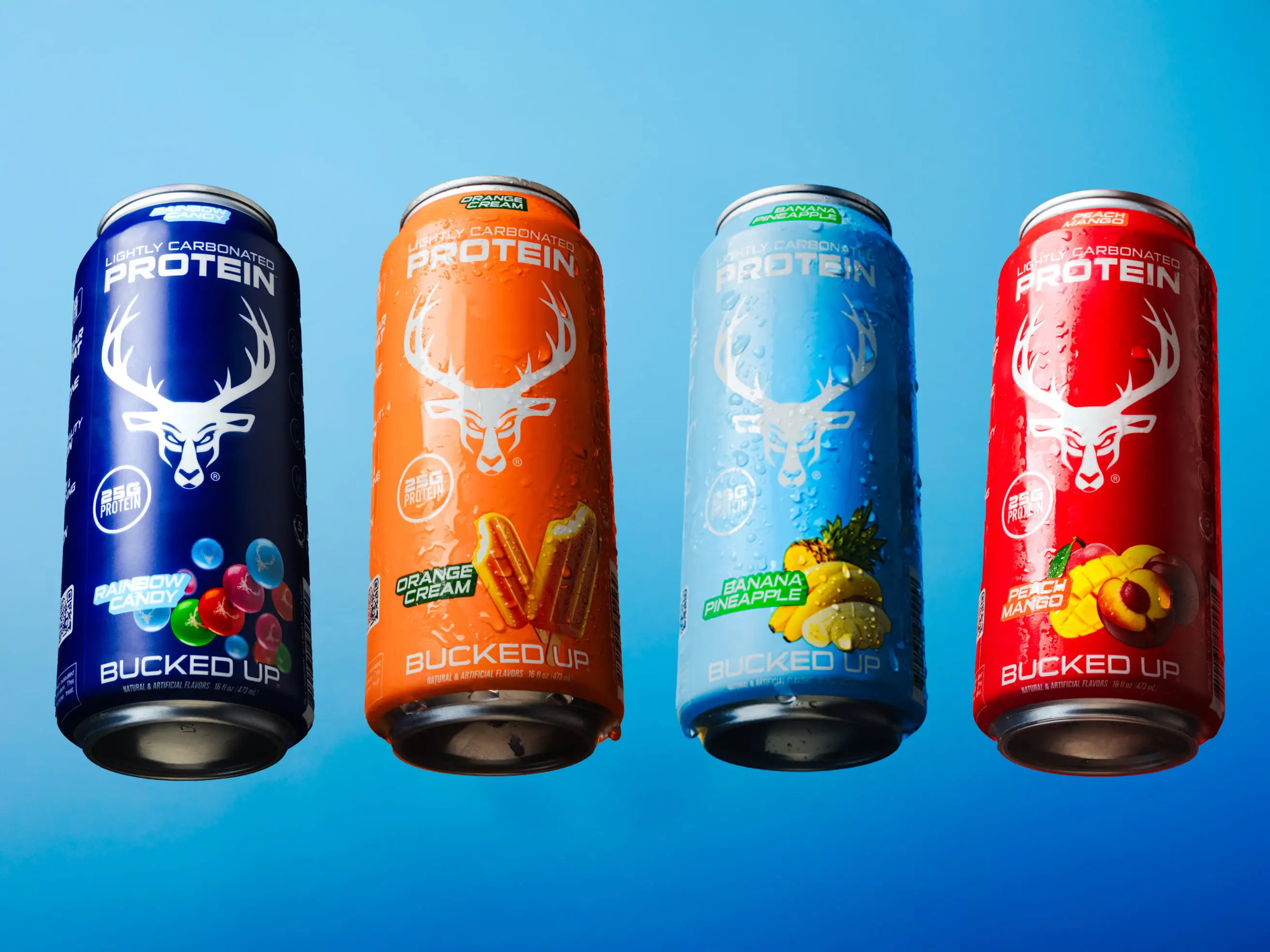
Several features work together to support satiety and muscle maintenance.
Superior Protein Quality: Bucked Up uses only whey protein isolate, which goes through more filtration than whey concentrate. This process increases protein purity and supports faster absorption, which helps muscle maintenance without the heaviness some people feel with concentrate-based shakes.1
Calorie-Conscious Profile: Each can contains about 100 calories with zero sugar and zero carbs. This structure delivers a full 25g of protein without adding many extra calories that could slow fat loss efforts.
Light, Refreshing Experience: The clear, carbonated format and energy drink-like taste can make daily protein intake feel more like a regular beverage and less like a thick meal replacement.
Caffeine-Free Flexibility: Bucked Up Protein Soda contains no caffeine, so people can drink it morning, afternoon, or evening without worrying about sleep disruption or stimulant side effects.
Some ready-to-drink competitors, such as Premier Protein or Muscle Milk, can use whey concentrate blends or add collagen to increase labeled protein content. Bucked Up’s pure isolate formula focuses on a complete amino acid profile for muscle maintenance. The clear, carbonated style also avoids the heavy mouthfeel that can make traditional shakes hard to finish consistently.
Real-World Ways to Use Carbonated Protein for Weight Loss
Strategic use of carbonated protein drinks can increase their appetite-suppressing benefits while supporting weight loss.1 These protocols use carbonation’s satiety effects at times when appetite control often feels hardest.
1. Post-Workout Recovery and Satiety: Drink one can within about 30 minutes after exercise. This timing supports muscle recovery with fast-digesting protein.1 The carbonation can also provide quick fullness feedback, which may reduce the urge to overeat after training.
2. GLP-1 Midday Support: Use a can as a midday meal replacement or snack when solid food feels like too much. The light format works with medication-related appetite suppression and can help maintain protein intake without adding digestive strain.
3. Hunger Tracking Method: Compare appetite levels about 30 minutes after drinking carbonated protein versus a flat protein shake. Notice how long fullness lasts and how easy each option is to finish.
Concerns about carbonation harming protein absorption do not match current evidence. Whey protein isolate keeps its bioavailability with or without carbonation. Faster gastric transit may even support timely delivery of amino acids.1 Zero-carb, zero-sugar formulations also fit ketogenic diets and GLP-1 protocols.
Potential Drawbacks and How to Fine-Tune Intake
Carbonated protein drinks offer clear advantages, yet a few limitations deserve attention. Some people experience mild bloating from carbonation, especially when they drink several cans quickly. Starting with one can per day and increasing slowly allows the digestive system to adjust.
Scientific evidence on sparkling water’s impact on satiety shows individual variability, with some studies supporting increased fullness while others indicate complexity in appetite regulation. Tracking personal responses helps each person find the right amount and timing.
Pairing carbonated protein drinks with fiber-rich foods, such as vegetables or high-fiber snacks, can extend fullness and may reduce any potential rebound in hunger hormones. This combination supports steadier appetite control and comfortable digestion.
Conclusion: Fizz-Powered Fullness for Protein and Muscle Support
Carbonated protein drinks offer a science-backed way to support appetite reduction. They combine physical stomach stretching from carbonation with protein’s strong satiety and muscle-preserving effects.1 For people focused on weight loss, especially those using GLP-1 medications, this pairing can help maintain adequate protein intake while working with a reduced appetite.
Bucked Up Protein Soda provides 25g whey protein isolate in a light, carbonated drink that supports both fullness and muscle protection.1 Start your fizz-powered fullness journey with carbonated protein soda today.
Frequently Asked Questions
Does Bucked Up’s carbonation affect protein absorption?
Carbonation does not appear to impair protein absorption. Bucked Up uses 100% whey protein isolate, which maintains its bioavailability in carbonated and non-carbonated forms. The isolate is processed for rapid absorption, and the lighter feel in the stomach may help some people tolerate it better than thicker shakes.1
Is carbonated protein suitable for people on Wegovy or other GLP-1 medications?
Carbonated protein drinks can work well for many GLP-1 users. The light, refreshing format aligns with medication-related appetite suppression, which can make it easier to reach protein goals when solid foods feel heavy. The 25g of high-quality protein in each can supports lean muscle, which helps address the significant muscle loss risk mentioned earlier.1
How much Bucked Up Protein Soda should I drink daily?
Many people find that 1–2 cans per day, or 25–50g of protein, fits well within their daily targets. This range supports muscle maintenance without adding many calories.1 Starting with one can allows you to gauge your response to carbonation, then you can adjust based on total protein needs and appetite.
How does the taste compare to other protein drinks?
Bucked Up Protein Soda tastes more like a flavored energy drink than a traditional protein shake. The clear, carbonated format avoids the chalky or milky texture common with many protein beverages. This lighter mouthfeel can make daily protein intake feel easier and more enjoyable.
Is it safe to drink carbonated protein every day?
Daily use is safe for most healthy adults. Bucked Up products are manufactured in GMP-certified facilities in the USA to support quality and safety. The caffeine-free formula suits any time of day, and the pure whey isolate provides complete amino acids without relying on artificial stimulants.
1 The content provided in this article is for informational purposes only and is not medical advice. Consult with a medical professional before implementing any changes to your diet, health, or exercise routines.
Individual results will vary and are based on a combination of each individual’s diet, exercise, age, and health circumstances.
These statements have not been evaluated by the Food and Drug Administration. This product is not intended to diagnose, treat, cure or prevent any disease.
This article was written by Ryan Gardner, CEO of Bucked Up. As the maker of Bucked Up Protein Soda, we have a financial interest in this information. The views expressed are our own and should be read with that context in mind.