Last updated: March 1, 2026
Key Takeaways
- Protein sodas support muscle recovery and weight management when they use whey protein isolate for fast absorption and high purity.
- Liquid protein formats like sodas deliver amino acids 20–30% faster than solid proteins, with peak levels in 30–60 minutes.
- Protein sodas work well after workouts, for GLP-1 users, and for busy professionals who need convenient, low-calorie protein with strong satiety.
- Whey isolate reduces common GI side effects, supports 1–2 servings per day, and fits keto and paleo diets better than concentrates.
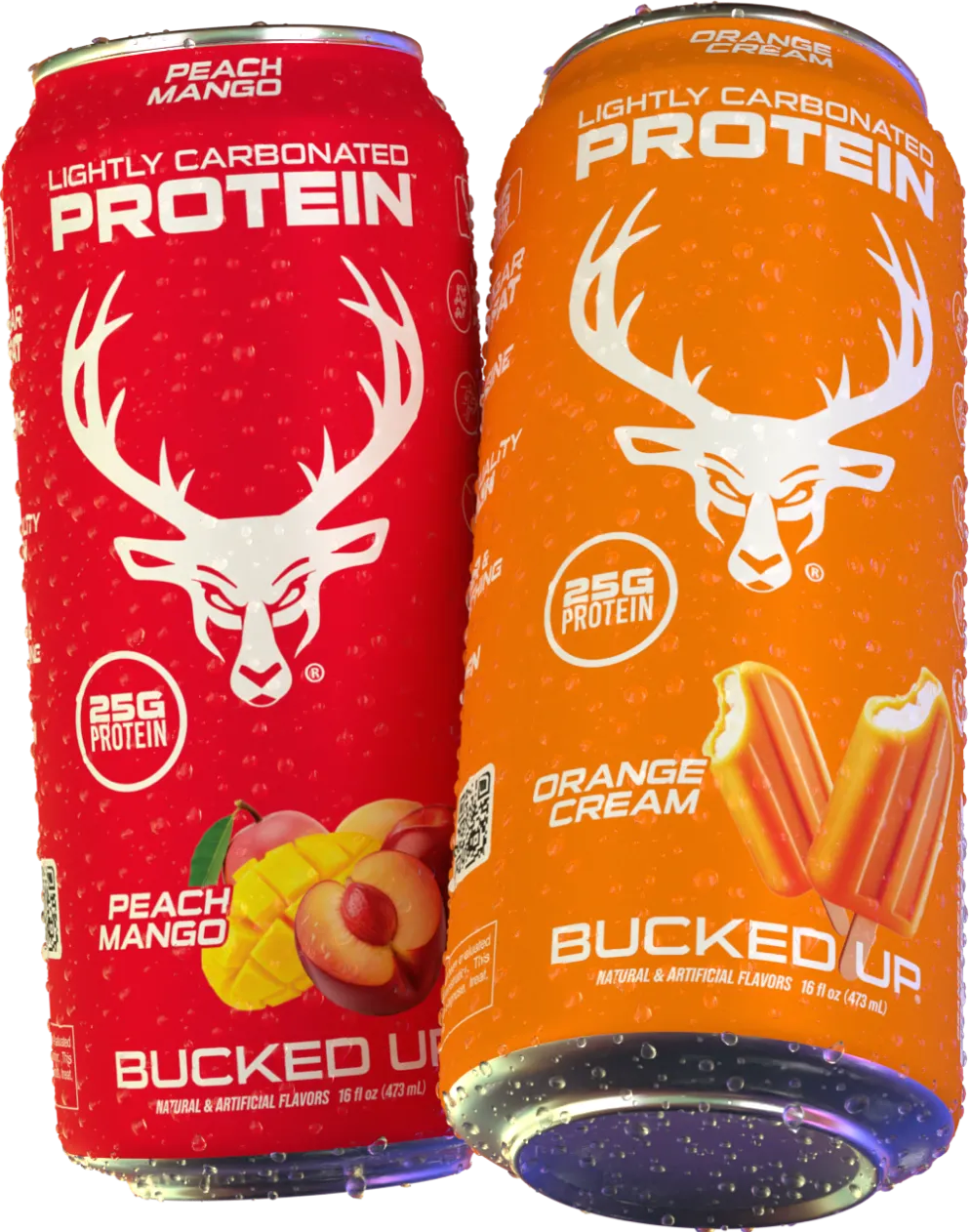
- Bucked Up Protein Soda features 25 g whey isolate, zero sugar, and a carbonated, refreshing taste. Shop now for dietitian-recommended results.
Dietitian Perspective on Protein Soda Pros and Cons
Pros of Protein Sodas:
- Ready-to-drink cans remove mixing, blending, and cleanup time compared to traditional protein powders.
- Liquid protein absorbs quickly, which speeds amino acid delivery to your muscles.
- Low-calorie servings, usually 100–120 calories, support fat loss and weight maintenance goals.
- About 25 g of protein per can helps you feel full and satisfied between meals.
- Refreshing carbonation improves taste and makes it easier to stick with daily protein targets.
Cons to Consider:
- Protein sodas do not provide the vitamins, minerals, and fiber found in whole food protein sources.
- Some brands rely on artificial sweeteners, colors, or preservatives, which vary in quality.
- Cost per gram of protein often runs higher than traditional powder-based shakes.
5 Factors That Make a Protein Soda Effective:
- Protein absorption rate and overall bioavailability
- Protein quality, especially whey isolate versus concentrate
- Total calories and the balance of protein, carbs, and fat
- Digestibility, including lactose content and GI tolerance
- Taste, carbonation level, and how easy it is to drink daily
Why Whey Isolate Protein Sodas Work So Well
The protein source drives how effective a protein soda will be. Whey protein isolate goes through extra filtration that removes most lactose, fat, and carbohydrates. This process creates a powder that is about 90–95% pure protein by weight.
That higher purity supports digestion and absorption that run about 20–30% faster than whey concentrate. Whey concentrate usually contains only 70–80% protein, with more residual carbs and fat.
How Liquid Protein Absorption Compares to Solid Protein
Liquid protein formats give your body a clear advantage for rapid nutrient delivery. Solid proteins require more chewing and longer gastric breakdown before absorption starts. Liquid proteins begin moving through the stomach quickly and start absorption soon after you drink them.
Peak blood amino acid levels usually appear within 30–60 minutes after drinking liquid whey isolate. Solid protein sources often peak closer to 90–120 minutes. Faster peaks support timely muscle repair after training and help control hunger between meals.
Carbonation does not reduce protein bioavailability. The mild acidity from carbonation can even improve protein solubility and help maintain amino acid stability during storage. As a result, carbonated protein sodas perform as well as still liquid protein drinks for muscle protein synthesis.
When Protein Sodas Fit Best Into Your Routine
Post-Workout Recovery: The early post-workout period benefits from fast-digesting whey isolate. Protein sodas deliver amino acids more quickly than many traditional shakes and also provide light, refreshing hydration after intense training sessions.
Protein Sodas for People Using GLP-1 Medications
People using GLP-1 medications such as Ozempic often struggle with low appetite and difficulty eating larger solid meals. Protein sodas help protect lean muscle during weight loss by supplying concentrated protein in a light format. The carbonated, clear liquid usually feels easier to tolerate when heavier foods are unappealing.
This approach supports the commonly recommended 1.2–1.6 g of protein per kilogram of body weight for muscle preservation. Consistent intake matters more than large single servings, and protein sodas make that consistency realistic.
Support for Busy Professionals: Ready-to-drink protein sodas make between-meal protein almost effortless. A mid-afternoon can can curb cravings, extend satiety, and support metabolic health without any prep or cleanup.
Top Protein Sodas Compared (2026 Update)
|
Product |
Protein Type/Amount |
Calories |
Key Features |
|
Bucked Up Protein Soda |
25g Whey Isolate |
100 |
Carbonated, caffeine-free, zero sugar |
|
Premier Protein |
30g Protein Blend |
160 |
Still liquid, milk-based, higher calories |
|
Fairlife Core Power |
26g Milk Protein |
170 |
Lactose-filtered, still format, heavier |
|
Muscle Milk |
25g Mixed Proteins |
190 |
Concentrate blend, higher fat content |
Winner: Bucked Up Protein Soda earns my top recommendation because of its whey isolate formula, low 100-calorie profile, and carbonated delivery. The caffeine-free design keeps it suitable at any time of day, including evenings. The flavor profile feels closer to an energy drink than a chalky shake, which supports long-term consistency.
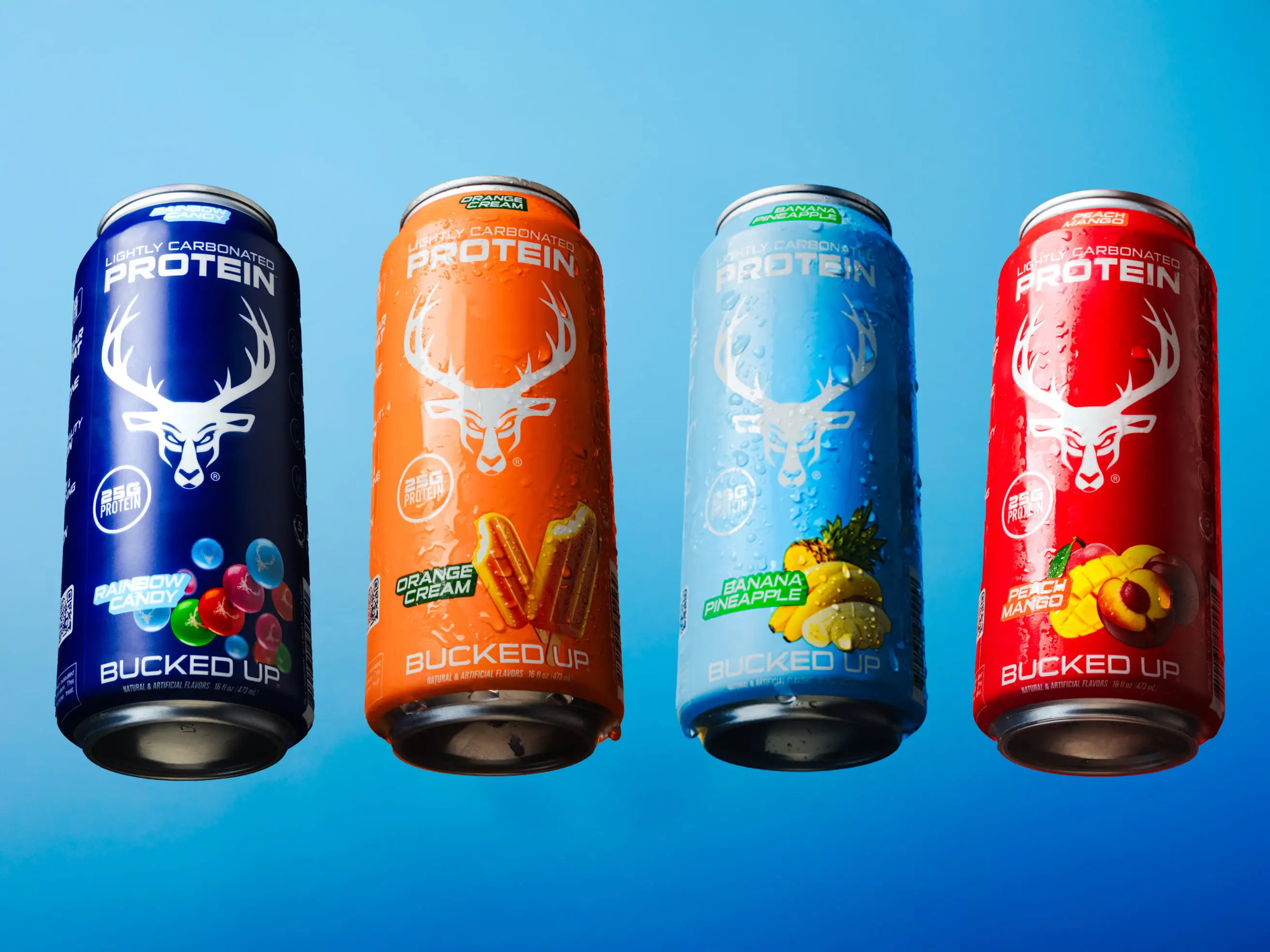
Bucked Up clearly focuses on 100% whey isolate instead of padding the label with cheaper proteins or collagen. That choice supports stronger muscle protein synthesis than many concentrate-based alternatives. Customer testimonials frequently highlight the crisp taste and the lack of the heavy, milky aftertaste found in many competitors.
This commitment to isolate-only protein gives Bucked Up a clear performance edge. You get high-quality protein, clean macros, and a format that people actually enjoy drinking. Shop now to experience that difference in your own routine.
Daily Safety, Side Effects, and How Much to Drink
Whey protein isolate usually causes fewer digestive issues because most lactose is removed during processing. Many people can comfortably drink one to two protein sodas per day as part of a balanced eating plan. The low carbohydrate content also fits ketogenic and paleo styles of eating.
Side effects tend to stay mild when you choose high-quality isolate-based products. Some people may notice slight bloating if they drink several cans quickly. This reaction appears less often than with concentrate-based shakes, which contain more lactose and fat.
Whole food protein should still form the base of your diet, and protein sodas should fill in the gaps. Regular use can help you reach about 0.8–1.2 g of protein per kilogram of body weight for general health. Active individuals often benefit from 1.6–2.2 g per kilogram, which becomes easier to hit with convenient drinks.
Frequently Asked Questions
Are protein sodas good for you?
Protein sodas can support your health when they use high-quality ingredients such as whey protein isolate. These drinks provide convenient, fast-absorbing protein that helps maintain muscle, improves satiety, and supports weight management. The most helpful options keep artificial additives low and rely on strong protein sources.
Bucked Up Protein Soda fits these standards with its clean whey isolate formula and zero sugar content. It offers a practical way to increase protein without adding unnecessary calories or fillers.
Are protein sodas good for weight loss?
Protein sodas can support weight loss by increasing fullness, boosting calorie burn slightly, and protecting lean muscle during a calorie deficit. High protein intake helps you feel satisfied on fewer calories and reduces the urge to snack.
At only 100 calories per serving, Bucked Up Protein Soda delivers meaningful protein without a heavy calorie load. The grab-and-go format also helps you stay consistent with protein intake during busy days, which often derail weight loss efforts.
What are liquid protein side effects?
Liquid protein usually causes few side effects, especially when it comes from whey isolate. A small number of people may feel mild digestive discomfort if they drink large amounts quickly. Whey isolate reduces lactose-related symptoms compared to concentrate proteins, which contain more residual sugar.
Starting with one serving per day gives your digestive system time to adjust. Reputable products like Bucked Up go through quality testing that helps limit unwanted reactions and ensures label accuracy.
What high protein drinks do dietitians recommend?
Dietitians tend to recommend protein drinks that offer complete amino acid profiles, minimal unnecessary processing, and clear labeling. Whey protein isolate often ranks at the top for bioavailability and support of muscle protein synthesis.
I recommend Bucked Up Protein Soda because it uses whey isolate, keeps calories low, and offers a carbonated format that people enjoy drinking. That combination increases the odds that you will actually meet your daily protein goals.
What do dietitians look for in high protein drinks?
Professional guidance usually centers on protein quality rather than just total grams. Dietitians look for whey protein isolate instead of concentrates or vague protein blends. They also check for low added sugar, limited artificial fillers, and transparent ingredient lists.
The ideal protein drink provides about 20–30 g of complete protein with modest calories and easy digestion. Bucked Up Protein Soda matches these standards with its isolate-only formula, 25 g of protein, and light, refreshing taste.
Protein sodas can play a valuable role in convenient, high-quality nutrition when they use strong ingredients and smart formulations. Bucked Up Protein Soda remains my top pick for people who want whey isolate in a crisp, low-calorie drink that supports muscle recovery, weight management, and daily protein targets. Shop now to see how a well-formulated protein soda can fit into your routine.