Last updated: April 22, 2026
Key Takeaways
- Traditional protein shakes and sodas often cause bloating and diarrhea because of lactose, artificial additives, and emulsifiers.
- Recent tests show 47% of protein powders exceed safety thresholds for heavy metals like lead, cadmium, and arsenic, with plant-based options carrying higher risk.
- Excessive protein from shakes can strain kidneys and liver; many healthy adults do better staying near 120–130g of total protein per day.
- Protein drinks can drive unwanted weight gain through hidden calories and by crowding out nutrient-dense whole foods.
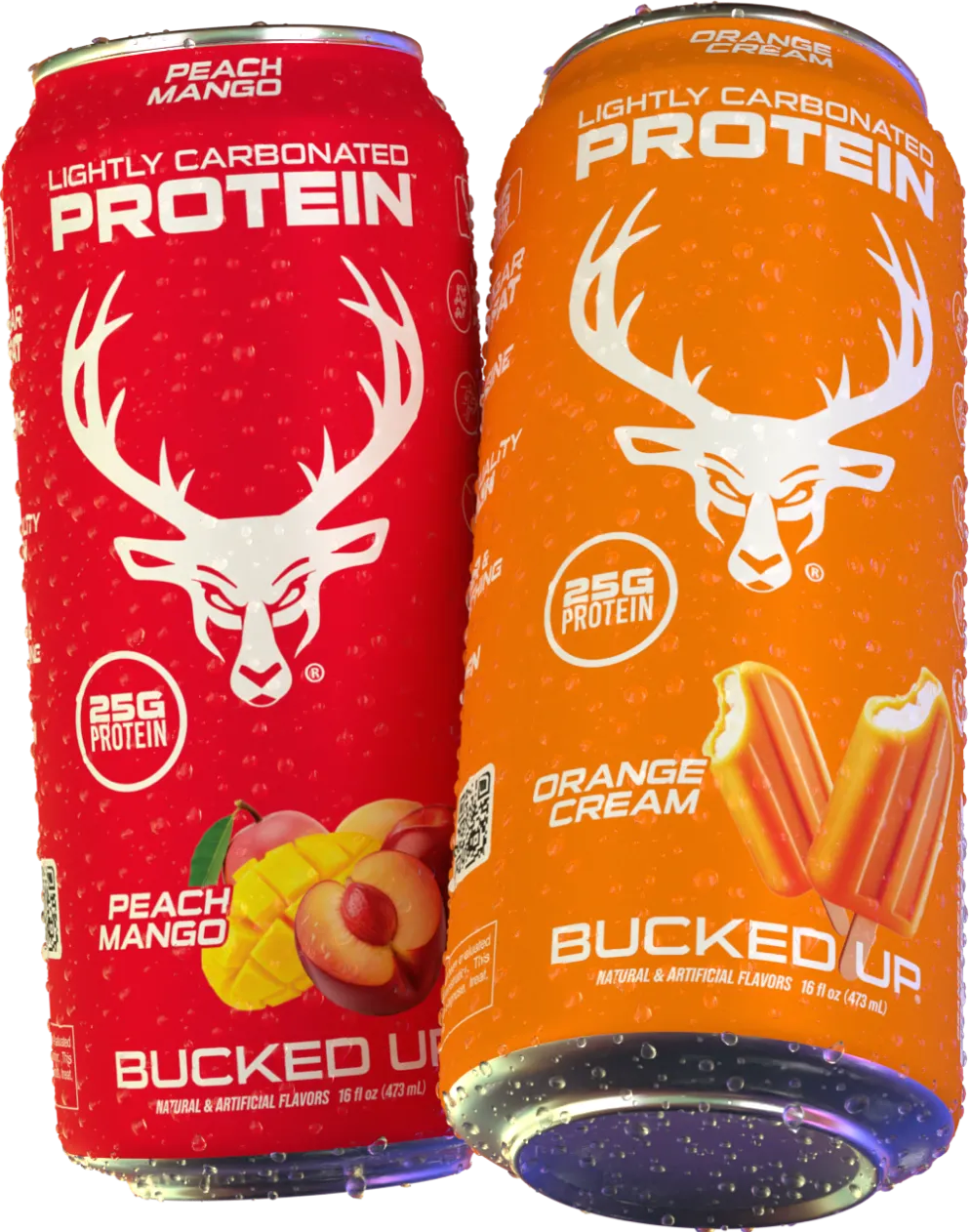
- Bucked Up’s carbonated protein soda provides 25g whey isolate in 100 calories, creating a more digestible, lower-risk alternative to heavy shakes.1
The Problem: 7 Specific Downsides of Protein Sodas and Shakes
1. Digestive Issues and Bloating
Traditional protein shakes often trigger what experts call “protein shake diarrhea,” with loose, watery bowel movements shortly after drinking. Ultra-processed additives like emulsifiers and thickeners can be hard to digest and increase osmotic load in the intestines, which pulls water into the gut.
Shakes vs. Sodas: Traditional shakes usually contain dairy-based proteins with lactose, which most adults cannot fully digest. Many protein sodas skip dairy but use artificial sweeteners that resist digestion and can have a laxative effect.
Avoidance Tips: Choose whey protein isolate instead of concentrate, because isolates go through extra processing that removes most lactose.1
2. Artificial Additives and Sweeteners
Many protein drinks rely on artificial sweeteners like sucralose, acesulfame potassium, and sugar alcohols such as erythritol and xylitol. These additives often resist digestion and can act as laxatives, which contributes to gas, cramping, and loose stools.
Shakes vs. Sodas: Protein sodas frequently use several artificial sweeteners to keep a soda-like taste while holding calories down. Traditional shakes may lean on “natural flavors” yet still include thickeners and emulsifiers that upset sensitive stomachs.
Avoidance Tips: Look for short ingredient lists, minimal artificial additives, and natural or simplified sweetening systems.
3. Heavy Metal Contamination
Independent testing has raised concerns about heavy metals in protein products. The Clean Label Project’s 2024–25 report found 47% of 160 tested protein powders exceeded California Proposition 65 safety thresholds for toxic metals like lead, cadmium, and arsenic. Consumer Reports’ fall 2025 tests showed more than two-thirds of protein products contained more lead per serving than their 0.5 micrograms daily safe limit.
Shakes vs. Sodas: About 28% of plant-based protein powders tested above Prop 65 lead levels and contained, on average, nine times more lead than whey-based products in Consumer Reports testing. Ready-to-drink protein sodas can show lower contamination because of different sourcing and liquid processing methods, although labels and test data still matter.
Avoidance Tips: Favor whey-based over plant-based powders when heavy metal exposure is a concern, and look for brands that publish third-party heavy metal testing.
4. Kidney and Liver Strain
Large jumps in protein intake force kidneys to filter more nitrogenous wastes like urea, which can increase strain over time, according to Semmelweis University nephrologist Dr. András Tislér. Athletes consuming 1.4–1.8 grams of protein per lb of body weight daily, often over 200–300 grams for a 180 lb person, place a heavier burden on kidney filters.
Shakes vs. Sodas: Both formats can push total protein intake too high when used several times per day. The real issue is overall daily protein, not whether it comes as a shake or soda.
Avoidance Tips: Many healthy adults do better keeping total daily protein near 120–130 grams, especially when using supplements regularly.
5. Unwanted Weight Gain and Calorie Traps
Hidden calories in protein drinks can quietly derail weight management. Traditional protein shakes often include added fats, carbohydrates, and multiple servings’ worth of calories in one bottle.
Shakes vs. Sodas: Protein shakes typically range from 150–400 calories per serving, while many protein sodas fall between 80–150 calories. Both can still create a calorie surplus when you drink them on top of full meals.
Get 25g protein in just 100 calories to support muscle goals while keeping calorie intake in check.1
6. Nutrient Imbalances vs. Whole Foods
Heavy reliance on protein shakes and powders can crowd out nutrient-dense whole foods, leading to long-term nutrient gaps even when protein targets are met, warns Jill Harris, LPN from Kidney Stone Diet. Most Americans already exceed the basic protein baseline through diet alone, so extra shakes often replace balanced meals rather than filling a true deficiency.
Shakes vs. Sodas: Both formats lack the fiber, vitamins, minerals, and phytonutrients found in whole food protein sources such as lean meats, fish, eggs, dairy, beans, and lentils.
Avoidance Tips: Treat protein drinks as a backup for busy days, not a stand-in for regular meals built around whole foods.
7. Cost and Over-Reliance
Using protein shakes as daily meal replacements can create rebound weight gain and unsustainable eating patterns, according to kidney stone diet expert Jill Harris. Many ready-to-drink protein products cost $3–5 per serving, which adds up quickly when used as a primary protein source.
Shakes vs. Sodas: Both can encourage psychological dependence and make it easier to skip more affordable, nutrient-rich whole foods.
Avoidance Tips: Plan protein drinks for specific situations like post-workout or travel, instead of building your entire routine around them.
Protein Drinks for GLP-1 Users on Ozempic or Zepbound
GLP-1 medications slow gastric emptying, so traditional protein shakes can feel heavy and may worsen nausea. Sugary drinks like regular soda can also aggravate GI symptoms for GLP-1 users, and bariatric medicine specialist Allison Steele, DO, recommends limiting protein shakes and bars to a maximum of one per day.
Adults on GLP-1 therapy are often advised to aim for 0.54–0.73 grams of protein per lb of body weight per day to protect muscle while eating fewer calories. Lighter, easier-to-digest protein sources usually work better than thick, creamy shakes for this group.
Try the light, digestible protein option designed with GLP-1 users’ comfort and protein needs in mind.1
The Bucked Up Alternative: Light, Pure Whey Isolate Protein Soda
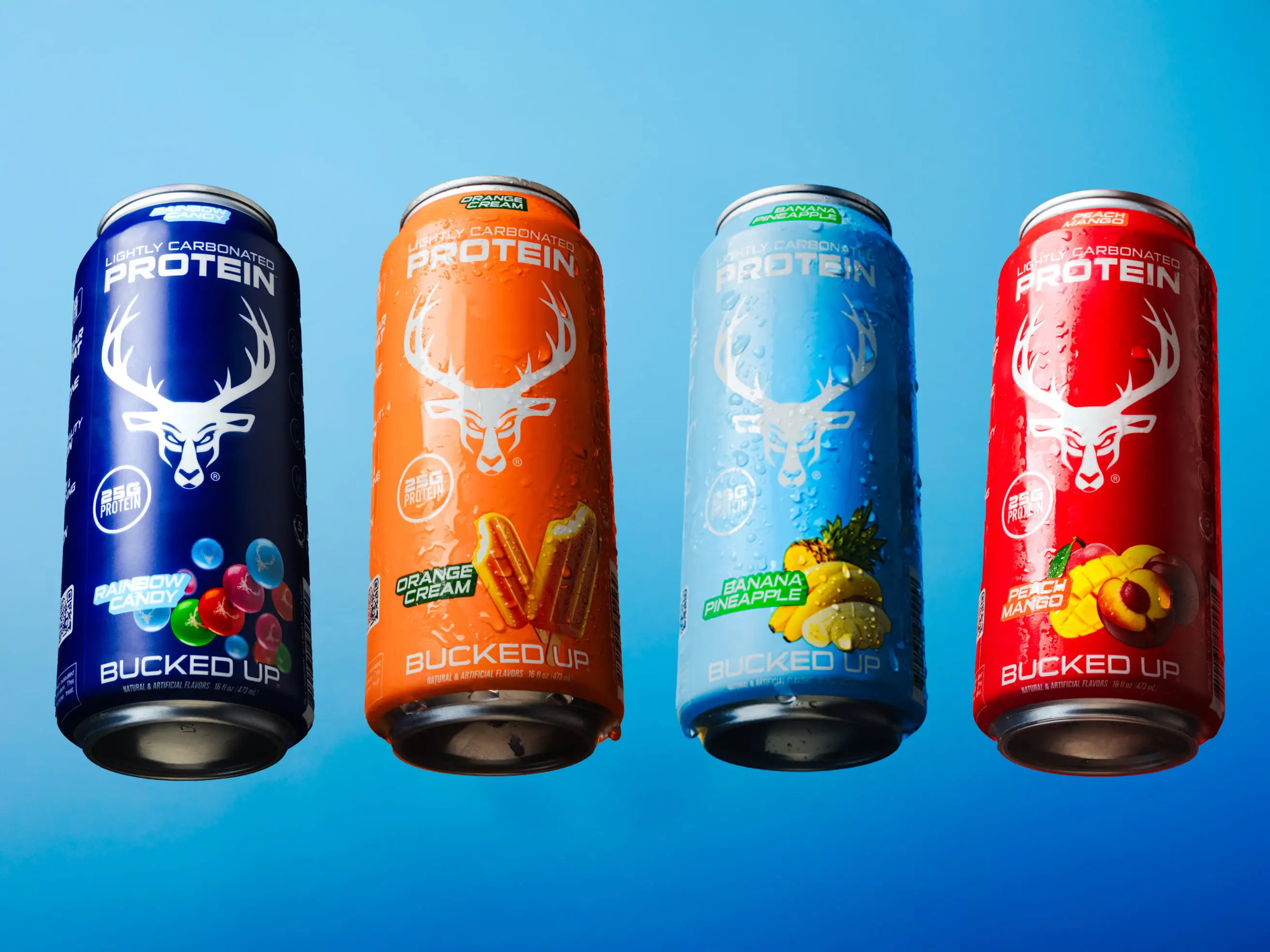
Bucked Up Protein Soda tackles these common downsides with 25g of whey protein isolate at just 100 calories per can. The isolate form absorbs quickly and removes most lactose that causes digestive issues in many traditional shakes.1 The lightly carbonated texture feels crisp instead of heavy, which can suit GLP-1 users, everyday drinkers, and post-workout recovery.1
The caffeine-free formulation fits morning, afternoon, or evening without affecting sleep or causing jitters.1 This flexibility, combined with a zero sugar and zero carb profile, supports a wide range of approaches, from keto to calorie-conscious plans.1 These formulation choices also address common complaints about thick, chalky shakes, and many customer testimonials mention a clean taste that feels closer to an energy drink than a dessert.
The table below shows how Bucked Up Protein Soda compares to popular ready-to-drink options on protein type, calories, and key experience differences.
| Product | Protein Type | Calories/Serving | Key Downside Avoided |
|---|---|---|---|
| Premier Protein Shake | Dairy protein | 160 | Milky texture, lactose |
| Muscle Milk RTD | Protein blend | 220 | High calories, thick consistency |
| Bucked Up Protein Soda | 100% whey isolate | 100 | Light, refreshing, fast-absorbing1 |
Experience pure whey isolate in a refreshing format that helps you sidestep many downsides of traditional protein drinks.1
Frequently Asked Questions
Do protein shakes cause kidney problems?
Very high protein intake can strain kidney function by forcing increased filtration of nitrogenous wastes. As mentioned earlier, many healthy adults do best staying around the 120–130 gram daily range, especially when using protein supplements often. People with existing kidney disease are usually advised to stay closer to 0.36 grams per lb of body weight or less. Work with a healthcare provider and focus on total daily intake instead of relying heavily on multiple shakes.
Are protein shakes safe on Zepbound or Mounjaro?
GLP-1 medications slow stomach emptying, so thick, heavy shakes can feel uncomfortable for some users. Lighter, easily digestible protein sources tend to work better. Protein needs often rise to 0.54–0.73 grams per lb of body weight to protect muscle, yet the drink format still matters. Many people on GLP-1 therapy tolerate carbonated, low-calorie protein drinks more easily than dense, creamy shakes.
How does Bucked Up compare to other protein drinks?
Bucked Up uses 100% whey protein isolate instead of concentrates or blends, which supports faster absorption and removes most lactose that can cause digestive issues.1 The lightly carbonated format feels refreshing rather than heavy, and the 100-calorie profile can align with weight management or recomposition goals.1 The caffeine-free formula also allows flexible timing without disrupting sleep.
Is daily protein drink consumption safe?
Daily use depends on your total protein intake, product quality, and health status. Choose products that are tested for heavy metals and avoid exceeding recommended protein ranges for your body weight and activity level. Talk with your healthcare provider, especially if you have kidney concerns or take medications. Use protein drinks to fill gaps on busy days while keeping most of your nutrition from whole foods.
Conclusion: Ditch the Downsides
Traditional protein shakes and sodas can bring digestive issues, heavy metal exposure, kidney strain, and nutrient imbalances. These challenges become even more noticeable for GLP-1 users who need high-quality, easy-to-digest protein. Bucked Up Protein Soda offers pure whey isolate in a light, low-calorie format that supports your protein goals while reducing many common pitfalls of conventional protein drinks.1
Ditch the downsides with Bucked Up Protein Soda and get pure whey isolate without many of the usual tradeoffs.
1 The content provided in this article is for informational purposes only and is not medical advice. Consult with a medical professional before implementing any changes to your diet, health, or exercise routines.
Individual results will vary and are based on a combination of each individual’s diet, exercise, age, and health circumstances.
These statements have not been evaluated by the Food and Drug Administration. This product is not intended to diagnose, treat, cure or prevent any disease.
This article was written by Ryan Gardner, CEO of Bucked Up. As the maker of Bucked Up Protein Soda, we have a financial interest in this information. The views expressed are our own and should be read with that context in mind.