Last updated: April 22, 2026
Key Takeaways for Muscle Protection and Easy Protein
- Muscle loss affects GLP-1 users, adults over 50, and busy professionals. Aim for roughly 0.7-1.0 grams of protein per pound of body weight daily to help preserve lean mass.1
- Protein shakes that provide 25-40 grams of whey isolate in one serving can trigger muscle protein synthesis, especially after workouts or alongside meals.1
- Light, easy-to-drink options such as carbonated protein sodas often feel easier on digestion, taste cleaner, and support better long-term consistency than heavy shakes.1
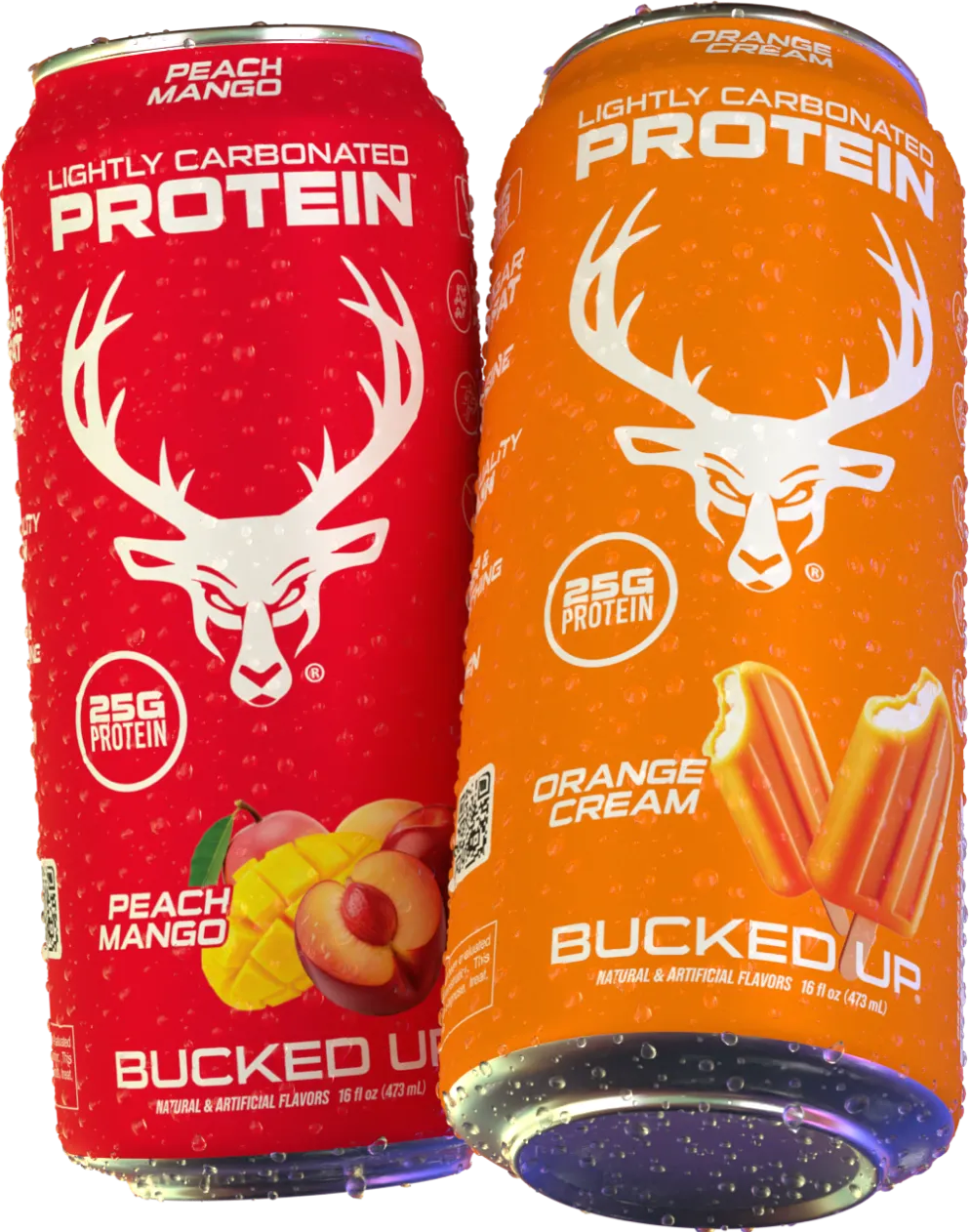
- Bucked Up Protein Soda provides 25 grams of isolate in 100 calories with a crisp, energy drink-like taste that many people with sensitive stomachs find easier to finish.1
- Explore Bucked Up Protein Soda to simplify daily protein intake and support muscle protection.
Do Protein Shakes Prevent Muscle Loss? What the Research Shows
Research supports protein supplementation as an effective way to reduce muscle loss when intake stays high enough.1 A 2024 systematic review and meta-analysis found that daily protein above 1.3 grams per kilogram of body weight helps prevent muscle decline during weight loss.1
The key is consuming 25-40 grams of protein with roughly 3 grams of leucine in a single sitting. This amount helps overcome anabolic resistance, especially in adults over 50.1 Whey protein isolate often works well for this goal because it has faster absorption and lower fat and lactose than concentrate.1
This rapid absorption becomes especially helpful for people who struggle with appetite or digestion.1 For individuals using GLP-1 medications, liquid protein sources become practical because reduced appetite makes hitting protein targets with solid foods more difficult. Medical organizations encourage GLP-1 users to prioritize protein and hydration to maintain nutrient intake and help limit muscle loss. Timing matters as well. Taking your protein dose within about 30 minutes after a workout or with meals supports muscle protein synthesis1.
7 Easy-to-Drink Protein Options for Muscle Preservation
1. Bucked Up Protein Soda
Bucked Up Protein Soda comes in a lightly carbonated, energy drink-style format that delivers 25 grams of whey protein isolate in just 100 calories. This caffeine-free drink contains no sugar and no carbs, with a clear, refreshing look and feel that appeals to people who dislike thick, milk-based shakes.
The isolate formula supports rapid amino acid delivery with relatively low digestive stress1. This profile can work well for GLP-1 users and anyone with a sensitive stomach.1 Customer feedback reflects this experience: “The protein sodas far exceeded my expectations. They taste similar to an energy drink and don’t have any weird aftertaste” and “I need to consume 130g of protein daily, and honestly, I’ve never found a product that made that goal feel this easy.”
See all Bucked Up Protein Soda flavors and nutrition details to find an option that fits your routine.
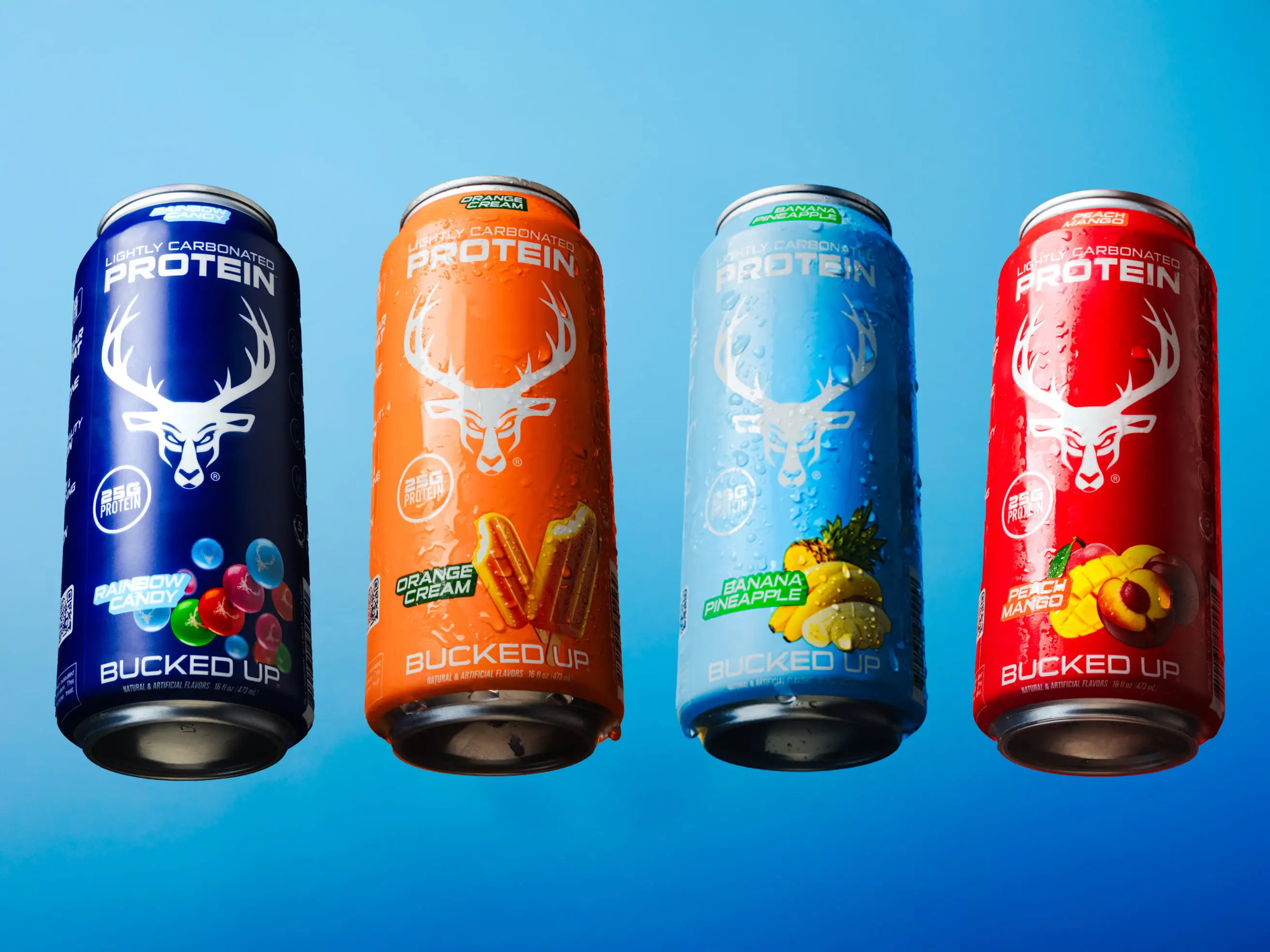
The table below compares key nutrition and texture details across seven popular protein drinks. Focus on protein per serving, calories, and format to see how each option fits different goals and preferences.
| Product | Protein (g)/Type | Calories/Carbs (g) | Format/Taste |
|---|---|---|---|
| Bucked Up Protein Soda | 25/Isolate | 100/0 | Carbonated, energy-like |
| Premier Protein | 30/Protein | 160/4 | Creamy shake |
| Muscle Milk | 25/Milk | 160/5 | Thick, milky |
| Fairlife Core Power | 26/Ultra-filtered | 170/8 | Smooth, sweet |
| Quest Protein Shake | 30/Protein | 160/3 | Light, artificial |
| Orgain Protein | 21/Plant-based | 150/15 | Grainy, earthy |
| Isopure Clear | 20/Isolate | 90/Low | Fruit punch-like |
2. Premier Protein
Premier Protein delivers 30 grams of protein in a ready-to-drink shake with 160 calories and 4 grams of carbs. Its thicker, creamy texture and higher calorie count can feel filling, which may not suit people who want a lighter drink or who watch calories closely.
3. Muscle Milk
MUSCLE MILK® GENUINE Protein Shake provides 25 grams of protein from milk-based sources and also contains carbohydrates. Like Premier Protein, it has a heavier, milk-forward texture that some people find hard to drink often, especially when appetite is low.
4. Fairlife Core Power
Fairlife Core Power uses ultra-filtered milk and offers 170 calories and 8 grams of carbs. Its smooth, sweet taste appeals to many users, although the milk base may digest more slowly than lighter isolate drinks and can feel richer on the stomach.
5. Quest Protein Shake
Quest Protein Shake provides 30 grams of total protein per serving with relatively low carbs. Some users, however, report an artificial aftertaste, which can make it harder to stay consistent if flavor is a priority.
6. Orgain Protein
Orgain offers a plant-based shake with 21 grams of protein. Its higher carbohydrate content and grainy, earthy texture appeal to people seeking vegan options, though others may find the mouthfeel less smooth than dairy-based or clear protein drinks.
7. Isopure Clear
Isopure Clear provides 20 grams of isolate in a fruit punch-style drink. It feels lighter than traditional shakes and offers a change of pace from creamy textures, although it delivers less protein per serving than several other options in this list.
Why Bucked Up Protein Soda Fits GLP-1 Users and Muscle Goals
Bucked Up Protein Soda tackles common problems people face with traditional protein shakes. Its clear, carbonated format removes the heavy, milky feel that often causes bloating or discomfort. The isolate in the formula goes through advanced filtration that supports faster digestion and absorption, so essential amino acids reach your muscles quickly.1
For GLP-1 users with reduced appetite, the energy drink-style flavor profile can feel more approachable than a thick shake. The carb-free formulation supports ketogenic and low-carb approaches while still delivering concentrated protein for muscle preservation.
Find your Bucked Up Protein Soda flavor for easier daily protein intake and build it into your routine.
Timing and Simple Tips to Protect Muscle with Protein Drinks
Smart timing helps your protein work harder for muscle preservation. Have your protein dose within about 30 minutes after training, before bed, or alongside meals to support muscle protein synthesis.1 GLP-1 users can also sip protein drinks between meals to keep daily intake up when solid food feels unappealing.
You can customize Bucked Up Protein Soda by adding sparkling water for more volume or drinking it very cold for a crisper taste. The caffeine-free formula works well at night, so you can use it whenever it fits your schedule without affecting sleep.
FAQ
Do protein shakes prevent muscle loss?
Protein shakes can help reduce muscle loss when they provide enough high-quality protein.1 Research shows that a solid protein dose from whey isolate can trigger muscle protein synthesis and support lean mass during weight loss or aging.1 Consistent intake of complete proteins that contain all essential amino acids, especially leucine, matters most.
Are protein shakes suitable for people on Zepbound or other GLP-1 medications?
Protein shakes often work well for GLP-1 medication users who struggle with appetite and solid foods. Light, easy-to-digest options such as carbonated protein sodas supply essential nutrients without overwhelming the stomach.1 Medical organizations recommend that people on these medications pay close attention to protein intake to help limit muscle loss.1
Can you reverse muscle loss after 50?
Muscle loss after 50 can often improve with enough protein and regular resistance training. Adults over 50 generally benefit from higher daily protein targets and from hitting the upper end of the recommended range at each meal to counter anabolic resistance.1 Pairing protein supplementation with strength exercises encourages muscle growth and can help rebuild lost muscle.
What is the difference between whey isolate and concentrate for muscle preservation?
Whey isolate typically supports muscle preservation with faster absorption, higher protein content per serving, and lower lactose than concentrate.1 Isolate usually contains more than 90% protein by weight, while concentrate often ranges from 70-80%. This difference can improve amino acid delivery and reduce digestive issues for people who are sensitive to dairy components.1
How much protein do I need daily to prevent muscle loss?
Daily protein needs depend on age, body weight, and activity level. Adults over 50 often benefit from at least 0.45-0.55 grams of protein per pound of body weight, while active people or those in a calorie deficit may need closer to 0.7-1.0 grams per pound.1 For a 150-pound person, that equals roughly 68-150 grams of protein per day, spread across meals for steady absorption.
Conclusion: Use Easy Protein to Help Slow Muscle Loss
Muscle loss does not have to be a given as you age, diet, or manage GLP-1 medications. Many people struggle to eat enough protein from heavy shakes or solid foods when appetite drops, yet protein remains essential for protecting lean mass. Easy-to-drink options, especially clear carbonated formats like Bucked Up Protein Soda, offer high-quality isolate in a refreshing, lighter style.
Each can delivers 25 grams of rapidly absorbed protein in 100 calories with an energy drink-like taste that supports consistent use.1 Whether you are navigating GLP-1 treatment, age-related muscle changes, or a busy schedule, this type of beverage can make daily protein goals feel more realistic.
Start protecting your muscle mass with Bucked Up Protein Soda and build a simple, sustainable protein habit.
1 The content provided in this article is for informational purposes only and is not medical advice. Consult with a medical professional before implementing any changes to your diet, health, or exercise routines.
Individual results will vary and are based on a combination of each individual’s diet, exercise, age, and health circumstances.
These statements have not been evaluated by the Food and Drug Administration. This product is not intended to diagnose, treat, cure or prevent any disease.
This article was written by Ryan Gardner, CEO of Bucked Up. As the maker of Bucked Up Protein Soda, we have a financial interest in this information. The views expressed are our own and should be read with that context in mind.