Last updated: April 22, 2026
Key Takeaways for Lactose-Sensitive Protein Users
- Dymatize ISO 100 contains less than 0.5g lactose per serving, verified by independent lab tests, so many people with mild lactose intolerance tolerate it.
- Hydrolyzed whey isolate uses filtration and enzymatic processing to remove most lactose compared to whey concentrates, which typically contain 1–5g per serving.
- Most people with lactose intolerance tolerate up to 12g lactose daily, so ISO 100’s trace amount fits within that range for many, though severe cases may still react.
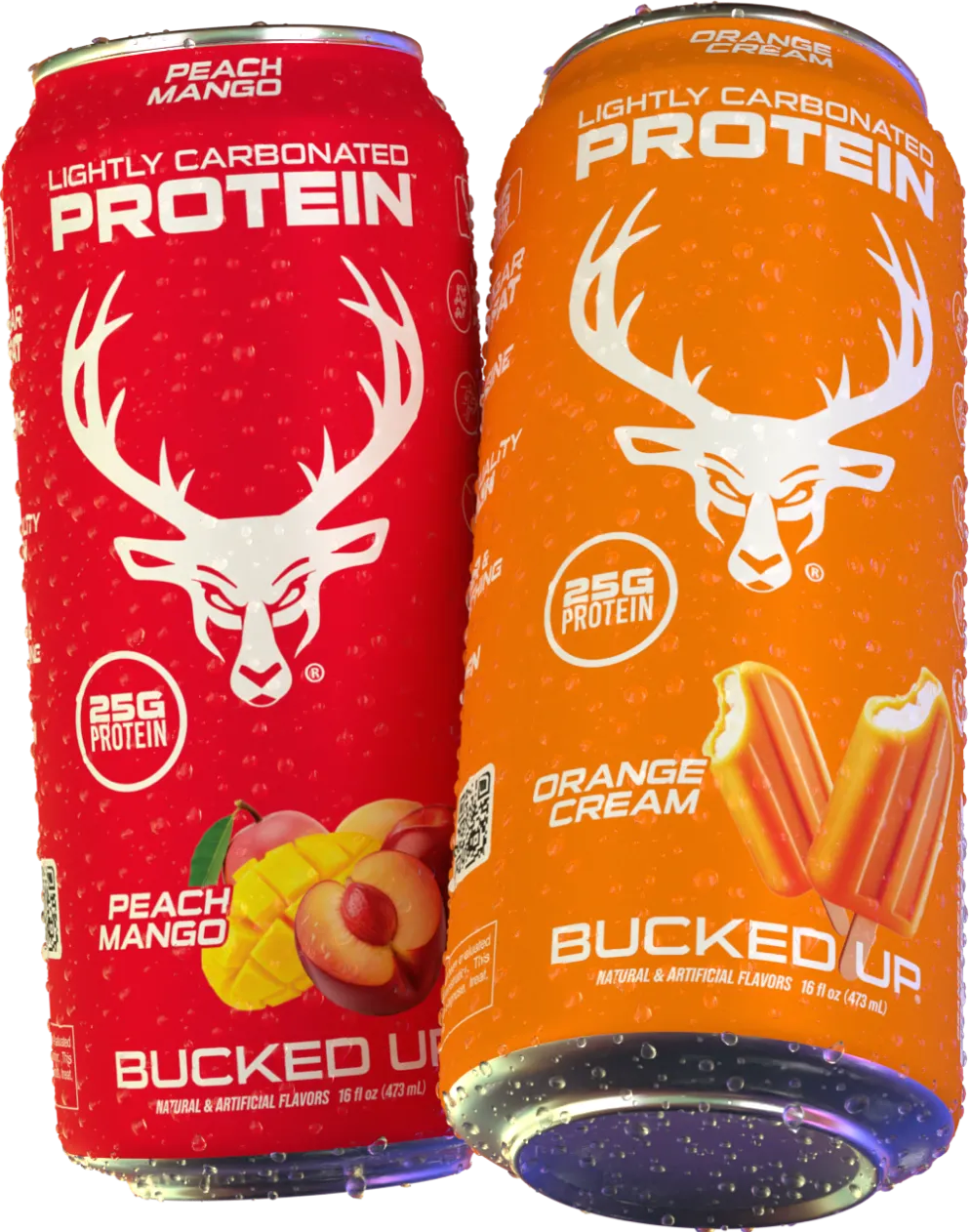
- RTD options like Bucked Up Protein Soda provide a full protein serving from whey isolate with zero lactose, low calories, and no mixing required.
- For guaranteed gut-friendly protein, choose this zero-lactose carbonated option as your convenient, refreshing alternative to powders.
Does Dymatize ISO 100 Have Lactose? The Lab-Verified Answer
Dymatize ISO 100 contains less than 0.5g lactose per serving through hydrolysis and filtration processes, which makes it a workable option for many people with mild lactose intolerance. Garage Gym Reviews’ analysis with Ellipse Analytics confirms this low lactose content through independent testing of over 150 protein powders.
The reduction in lactose occurs because whey protein isolate reaches 90% or higher protein content with minimal lactose after multiple rounds of ultrafiltration or microfiltration. Whey concentrate usually contains 5–9% lactose, while isolates go through extra processing steps that remove more carbohydrates, including lactose.
Hydrolysis further reduces potential digestive stress. Enzymatic hydrolysis breaks protein into smaller peptides for faster absorption while maintaining very low lactose content.1
| Product Type | Lactose Per Serving | Source |
|---|---|---|
| Dymatize ISO 100 | <0.5g | Garage Gym Reviews |
| Whey Concentrate | 1–5g | Hilmar Ingredients |
| Regular Milk (250ml) | 15.75g | Dairy Australia |
One key distinction matters here: dairy allergy differs from lactose intolerance. People with severe dairy allergies should avoid all whey products regardless of lactose content.
Digestion Science: Why ISO 100 Can Still Trigger Symptoms
Most lactose-intolerant individuals can tolerate up to 12 grams of lactose in a single sitting without significant symptoms, according to research summarized by Smartblood. This threshold means ISO 100’s sub-0.5g lactose content usually falls well within tolerance limits for many users.
Some people still react to trace amounts. Individuals with severe lactose sensitivity or conditions like Hashimoto’s thyroiditis may experience symptoms even at very low doses. The Gastrointestinal Society notes that symptom severity varies greatly between individuals, with some reacting to very small servings while others tolerate moderate portions.
Gym-goers who want post-workout recovery without bloating, and GLP-1 users who need easily digestible protein sources, benefit from a cautious approach.1 Testing tolerance with a single serving and monitoring symptoms offers a practical way to see how ISO 100 fits your personal limits.
The Solution: RTD Protein Options for Lactose Intolerance
Ready-to-drink protein options remove the need for powder preparation and provide grab-and-go convenience for lactose-sensitive users. These products vary widely in protein source, lactose risk, and overall digestibility, so the specific formula matters.
The table below compares lactose risk, protein type, and format convenience across three popular options. This side-by-side view shows how RTD products can reduce lactose concerns while also cutting out mixing and cleanup.
| Product | Protein/Type | Lactose Risk | Format/Calories |
|---|---|---|---|
| Dymatize ISO 100 (powder) | 25g hydrolyzed isolate | <0.5g | Mix required/120 cal |
| Premier Protein RTD | 30g protein blend | Higher risk (blend) | RTD shake/160 cal |
| Bucked Up Protein Soda | 25g whey isolate | Lactose/gluten removed | RTD carbonated/100 cal |
Bucked Up Protein Soda uses a 100% whey protein isolate formulation, which supports faster absorption compared to protein blends.1 The carbonated, clear format offers a light, refreshing experience instead of a heavy, milky shake that can feel uncomfortable for some lactose-intolerant users.

Zero sugar and zero carbohydrate content make this option appealing for people focused on weight management and calorie control.1 The energy drink-like taste profile avoids the chalky aftertaste common in many protein supplements, and the caffeine-free formulation fits morning, afternoon, or evening use without affecting sleep.
Try the carbonated whey isolate option for a gut-friendly protein solution that removes lactose concerns entirely.
Why Bucked Up Protein Soda Fits Lactose-Sensitive Lifestyles
The RTD format delivers the same 25g protein dose from whey isolate through light carbonation, which creates an easy, sip-able experience. Key advantages center on digestive comfort. The isolate supports rapid absorption for post-workout recovery without a thick shake, and the low-calorie profile supports weight management goals without adding extra digestive load.1
This combination makes the drink versatile for gym sessions, busy workdays, or GLP-1 medication users who need easily digestible nutrition that will not overwhelm a sensitive stomach. Unlike traditional protein shakes that require scooping, shaking, and cleaning a bottle, the ready-to-drink can provides immediate access to protein whenever you need it.
The clear, non-milky formulation also avoids texture-related triggers that some lactose-sensitive users associate with creamy shakes, while still supplying a complete amino acid profile for muscle preservation and recovery.1
Skip the mixing hassle, and get your ready-to-drink protein here for instant, refreshing nutrition.
Frequently Asked Questions
Does Dymatize ISO100 have lactose?
Yes, as detailed above, ISO100 contains less than 0.5g lactose per serving due to its hydrolyzed isolate processing. This very low amount makes it suitable for many people with mild to moderate lactose intolerance, although those with severe sensitivity should test tolerance carefully.
What’s a good protein option for lactose intolerance?
Whey protein isolates with less than 1g lactose per serving often work well for people with lactose intolerance. Bucked Up Protein Soda offers a ready-to-drink alternative that uses the 25g whey isolate mentioned earlier, removes lactose concerns, and comes in a convenient carbonated format. This setup cuts preparation time while still providing a complete amino acid profile for muscle recovery and maintenance.1
Is whey isolate safe for lactose-intolerant people?
Whey protein isolate is generally safe for many lactose-intolerant individuals because extensive processing removes most lactose. Products that contain less than 1g lactose per serving usually fall within typical tolerance thresholds for many people. Individuals with severe sensitivity should start with small amounts and monitor symptoms, and anyone with a dairy allergy should avoid all whey products regardless of lactose content.
How does Bucked Up compare to ISO 100 for lactose sensitivity?
Bucked Up Protein Soda removes lactose and gluten through advanced processing while also offering ready-to-drink convenience that ISO 100 powder does not provide. The carbonated, clear format feels lighter than a traditional shake, which can appeal to people with sensitive digestion. Both products use high-quality whey protein isolate, but Bucked Up’s RTD format reduces preparation steps and potential cross-contamination risks from shakers or mixing equipment.
Conclusion: Choosing Protein When You’re Lactose Sensitive
Dymatize ISO 100 contains very little lactose, so it works for many people with mild intolerance, yet some highly sensitive users may still notice symptoms. The sub-0.5g lactose content marks a clear reduction compared to typical whey concentrates, but it does not guarantee comfort for every individual.
Bucked Up Protein Soda offers a different path by using ready-to-drink whey protein isolate that removes lactose concerns entirely while adding convenience. The carbonated format, zero-sugar formulation, and complete amino acid profile make it a practical option for lactose-sensitive fitness enthusiasts, GLP-1 users, and busy professionals who want reliable protein intake without extra digestive guesswork.
Experience zero-lactose protein soda and discover a future-focused approach to gut-friendly protein supplementation.
1 The content provided in this article is for informational purposes only and is not medical advice. Consult with a medical professional before implementing any changes to your diet, health, or exercise routines.
Individual results will vary and are based on a combination of each individual’s diet, exercise, age, and health circumstances.
These statements have not been evaluated by the Food and Drug Administration. This product is not intended to diagnose, treat, cure or prevent any disease.
This article was written by Ryan Gardner, CEO of Bucked Up. As the maker of Bucked Up Protein Soda, we have a financial interest in this information. The views expressed are our own and should be read with that context in mind.