Last updated: April 22, 2026
Key Takeaways
- Ozempic users generally need 0.5-0.7 grams of protein per pound of body weight daily to help prevent muscle loss during weight loss.1
- Look for protein drinks with 20-30 grams of protein, under 5 grams of sugar, lower calories, and light textures that sit well when you feel nauseous.1
- Whey protein isolate usually works better for many GLP-1 users than concentrates because it contains less lactose and often feels easier on digestion.1
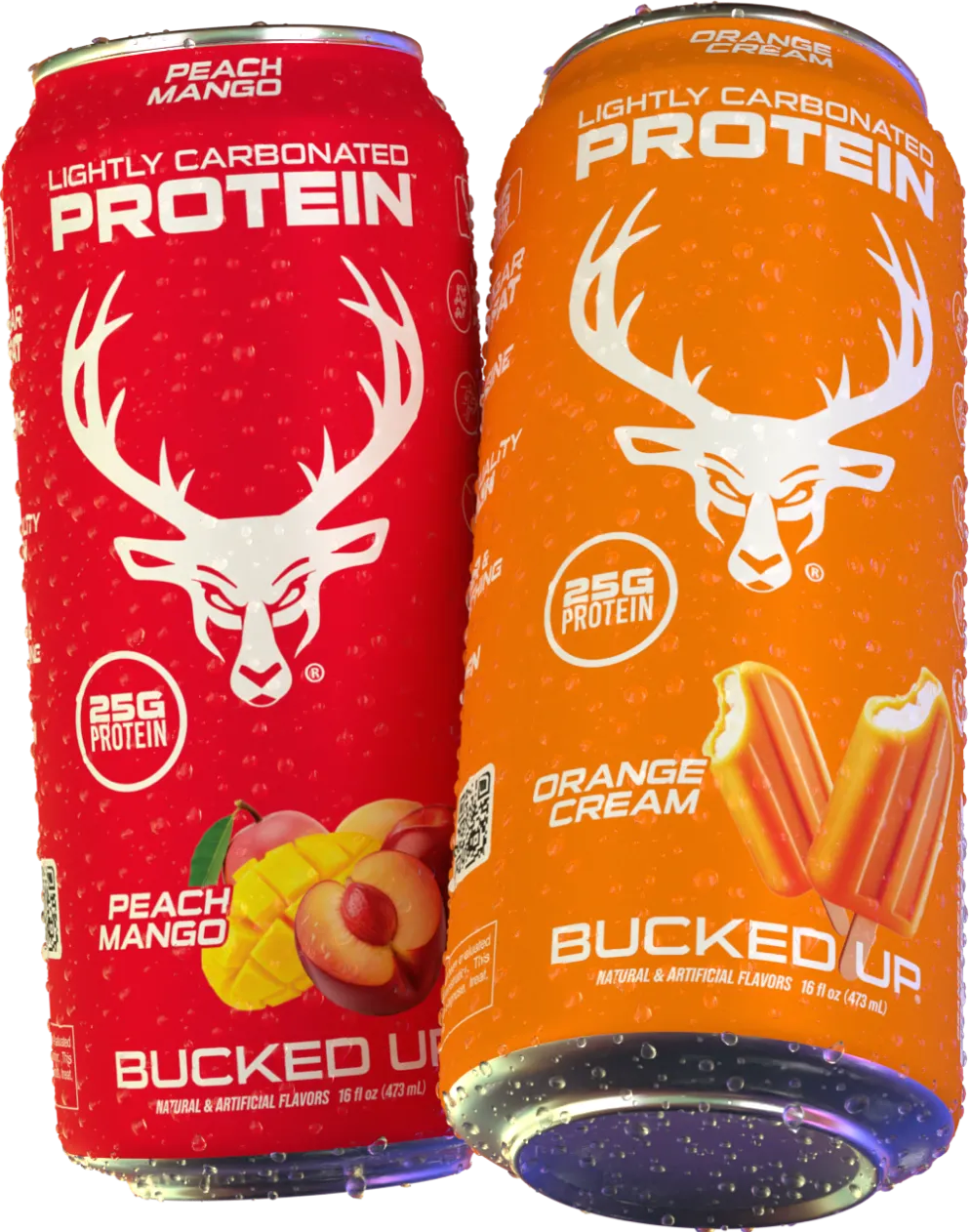
- Bucked Up Protein Soda offers 25 grams of whey isolate, 100 calories, 0 grams of sugar, and a refreshing carbonation that many people find soothing when their stomach feels unsettled.1
- Keep Bucked Up Protein Soda on hand as a convenient, Ozempic-friendly protein option you can sip when solid food feels like too much.
Why Protein Drinks Matter So Much on Ozempic
Rapid weight loss from preoperative glucagon-like peptide-1 receptor agonist use may increase the risk of malnutrition, associated with adverse outcomes like impaired wound healing and higher infection risk. GLP-1 medications slow gastric emptying and reduce appetite, so many people struggle to eat enough protein right when their body needs it to protect muscle.1
Whey protein isolate contains very low lactose, often under 1 gram per serving, compared to whey protein concentrate, which usually ranges from 3 to 8 grams per serving. This difference matters because lactose can trigger bloating and GI distress for sensitive people. The lower lactose content in isolate often feels easier on digestion, especially for anyone already dealing with nausea and delayed stomach emptying from Ozempic.1
Protein drinks that work well for many GLP-1 users usually provide 20-30 grams of high-quality protein, less than 5 grams of sugar, and around 100 calories or slightly more. Light, non-heavy textures tend to feel more comfortable than thick, creamy shakes.1 Try Bucked Up Protein Soda if you want a refreshing, Ozempic-friendly drink that checks these boxes.
Top 7 Easy RTD Protein Drinks for Ozempic in 2026
The products below were chosen for their protein content, calorie and sugar levels, texture, and how they may fit common GLP-1 side effects like nausea and early fullness. Each drink has different strengths, so the right choice depends on your stomach tolerance, taste preferences, and daily protein target.
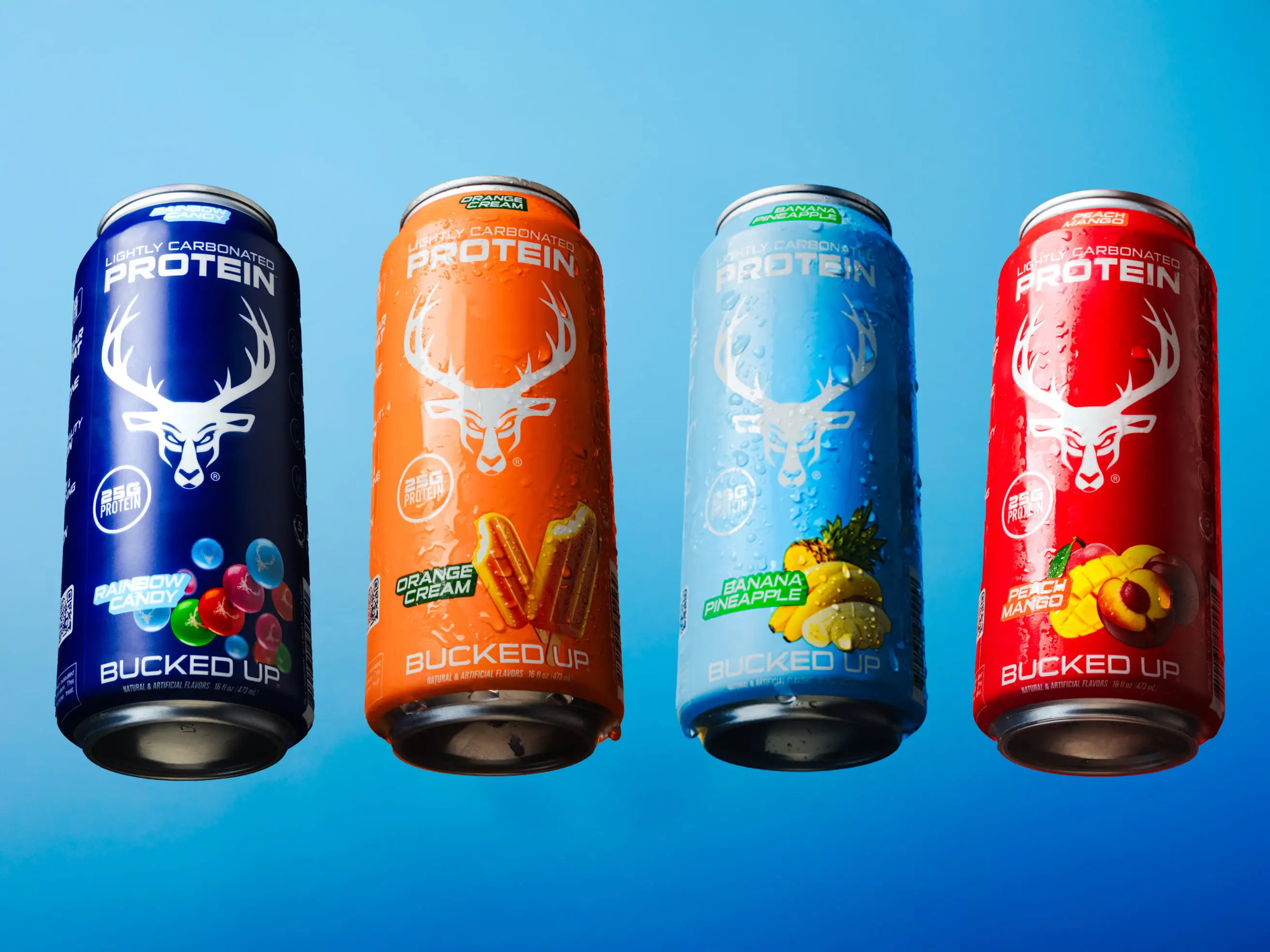
1. Bucked Up Protein Soda: Carbonated Clear Whey for Sensitive Stomachs
Nutritional Profile: 25g whey protein isolate, 100 calories, 0g sugar, 0g carbs
Bucked Up Protein Soda delivers protein in a lightly carbonated, crystal-clear drink. It feels closer to an energy drink than a traditional milky shake, yet still provides complete amino acids from whey protein isolate. Many people find the carbonation refreshing, and some report that the fizzy, zero-sugar formula feels easier to sip when their stomach is unsettled.1
Ozempic Compatibility: The light, bubbly texture can work well when solid foods or heavy shakes feel overwhelming.1 One customer shared, “The protein sodas far exceeded my expectations. They taste similar to an energy drink and don’t have any weird aftertaste like some other clear whey protein drinks do.”
2. Fairlife Core Power: High-Protein Creamy Milk Option
Nutritional Profile: 26-42g milk protein, calories vary by bottle, low sugar
Fairlife Core Power offers a high dose of protein from milk protein concentrate. The creamy, shake-like texture can feel satisfying and familiar if you tolerate dairy well.
Ozempic Compatibility: The strong protein content supports muscle maintenance, yet the thicker, dairy-based texture may feel heavy for some people during peak nausea.1
3. Premier Protein: Accessible Shelf-Stable Shake
Nutritional Profile: 30g protein from milk protein concentrate and calcium caseinate, 160 calories, 1g sugar
Premier Protein uses a blend of milk protein concentrate and calcium caseinate to deliver substantial protein in a ready-to-drink shake. This milk protein concentrate includes lactose, which can cause digestive discomfort for people with lactose intolerance.1
Ozempic Compatibility: The higher calorie count and concentrate-based protein may feel heavier than clear or carbonated options, though the wide availability makes it an easy option to find and test in smaller portions.
4. Core Power Elite: Maximum Protein in One Bottle
Nutritional Profile: 42g protein, 230 calories per bottle, minimal sugar
Core Power Elite packs the highest protein content in this group, using milk protein concentrate. This level can help support muscle maintenance for people who can comfortably finish a full bottle.1
Ozempic Compatibility: The large serving size and higher calories may feel like too much at once for users with reduced appetite, so some people may prefer splitting a bottle into two servings.
5. Muscle Milk Pro Series: High-Calorie, High-Protein Powder
Nutritional Profile: 50g protein per serving, 310 calories per serving, 3g sugar per serving
Muscle Milk Pro Series uses a milk protein blend to deliver a very high protein dose in powder form. The calorie content is also high, which can suit people who need more total energy.
Ozempic Compatibility: The dense nutrition and thicker shake texture may feel overwhelming for sensitive stomachs during GLP-1 treatment, especially early in therapy.
6. Orgain Organic Protein: Plant-Based Pea Protein Option
Nutritional Profile: 20g plant-based protein, relatively low calories, 1g sugars per serving
Orgain uses pea protein to create a plant-based shake that appeals to people who prefer organic and dairy-free formulas. The flavor and texture feel more like a traditional shake than a clear drink.
Ozempic Compatibility: Plant proteins can feel gentler for some people, though the lower protein per serving means you may need more total volume to hit your daily target.
7. Ensure Max Protein: Fortified Nutrition Support Shake
Nutritional Profile: 30g protein, 150 calories, 1g sugar
Ensure Max Protein focuses on overall nutrition support, with added vitamins and minerals alongside its protein content. Many people use it as a convenient meal-support drink.
Ozempic Compatibility: The fortified profile supports general health, yet the thicker consistency may not sit well for everyone during intense nausea.
Top 3 Comparison for Ozempic-Friendly Protein Drinks
The table below highlights three widely available options and compares their protein content, calories, texture, and potential fit with common Ozempic side effects. Pay close attention to the “Texture” and “Ozempic Fit Notes” columns, since these often matter most when your stomach feels unsettled.
| Product | Protein (g) | Calories | Sugar (g) | Protein Type | Texture | Ozempic Fit Notes |
|---|---|---|---|---|---|---|
| Bucked Up Protein Soda | 25 | 100 | 0 | Whey Isolate | Carbonated, clear | Very light, fizzy, often easier to sip with nausea1 |
| Fairlife Core Power | 26-42 | Varies | Low | Milk Protein | Creamy | High protein, creamy texture may feel heavy1 |
| Premier Protein | 30 | 160 | 1 | Concentrate/Caseinate | Milky | Accessible and filling, possible lactose-related discomfort1 |
If you want a light, fizzy drink that many people find easier during nausea, grab Bucked Up Protein Soda and see how carbonation changes the protein experience.
Simple No-Blender Protein Drink Hacks for Ozempic
Quick homemade options can help you fill protein gaps when you have a few extra minutes. Mix unflavored whey protein isolate with cold almond milk and a splash of vanilla extract for a lighter drink that avoids heavy creaminess. Chadley Kemp, Sports Scientist and Exercise Physiologist at Mindful Crumb, recommends using cold temperatures for whey protein shakes to numb the stomach slightly and make the liquid more refreshing for GLP-1 users with nausea.
You can also stir protein powder into cold brew coffee with ice for a protein coffee, or mix protein powder with coconut water and a handful of spinach for a simple green drink. These ideas can work well, yet they still require prep time and may not match the smooth, consistent texture of professionally formulated drinks like Bucked Up Protein Soda.
Ozempic Protein Drink Tips and Sample Daily Plan
Fella Health advises semaglutide users to start with smaller protein shake portions of 4 to 6 ounces, sipped slowly over 15 to 20 minutes while chilled to improve tolerance during nausea. Aim for 25-40 grams of protein per meal or snack, and spread your intake across the day instead of drinking large amounts at once.
A simple daily plan could include Bucked Up Protein Soda mid-morning and mid-afternoon, paired with light walks to support digestion. Chadley Kemp suggests that gradually sipping whey protein can further improve tolerance during peak nausea windows.1
Time your protein drinks around your Ozempic injection schedule, since nausea often peaks 24 to 48 hours after a dose. Keeping a cold, carbonated protein option nearby during that period can make it easier to stay on track with your protein goals.
Common Questions
What is a good protein shake to drink while on Ozempic?
Bucked Up Protein Soda can stand out as a strong option because its carbonated, light texture often feels easier to handle during nausea episodes. The whey protein isolate supplies complete amino acids with minimal lactose, and the zero-sugar formula supports blood glucose management.1 The energy drink-like taste can also make protein more appealing when your appetite drops.
Can I drink Premier Protein while on Ozempic?
Premier Protein can work for many Ozempic users, although it may feel heavier than clear or carbonated drinks. The milk protein concentrate and caseinate blend delivers solid protein but contains more lactose than whey isolate options.1 Start with smaller portions, sip slowly, and see how your stomach responds, especially during your personal peak nausea times.
Should I use protein powder or ready-to-drink options on Ozempic?
Ready-to-drink options often fit Ozempic users well because they remove prep work when energy and appetite are low. The consistent flavor and texture also reduce surprises that might trigger nausea. Unflavored whey protein isolate mixed with a small amount of liquid can still work for people who prefer more control over ingredients.
Is Bucked Up Protein Soda keto-friendly?
Yes, Bucked Up Protein Soda is keto-friendly with its zero-carb, zero-sugar formula mentioned earlier. The 25 grams of whey protein isolate can fit into many ketogenic macronutrient plans while helping preserve muscle during weight loss.1 The carbonated format also supports fluid intake, which matters on ketogenic diets.
How much protein do I need daily on Ozempic?
Most adults on Ozempic do well aiming for 0.5-0.7 grams of protein per pound of body weight daily.1 For a 150-pound person, that equals about 75-105 grams of protein per day. Divide this into several servings, and let each protein drink contribute 20-30 grams toward your total.
Conclusion: Keeping Protein Intake Steady on Ozempic
Managing protein while on Ozempic works best when your drinks match your digestion, appetite, and schedule. Bucked Up Protein Soda can stand out among easy options that pair well with GLP-1 therapy, combining carbonation, complete amino acids, and a zero-sugar formula in a light, refreshing format. This approach can help you maintain steady protein intake even during tougher nausea days, which supports muscle preservation throughout your weight loss journey.1 Stock up on Bucked Up Protein Soda so you have an easy protein choice ready whenever eating feels difficult.
1 The content provided in this article is for informational purposes only and is not medical advice. Consult with a medical professional before implementing any changes to your diet, health, or exercise routines.
Individual results will vary and are based on a combination of each individual’s diet, exercise, age, and health circumstances.
These statements have not been evaluated by the Food and Drug Administration. This product is not intended to diagnose, treat, cure or prevent any disease.
This article was written by Ryan Gardner, CEO of Bucked Up. As the maker of Bucked Up Protein Soda, we have a financial interest in this information. The views expressed are our own and should be read with that context in mind.