Last updated: April 22, 2026
Key Takeaways
- Active individuals generally need 0.54-0.77g protein per lb of body weight daily, or about 109-155g for a 200lb person, spread across meals.
- Traditional shakes can cause bloating and require prep time. Lightweight options like Greek yogurt (20g per cup) and eggs (12.6g per 2) offer simple protein boosts.
- Fifteen shake-free options, including cottage cheese (28g per cup), edamame (18.4g per cup), jerky (15g per ounce), and snack combos, can help you reach 100g+ daily.
- The 30-30-3 rule focuses on 30g protein per meal, timed around workouts, across 3 meals to support muscle maintenance and recovery.
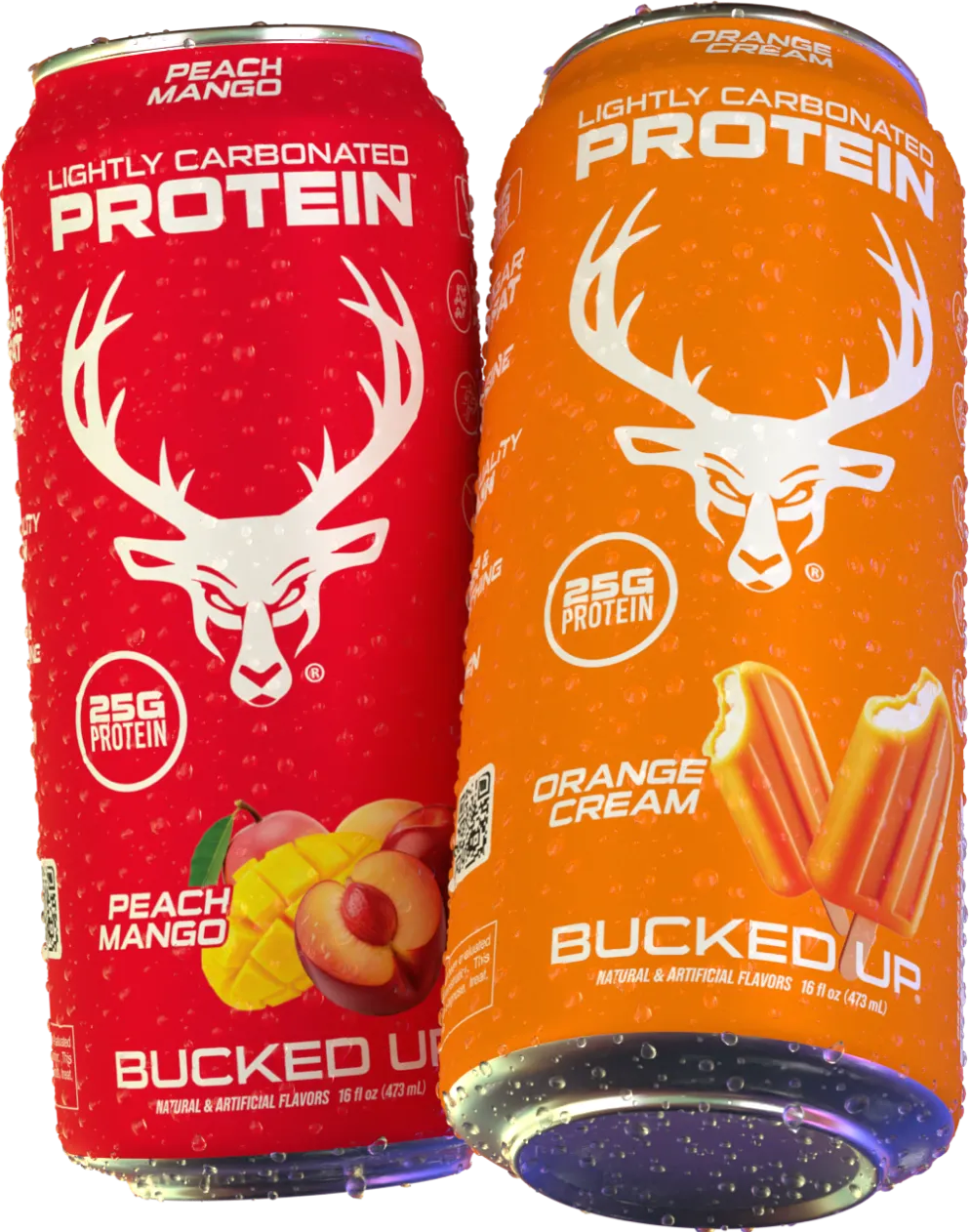
- Grab this carbonated protein solution for 25g whey isolate in 100 calories, a practical fit for busy days, GLP-1 users, and shake-free protein goals.1
The Problem: Why Shake-Free Protein Matters
Traditional protein shakes create several barriers to consistent intake. The thick, milky texture can trigger digestive discomfort, and preparation time adds friction for busy schedules. For individuals on GLP-1 medications, higher protein intake can help prevent muscle loss. This heightened need, combined with reduced appetite from medications, makes lightweight, easy-to-consume protein sources essential.
The challenge becomes even more noticeable at breakfast, when appetite often feels lowest. Sarah Wardlaw, athletic trainer at Mass General Brigham, emphasizes that your first meal should contain at least 30 grams of protein, especially for maximizing muscle growth, a target that many GLP-1 users struggle to hit with heavy, traditional breakfast foods. Meeting these targets through whole foods alone often falls short, so convenient, shake-free alternatives can help close the gap.
15 Easy Ways to Boost Protein Without Shakes
These 15 options are organized around convenience and protein density. The list starts with ready-to-drink and minimal-prep choices, then moves into whole foods and simple combinations. Choose three to five that match your routine and taste, then build your daily protein plan around them.
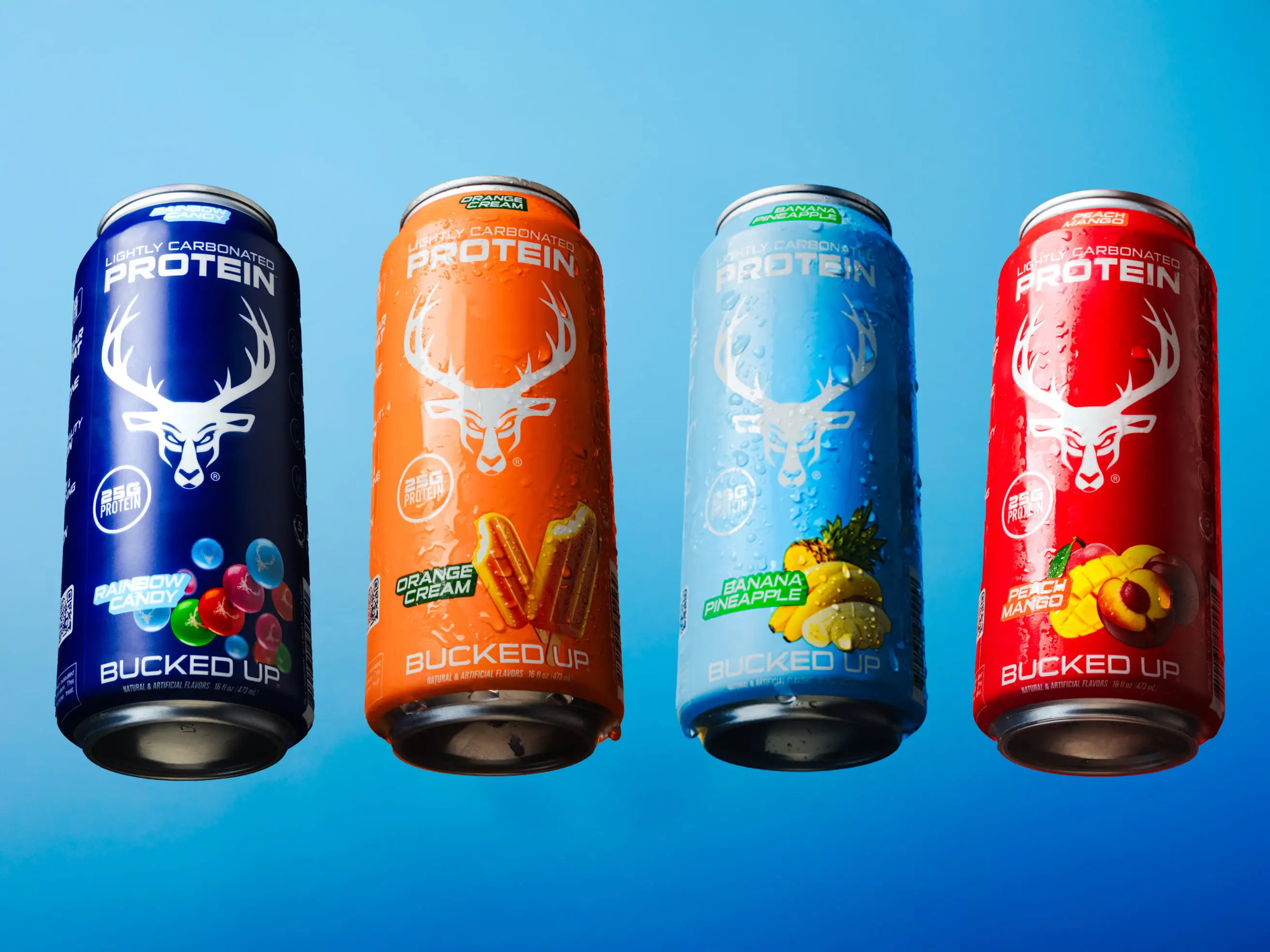
1. Bucked Up Protein Soda (25g protein, 100 calories)
This carbonated protein beverage delivers 25 grams of whey protein isolate in a refreshing, soda-like format.1 This clear, effervescent drink contains zero sugar and zero carbs. You can use it after workouts, between meals, or alongside food when you want a light protein boost without the heaviness of a shake.1
2. Greek Yogurt Swaps
Plain low-fat Greek yogurt offers about 20 grams of protein per cup at roughly 150 calories. Use it as a higher-protein stand-in for sour cream, regular yogurt, or mayo in recipes to upgrade familiar meals. Pair it with berries for breakfast or turn it into dips and dressings, so you add protein to meals you already enjoy.
3. Cottage Cheese Boost (28g protein, 200 calories)
One cup of lowfat 1% milkfat cottage cheese provides 28 grams of protein. Blend it into smoothies for extra creaminess, mix it with fruit, or use it as a ricotta substitute in baked dishes. Its mild flavor works in both sweet and savory recipes, which makes it easy to repeat several times per week.
4. Hard-Boiled Egg Prep (12.6g protein per 2 eggs, 155 calories)
Hard-boiled eggs give you ready-to-eat protein with almost no effort during the week. Two large hard-boiled eggs provide 12.6 grams of protein and 155 calories. Store a batch in the refrigerator for instant snacks, or slice them over salads and sandwiches to raise the protein content of meals you already make.
5. Edamame Snacking (18.4g protein per cup, 188 calories)
Frozen edamame cooks in about five minutes and stores well in the fridge. Shelled edamame has 18.4g protein and 188 calories per 1 cup (155g). Portion it into containers for quick snacks, or toss it into salads and grain bowls to add plant-based protein and fiber.
6. Chia Seed Integration (6g protein per 3 tablespoons, 175 calories)
Chia seeds provide 6 grams of protein per 3 tablespoons. Stir them into overnight oats, smoothies, or yogurt to raise protein and fiber at the same time. As they absorb liquid, they create a pudding-like texture, which turns simple bases into more filling, higher-protein meals.
7. Protein-Rich Jerky (15g protein per ounce, 80 calories)
Quality jerky offers concentrated protein in a portable format. USDA data for beef jerky shows about 15 grams of protein and 80 calories per ounce. Look for options without added sugars, then keep a bag in your gym bag, car, or desk for a shelf-stable protein source that needs no prep.
8. Quinoa as Base Grain (8.1g protein per cup cooked, 222 calories)
Quinoa raises the protein content of meals that usually rely on rice or pasta. One cup (185g) of cooked quinoa contains 222 calories and 8.1g protein. Batch-cook a pot once or twice a week, then use it as the base for grain bowls, salads, and sides to add steady, background protein.
9. Protein-Fortified Oatmeal (6g base + additions)
Steel-cut oats give you a solid starting point for a higher-protein breakfast. Begin with one cup of cooked oats at about 6 grams of protein according to USDA FoodData Central. Add a half-cup of Greek yogurt for roughly 10 more grams and two tablespoons of chia seeds for about 4 grams. With these additions, your bowl reaches around 20 grams of protein before toppings, so hitting 25-30 grams becomes straightforward.
10. Lentil Integration (18g protein per cup cooked, 230 calories)
Lentils supply plant-based protein that works in many dishes. Cooked lentils provide 18 grams of protein per cup, at about 230 calories. Source: USDA FoodData Central. Add them to soups, salads, or grain bowls, or use canned lentils when you want the same nutrition with less prep time.
11. Tuna Packets
Single-serve tuna packets deliver high protein with no cooking. Tear one open, mix with avocado, spoon over salads, or eat it straight from the pouch. This simple option fits easily into lunches and snacks when refrigeration or kitchen space is limited.
12. Protein-Rich Nuts and Seeds (6g protein per ounce almonds)
Almonds and similar nuts provide moderate protein plus healthy fats and fiber. Almonds contain about 6 grams of protein per ounce, according to USDA FoodData Central. Rotate almonds, pistachios, pumpkin seeds, and sunflower seeds through your snacks so the protein adds up across the day.
13. Milk-Based Beverages (8g protein per cup)
Milk quietly contributes protein to everyday habits. Regular cow’s milk contains 8 grams of protein per cup, per USDA FoodData Central. Use it in coffee, cereal, or as a drink with meals. Plant-based options like soy milk can offer similar protein levels, as shown in USDA data for soy milk.
14. Protein-Enhanced Smoothie Bowls
Smoothie bowls turn familiar ingredients into a higher-protein meal. Blend Greek yogurt or cottage cheese with fruit, then top with hemp seeds, nut butter, and a sprinkle of nuts. This combination often reaches 25-35 grams of protein while still feeling like a treat.
15. Strategic Snack Combinations
Pairing foods raises total protein without feeling like a full meal. Try apple slices with almond butter for about 8 grams, whole grain crackers with hummus for around 6 grams, or cheese with nuts for roughly 10 grams. These small combinations stack up over the day and help you close the gap to your target.
Quick Protein Swaps Comparison
Calorie efficiency matters when you choose primary protein sources. The comparison below shows how a carbonated protein beverage can match or exceed the protein in common dairy options while using fewer calories.
| Food Item | Protein (grams) | Calories |
|---|---|---|
| Greek Yogurt (1 cup) | 20 | 150 |
| Cottage Cheese (1 cup) | 28 | 200 |
| Bucked Up Protein Soda | 25 | 100 |
30-30-3 Rule for Optimal Protein Distribution
Protein timing and distribution influence how well your body uses each serving. The 30-30-3 rule offers a simple structure for spreading protein across the day and around workouts. The table below breaks down each part of the rule with practical examples.
| Rule Component | Benefit | Example |
|---|---|---|
| 30g per meal | Supports muscle protein synthesis | Greek yogurt plus a carbonated protein drink |
| Post-workout timing | Supports the recovery window | 15-25g protein within about 2 hours of exercise |
| 3 meals daily | Maintains steady amino acid availability | Breakfast, lunch, and dinner with roughly 30g each |
Hit these targets more easily with this 25g protein solution for convenient, high-quality protein intake.1
Sample 100g Protein Day Without Shakes
Now see the 30-30-3 structure in action. This sample day shows how to reach more than 100 grams of protein using the shake-free options above while spreading intake across meals and snacks.
Breakfast (30g): 2 eggs (12.6g) plus 1 cup Greek yogurt (20g)
Mid-Morning (25g): 1 Bucked Up Protein Soda
Lunch (25g): Tuna packet (about 20g) plus quinoa salad (5g)
Afternoon Snack (18.4g): 1 cup edamame
Dinner (20g): 3 oz chicken breast or equivalent plant protein
Total: approximately 118g protein
This pattern distributes protein throughout the day while maintaining variety, convenience, and a mix of whole foods and ready-to-drink options.
Protein Soda Compared With Traditional Options
Unlike many traditional ready-to-drink shakes that use whey concentrate in a milky base, the carbonated isolate format discussed earlier offers a lighter alternative that many people find easier to digest.1 The difference in texture and ingredients can influence how full you feel, how your stomach responds, and how easily you can fit protein into a busy schedule. When you compare products, check labels for protein type, sugar content, calories, and format so you can match the drink to your goals and preferences.
Compared with food-only approaches, ready-to-drink protein can provide a useful shortcut for hitting daily targets. Whole foods still supply vitamins, minerals, and fiber, yet they often require more planning and preparation, so combining both approaches can create a sustainable routine.
Frequently Asked Questions
How is Bucked Up Protein Soda different from other protein drinks?
This protein beverage uses a carbonated, clear format with whey protein isolate. Many traditional protein drinks use concentrate-based formulas in a thicker, milky base. Compare labels for protein source, calories, sugar, and serving size so you can choose the option that fits your digestion and lifestyle.
Is protein soda safe for daily consumption and GLP-1 users?
Protein sodas are formulated for regular use and can work well for individuals on GLP-1 medications who need easily digestible protein.1 The low-calorie, light format fits reduced appetite while still supporting muscle preservation.1 The caffeine-free formula also makes it flexible for morning, afternoon, or evening.1
Does protein soda absorb as effectively as traditional shakes?
Whey protein isolate, used in products like Bucked Up Protein Soda, undergoes additional processing to remove more fat and lactose than whey concentrate. This refinement can support digestion for people sensitive to lactose.1 The ready-to-drink liquid format also removes mixing issues that sometimes affect texture and consistency. Source: Examine.com on whey protein types.
What exactly is the 30-30-3 rule for protein intake?
The 30-30-3 rule refers to eating about 30 grams of protein per meal, timing breakfast protein soon after waking and placing another serving within the post-exercise recovery window discussed in the 30-30-3 table, spread across three main meals daily. This pattern supports muscle protein synthesis and helps maintain a steady supply of amino acids for muscle maintenance and growth.
Can I replace all my protein sources with convenient options like protein soda?
Protein sodas work well for filling gaps and adding quick protein, yet relying on them alone can limit overall nutrient variety. A balanced approach that combines convenient options with whole foods such as eggs, Greek yogurt, lentils, and lean meats supports broader nutrition, including vitamins, minerals, and fiber.
Conclusion: A Simple Path to Higher Protein
Meeting daily protein needs can feel manageable without heavy shakes or complicated meal prep. Strategic swaps like Greek yogurt, cottage cheese, and modern options such as Bucked Up Protein Soda help many people reach 100+ grams of protein while keeping routines simple.1 The carbonated protein soda format combines ready-to-drink convenience with a light, refreshing feel that avoids the heaviness of traditional shakes.1
Whether you focus on weight management, workout recovery, or appetite changes from GLP-1 medications, these shake-free strategies offer flexible ways to support your goals. Start with one or two ideas that fit your habits, then add more as they become part of your normal routine.
Experience this keto-friendly, USA-made protein solution designed for your active lifestyle.1
1 The content provided in this article is for informational purposes only and is not medical advice. Consult with a medical professional before implementing any changes to your diet, health, or exercise routines.
Individual results will vary and are based on a combination of each individual’s diet, exercise, age, and health circumstances.
These statements have not been evaluated by the Food and Drug Administration. This product is not intended to diagnose, treat, cure or prevent any disease.
This article was written by Ryan Gardner, CEO of Bucked Up. As the maker of Bucked Up Protein Soda, we have a financial interest in this information. The views expressed are our own and should be read with that context in mind.