Last updated: April 22, 2026
Key Takeaways
- Sleeping under 7 hours can cut muscle protein synthesis by 20–30%. Aim for 7–9 hours to support growth hormone and testosterone.
- Hit roughly 0.7–1.1g of protein per lb of body weight daily, spread across 3–5 meals, to support muscle building and timing.
- Chronic stress keeps cortisol high and works against muscle growth. Use relaxation techniques and steady protein intake to protect gains.
- Avoid overtraining, excess cardio, alcohol, and long sitting streaks. Prioritize recovery, hydration, and consistent progressive overload.
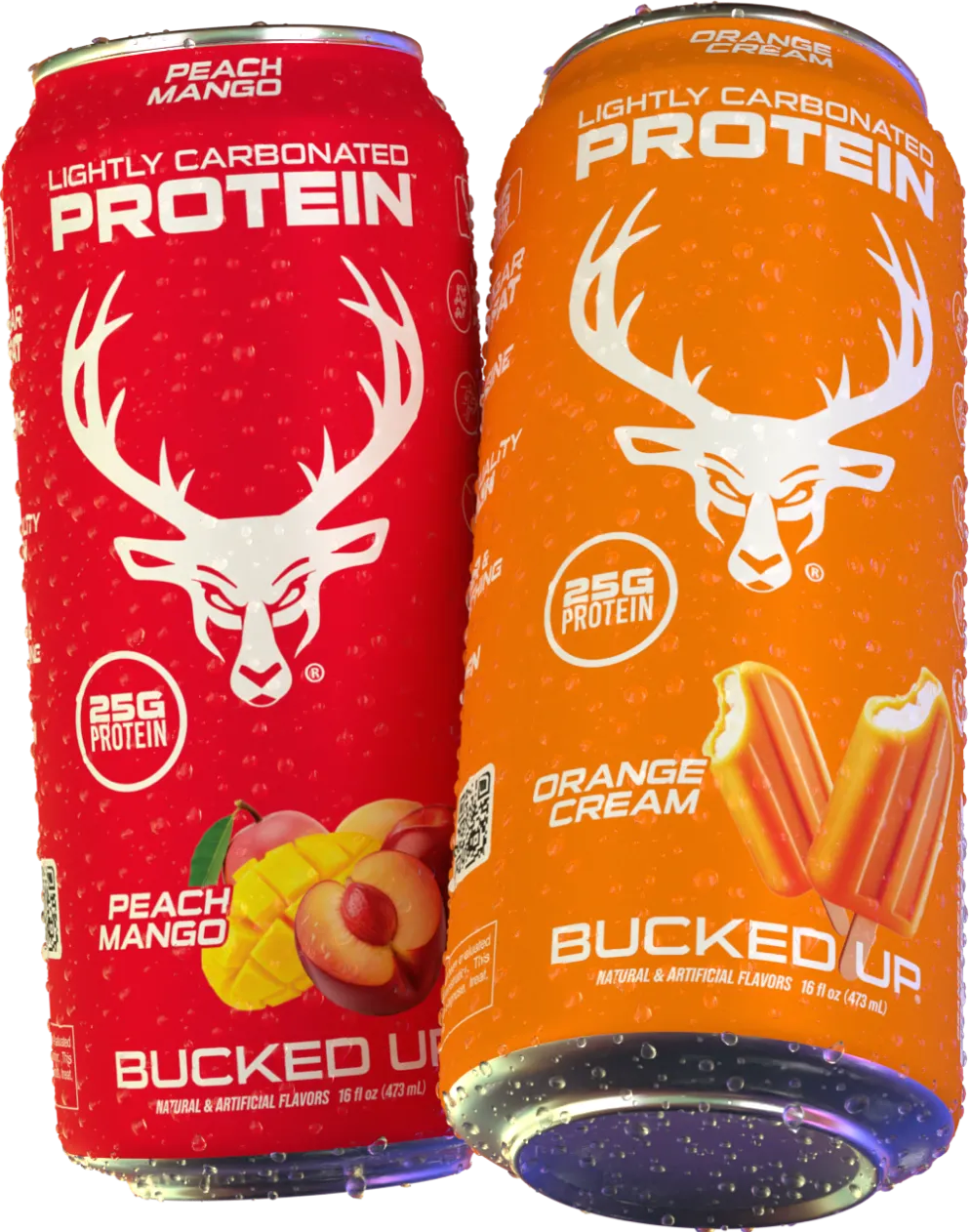
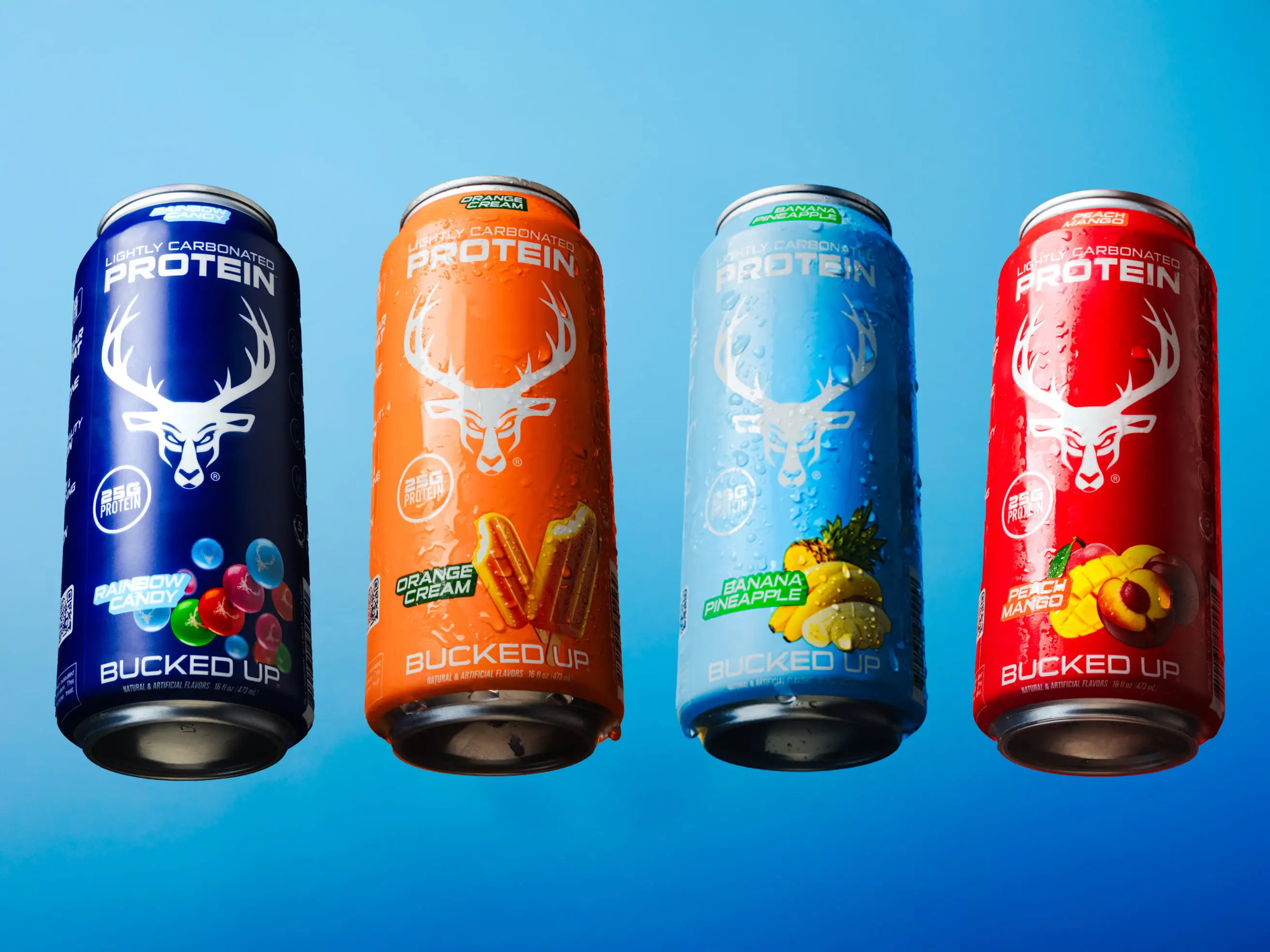
- Fill protein gaps and support GLP-1 users with Bucked Up Protein Soda, which provides 25g whey isolate in a light, 100-calorie can.1
10 Everyday Habits Secretly Killing Your Muscle Gains
1. Sleep Deprivation Stalls Muscle Growth
Less than 7 hours of sleep cuts into growth hormone and testosterone production. Recent 2024 research in trained adults reports a 20–30% drop in muscle protein synthesis with inadequate sleep. Poor sleep also raises cortisol, which you will see repeatedly linked with slower muscle gains. Protect your progress by aiming for 7–9 hours nightly, using a wind-down routine, and limiting late caffeine. A small, protein-focused evening snack from a caffeine-free option can support overnight recovery.
2. Poor Protein Intake and Timing
Missing the anabolic window and uneven protein intake across the day limit muscle protein synthesis. Research suggests 1.6–2.4g of protein per kg of body weight per day, with about 0.4g per kg per meal. For a 180-lb lifter, that translates to roughly 115–195g daily, split into several meals. Many people eat very little protein at breakfast and snacks, then overload dinner, which misses that per-meal target. Spread 25–40g of protein across 3–5 meals and keep a ready-to-drink source handy for the post-workout window.
3. Chronic Stress and Cortisol Overload
Chronic stress keeps cortisol elevated and shifts your body toward a catabolic state. Long-term stress can suppress testosterone and growth hormone while disrupting protein synthesis. High cortisol also interferes with testosterone production in the adrenal glands, which further slows muscle gain. Build daily stress relief into your routine with meditation, deep breathing, walks, or journaling. Pair that with regular, moderate protein intake so your muscles always have amino acids available during stressful stretches.
4. Dehydration Slows Performance and Recovery
Even mild dehydration disrupts hormone balance and can nudge stress hormones higher. Water supports nutrient transport, temperature control, and normal hormone function. A practical target is about 0.5 ounces of fluid per pound of body weight daily, with more on hard training days. Flavored, carbonated protein drinks can make it easier to drink enough while also contributing to your daily protein total.
5. Excess Cardio Eats Into Strength Gains
Too much cardio pulls energy away from your lifting and recovery. Cardio supports health, but long or frequent intense sessions can interfere with muscle protein synthesis. If muscle gain is your main goal, keep high-intensity cardio limited and purposeful. Center your week around resistance training and progressive overload instead of chasing calorie burn on machines.
6. Overtraining Without Recovery Days
Training hard without enough recovery keeps cortisol elevated, the same hormone highlighted in the sleep and stress sections. High training stress with low rest also slows glycogen replenishment and leaves you feeling flat in the gym. Muscles grow during rest periods, not during the actual sets. Plan 1–2 full rest days each week and adjust when you notice persistent fatigue, poor sleep, or nagging aches. Use those days to focus on protein-rich meals and light movement.
7. Alcohol Consumption and Muscle Loss
Frequent drinking works against muscle building on several fronts. Alcohol dehydrates you, disrupts hormone balance, and interferes with sleep quality. It can also blunt protein synthesis, which reduces the payoff from your training. Limiting alcohol to occasional use, such as 1–2 drinks per week, supports better recovery. Swapping some drinks for low- or zero-alcohol, protein-containing options can help you stay social while still backing your goals.
8. Sitting Too Much Between Workouts
Long sitting stretches encourage muscle atrophy by reducing circulation and movement. Sedentary time after hard training slows lymphatic flow, which can trap metabolic waste in tissues. The lymphatic system depends on muscle contractions to clear that waste and support recovery. Break up sitting by standing every hour, taking short walks, and adding light mobility work. Use these breaks to hydrate and, when needed, add a small protein serving to keep your intake steady.
9. Inconsistent Training Schedules
Inconsistent workouts make progressive overload nearly impossible. Muscles need regular, repeated stimulus to grow and maintain strength. Irregular training also disrupts your nutrition and recovery rhythm, since it becomes harder to plan meals and rest days. Follow a structured program, log your sessions, and aim to improve reps, load, or control over time. Support that consistency with simple protein options that fit into busy days.
10. Skipping Post-Workout Nutrition
The first 30 minutes after training support a strong muscle protein synthesis response. Skipping this window leaves potential gains on the table from each session. Your muscles are especially ready to absorb amino acids and start repair right after you rack the last set. A fast-digesting protein source in that timeframe can help you capitalize on the work you just did. Ready-to-drink whey isolate options provide rapid absorption without the heaviness some shakes cause.1
Quick Fixes for Common Muscle-Killing Habits
The table below highlights three high-impact habits and shows how targeted protein timing can help address each one. Focus on how the “Science Killer” column explains the mechanism, then match it with a practical fix you can apply today.
| Habit | Science Killer | Bucked Up Fix |
|---|---|---|
| Poor Protein Timing | MPS supported when meals approach the 0.4g/kg guideline mentioned above | 25g isolate within 30 minutes, crisp taste |
| Skipping Post-Nutrition | Anabolic window closes without fast protein | RTD soda format, no prep, fast absorption1 |
| GLP-1 Low Appetite | About 20% of weight loss can come from lean mass, as noted earlier | Light 100-calorie muscle shield1 |
Why Sleep and Stress Hit Muscle Gains Hardest
Sleep deprivation and chronic stress create a powerful combination that works against muscle growth. Elevated cortisol breaks down muscle proteins through gluconeogenesis, converting amino acids to glucose and limiting muscle protein synthesis. This creates a double hit where your body breaks down existing muscle while slowing new growth. As discussed earlier, poor sleep further reduces growth hormone and testosterone, which deepens this effect over time.
How Sitting and Skipping Workouts Accelerate Muscle Loss
Prolonged sitting and inconsistent training together create a strong push toward muscle loss. Sedentary behavior slows lymphatic circulation, which can trap metabolic waste and delay recovery. Without regular progressive overload, your muscles receive no clear signal to maintain size or strength. This pairing hits many busy professionals who sit most of the day and struggle to keep a steady gym schedule. Short movement breaks and a realistic, repeatable training plan help reverse that trend.
Why Muscle Loss Happens on Tirzepatide
GLP-1 receptor agonists like tirzepatide reduce appetite so strongly that many users struggle to eat enough protein. Recent 2026 data suggests that over 20% of weight lost on GLP-1 drugs can come from lean mass, especially without resistance training. Older adults and people who do not lift weights face a higher risk of this lean mass loss. A light, 100-calorie protein drink can help GLP-1 users reach protein targets without overwhelming appetite and can support efforts to limit age-related muscle decline.1
Bringing It All Together
The main muscle gain killers in this guide, especially poor sleep, protein gaps, and chronic stress, respond well to simple changes. Small adjustments to bedtime, daily protein planning, and stress management can protect the progress you earn in the gym. Bucked Up Protein Soda can stand out as a convenient way to hit 25g of whey isolate per serving in a zero-sugar, 100-calorie format that fits busy schedules.1
FAQ
Does sitting too much really kill muscle gains?
Prolonged sitting can work against muscle recovery and growth. Long, uninterrupted sitting after intense workouts limits the muscle contractions your lymphatic system relies on to clear metabolic waste. That slower clearance can mean more soreness, stiffness, and longer recovery between sessions. Reduced blood flow during extended sitting also limits nutrient delivery and waste removal, which are both important for muscle protein synthesis.
What is a simple fix for post-workout protein timing?
Taking in 25–40g of high-quality protein within about 30 minutes after training supports muscle protein synthesis. Bucked Up Protein Soda can stand out here by providing 25g of whey protein isolate in a light, carbonated drink.1 Many people find this easier to handle than a thick shake when they are hot and tired after lifting. The fast-absorbing isolate helps supply amino acids during the period when your muscles are especially ready for repair.1
How does protein soda compare to traditional protein shakes?
Protein soda offers a lighter, more refreshing option than many traditional shakes. The carbonation and thinner texture can feel better right after a workout. Bucked Up uses 100% whey protein isolate, which can be more rapidly absorbed than some whey concentrates.1 There is no mixing required, and many users prefer the lack of chalky texture or heavy feeling. The zero-sugar, 100-calorie profile also fits people who want to manage calories while still supporting muscle recovery.
Is protein soda safe for GLP-1 users?
Bucked Up Protein Soda can be suitable for many people using GLP-1 medications like tirzepatide or semaglutide, when cleared with their healthcare provider. These medications often reduce appetite, which makes hitting protein goals with whole food alone more difficult. A light, low-calorie drink that delivers 25g of protein can help preserve lean mass during weight loss.1 Research indicates GLP-1 users can lose over 20% of their weight as lean mass without adequate protein, so an easy-to-digest protein source can support muscle and metabolic health.1
Can I drink protein soda daily?
Many people can drink protein soda daily as part of their overall nutrition plan. Bucked Up Protein Soda is caffeine-free, so it fits morning, afternoon, or evening without affecting sleep. The whey protein isolate provides complete amino acids that support muscle maintenance and growth.1 Busy professionals often find this format helps them reach daily protein targets when meal prep is limited. The zero-sugar formula also works with several eating styles, including low-carb and keto approaches, while supporting consistent protein intake.
1 The content provided in this article is for informational purposes only and is not medical advice. Consult with a medical professional before implementing any changes to your diet, health, or exercise routines.
Individual results will vary and are based on a combination of each individual’s diet, exercise, age, and health circumstances.
These statements have not been evaluated by the Food and Drug Administration. This product is not intended to diagnose, treat, cure or prevent any disease.
This article was written by Ryan Gardner, CEO of Bucked Up. As the maker of Bucked Up Protein Soda, we have a financial interest in this information. The views expressed are our own and should be read with that context in mind.