Last updated: April 22, 2026
Key Takeaways
- The rigid “golden hour” myth is outdated. Research supports a flexible 5-6 hour post-workout window with 25-40g whey protein for strong muscle protein synthesis.1
- GLP-1 users, including those on Ozempic or Wegovy, face a higher risk of muscle loss without enough protein. Liquid protein formats can help when appetite is low.
- Whey isolate typically delivers 90% or more protein, faster absorption, and minimal lactose compared to concentrate, which supports efficient post-workout recovery.1
- Total daily protein and consistent spacing matter more than strict timing. Aim for roughly 1.2-1.7g protein per lb of body weight, spread every 3-4 hours.
- Post-workout protein becomes easier to hit with Bucked Up Protein Soda, which delivers 25g whey isolate in a refreshing, 100-calorie carbonated can.1
The Problem: Why Old-School Golden Hour Rules Fail Real People
The traditional “anabolic window” concept pressures people to drink protein within a strict 30-60 minute period after exercise. This rigid rule clashes with real schedules and routines. Busy professionals and parents often cannot mix or finish thick protein shakes right after training, so they miss easy recovery opportunities.
For individuals using GLP-1 medications like Ozempic or Wegovy, the challenge becomes even more serious. Texas Tech University research found that up to 40% of weight lost on GLP-1 receptor agonists can come from lean muscle mass when protein intake and timing fall short.1
Athletes and regular gym-goers run into different but related issues with conventional timing advice. Thick, milky shakes can feel heavy on the stomach right after intense training. Chalky textures and artificial flavors also make daily consistency harder. These barriers often reduce total protein intake and weaken recovery over time.
The Science Behind Golden Hour: How Long Your Muscles Stay Primed
The golden hour describes the post-workout window when protein intake most strongly supports muscle protein synthesis. Peak nutrient uptake still occurs within roughly 30-60 minutes after exercise. At the same time, recent research extends the post-workout anabolic window for muscle protein synthesis up to 24 hours, which gives you far more flexibility than the old rule suggests.
Studies show that 20-40g of high-quality protein consumed within about an hour after exercise spikes muscle protein synthesis, while the effective anabolic window extends up to 5-6 hours.1 This means early intake creates the sharpest rise, but your muscles remain responsive for several hours. You gain room to work with your schedule instead of racing the clock.
The International Society of Sports Nutrition recommends 20 to 40 grams of protein every 3 to 4 hours, including post-workout, to fuel muscle growth. This pattern highlights consistency across the day rather than a single, rigid post-workout deadline.
Research also shows that ingesting 20 g of high-quality protein like whey can maximize post-meal muscle protein synthesis at rest and during recovery for up to 4-6 hours.1 This quantity guidance fits neatly with the timing windows described above and supports a practical, repeatable approach.
Bucked Up Protein Soda: Carbonated Protein Built for Real-World Timing
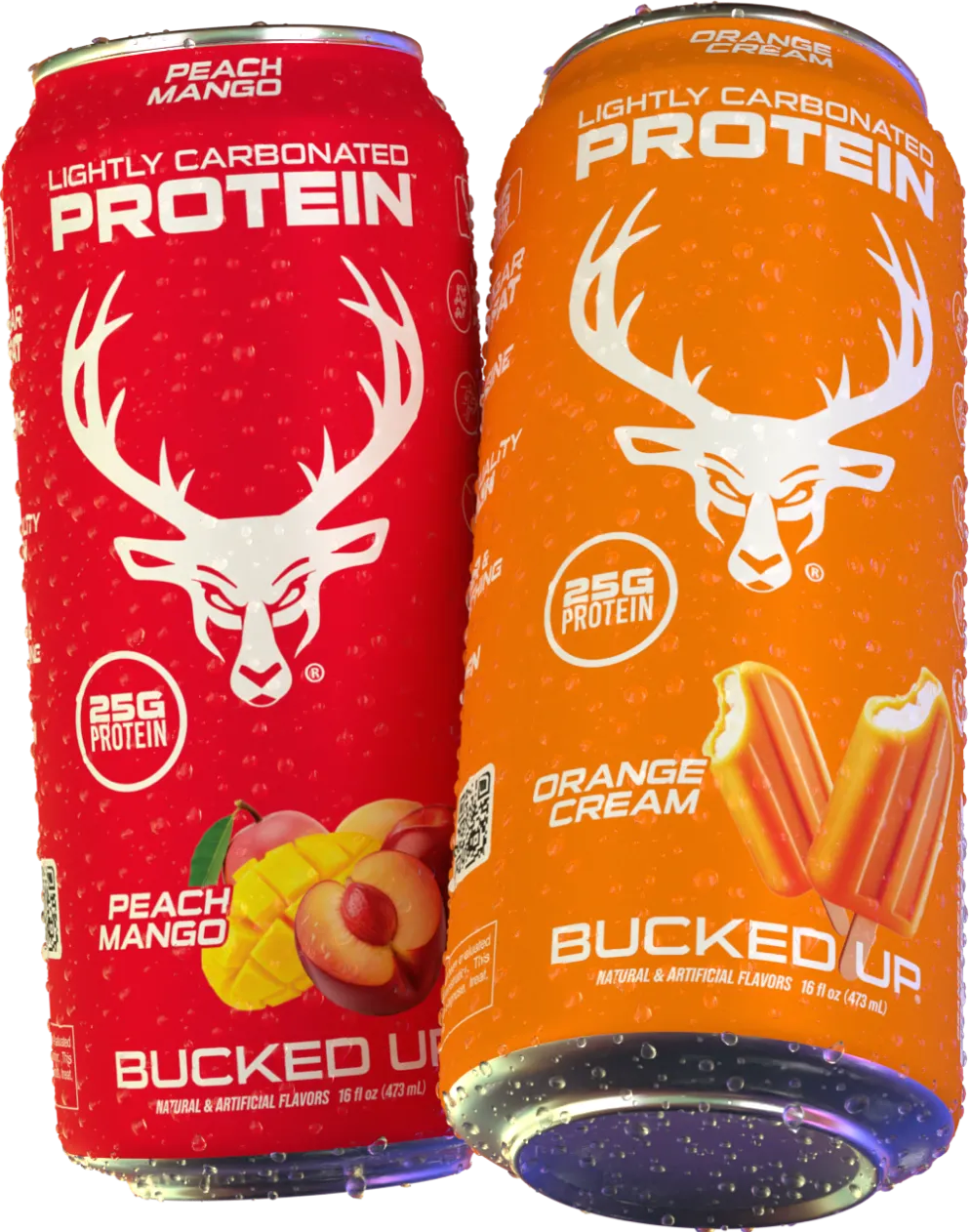
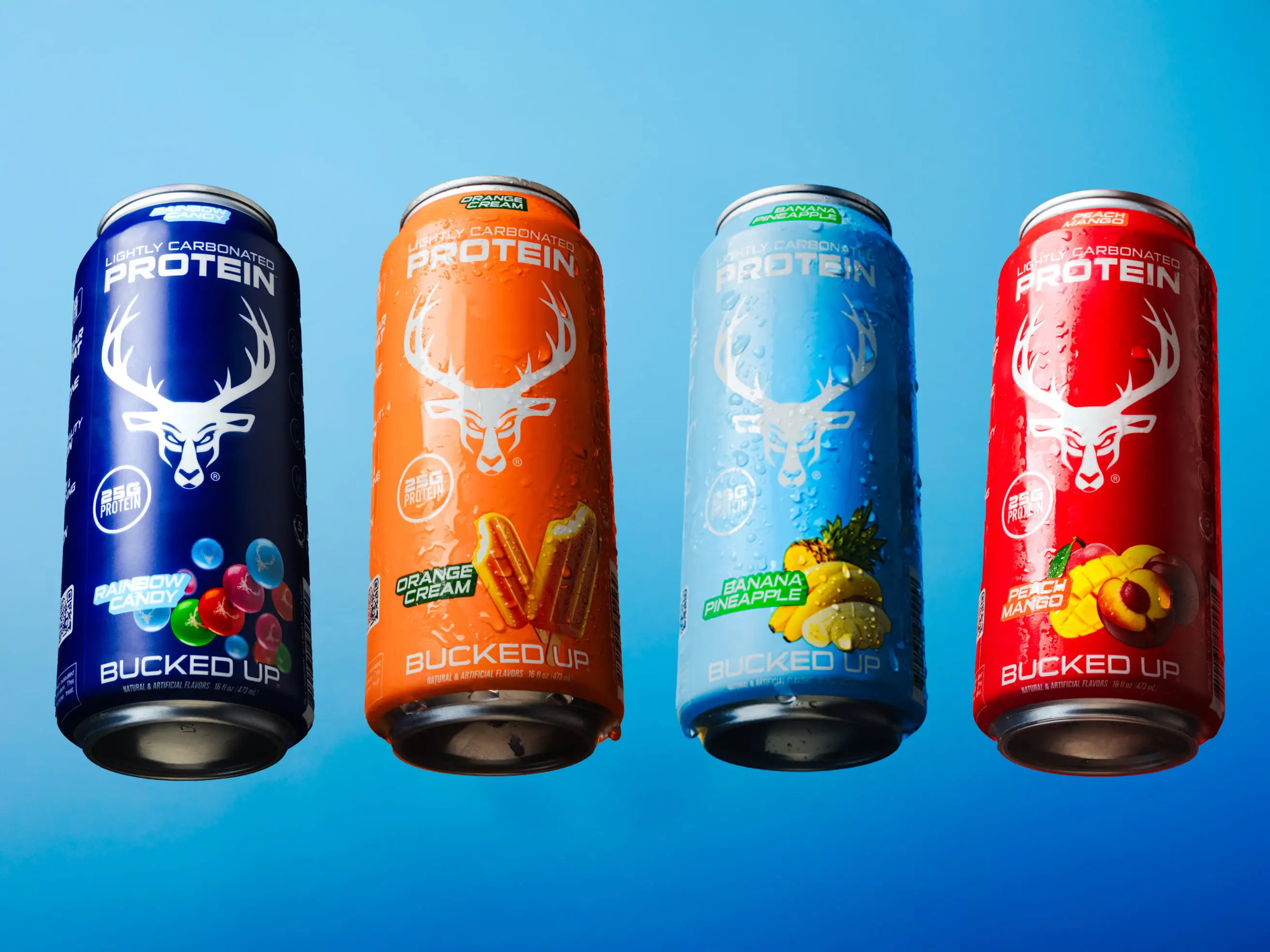
Bucked Up Protein Soda provides a carbonated, ready-to-drink option for post-workout nutrition and daily protein support. Each can delivers 25g of whey protein isolate, which aligns with the research-backed range for stimulating muscle protein synthesis after training.1
The product includes four connected benefits that address common golden hour challenges. Rapid whey isolate absorption helps activate muscle protein synthesis quickly.1 The light, non-milky texture feels easier to drink right after a workout than a thick shake. Grab-and-go cans remove prep time, so busy people can still hit their post-workout targets. The liquid format also supports GLP-1 users who struggle with solid foods during periods of reduced appetite.1
Each can contains 25g of whey protein isolate with only 100 calories, zero sugar, and zero carbs. The caffeine-free formulation works at any time of day, including evening workouts. The carbonated format drinks more like an energy beverage than a traditional shake, which can improve long-term consistency.
Customer feedback often highlights flavor and drinkability. One review notes, “The protein sodas far exceeded my expectations. They taste similar to an energy drink and don’t have any weird aftertaste like some other clear whey protein drinks do.” Try the carbonated protein format that customers say feels easier to enjoy than many standard shakes.
Core Principles of Effective Golden Hour Protein
Effective post-workout protein timing follows a few clear, evidence-based principles. These factors help determine whether your post-workout drink supports muscle growth or simply adds calories without much benefit.
- Fast-absorbing whey protein in the amounts discussed earlier (around 25-40g) supports strong muscle protein synthesis.1
- Pairing protein with carbohydrates can support amino acid uptake and help replenish glycogen after intense sessions.1
- Daily protein totals of roughly 1.2 to 1.7 grams per lb of body weight matter most for active individuals.
- Spreading protein across meals every 3-4 hours helps keep muscle protein synthesis elevated throughout the day.
A simple example pairs Bucked Up Protein Soda with a banana within about 60 minutes after training. This combination delivers fast-digesting protein plus carbohydrates to support recovery without a heavy, hard-to-finish shake.1
Best Timing Habits for Post-Workout Protein
Effective post-workout timing balances real-life convenience with what research shows about muscle growth. Schoenfeld and Aragon’s 2018 review found that, for maximal muscle hypertrophy, protein intake before and after exercise should fall within a roughly 4 to 6 hour combined window.
The traditional 30-60 minute window still offers peak benefits, yet the extended timeframe discussed earlier gives you practical flexibility without sacrificing results. Consuming at least 15 to 25 grams of protein within about 2 hours after exercise supports muscle growth and repair.1
This flexible window is where Bucked Up Protein Soda fits naturally into a routine. You can drink it right after your last set or later within that extended anabolic period. The ready-to-drink format removes mixing, cleanup, and refrigeration barriers while still delivering research-aligned protein amounts.
Golden Hour Protein for Muscle Gain and Fat Loss
Post-workout protein intake of 20-40g high-quality protein creates a strong spike in muscle protein synthesis. This spike supports repair, growth, and adaptation to training over time.1
For weight loss, post-workout protein can increase fullness while helping preserve lean mass.1
Bucked Up Protein Soda’s 100-calorie profile supports calorie-conscious plans more easily than many heavy shakes that contain 200-400 calories per serving.1
This combination of muscle support and lower calorie content can help people pursuing body recomposition, where they aim to build or maintain muscle while reducing body fat.
Protein Timing Strategies for GLP-1 Users
Individuals using GLP-1 receptor agonists often deal with reduced appetite and slower stomach emptying, which complicates protein timing. Adults on GLP-1 medications are often advised to aim for about 1.2–1.6 grams of protein per lb of body weight per day to help prevent muscle loss.1
Guidance for GLP-1 users also suggests distributing protein into 25–40 g portions per meal to reach the 2.5–3 g leucine threshold that triggers muscle protein synthesis.1 A liquid option like Bucked Up Protein Soda can make these targets easier to hit when solid meals feel unappealing.
The carbonated, light texture can feel more tolerable for people dealing with GLP-1-related nausea or low appetite. Find a protein format that works with GLP-1 appetite suppression so you can better support muscle preservation during weight loss.
Why Whey Isolate Shines After Training
The choice between whey isolate and concentrate affects purity, digestion, and timing. The table below highlights how these forms differ so you can match your protein to your goals.
| Aspect | Whey Isolate (Bucked Up) | Whey Concentrate |
|---|---|---|
| Protein Purity | Typically 90%+ protein | 70-80% protein |
| Absorption Speed | Very fast (often preferred post-workout) | Slower |
| Lactose/Fat | Minimal (<1g) | Higher (3-8g) |
| Best For | Recovery, GLP-1, low-carb | General use |
Whey isolate’s higher purity and quicker absorption support post-workout timing goals.1 Lower lactose content can also help people with dairy sensitivities tolerate their protein more comfortably.1
If You Miss the Window: Simple Recovery Backups
Missing the immediate post-workout window does not erase your progress. Total daily protein intake remains the primary driver of muscle hypertrophy and recovery, as long as you reach adequate amounts.
Follow a straightforward plan if you do not drink protein right after training. First, have Bucked Up Protein Soda with a source of carbohydrates within the broader 5-6 hour window, which still falls inside the effective period for muscle protein synthesis. Then, keep protein intake steady every 3-4 hours for the rest of the day to maintain elevated synthesis. Finally, focus on hitting your total daily protein target, since that long-term pattern matters more than any single post-workout serving.
This approach uses the extended anabolic window to match real-world schedules while still supporting recovery and muscle growth.
Frequently Asked Questions
What’s the best protein for golden hour timing?
Bucked Up Protein Soda provides 25g of whey protein isolate, a fast-absorbing protein source. The carbonated, ready-to-drink format supports rapid amino acid delivery for muscle protein synthesis, which suits post-workout use.1
Does protein timing really matter for muscle growth?
Total daily protein intake has the greatest impact on long-term muscle gain. Strategic timing within a flexible 5-6 hour post-workout window can still enhance muscle protein synthesis. Consistent intake across the day matters more than strict, minute-by-minute timing.
Is Bucked Up Protein Soda suitable for keto, paleo, and GLP-1 users?
Yes. Bucked Up Protein Soda contains zero carbs and zero sugar, which fits many keto and paleo approaches. The liquid format and 25g protein per can can also help GLP-1 users support muscle while managing reduced appetite.1
How is whey isolate better than concentrate for post-workout?
Whey isolate goes through extra filtration to reach 90% or more protein purity with very little lactose and fat. This process supports faster absorption and can reduce digestive discomfort for some people.1 Those traits make isolate a practical option when you want rapid amino acid delivery after training.1
Can I drink Bucked Up Protein Soda daily?
Daily use can help many people reach their protein goals more consistently. Each can provides 25g of high-quality protein with only 100 calories, which can support both muscle maintenance and weight management when paired with an overall balanced diet.1
Conclusion: Make Golden Hour Protein Work for Your Life
The golden hour for post-workout protein stretches well beyond the old 30-60 minute rule, with a flexible 5-6 hour window supporting strong muscle protein synthesis. Bucked Up Protein Soda can reduce timing stress by delivering 25g of fast-absorbing whey isolate in a refreshing, carbonated drink that feels easy to finish.1
Busy professionals, dedicated athletes, and GLP-1 users can all use this format to simplify post-workout nutrition. The science-aligned formula, portable can, and light taste help it stand out as a practical option for golden hour protein timing.
Transform your post-workout nutrition with carbonated protein and experience a more flexible approach to protein timing.
1 The content provided in this article is for informational purposes only and is not medical advice. Consult with a medical professional before implementing any changes to your diet, health, or exercise routines.
Individual results will vary and are based on a combination of each individual’s diet, exercise, age, and health circumstances.
These statements have not been evaluated by the Food and Drug Administration. This product is not intended to diagnose, treat, cure or prevent any disease.
This article was written by Ryan Gardner, CEO of Bucked Up. As the maker of Bucked Up Protein Soda, we have a financial interest in this information. The views expressed are our own and should be read with that context in mind.