Last updated: April 22, 2026
Harvard-Style Post-Workout Protein: Quick Facts
- Harvard Health recommends 20-40g of high-quality protein within 30-60 minutes after training to support muscle repair and recovery.1
- Whey isolate absorbs faster than concentrate, so it suits the post-workout window when you want rapid amino acid delivery.1
- Use body weight to set your dose: 0.25-0.40g per kg. Bucked Up’s 25g serving fits many people between 130-200 lbs.
- Ready-to-drink options like carbonated protein sodas can feel lighter than thick shakes and may be easier to finish consistently, especially for GLP-1 users.
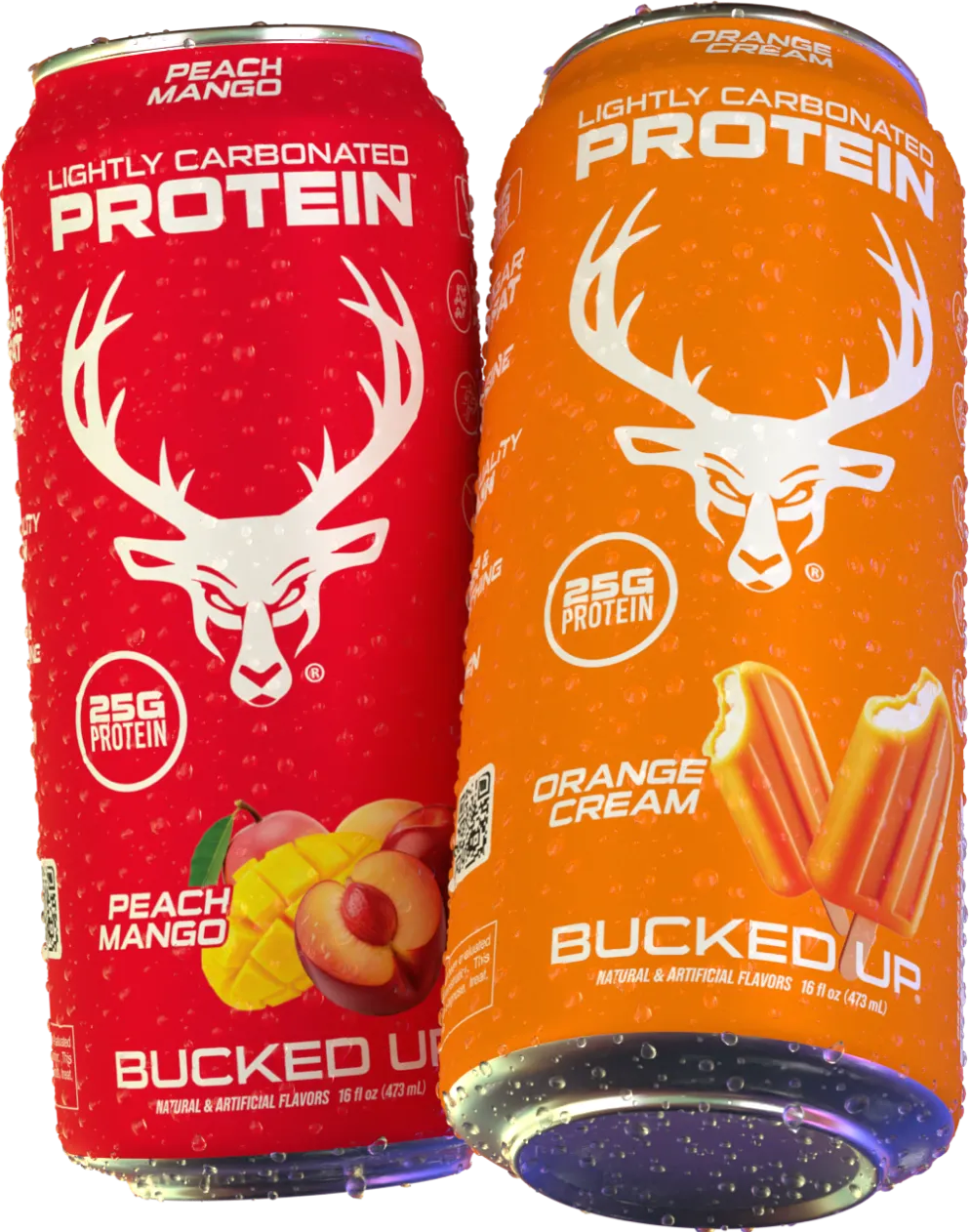
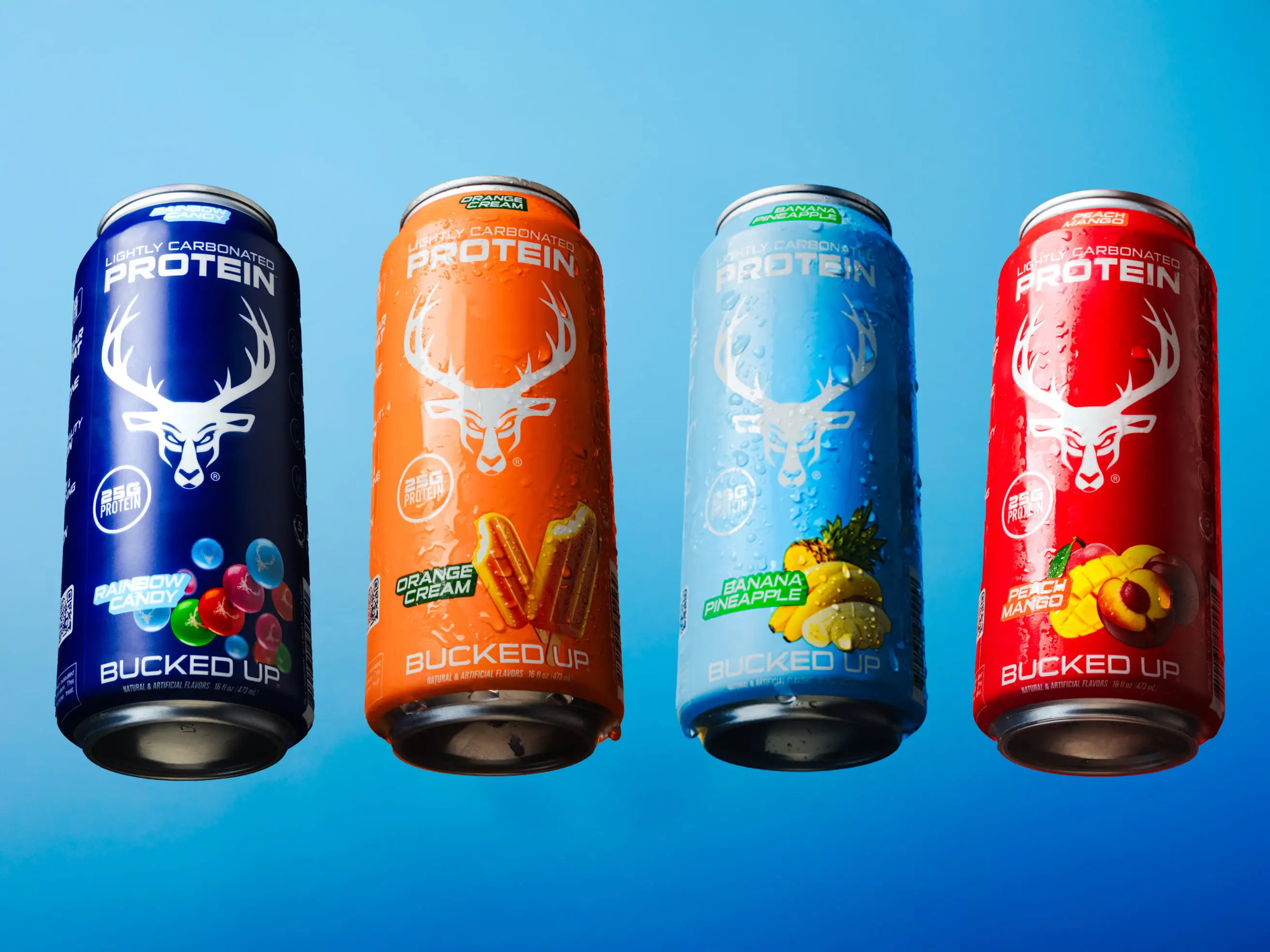
- Get a convenient 25g serving with Bucked Up Protein Soda’s whey isolate for fast, refreshing post-workout nutrition.1
From Heavy Shakes to Lighter RTDs After Your Workout
The protein supplement market has moved far beyond traditional powder shakes. Many lifters and athletes now look for convenient, fast-absorbing options that match protein timing guidelines without the prep work or heavy feel of classic shakes. The International Society of Sports Nutrition recommends 0.25–0.40 g/kg body weight of fast-digesting, high-quality protein like whey isolate within a few hours after training.
Ready-to-drink protein beverages help with three key needs: timing in the first 30-60 minutes, hitting the 20-40g dose, and using fast-absorbing protein such as isolate.1 For people managing weight or using GLP-1 medications, liquid protein can play an even bigger role. Recent 2026 research shows GLP-1 users need strategic protein intake to preserve muscle function during weight loss. Bucked Up’s carbonated format can support compliance by offering a soda-like experience that encourages regular post-workout use.1
Turning Harvard’s Protein Targets Into Your Personal Dose
Harvard’s protein guidance converts into clear serving sizes once you factor in body weight and training intensity. The table below shows how a 25g serving fits the recommended range across common body weights and effort levels, so you can see whether one can covers your needs or if you should adjust.
| Body Weight (lbs) | Low Intensity (0.25g/kg) | High Intensity (0.4g/kg) | Bucked Up Fit |
|---|---|---|---|
| 130 lbs | 15g | 24g | ✓ 25g |
| 150 lbs | 17g | 27g | ✓ 25g |
| 180 lbs | 20g | 33g | ✓ 25g |
| 200 lbs | 23g | 36g | ✓ 25g |
The optimal timeline follows Harvard’s guidance: consume protein within 0-30 minutes for peak effectiveness, with benefits extending up to 60 minutes post-workout. Research shows the post-workout protein window is flexible up to 5-6 hours post-exercise, but earlier consumption maximizes muscle protein synthesis.1 Training intensity also matters, because strength work and high-intensity intervals increase muscle protein breakdown and push you toward the higher end of the 20-40g range.
Common Post-Workout Protein Mistakes to Watch For
Missing the recommended protein window can delay muscle protein synthesis and stretch out recovery.1 Timing is only one piece of the puzzle though, because the protein type you choose also affects how quickly amino acids reach your muscles. Many people rely on whey concentrates that digest more slowly than isolates, which can work against the goal of fast post-workout delivery.
High-calorie shakes create another issue by adding extra bulk that may not match your calorie targets. Some people also underestimate protein needs during weight loss phases, when muscle preservation becomes especially important. These combined missteps can blunt the benefits of consistent training.
The Harvard protocol becomes even more critical for GLP-1 users, who face appetite suppression on top of normal recovery needs. Appetite suppression from GLP-1 receptor agonists can reduce overall food intake by up to 40% and lead to inadequate protein consumption. Liquid protein sources help cover daily requirements without forcing large solid meals when appetite stays low.
Harvard Health’s 20-40g Target in the First Hour
Harvard Health recommends 20-40g of high-quality protein within 30-60 minutes post-workout to take advantage of elevated muscle protein synthesis.1 During this period, muscles respond strongly to amino acids after the stress of training.
The recommendation highlights complete, high-quality protein sources. Whey isolate fits this need because it offers a full amino acid profile and rapid absorption.1 Harvard notes that muscles remain sensitized to protein for 24 hours after exercise, but earlier intake delivers the strongest effect.
Protein Timing Right After a Workout
Harvard and sports nutrition research both support protein intake soon after training. Exercise sensitizes muscles to protein intake for at least 24 hours post-workout, with the highest muscle protein synthesis response in the first several hours. The old idea of a strict 30-minute “anabolic window” overstates how narrow the timing must be.
Stanford Medicine research shows the post-exercise anabolic window lasts around 24 hours, which gives you flexibility. Consistent intake across the day matters more than stressing over a few minutes, while still making early post-workout protein a smart habit.
Finding Your Post-Workout Protein Amount
The body weight formula gives simple, personalized guidance. Multiply your weight in pounds by 0.11-0.18 to find your post-workout protein range. A 150-lb person lands around 17-27g, while a 200-lb person falls near 22-36g. Mass General Brigham recommends at least 15 to 25 grams of protein within 2 hours after exercise.
Training intensity then fine-tunes that range. The ISSN recommends targeting 700–3000 mg of leucine per protein dose post-workout, typically achieved with 20–40g of high-quality protein. Bucked Up’s 25g whey isolate serving sits comfortably inside this evidence-based range for many lifters.1
Why Whey Isolate Fits Harvard’s Timing Protocol
Whey protein isolate can typically pass through the digestive system within one and a half hours and usually contains 90% or more protein with minimal carbs and fats.1 Whey concentrate tends to digest more slowly and carries more non-protein components. This difference in absorption speed matters when you want amino acids available quickly after training.1
Isolate’s purity supports people watching calories or dealing with lactose sensitivity.1 As mentioned earlier, isolate’s rapid digestion, roughly 90 minutes, aligns well with Harvard’s timing guidance.1 For GLP-1 users who need efficient protein delivery without a heavy feel, isolate offers a practical option. Whey protein isolate provides a rapid leucine spike that triggers muscle protein synthesis post-workout.1 Bucked Up uses 100% whey isolate to focus on absorption speed and protein quality.1
Comparing Bucked Up to Other Ready-to-Drink Options
When you apply Harvard’s protocol in real life, three factors decide whether a product works for you: absorption speed, calorie efficiency, and how likely you are to drink it consistently. The table below compares several ready-to-drink options on these points.
| Product | Absorption Speed | Calories/Serving | Convenience | Format |
|---|---|---|---|---|
| Bucked Up Protein Soda | Fast (isolate) | 100 | Ready-to-drink | Carbonated soda |
| Premier Protein | Moderate (blend) | 160 | Ready-to-drink | Milky shake |
| Muscle Milk | Moderate (blend) | 158 | Ready-to-drink | Thick shake |
| Protein Powders | Variable | 120-150 | Requires mixing | Powder/shake |
The carbonated format of Bucked Up can help people who find traditional protein shakes too heavy or chalky. Taste, mouthfeel, and format all influence whether you will actually finish a serving after each workout, which makes compliance a key factor in your choice.
Choose the fast-absorbing isolate option—shop Bucked Up Protein Soda
Bringing Harvard’s Recovery Playbook Into Your Routine
Harvard’s guidance points to a clear pattern: 20-40g of high-quality protein within 30-60 minutes after training supports muscle protein synthesis and recovery.1 Bucked Up Protein Soda provides 25g of rapidly absorbed whey isolate1 in a convenient, refreshing can that removes mixing and reduces heaviness.
This format can fit busy gym-goers, professionals on the go, and people managing weight with GLP-1 medications. It aligns with Harvard’s protocol while offering a lighter, soda-like experience that many find easier to drink consistently.
Frequently Asked Questions
How does Bucked Up fit Harvard’s timing recommendations?
Bucked Up Protein Soda is built for immediate post-workout use within the timing window discussed earlier. The ready-to-drink can removes prep work, so you can start sipping within minutes of your last set. The 25g serving fits the recommended range for most individuals.
What makes whey isolate better than concentrate in ready-to-drink products?
Whey protein isolate can typically pass through the digestive system within one and a half hours and usually delivers over 90% protein with very little fat or carbohydrate. Whey concentrate digests more slowly and contains more non-protein material. This absorption speed difference can be crucial for post-workout timing. Bucked Up uses 100% whey protein isolate in its protein soda.
Is Bucked Up Protein Soda safe for daily use and compatible with GLP-1 medications or keto diets?
Bucked Up Protein Soda can fit into several dietary patterns. With zero carbs and zero sugar, it aligns with ketogenic approaches. For GLP-1 users, the liquid format and high protein content can support muscle maintenance during weight loss.1 The caffeine-free formula allows use at any time of day. Always consult a healthcare professional for personal guidance.
Does it taste like traditional protein shakes?
Bucked Up Protein Soda delivers a different experience from thick, milky shakes. It is lightly carbonated with a crisp, refreshing taste closer to an energy drink. You avoid the chalky residue and heavy mouthfeel while still getting 25g of high-quality protein.
How much protein should I consume if I weigh 180 lbs?
A 180-lb individual typically needs around 20-33g of protein after a workout, depending on training intensity. Bucked Up’s 25g serving falls within this range for many sessions. For total daily intake, aim for 1.2-1.7g per kg of body weight, which equals roughly 98-140g per day for 180 lbs across all meals and snacks. Use body weight in lbs multiplied by 0.11-0.18 for post-workout estimates, or work with a nutrition professional for a tailored plan.
1 The content provided in this article is for informational purposes only and is not medical advice. Consult with a medical professional before implementing any changes to your diet, health, or exercise routines.
Individual results will vary and are based on a combination of each individual’s diet, exercise, age, and health circumstances.
These statements have not been evaluated by the Food and Drug Administration. This product is not intended to diagnose, treat, cure or prevent any disease.
This article was written by Ryan Gardner, CEO of Bucked Up. As the maker of Bucked Up Protein Soda, we have a financial interest in this information. The views expressed are our own and should be read with that context in mind.