Last updated: April 22, 2026
Key Takeaways
- Ready-to-drink (RTD) high protein drinks like protein sodas cut prep time to zero and travel more easily than mix-at-home shakes.
- Whey protein isolate in RTD drinks delivers fast-absorbing, high-quality protein with relatively low calories and no added sugar.1
- Busy adults on GLP-1 medications face higher protein needs to protect muscle; light RTD drinks can help keep intake consistent.1
- Carbonated protein sodas provide a refreshing taste and lighter texture that can feel easier to drink during a hectic day.
- Consider Bucked Up Protein Soda if you want a convenient, zero-sugar whey isolate option.
High Protein Drinks vs Shakes: Fast Comparison for Busy Adults
The table below compares prep time, calories, sugar, and texture so you can quickly see how RTD protein sodas stack up against shakes.
| Attribute | Bucked Up RTD Protein Soda | Traditional Protein Shakes | Generic RTD Competitors |
|---|---|---|---|
| Prep Time | 0 seconds | 2-5 minutes (mixing, cleanup) | 0 seconds |
| Protein Content/Type | 25g whey isolate* | 20-30g (varies by brand/scoop) | 20-30g (varies; some use concentrate) |
| Calories | 100 calories* | 120-300+ calories | 140-250 calories (varies by brand) |
| Sugar Content | 0g* | Up to 23g added sugar per scoop | 0-4g (varies by brand) |
| Texture/Portability | Light, carbonated, grab-and-go | Thick, often better chilled | Creamy, shelf-stable |
RTD Protein Drinks Pros: Zero preparation time, consistent dosing, no cleanup, portable, lighter texture, no mixing equipment needed.
RTD Protein Drinks Cons: Higher cost per gram of protein, limited flavor customization, packaging waste, less protein per dollar than powders.
Protein Shakes Pros: Cost-effective per serving, customizable flavors and ingredients, potential for higher protein per serving, bulk purchasing options.
Protein Shakes Cons: Requires preparation time and cleanup, inconsistent mixing, equipment dependency, and can exceed 1,200 calories when mixed with milk.
Nutrition Details: Protein Quality, Absorption, and Weight Loss Goals
Whey protein isolate goes through extra filtration that removes most fats, carbohydrates, and lactose, resulting in at least 90% protein by dry weight. This higher purity translates to faster absorption than whey concentrate, which typically contains only 34-80% protein and retains more fats and lactose.1 Those retained fats and lactose also explain why concentrate often tastes heavier and more dairy-forward, while isolate offers a cleaner, lighter flavor.
The table below highlights how whey isolate can deliver more protein per calorie than many concentrates or plant blends, which matters when you want high protein without a large calorie load.
| Nutritional Factor | Whey Isolate (Bucked Up) | Whey Concentrate | Plant Protein RTD |
|---|---|---|---|
| Protein per 25g serving | 25g (100% isolate)* | 18-22g typical | 20-25g (varies by blend) |
| Calories per 25g protein | 100 calories* | 120-150 calories | 140-180 calories |
| Sugar content | 0g* | Up to 23g added sugar | 0-4g (varies) |
| Lactose content | Minimal (isolate processing) | Higher (concentrate retains more) | None (plant-based) |
Adults using GLP-1 medications often need higher protein at each meal to protect lean mass. Guidance suggests 25–40 grams of protein per meal to support daily targets and muscle preservation. A recent 2026 study of 332 adults found GLP-1 users averaged only 0.6 g protein per lb-equivalent body weight per day, with 88% falling below recommended intake.
Bucked Up Protein Soda supports these needs by pairing a 25g isolate serving with 100 calories*.1 This ratio helps deliver meaningful protein while keeping calories in a range that can fit many weight management plans.1
Everyday Use Cases: High Protein Drinks for Real-Life Schedules
Busy Professional: During back-to-back meetings, RTD protein drinks provide discreet nutrition without any prep. A marketing manager can sip a protein soda during a conference call and maintain energy and satiety without stopping to mix a shake or deal with a heavy, milky drink.1
Parent on the Go: Between school pickups and practices, parents often need something they can grab with one hand. RTD options remove the hassle of blenders and shaker bottles while kids wait in the car. The light, refreshing feel of carbonated protein drinks can be easier to handle than thick shakes during stressful stretches.
Gym-Goer: After a workout, timing your protein matters, yet carrying powder and a shaker is not always realistic. RTD protein drinks offer immediate post-exercise protein without hunting for clean water or a place to rinse equipment.1
Ready for zero-prep protein that fits these kinds of days? Grab your Bucked Up Protein Soda here.
Taste, Texture, and GLP-1 Needs: Why Lighter RTD Sodas Appeal
Traditional protein shakes often feel thick and milky, which can seem heavy when appetite runs low. Carbonated protein drinks provide a crisp, light alternative that feels closer to a flavored beverage than a supplement. Because of its refined processing, whey isolate works well in lighter, clear-style drinks and supports this cleaner taste.
For GLP-1 users, liquid nutrition can become a practical tool. Reduced appetite makes each calorie and gram of protein count more. Many people find light, carbonated beverages easier to tolerate than heavy, creamy options when dealing with nausea or early fullness.
Bucked Up Protein Soda removes several common shake frustrations. It avoids chalky residue, does not require refrigeration before opening, and contains no caffeine that might disrupt sleep or cause jitters. The zero-sugar, zero-carb formulation can support ketogenic or lower-carb approaches, while the carbonation adds a satisfying, soda-like experience.1
Powders usually win on cost per gram of protein, since bulk tubs spread cost over many servings. Even so, the RTD protein beverage market continues to grow, which suggests many consumers value convenience and taste enough to pay a bit more.
How Bucked Up Protein Soda Fits Busy, High-Protein Lifestyles
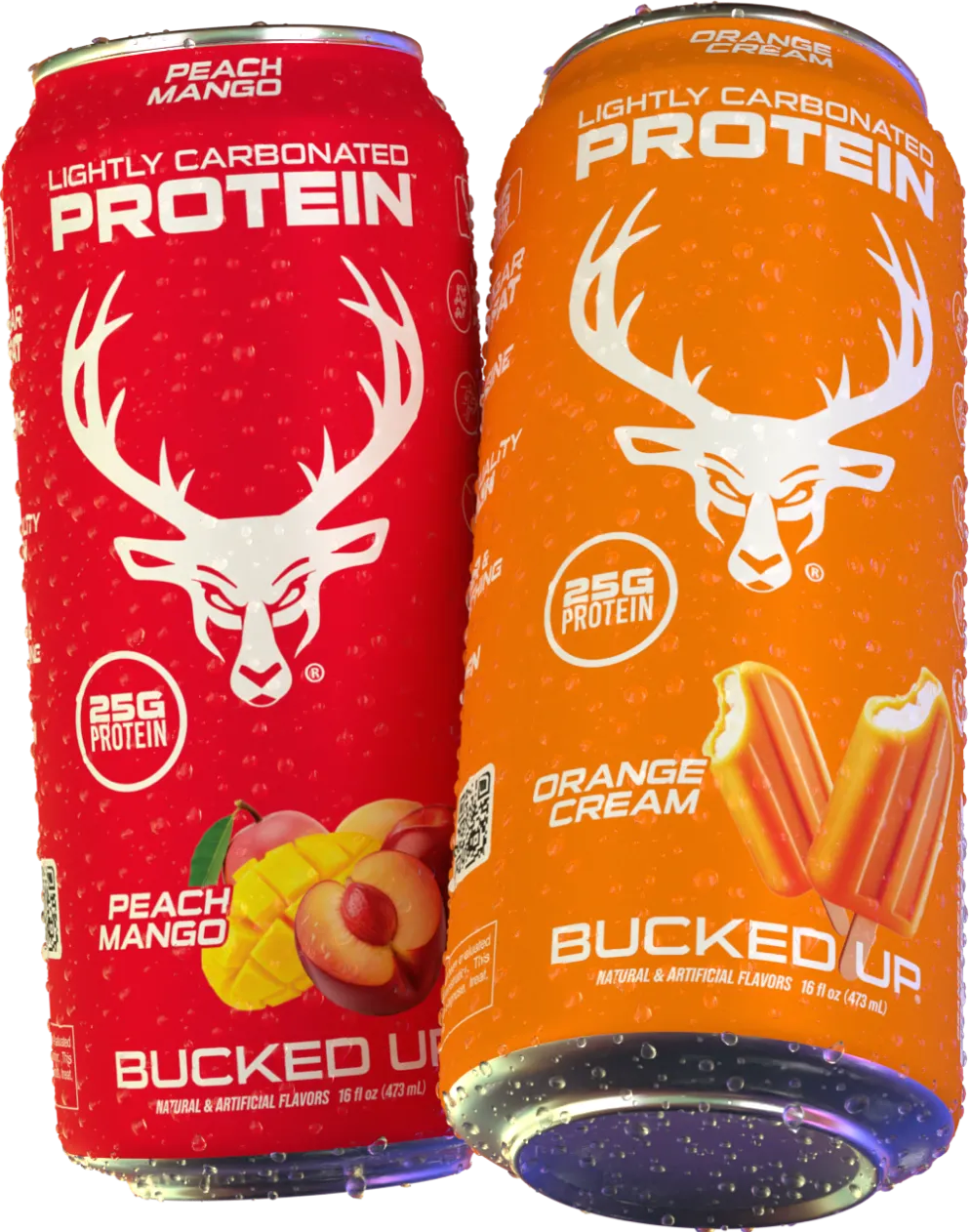
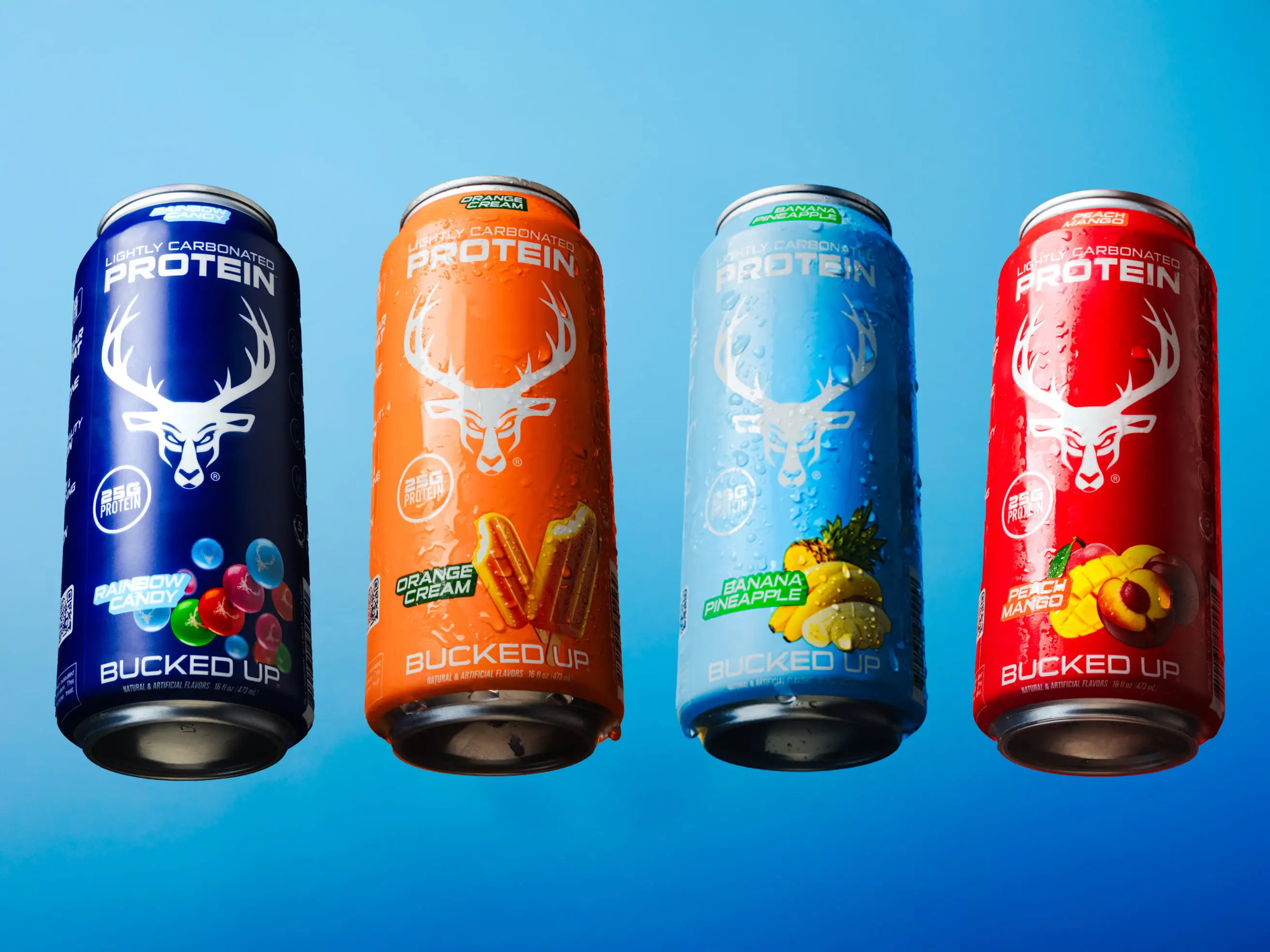
Bucked Up Protein Soda combines several features that matter for on-the-go use. Each can provides a 25g serving of whey protein isolate* at 100 calories*, with zero sugar and carbohydrates*, a caffeine-free formula, and production in USA GMP-certified facilities. Some competitors use protein concentrates or add collagen to raise protein numbers, while Bucked Up relies on 100% whey isolate to provide a complete amino acid profile and support efficient absorption.1
The carbonated format also solves a common problem for people who dislike creamy shakes. Instead of a thick, dessert-like drink, Bucked Up Protein Soda feels closer to an energy drink in texture and flavor, which can make daily use more appealing.
Use the framework below to match your primary goal with the format that supports it best.
| Goal | Recommended Format | Why Bucked Up Fits |
|---|---|---|
| Zero prep time | RTD beverages | Grab-and-go convenience |
| GLP-1 compatibility | Light, liquid protein | Easy-to-drink texture and a meaningful protein dose |
| Weight management | Low-calorie, high-protein | 100 calories with no added sugar |
| Taste preference | Non-milky alternatives | Carbonated, energy drink-like flavor |
For busy adults who want convenience without giving up nutrition, RTD protein sodas can blend the portability of energy drinks with the benefits of high-quality protein.
Transform your protein routine with convenience that fits your lifestyle. Shop Bucked Up Protein Soda now.
High Protein Drinks vs Shakes FAQ
Are protein drinks or shakes better for people on GLP-1 medications?
Many GLP-1 users find light, carbonated protein drinks easier to tolerate than thick shakes when appetite drops or nausea appears. The liquid format goes down more easily than solid food, and a lighter texture helps avoid uncomfortable fullness that might limit protein intake. Because GLP-1 users often need higher protein to protect muscle, easily digestible drinks can play a useful role.1
Which is better for weight loss: protein drinks or shakes?
Both formats can support weight loss when they fit your calorie targets and provide enough protein to help preserve muscle. RTD protein drinks usually come in fixed portions with clear calorie counts, which simplifies tracking. Protein shakes allow more customization but can become high-calorie when mixed with milk, nut butters, or other add-ins. Focus on options with roughly 20-30g protein, minimal added sugar, and calories that match your daily plan, then choose the format you will use consistently.
Is it safe to drink high-protein beverages daily?
Most adults can safely include high-protein beverages every day as part of a balanced diet. Many guidelines place total daily protein in the range of 1.2-2.0g per lb-equivalent body weight from all sources, depending on goals and health status. RTD protein drinks offer a practical way to close gaps when whole-food protein falls short, but they should not replace all solid protein sources, which add other nutrients and fiber. Anyone with kidney disease or related conditions should talk with a healthcare professional before raising protein intake.
How does Bucked Up compare to other RTD protein options?
Bucked Up Protein Soda uses 100% whey protein isolate* rather than concentrates or collagen blends. Each can provides a 25g serving at 100 calories* with zero sugar and carbohydrates*, along with a carbonated, soda-like format. Some RTD competitors include collagen, which does not supply a complete amino acid profile for muscle building. The caffeine-free formula also allows flexible timing, including evenings.
Do protein drinks absorb faster than protein shakes?
Protein type affects absorption more than packaging. Whey protein isolate, whether in a canned drink or a mixed shake, generally absorbs faster than concentrate because of its higher purity.1 RTD beverages arrive fully dissolved, so they may start emptying from the stomach slightly sooner than a thick shake, but the difference usually stays small. Both liquid formats tend to absorb faster than solid foods like meat or eggs, which require more digestion.
Conclusion: Why RTD High Protein Drinks Work for Busy Lifestyles
Traditional protein shakes still make sense at home or when you want full control over ingredients, yet RTD high protein drinks often fit busy days better. For professionals, parents, and people managing weight with or without GLP-1 medications, ready-to-drink options remove friction around prep, cleanup, and portability. Bucked Up Protein Soda delivers a whey isolate serving* in a refreshing, zero-prep format that can slide into even the most hectic schedule.1
1 The content provided in this article is for informational purposes only and is not medical advice. Consult with a medical professional before implementing any changes to your diet, health, or exercise routines.
Individual results will vary and are based on a combination of each individual’s diet, exercise, age, and health circumstances.
These statements have not been evaluated by the Food and Drug Administration. This product is not intended to diagnose, treat, cure or prevent any disease.
This article was written by Ryan Gardner, CEO of Bucked Up. As the maker of Bucked Up Protein Soda, we have a financial interest in this information. The views expressed are our own and should be read with that context in mind.