Key Takeaways
- High protein, low calorie eating can support weight management, muscle preservation, and overall metabolic health when used as part of a balanced plan.*
- Most active adults benefit from more protein than the basic RDA, especially during intense training or weight loss phases.
- Even distribution of protein across meals, with a focus on post-workout intake, can support muscle recovery and performance.*
- Clear, light protein options can make it easier to stay consistent than heavy shakes or large meals, especially for people with low appetite.
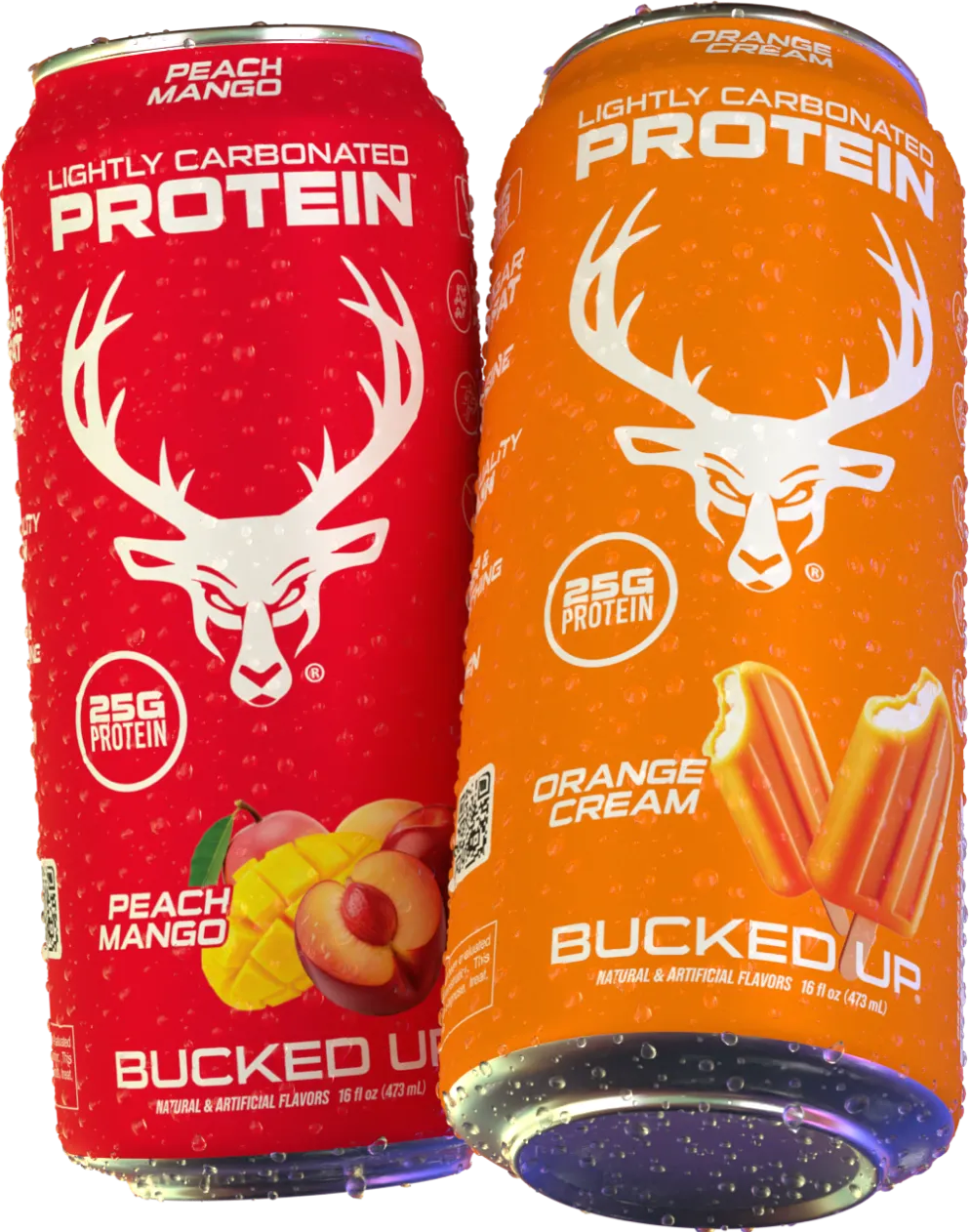
- Bucked Up Protein Soda offers 25g of whey isolate in a 100 calorie can, giving you a convenient high protein, low calorie option you can drink anytime.
High protein, low calorie strategies fit a wide range of goals, from fat loss to performance. The rest of this guide explains how much protein to aim for, common challenges, and how Bucked Up Protein Soda can fit into your routine.
The Power of High Protein, Low Calorie for Your Health and Fitness Goals
High protein, low calorie nutrition centers on using protein to support body composition and appetite while keeping total calories in check.* Protein increases satiety hormones like GLP-1 and peptide YY, which signal fullness and can reduce later food intake. Protein also has a higher thermic effect than carbs or fats, so your body uses more energy to digest it.
Muscle preservation becomes especially important during calorie deficits or reduced appetite. When energy intake drops, muscle can break down if dietary protein is too low. Higher protein intake supplies the amino acids needed for muscle protein synthesis, which helps limit muscle loss and supports strength and function as you age.* Adults can lose several percent of muscle mass per decade after 30, so steady protein intake and resistance training both matter.
Active people and athletes gain additional benefits from enough protein. Adequate intake can support repair of exercise-induced muscle damage, training adaptations, and recovery between sessions, which can translate into better performance over time.*
Tailoring Your Protein Intake: What the Science Says
Core Protein Targets for Different Activity Levels
The standard Recommended Dietary Allowance is 0.8 g protein per kilogram of body weight per day for sedentary adults. This level helps prevent deficiency but does not always support optimal body composition or performance.
- General active adults: 1.2 to 2.0 g/kg body weight, with higher intakes during heavy training or calorie deficits.
- Endurance athletes: Around 1.8 g/kg per day, and runners benefit from a similar 1.8 g/kg/day target, with 2025 reviews supporting this range.
- Strength and power athletes: 1.6 to 2.2 g/kg body weight, and 1.4 to 2.0 g/kg for resistance-trained athletes.
| Activity Level | Protein (g/kg BW/day) | Example (155 lb person) | Key Considerations |
|---|---|---|---|
| Sedentary Adults | 0.8 | 56g | Basic health, prevent deficiency |
| Active Individuals | 1.2 – 2.0 | 84g – 140g | General fitness, lean mass support |
| Endurance Athletes | 1.2 – 1.8 | 84g – 126g | Recovery, muscle repair, energy demands |
| Strength Athletes | 1.4 – 2.2 | 98g – 154g | Muscle growth, heavy training blocks |
Timing and Spacing Protein Through the Day
Steady protein intake across the day can support muscle protein synthesis more effectively than one large serving.* Guidelines from NSCA suggest eating protein every 3 to 4 hours, and evidence supports a 3 to 5 hour spacing.
- Per meal, 15 to 30g of protein often provides solid benefits.
- Post-workout, about 0.25 to 0.3 g/kg (roughly 15 to 25g) within 0 to 2 hours after training can support recovery.*
Why Traditional Protein Sources Can Be Hard to Stick With
Many people understand their protein goals but still fall short because common options do not fit their preferences or schedules. Thick, creamy shakes can feel heavy, chalky, or repetitive over time, which makes daily use difficult.
Digestive comfort also matters. Rich, milk-based shakes may cause bloating or lingering fullness for some people, especially those sensitive to lactose. These effects can make later meals or workouts less comfortable.
Convenience creates another barrier. Powders need measuring, shaking, and cleanup. For busy professionals, parents, and travelers, that extra friction often leads to skipped servings.
People using GLP-1 medications or those with low appetite face added challenges. Solid, bulky foods may feel unappealing, yet they still need enough high quality protein for health and muscle maintenance.* A lighter, easier-to-drink option can make a noticeable difference.
Bucked Up Protein Soda: A Clear, Light High Protein, Low Calorie Option
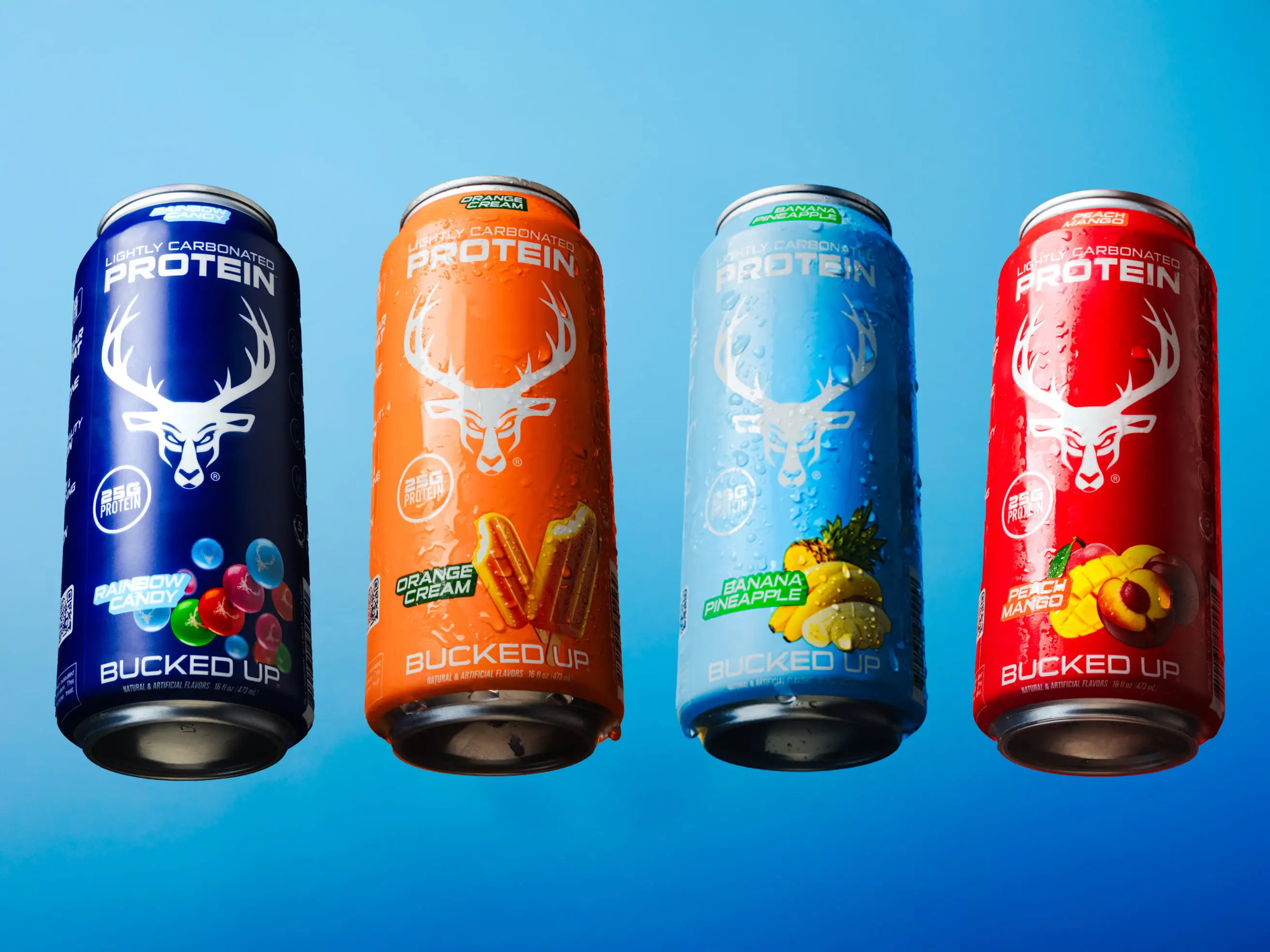
Bucked Up Protein Soda offers a different take on protein supplementation. The drink is clear and lightly carbonated, with a crisp texture that feels closer to a flavored soda or energy drink than a shake.
Each can provides 25g of whey protein isolate and 100 calories, with zero sugar and zero carbs. The whey isolate is filtered to remove most lactose, fat, and extra carbs, which can support faster absorption and easier digestion for many people.*
The caffeine free formula gives flexibility. You can drink it after training, between meals, in the evening, or alongside a snack without worrying about stimulants.
How Bucked Up Protein Soda Compares to Common Protein Options
| Feature | Bucked Up Protein Soda | Traditional RTD Shakes | Protein Powder (DIY) |
|---|---|---|---|
| Protein Source | 100% Whey Protein Isolate | Whey Concentrate or Blends | Varies (Whey, Casein, Plant) |
| Calories (per 25g protein) | ~100 | ~150 – 250+ | Varies (depends on mix-ins) |
| Format | Lightly Carbonated, Clear | Thick, Creamy Liquid | Powder that needs mixing |
| Convenience | Ready to drink can | Ready to drink bottle | Preparation and cleanup |
Protein quality stands out as a key difference. Many products use blends or add collagen, which does not provide a complete amino acid profile for muscle protein synthesis. Bucked Up Protein Soda focuses on complete whey isolate to support muscle recovery and maintenance.*
The calorie profile also supports high protein, low calorie goals. Reaching 25g of protein in about 100 calories can make it easier to stay within a calorie target compared to heavier shakes that add more fats, sugars, or fillers.
Easy Ways to Use Bucked Up Protein Soda in Daily Life
Boost Satiety and Support Weight Management
Many people find that a 25g protein drink between meals helps manage hunger and reduce snacking on higher calorie foods.* Bucked Up Protein Soda can work well as a mid-morning or afternoon option, especially during a calorie deficit.
Support Post-Workout Recovery
After a workout, muscles are primed to use amino acids for repair and adaptation.* A can of Bucked Up Protein Soda fits the typical 15 to 25g post-training target for many adults and feels lighter than a thick shake when you are already warm and tired.
Help GLP-1 Users Meet Protein Goals
People using GLP-1 medications often report early fullness and reduced interest in food. A clear, small volume protein drink can feel easier to finish than a rich shake or large meal, which can help support muscle preservation during weight loss phases.*
Swap Low Value Drinks for Protein
Replacing one or two sugary sodas or flavored drinks with Bucked Up Protein Soda can raise daily protein intake by 25 to 50g without adding extra sugar. This simple swap can improve overall nutrient density while keeping calories modest.
Frequently Asked Questions About High Protein, Low Calorie and Bucked Up Protein Soda
What are the main benefits of a high protein, low calorie approach?
High protein, low calorie strategies can support appetite control, fat loss, and muscle preservation when paired with an appropriate training and nutrition plan.* Protein tends to increase feelings of fullness, requires more energy to digest, and helps your body maintain lean tissue while you lose weight.
Is Bucked Up Protein Soda suitable for people using GLP-1 medications?
Bucked Up Protein Soda can be a practical option for many GLP-1 users who need more protein but feel full quickly. The light, carbonated texture and concentrated 25g of protein in 100 calories may be easier to tolerate than heavier shakes, which can support muscle maintenance during weight loss.* Anyone on medication should check with their healthcare provider about changes to their nutrition plan.
What makes Bucked Up Protein Soda different from other protein drinks?
Bucked Up Protein Soda is clear, lightly carbonated, and caffeine free, so it feels more like a refreshing soda than a shake. The drink uses only whey protein isolate for its 25g of protein, keeps calories at 100, and contains no sugar or carbs, which fits well with high protein, low calorie goals.
Conclusion: Make High Protein, Low Calorie Easier to Follow
High protein, low calorie nutrition in 2026 can support weight management, muscle health, and performance, but only if it feels realistic to maintain.* Lighter, more convenient options make it easier to hit your numbers without relying on large meals or heavy shakes.
*Disclaimer: These statements have not been evaluated by the Food and Drug Administration. This product is not intended to diagnose, treat, cure, or prevent any disease.