Last updated: April 22, 2026
Key Takeaways
- Aim for 0.25g protein per lb bodyweight (25-40g for most) within 30-60 minutes post-workout to support muscle protein synthesis.1
- Use bodyweight-based calculations: 40g for 160lb hypertrophy goals, higher (0.3g/lb) for weight loss or GLP-1 users.
- The anabolic window extends 24 hours, but earlier intake in the first 30-60 minutes supports recovery, especially after fasted training.1
- Whey isolate works well post-workout because it digests quickly, provides complete amino acids, and is easier on the stomach than many concentrates or collagen blends.1
- Grab Bucked Up Protein Soda for convenient 25g whey isolate servings, and stack 2 cans for 50g when your plan calls for more.
Post-Workout Protein Targets by Bodyweight and Goal
Your protein needs change with your bodyweight and training goals. Use this table to find a starting point for your post-workout dose:
| Body Weight | Recovery (0.2g/lb) | Hypertrophy (0.25g/lb) | Weight Loss/GLP-1 (0.3g/lb) |
|---|---|---|---|
| 120 lbs | 24g | 30g | 36g |
| 140 lbs | 28g | 35g | 42g |
| 160 lbs | 32g | 40g | 48g |
| 180 lbs | 36g | 45g | 54g |
| 200 lbs | 40g | 50g | 60g |
| 220 lbs | 44g | 55g | 66g |
For muscle building (hypertrophy), a 160 lb lifter can target 40g protein post-workout. Recovery-focused athletes can stay on the lower end around 25g. Those on GLP-1 medications may benefit from higher amounts, around 30g or more, to help support muscle during weight management.1 Studies suggest that 1.0-1.6g per kg of ideal bodyweight daily helps preserve muscle during GLP-1 therapy, so post-workout protein becomes one helpful piece of the plan.
Dialing In Timing: Why the 30–60 Minute Window Matters
The 30-60 minute post-workout window gives a practical sweet spot for protein, even though exercise sensitizes muscles to protein intake for at least 24 hours. The ISSN position stand notes that protein consumed within a few hours after training supports muscle protein synthesis,1 which softens the old “you must drink it in 30 minutes” rule.
Dr. Stacy Sims recommends women consume 35-60g protein within 45 minutes, depending on hormonal status. Men can often stretch this window to about 2-2.5 hours. Earlier intake still tends to support a stronger muscle-building response, especially after hard sessions.1
Timing becomes more flexible if you had protein before training. Pre-workout protein consumed 2-3 hours prior supplies amino acids, so your post-workout shake does not need to be immediate. For fasted training sessions, aim for protein within 1-2 hours to support recovery.
Have Bucked Up Protein Soda chilled and ready so you can drink it during that 30-60 minute window after your next workout.
Fast, Convenient Ways to Hit Your Post-Workout Protein
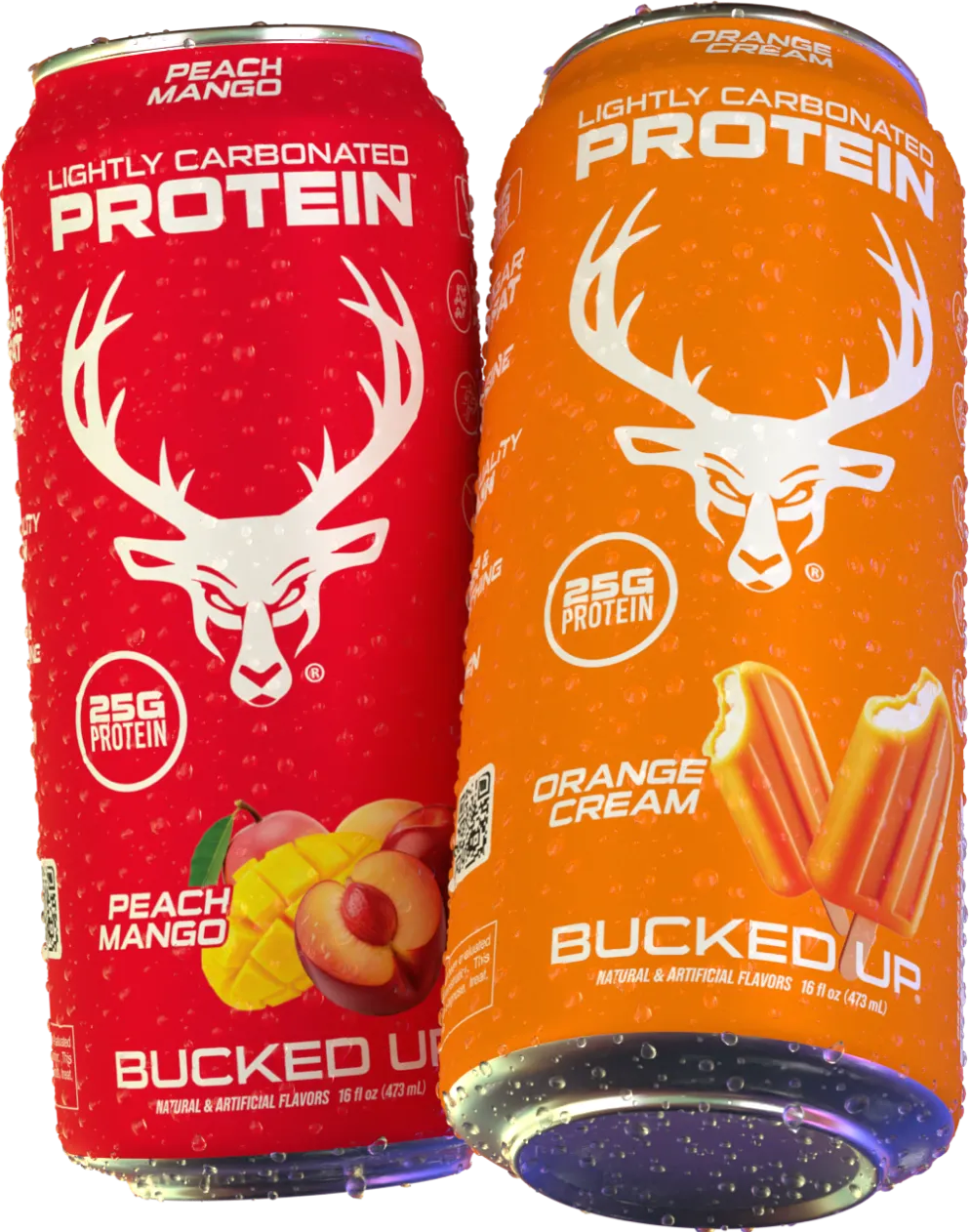
Bucked Up Protein Soda delivers 25g of 100% whey protein isolate in a refreshing, lightly carbonated drink that feels similar to an energy drink without the caffeine crash. Each can has just 100 calories with zero sugar and zero carbs. That makes it a practical protein dose for many athletes without the heaviness of thick shakes.
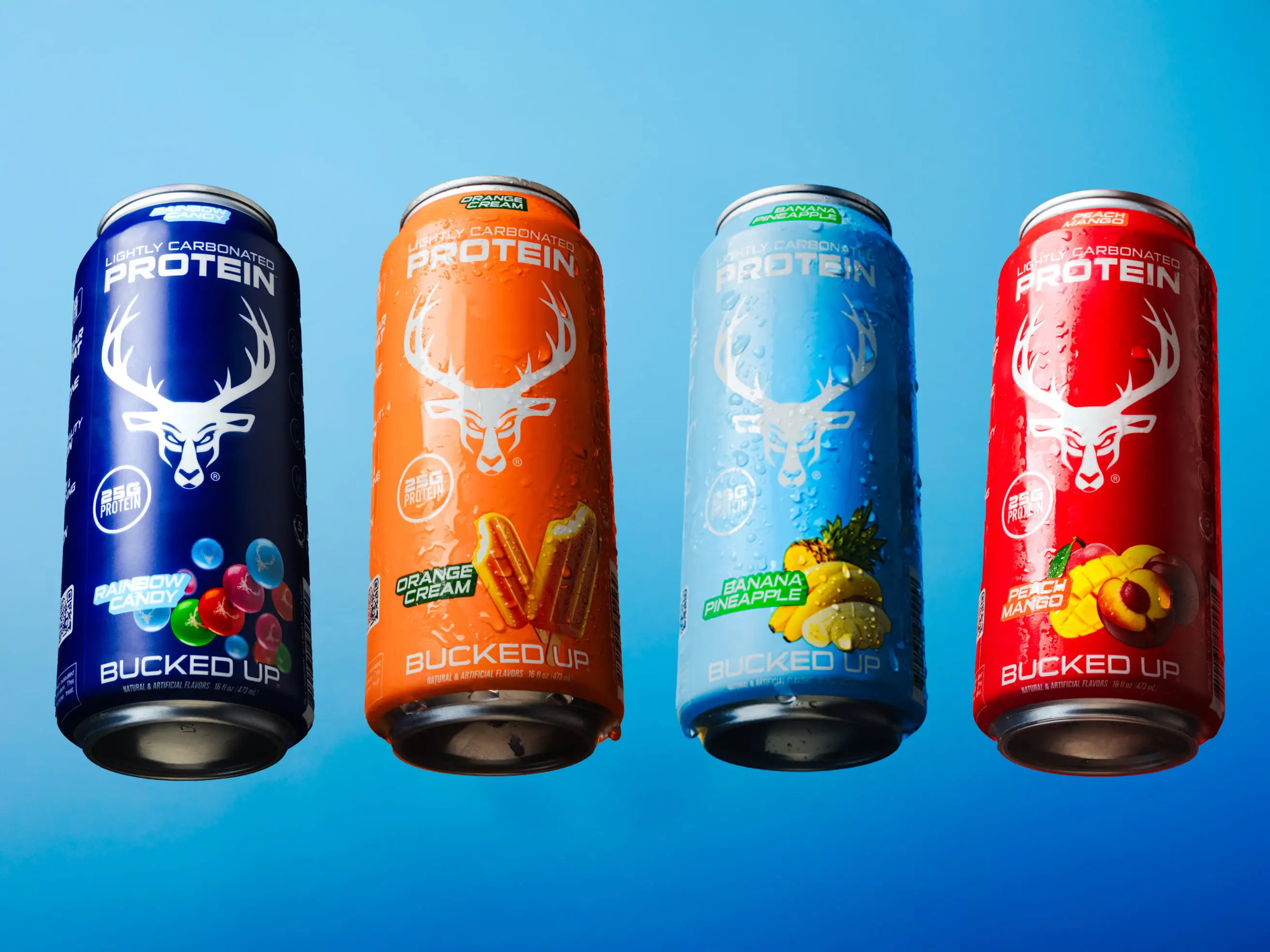
Here is how that helps different people:
- Rapid absorption supports gym-goers who want quick recovery after lifting or intervals.1
- Grab-and-go cans fit busy schedules for professionals and parents who do not have time to blend shakes.
- Light, clear liquid can feel easier to digest for some GLP-1 users compared with heavy solid meals.1
- Refreshing flavor avoids the chalky aftertaste that some traditional protein drinks can have.
Bucked Up Protein Soda can stand out with its unique experience: “The protein sodas far exceeded my expectations. They taste similar to an energy drink and don’t have any weird aftertaste like some other clear whey protein drinks do.” Another user shared, “These are seriously delicious! They taste like an energy drink, but healthier and with no caffeine.” Beyond taste and convenience, the type of protein inside the can matters for your recovery.
Why 100% Whey Isolate in Bucked Up Works After Training
Whey protein isolate goes through more filtration than concentrate, which supports faster digestion and absorption.1 Bucked Up uses 100% isolate without lactose or gluten, so many people with sensitive digestion can tolerate it more easily.1 The carbonation does not interfere with protein uptake.1 It simply makes the drink more enjoyable for many users.
Some competitors can use blends of whey concentrate and collagen to increase the protein number on the label. Collagen supports joints, hair, and nails, but it does not provide a complete amino acid profile for muscle protein synthesis. Bucked Up’s pure isolate formulation supplies complete amino acids at the time your muscles are most primed to use them.1
For hypertrophy goals that call for 40g or more protein, you can drink 1-2 cans based on your bodyweight calculations. The same flexible dosing approach helps GLP-1 users, who may prefer a light, easily digestible drink when solid foods feel challenging.
People Also Ask: Straight Answers on Post-Workout Protein
Is 50g too much after a workout?
Fifty grams is not automatically too much, especially for larger or advanced athletes. Recent research shows muscle protein synthesis can be maximized with 40g or more in bigger, well-trained individuals.1 Start with 25-40g based on your bodyweight, then adjust upward if your size and training load support it.
What is the 2-hour protein rule?
The 2-hour rule states that protein intake remains useful for about 2 hours after training. Current evidence suggests that 30-60 minutes remains a strong target for peak muscle protein synthesis. Do not panic if you miss that exact window, but aim to drink your protein earlier when you can.
How much protein for females vs males?
Use the same per-pound calculations for both. The 0.2-0.3g per lb range applies regardless of gender. Women may need slightly higher amounts during menopause, around 40-60g, yet bodyweight still drives most of the decision.
When is it too late to drink protein after a workout?
Protein intake can support recovery for up to 24 hours after exercise, although the response gradually decreases. The anabolic window can extend 4-6 hours on either side of training, which gives you more flexibility than older rules suggested.
Can I drink 2 cans of Bucked Up Protein Soda?
Yes, if your bodyweight and goals call for 50g or more protein in that meal. Two cans provide 50g of pure whey isolate, which fits within typical safe daily protein ranges for healthy adults. Check with your healthcare provider if you have kidney issues, other medical conditions, or specific dietary questions.
Putting It All Together: Your Post-Workout Protein Plan
Most lifters can aim for 25-40g protein within 30-60 minutes after training, using 0.25g per lb bodyweight as a simple guide for muscle building. Bucked Up Protein Soda delivers that dose in a convenient, refreshing drink that can stand out in taste and digestibility compared with many traditional shakes.
Whether you are chasing new PRs, juggling workouts with a busy schedule, or managing weight with GLP-1 medications, dialing in protein timing and dosage can support recovery and help preserve muscle mass.1 Keep Bucked Up Protein Soda on hand so you are ready for your next post-workout window.
Frequently Asked Questions
How quickly should I drink protein after my workout?
Try to drink your post-workout protein within 30-60 minutes to support muscle protein synthesis. The anabolic window lasts several hours, yet earlier intake usually supports a stronger response. If you trained fasted, aim for protein within the first hour. If you ate protein 2-3 hours before training, you have more flexibility.
Can I get enough protein from food instead of supplements?
Yes, whole foods like chicken, fish, eggs, and dairy provide complete proteins. Many people still prefer a liquid source right after training because it is quick, easy to drink, and digests faster than a full meal. Bucked Up Protein Soda bridges that gap by offering fast-digesting whey isolate in a refreshing, grab-and-go can that needs no prep or cleanup.
How does protein timing change with different workouts?
Resistance training creates the highest demand for post-workout protein because it causes muscle damage that needs repair. Endurance sessions also benefit from protein, but carbohydrate refueling becomes equally important. High-intensity interval training sits between these, calling for both protein for recovery and carbs for glycogen. Across workout types, the 0.25g per lb bodyweight guideline offers a reliable starting point.
What makes whey isolate a strong choice post-workout?
Whey isolate absorbs quickly, which suits the post-workout period when muscles are primed for nutrients.1 It provides all essential amino acids in ratios that support muscle protein synthesis, including high leucine levels that trigger the process.1 Compared with casein, many plant proteins, or whole-food meals, whey isolate reaches your muscles faster when timing matters.
Should I change my protein intake if I am trying to lose weight?
Increase your post-workout protein when you are in a calorie deficit to help preserve muscle mass during weight loss.1 Use the higher end of the range, around 0.3g per lb bodyweight. This approach becomes especially helpful for people using GLP-1 medications, where reduced appetite can lower protein intake and raise the risk of muscle loss if protein is not prioritized.
1 The content provided in this article is for informational purposes only and is not medical advice. Consult with a medical professional before implementing any changes to your diet, health, or exercise routines.
Individual results will vary and are based on a combination of each individual’s diet, exercise, age, and health circumstances.
These statements have not been evaluated by the Food and Drug Administration. This product is not intended to diagnose, treat, cure or prevent any disease.
This article was written by Ryan Gardner, CEO of Bucked Up. As the maker of Bucked Up Protein Soda, we have a financial interest in this information. The views expressed are our own and should be read with that context in mind.