Last updated: April 22, 2026
Key Takeaways
- Traditional shakes and bars can cause protein bloating for many adults, and GLP-1 users risk 20-40% muscle loss without enough protein.
- Spread 20-30g protein every 3-4 hours to support muscle growth and reduce digestive discomfort.
- Choose whey protein isolate over concentrate to cut lactose and support easier digestion for sensitive stomachs.
- Avoid bloat triggers like sugar alcohols, gums, and artificial sweeteners that appear in many protein products.
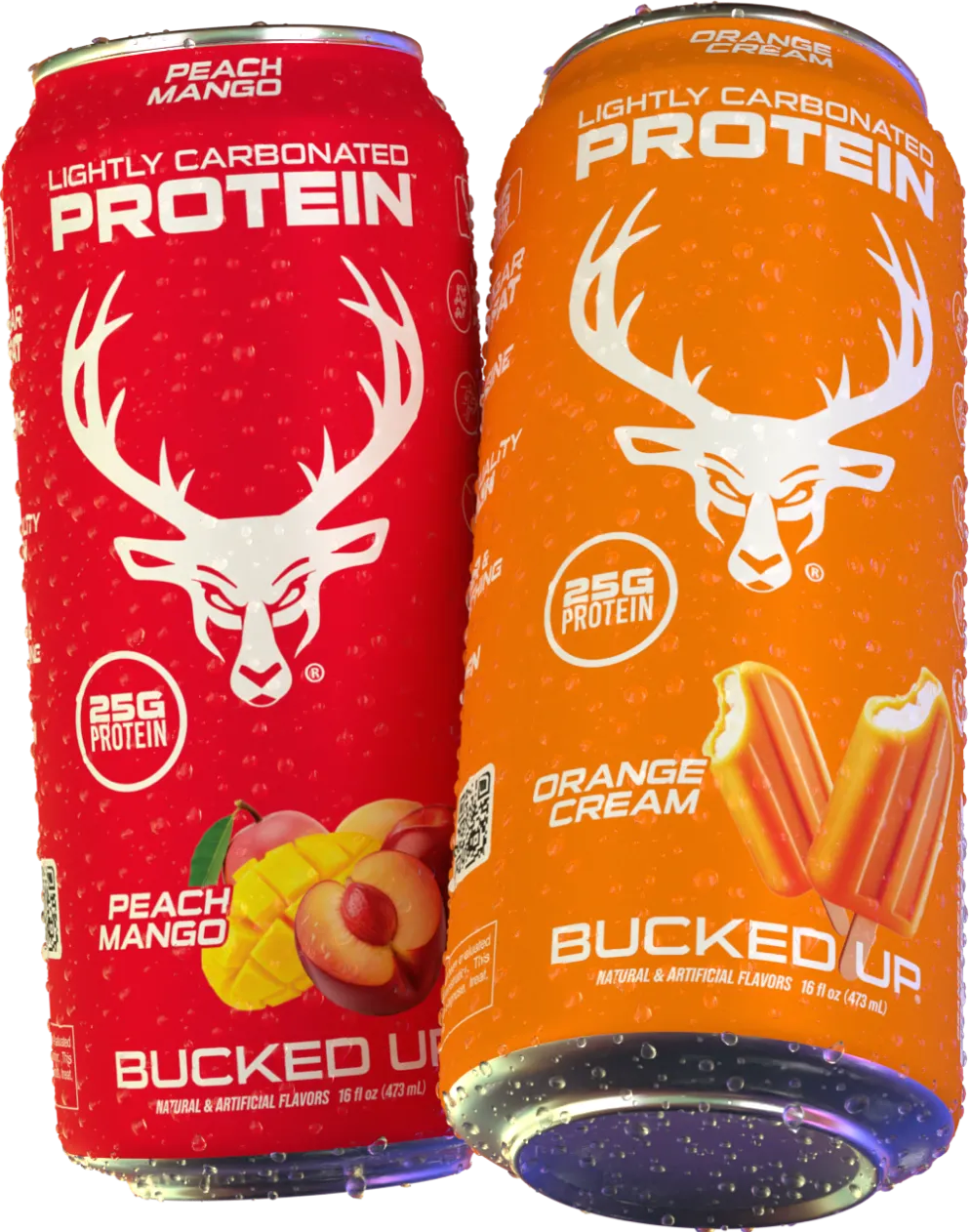
- Try Bucked Up Protein Soda for 25g whey isolate in a refreshing, zero-sugar carbonated format that supports bloat-free intake.1
The Problem: Why Bloat-Free Protein Intake Matters
High-protein diets can create a perfect storm for digestive issues. Undigested protein ferments in the intestines, releasing gases and inflammatory substances that irritate the colon. Large servings at once and protein sources high in lactose or hard-to-digest compounds make this problem worse.
GLP-1 users face even higher stakes. GLP-1 users should consider aiming for 1.2 to 1.6 grams of protein per pound of body weight daily, which is significantly higher than the standard 0.8g/lb recommendation, to help prevent muscle loss during weight management. Reduced appetite from these medications makes reaching that intake from whole foods alone very difficult.
Introducing Bucked Up Protein Soda: A Bloat-Conscious Protein Option
Bucked Up Protein Soda offers a different way to take in protein. Thick, milky shakes can sit heavy in your stomach, while this lightly carbonated beverage provides 25g of whey isolate protein in a crystal-clear, refreshing drink that tastes similar to an energy drink without caffeine, sugar, or common digestive discomfort.1
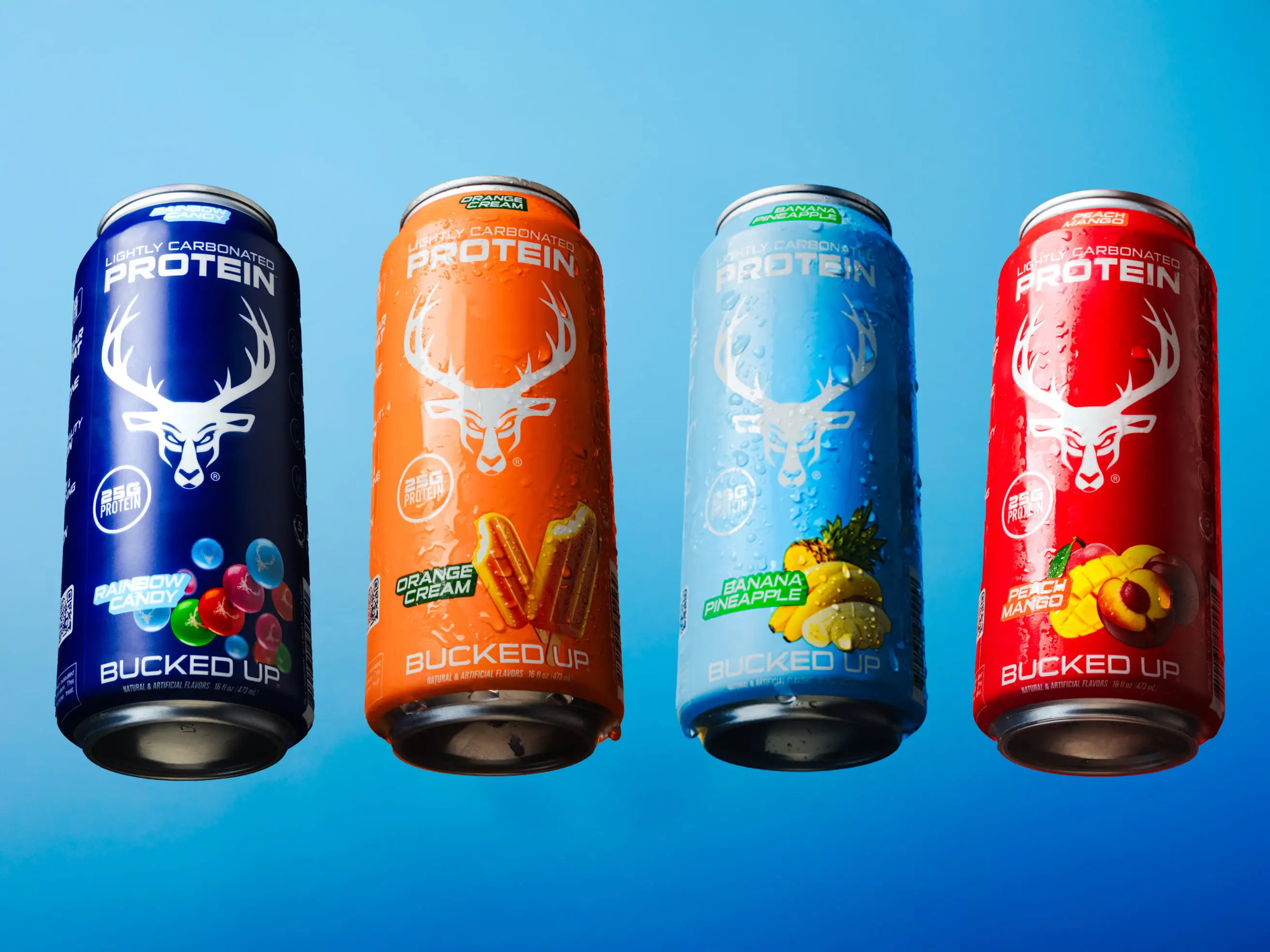
The protein source drives this difference. Whey protein isolate can offer higher bioavailability than standard whey forms. That can support faster muscle recovery and reduce the time undigested protein spends in your gut.1
Try Bucked Up Protein Soda to experience bloat-conscious protein that actually tastes enjoyable.
Way 1: Pace Your Protein Intake Throughout the Day
Strategic timing is one of the most effective ways to prevent protein bloating. Spreading protein intake throughout the day instead of consuming large amounts at once supports better digestive health and helps maintain normal gut rhythms.
Aim for 20-30g of protein every 3-4 hours. This pattern supports muscle protein synthesis and gives your digestive system time to handle each serving. GLP-1 users benefit from evenly spaced protein intake, including protein with every meal and snack.
Bucked Up Protein Soda fits naturally into this schedule. Keep a can at your desk for a mid-morning protein boost, another post-workout, and one as an afternoon snack. This spacing supports that 3-4 hour rhythm, and the light, carbonated format makes frequent sipping practical without the heaviness of multiple traditional shakes.1
Way 2: Choose Whey Protein Isolate Over Concentrate
Protein type matters for digestion. Whey protein isolate goes through additional processing that removes most lactose, fat, and carbohydrates. The result is a purer protein source that many people with sensitive stomachs tolerate more easily.
Approximately 68% of the global population has reduced lactose digestion ability after infancy. That helps explain why whey protein concentrate, which contains more lactose, and even some isolates with residual lactose can irritate digestion for some people.
Bucked Up Protein Soda uses whey isolate as its protein source, which removes most lactose and fat that often contribute to bloating.1
Way 3: Pick Naturally Low-Bloat Protein Sources
Protein source selection can dramatically change how your stomach feels. Beyond choosing isolate over concentrate, some protein sources are inherently easier to digest than others, so they can work better for sensitive stomachs. Here is a comparison of protein sources and their bloating potential, and you can see that animal-based proteins and high-quality isolates often show lower bloat risk than many dairy-heavy options:
| Category | Source | Protein per serving | Bloat Risk |
|---|---|---|---|
| Animal | Fish/Eggs | 20-25g | Low |
| Plant | Tofu/Quinoa | 8-15g | Low-Moderate |
| Supplements | Bucked Up Protein Soda | 25g | Low |
| Dairy | Greek Yogurt | 15-20g | Moderate |
Beef protein isolate delivers complete protein without lactose, dairy proteins, gums, or artificial sweeteners, and hydrolysis pre-breaks it into smaller peptides for easier digestion. Egg white protein also provides complete amino acids in a dairy-free format that many people tolerate well.
Way 4: Skip Common Bloat Triggers in Protein Products
Hidden ingredients in protein products often drive digestive distress. Non-nutritive artificial sweeteners such as sucralose and saccharin can significantly alter gut microbiome composition and impair glycemic responses in healthy adults.
Watch for these common culprits:
- Sugar alcohols (sorbitol, maltitol, xylitol) that ferment in the gut
- Carrageenan gums linked to intestinal inflammation
- High lactose content in concentrates
- Artificial sweeteners that disrupt gut bacteria
Bucked Up Protein Soda avoids these ingredients. The formula relies on whey protein isolate, natural flavoring, and carbonation, without gums, artificial sweeteners, or sugar alcohols that often trigger digestive issues.1
Way 5: Adjust Protein Intake for GLP-1 Use
GLP-1 users need a tailored protein plan. Adults taking GLP-1 medications should aim for 1.2–1.6 grams of protein per kilogram of body weight per day to help prevent muscle loss. For a 154-pound individual, that translates to roughly 84-112 grams daily, which is higher than many standard recommendations.
Experts suggest distributing 20–30 grams of high-quality protein per meal across three meals plus 10–15 gram snacks. That pattern supports muscle protein synthesis while keeping portions manageable.
Reduced appetite from GLP-1 medications makes liquid protein especially useful. Bucked Up Protein Soda has a light, carbonated format that feels easier to drink when solid foods seem unappealing, while still delivering a substantial protein serving.1
Way 6: Support Digestion with Hydration and Fiber Balance
Hydration plays a direct role in protein digestion and helps reduce constipation that can appear with higher protein diets. The carbonation in Bucked Up Protein Soda provides additional benefits beyond hydration, since the bubbles naturally slow your drinking pace. That slower intake gives your digestive system more time to process the protein and reduces the chance of overwhelming your gut with a large, fast dose.1
Balance matters when you increase protein. Fiber supports digestive health, yet a sudden jump in fiber can worsen bloating. Hemp protein offers plant-based protein plus gentle fiber for motility support, which can help if you feel mildly constipated, but it may not suit people whose guts react poorly to added fiber.
Start with easily digestible protein sources like Bucked Up Protein Soda. Then add fiber-rich foods gradually as your system adjusts to higher protein intake.
Way 7: Use Innovative Protein Formats to Stay Consistent
New protein formats can make consistent intake easier and more comfortable. The supplement industry now goes beyond powders and bars, and carbonated protein beverages offer a convenient option for bloat-conscious protein delivery. Thick shakes can feel heavy, while the light carbonation and clear liquid format of Bucked Up Protein Soda supports quick drinking without the same digestive burden for many people.1
This format addresses several common pain points at once. It offers convenience because no mixing is required, a flavor profile closer to an energy drink, and a digestible isolate protein in a carbonated format. Together, these traits create a protein source you are more likely to use regularly instead of forcing down.
Join the protein soda revolution and experience protein intake that supports your goals without adding bloat.1
How to Reduce Gas from Protein
Gas from protein usually comes from undigested protein fermenting in the large intestine. You can address this by choosing easier-to-digest protein sources, eating smaller portions more often, and avoiding trigger ingredients.
Sip protein beverages slowly instead of chugging them so your digestive system can process nutrients more comfortably. The carbonation in Bucked Up Protein Soda naturally encourages slower drinking, and the isolate protein reduces the chance that large amounts of undigested protein reach your colon.1
If you feel very sensitive, begin with half servings and increase gradually as your digestive system adapts to higher protein intake.
Frequently Asked Questions
How is Bucked Up Protein Soda different from traditional protein shakes?
Bucked Up Protein Soda is lightly carbonated, crystal clear, and uses whey isolate protein instead of the concentrates used in many shakes. This change removes the thick, milky texture and lowers lactose content, which often contributes to bloating.1 The carbonated format tastes closer to an energy drink than a typical protein supplement.
Is Bucked Up Protein Soda safe to consume daily while on GLP-1 medications?
Yes, the formulation with zero sugar and carbs can fit into daily use for many GLP-1 users. This protein level helps GLP-1 users work toward their higher protein needs.1 Always check with your healthcare provider before making dietary changes while using prescription medications.
Is this product keto and GLP-1 friendly?
Yes. With zero carbs, zero sugar, and just 100 calories per can, Bucked Up Protein Soda can fit ketogenic diets and support GLP-1 users who need higher protein while managing calorie intake.1
Does carbonation affect protein absorption?
Carbonation does not reduce protein absorption. The bubbles can make the drink more enjoyable and support hydration, which in turn supports normal protein utilization. The whey protein isolate remains fully bioavailable in this carbonated format.1
Can I use this as a meal replacement?
Bucked Up Protein Soda works as a protein supplement rather than a full meal replacement. Use it to fill protein gaps between meals, as a post-workout drink, or when you want convenient protein without the heaviness of solid food.
Conclusion: Build a Bloat-Conscious Protein Routine
You can reach your protein goals without accepting digestive discomfort. By using these seven strategies, from pacing your intake to choosing whey isolate and low-bloat sources, you can move toward 100+ grams of daily protein while keeping bloating under control.
Bucked Up Protein Soda offers a convenient option for bloat-conscious protein supplementation. With its high protein content, zero sugar, and refreshing carbonated format, it helps remove common barriers to consistent protein intake.1
Discover Bucked Up Protein Soda and see how bloat-conscious protein can support both your muscles and your digestion.1
1 The content provided in this article is for informational purposes only and is not medical advice. Consult with a medical professional before implementing any changes to your diet, health, or exercise routines.
Individual results will vary and are based on a combination of each individual’s diet, exercise, age, and health circumstances.
These statements have not been evaluated by the Food and Drug Administration. This product is not intended to diagnose, treat, cure or prevent any disease.
This article was written by Ryan Gardner, CEO of Bucked Up. As the maker of Bucked Up Protein Soda, we have a financial interest in this information. The views expressed are our own and should be read with that context in mind.